Losing weight can be a challenging journey, but with the help of weight loss pills, the process can become easier and more efficient. However, with so many options available in the market, it can be overwhelming to choose the right one that actually delivers fast results. In this article, you will discover the best weight loss pills that have proven to work fast, helping you shed those extra pounds and achieve your desired body goals. Say goodbye to endless hours at the gym and restrictive diets, and say hello to a healthier and slimmer you!

Understanding weight loss pills
What are weight loss pills?
Weight loss pills, also known as diet pills, are medications or supplements designed to aid in weight loss. These pills often contain a combination of active ingredients that can help individuals lose weight more quickly and easily than through diet and exercise alone. They are commonly used as a tool to support weight loss efforts and reach specific health or aesthetic goals.
How do weight loss pills work?
Weight loss pills work through various mechanisms, depending on the specific type of pill. Some pills work by suppressing appetite, reducing hunger cravings, or increasing feelings of fullness, which can help individuals consume fewer calories. Others may increase metabolism, allowing the body to burn more calories and fat. Some weight loss pills also inhibit the absorption of dietary fat, preventing it from being stored in the body.
Different types of weight loss pills
There are several different types of weight loss pills available on the market. These include FDA-approved prescription medications, over-the-counter (OTC) supplements, and natural or herbal remedies. Each type of pill has its own set of benefits, potential risks, and mechanisms of action. It is important to understand the differences and consult with a healthcare professional before starting any weight loss pill regimen.
Effective weight loss pills
FDA-approved weight loss pills
FDA-approved weight loss pills are medications that have undergone rigorous testing to demonstrate their safety and efficacy for weight loss. These pills are prescribed by healthcare professionals and are usually recommended for individuals who are classified as obese or overweight and have failed to lose weight through lifestyle changes alone. Examples of FDA-approved weight loss medications include phentermine, orlistat, and liraglutide.
Prescription weight loss pills
Prescription weight loss pills are medications that can only be obtained with a prescription from a healthcare professional. These pills are specifically tailored to individual needs and health conditions. They are typically prescribed to individuals who have a higher body mass index (BMI) or have obesity-related health conditions. Prescription weight loss pills can provide effective results when used under the guidance of a healthcare professional.
Over-the-counter weight loss pills
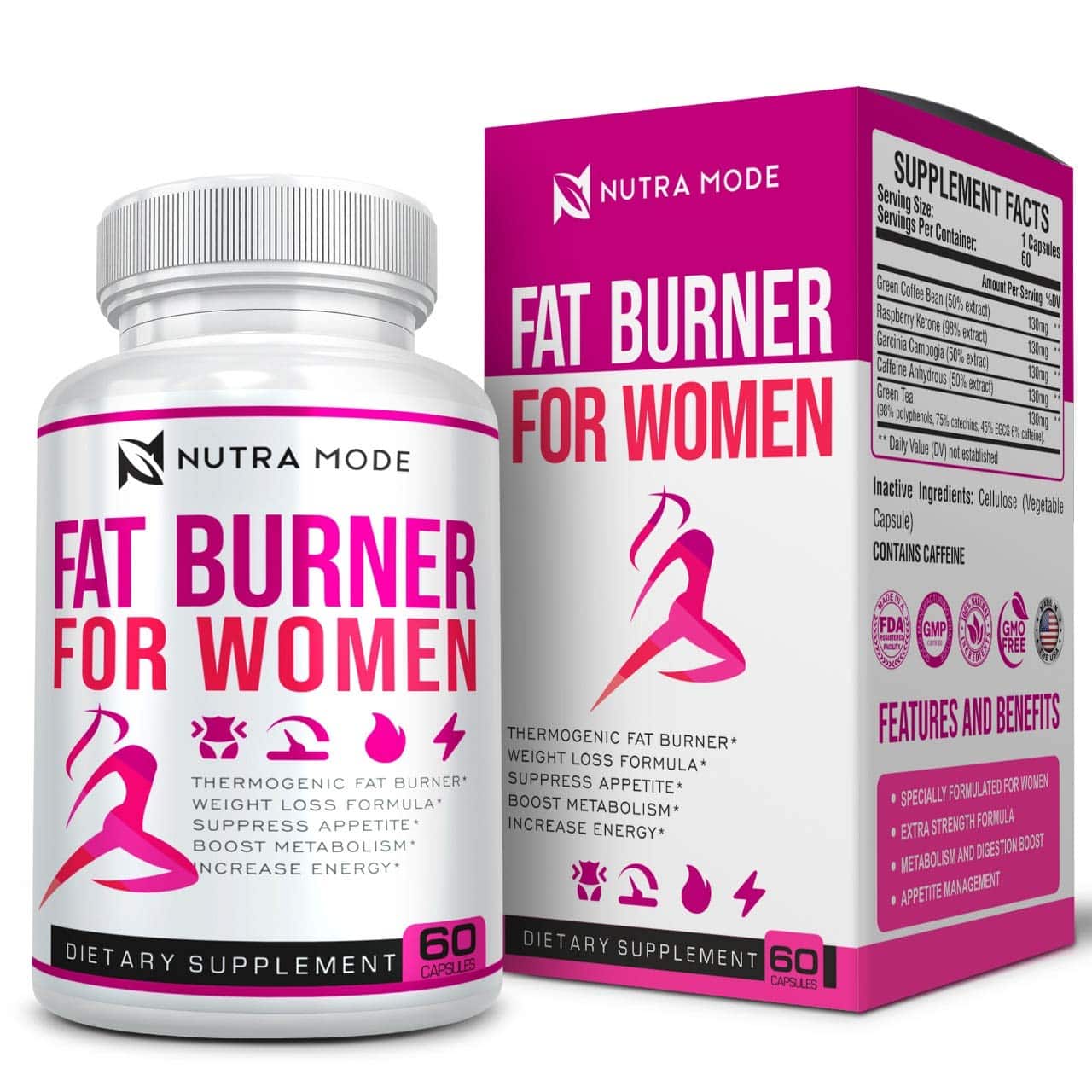
Over-the-counter weight loss pills, also known as OTC supplements, are available without a prescription. These pills are often marketed as natural or herbal remedies and can be purchased at pharmacies, health stores, or online. OTC weight loss pills may contain various ingredients that claim to aid in weight loss, such as green tea extract or garcinia cambogia. It is important to note that the effectiveness and safety of these OTC supplements can vary significantly.
Natural weight loss pills
Natural weight loss pills are dietary supplements that are derived from natural sources, such as plants or herbs. These pills often claim to promote weight loss through natural mechanisms, such as appetite suppression or metabolism boosting. While natural weight loss pills can be an option for those seeking a more holistic approach to weight loss, it is essential to consult with a healthcare professional to ensure the ingredients are safe and effective.

Key considerations before taking weight loss pills
Consulting with a healthcare professional
Before starting any weight loss pill regimen, it is crucial to consult with a healthcare professional. They can assess your individual health status, evaluate potential risks, and determine the most suitable weight loss approach for your specific needs. A healthcare professional will consider factors such as underlying medical conditions, current medications, and previous weight loss attempts when recommending weight loss pills.
Understanding potential risks and side effects
Weight loss pills, like any medication, can come with potential risks and side effects. It is vital to thoroughly understand the potential risks associated with the specific weight loss pill you are considering. Common side effects may include nausea, diarrhea, headaches, or insomnia. Serious side effects can also occur, especially with certain prescription weight loss medications. Consulting with a healthcare professional will help you weigh the potential benefits against the risks.
Considering individual weight loss goals
Before starting any weight loss pill regimen, it is important to consider your individual weight loss goals. Are you looking for a tool to kickstart your weight loss journey or hoping for a long-term solution? Understanding your goals and being realistic about what weight loss pills can achieve is crucial. Weight loss pills are not a magic solution but can provide support when combined with a healthy lifestyle and sustainable habits.
Weight loss pills with proven effectiveness
Phentermine
Phentermine is a prescription weight loss medication that works as an appetite suppressant. It stimulates the release of certain chemicals in the brain that decrease appetite and make individuals feel full, leading to reduced calorie intake. Phentermine is typically prescribed for short-term use as part of a comprehensive weight loss program. It is important to note that this medication may have side effects such as increased blood pressure, dry mouth, or insomnia.
Orlistat
Orlistat is an FDA-approved prescription weight loss medication that works by blocking the absorption of dietary fat in the digestive tract. It inhibits the action of enzymes called lipases, which break down fat molecules. As a result, a portion of the dietary fat passes through the digestive system without being absorbed by the body. Orlistat is typically taken with meals and can lead to side effects such as oily stools, gas, or stomach discomfort.
Liraglutide
Liraglutide is a prescription weight loss medication originally approved for the treatment of type 2 diabetes. It works by mimicking the effects of a hormone called glucagon-like peptide-1 (GLP-1), which regulates appetite and food intake. Liraglutide can help individuals feel full faster and consume fewer calories. It is important to note that liraglutide may have side effects such as nausea, vomiting, or pancreatitis. Close monitoring by a healthcare professional is necessary.
Common misconceptions about weight loss pills
Weight loss pills as a magic solution
One common misconception about weight loss pills is that they are a magic solution for losing weight effortlessly. While weight loss pills can aid in weight loss efforts, they are not a substitute for a healthy lifestyle. Weight loss requires a combination of proper nutrition, regular exercise, and sustainable habits. Weight loss pills should be used as a tool in conjunction with these lifestyle changes, rather than solely relying on them for significant weight loss.
Rapid weight loss claims
Another common misconception is the belief that weight loss pills can lead to rapid and drastic weight loss. While weight loss pills can provide a boost to your weight loss journey, it is important to set realistic expectations. Sustainable and healthy weight loss generally occurs at a gradual pace of 1-2 pounds per week. Rapid weight loss can be unhealthy and may result in muscle loss or nutrient deficiencies.
Permanent weight loss without lifestyle changes
Weight loss pills are not a solution for permanent weight loss without making lifestyle changes. Successful weight loss and maintenance require sustainable habits and a long-term commitment to a healthy lifestyle. Weight loss pills can help individuals overcome certain barriers or plateaus in their weight loss journey but should be used in conjunction with healthy eating and exercise.
The importance of a healthy lifestyle
Combining weight loss pills with exercise
While weight loss pills can aid in weight loss, exercise is an essential component of a healthy lifestyle and can further enhance weight loss results. Regular physical activity helps burn calories, build muscle, and improve overall health. Combining weight loss pills with exercise can help individuals achieve their weight loss goals more effectively and maintain weight loss in the long term.
Adopting a balanced diet
A balanced diet is crucial for weight loss and overall health. Weight loss pills can support a balanced diet by reducing feelings of hunger or inhibiting the absorption of dietary fat. However, it is important to prioritize nutrient-dense foods and avoid relying solely on weight loss pills for nutrition. Incorporating a variety of fruits, vegetables, lean proteins, whole grains, and healthy fats into your diet can provide essential nutrients for your body’s needs.
Developing sustainable habits
Weight loss pills can provide a temporary solution for weight loss, but sustainable habits are necessary for long-term success. Sustainable habits include mindful eating, portion control, stress management, and regular exercise. Developing these habits is crucial for maintaining weight loss and overall well-being. Weight loss pills can be used as a tool to support the development of sustainable habits but should not be relied upon as the sole method of weight management.
Potential dangers and risks of weight loss pills
Adverse side effects
Weight loss pills can have various side effects, ranging from mild to severe. Common side effects include nausea, diarrhea, headache, or insomnia. These side effects can often be managed with lifestyle modifications or medication adjustments. However, some weight loss pills can have more serious side effects such as increased heart rate or elevated blood pressure. It is important to be aware of potential side effects and seek medical attention if any concerning symptoms occur.
Drug interactions
Weight loss pills, especially prescription medications, can interact with other medications or supplements. These interactions can impact the effectiveness or safety of both the weight loss pill and the other medication. It is crucial to inform your healthcare professional about all medications, supplements, or herbal remedies you are taking to prevent potential drug interactions. They can help determine the best course of action and adjust your treatment plan accordingly.
Dependency and addiction
Certain weight loss pills, particularly those that affect appetite or mood, can carry a risk of dependency or addiction. This is more common with prescription medications, such as phentermine or liraglutide. It is important to use these medications as prescribed and under the guidance of a healthcare professional to minimize the risk of dependency. If you notice signs of dependency or addiction, such as cravings or withdrawal symptoms, it is crucial to seek help from a healthcare professional.
Best practices for safe and effective weight loss
Setting realistic goals
Setting realistic weight loss goals is essential for success. Focus on overall health and well-being rather than solely on the number on the scale. Consult with a healthcare professional or a registered dietitian to determine a healthy and achievable weight loss goal based on your individual needs and circumstances. By setting realistic goals, you are more likely to stay motivated and maintain your weight loss in the long term.
Tracking progress
Monitoring your progress is crucial for motivation and accountability. Keep track of your food intake, exercise routine, and weight loss progress. This can help you identify patterns, adjust your approach if needed, and celebrate milestones along the way. There are various tools and apps available that can assist in tracking your progress and provide valuable insights into your weight loss journey.
Gradual weight loss approach
A gradual and steady weight loss approach is generally recommended for long-term success. Rapid weight loss can often lead to muscle loss, nutrient deficiencies, or rebound weight gain. Aim for a weight loss rate of 1-2 pounds per week, which is considered safe and sustainable. By focusing on gradual weight loss, you are more likely to maintain your progress and develop healthy habits that will support long-term weight management.
Natural alternatives to weight loss pills
Green tea extract
Green tea extract is a popular natural alternative to weight loss pills. Green tea contains compounds called catechins, which have been shown to boost metabolism and increase fat oxidation. It can also provide a mild appetite suppressant effect. Green tea extract can be consumed as a supplement or as a beverage. It is important to note that while green tea extract may offer some weight loss benefits, the effects are generally modest and should be combined with a healthy lifestyle.
Garcinia cambogia
Garcinia cambogia is a tropical fruit that contains hydroxycitric acid (HCA), a compound believed to aid in weight loss. HCA is thought to suppress appetite, block the production of fat, and increase the breakdown of stored fat. Garcinia cambogia extract is available as a supplement. However, the effectiveness and safety of this natural remedy are still subject to debate, and further research is needed to fully understand its potential benefits and risks.
Caffeine
Caffeine is a stimulant found in various foods and beverages, such as coffee, tea, and chocolate. It is known to increase metabolism and enhance fat burning. As a result, caffeine is often included in weight loss supplements. However, it is important to be mindful of your overall caffeine intake and its potential side effects, such as increased heart rate or insomnia. Caffeine should be consumed in moderation and as part of a healthy lifestyle.
Conclusion
Weight loss pills can be a helpful tool for individuals seeking to lose weight, but they should be used in conjunction with a healthy lifestyle and under the guidance of a healthcare professional. Understanding the different types of weight loss pills, their mechanisms of action, and potential risks and side effects is crucial before starting any regimen. It is important to set realistic goals, track progress, and adopt sustainable habits to achieve long-term weight loss success. Natural alternatives to weight loss pills can also be considered, but it is essential to consult with a healthcare professional to ensure their safety and effectiveness. Remember, weight loss requires a comprehensive approach that includes proper nutrition, regular exercise, and a commitment to a healthy lifestyle.