
Are you struggling to stay motivated on your weight loss journey? Look no further! In this article, we will explore some creative and effective weight loss journal ideas that can help you track your progress, stay accountable, and celebrate your victories along the way. Whether you prefer a traditional pen and paper approach or a digital format, these journal ideas will inspire you to record your goals, document your meals and workouts, and reflect on your emotions to create a comprehensive and personalized weight loss journal. Get ready to embark on a transformative journey towards a healthier and happier you!
Tracking your progress
Recording your weight
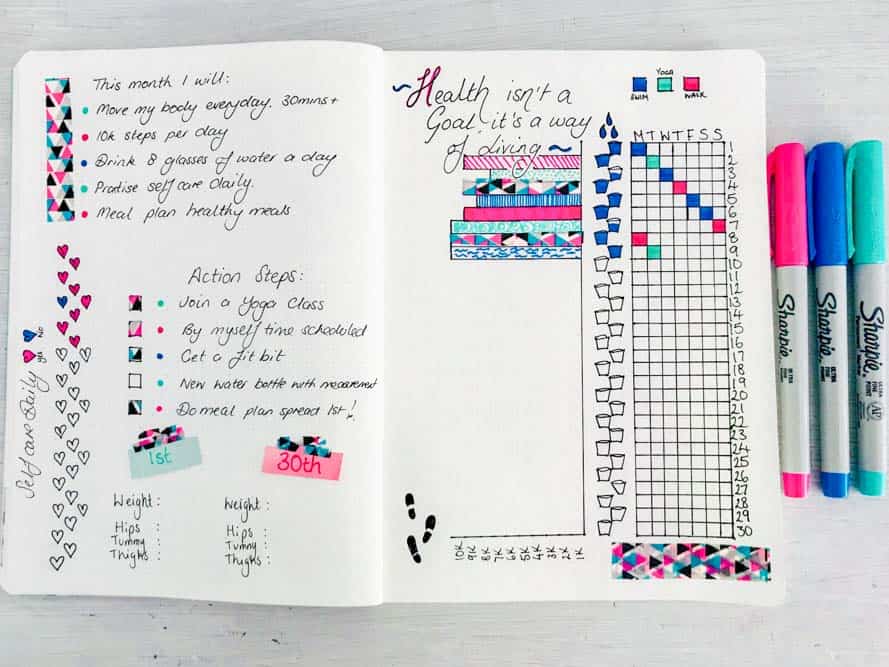
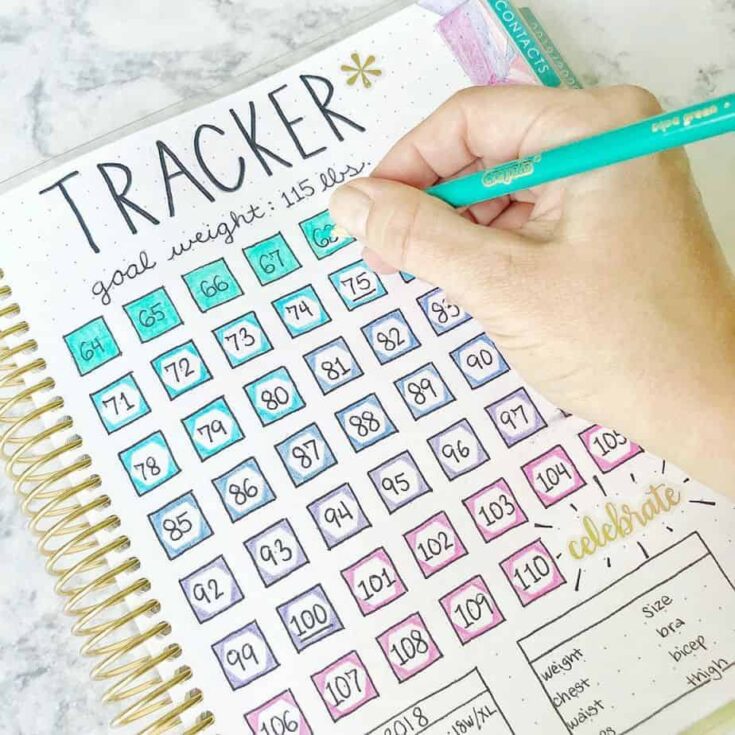
Tracking your weight is an essential part of any weight loss journey. By regularly recording your weight, you can monitor your progress and stay motivated. To start, find a reliable scale and weigh yourself at the same time of day, preferably in the morning before breakfast. Keep a notebook or a weight loss journal dedicated to tracking your weight, and make it a habit to record your weight once a week. By tracking your weight over time, you’ll be able to see the trends, celebrate your achievements, and make adjustments if necessary.
Measuring your body
In addition to tracking your weight, measuring various parts of your body can provide a more comprehensive view of your progress. Use a tape measure to measure areas like your waist, hips, thighs, and arms. Write down these measurements in your weight loss journal and update them monthly. While weight alone may not accurately reflect changes in body composition, measuring your body can help you see inches lost and muscle gained. It’s a great way to track your progress beyond the number on the scale.
Keeping a diet log
Tracking your food intake is an effective way to stay mindful of your eating habits and make informed choices. Keeping a diet log allows you to monitor the types and quantities of food you consume on a daily basis. You can use a traditional pen and paper journal, a smartphone app, or a digital spreadsheet to record your meals, snacks, and beverages. Be sure to include details such as portion sizes, cooking methods, and any condiments or dressings used. By consistently tracking your food intake, you’ll gain valuable insights into your eating patterns and make adjustments as needed.
Setting goals
Defining your weight loss goal
Before embarking on your weight loss journey, it’s important to define your specific weight loss goal. Take some time to reflect on how much weight you want to lose and consider factors such as your current weight, height, and body composition. Aim for a realistic and achievable goal that aligns with your overall health and well-being. Consult with a healthcare professional if you need guidance in setting an appropriate goal for your individual circumstances.
Creating short-term goals
Breaking down your weight loss goal into smaller, short-term goals can make it more manageable and less overwhelming. Create weekly or monthly goals that are attainable and measurable. For example, you could set a goal of losing 1-2 pounds per week or increasing your daily step count by 500 steps. By focusing on these smaller milestones, you’ll stay motivated and track your progress more closely.
Establishing milestones
In addition to short-term goals, it’s important to establish milestones along your weight loss journey. These milestones can be significant events or achievements that you want to reach, such as fitting into a certain clothing size or participating in a physical activity you enjoy. Celebrate these milestones as they come and use them as markers of your success. They can provide the motivation and sense of accomplishment you need to keep going on your weight loss journey.

Tracking your food intake
Counting calories
Counting calories is a popular method of tracking food intake and managing weight. It involves monitoring the number of calories consumed from the various foods and beverages you consume throughout the day. To count calories effectively, you need to have an understanding of the caloric content of different foods and portion sizes. Use nutrition labels, online databases, or smartphone apps to find the calorie information for the foods you eat regularly. Be diligent in recording your calorie intake in your weight loss journal, and aim to stay within your recommended calorie range for weight loss.
Monitoring macronutrients
In addition to calories, monitoring macronutrients such as carbohydrates, proteins, and fats can provide valuable insights into your diet. Each macronutrient plays a specific role in your body’s energy and nutrient needs. By tracking these macronutrients, you can ensure a balanced diet and adjust your intake as needed. Use a food tracking app or consult with a registered dietitian to help you determine the appropriate macronutrient ratios based on your specific goals and health needs.
Identifying trigger foods
Tracking your food intake can help you identify any trigger foods that may hinder your weight loss progress. Some foods may lead to overeating, cause discomfort, or trigger cravings. By recording your meals and paying attention to how they make you feel, you can identify any patterns or correlations between certain foods and your eating behaviors. This awareness will enable you to make more informed choices and develop strategies to avoid or moderate the consumption of these trigger foods.
Exercising and activity tracking
Choosing appropriate exercises
Incorporating regular exercise into your weight loss journey is crucial for overall health and well-being. Choose exercises that you enjoy and that align with your physical abilities and preferences. Whether it’s walking, cycling, swimming, or strength training, find activities that keep you motivated and help you burn calories. Consult with a fitness professional or seek guidance from reputable sources to ensure you’re engaging in appropriate exercises for your goals and fitness level.
Creating a workout schedule
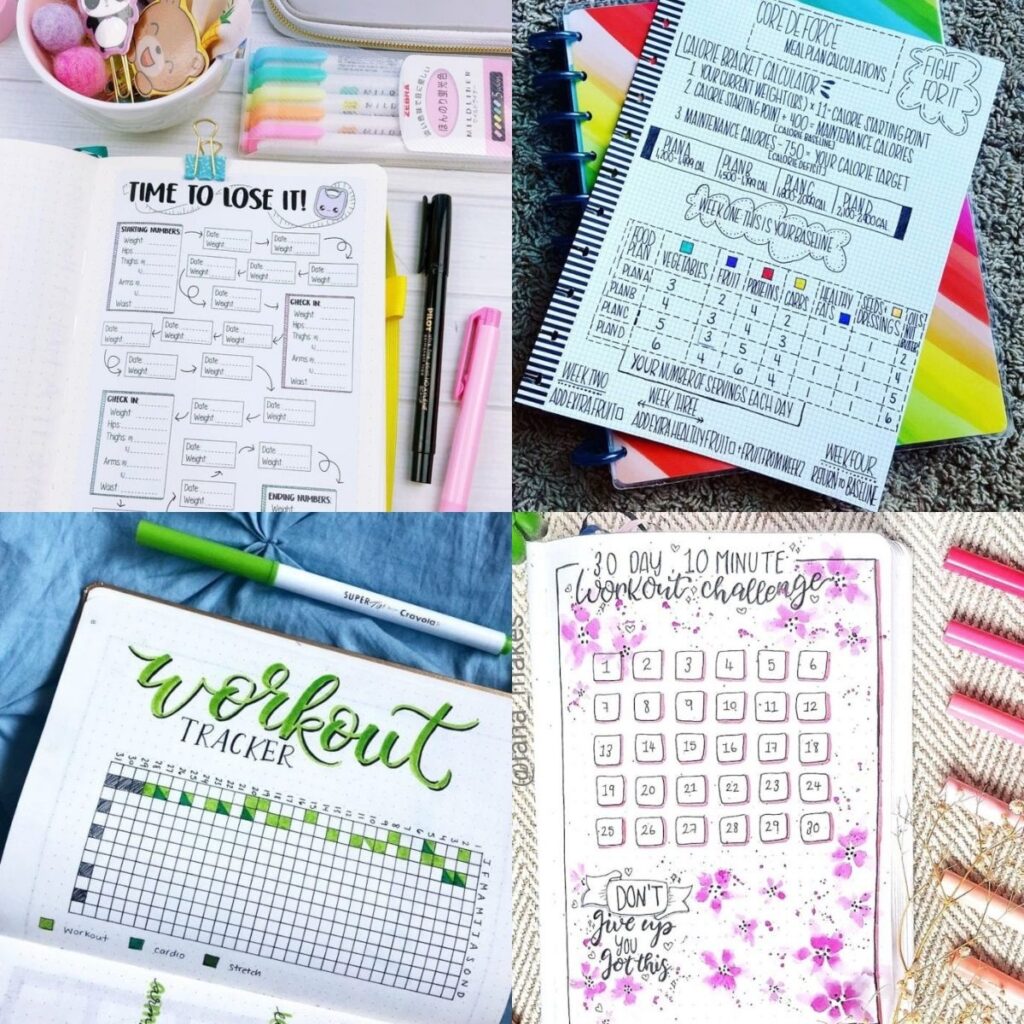
To stay consistent with your exercise routine, it’s helpful to create a workout schedule and stick to it. Determine how many days a week you can commit to exercising and allocate specific times for your workouts. By making exercise a priority and treating it as an appointment with yourself, you’ll be more likely to follow through and track your progress effectively. Consider using fitness apps or wearables to monitor your workouts and track metrics such as duration, distance, and intensity.
Tracking your activity levels
Tracking your overall activity levels throughout the day can provide valuable insights into your calorie expenditure and help you make adjustments as needed. Consider wearing an activity tracker or using a smartphone app that monitors your steps, distance traveled, and calories burned. By aiming for a certain number of steps or minutes of activity each day, you can stay motivated and accountable for your overall activity levels. Record this information in your weight loss journal to track your progress and identify any patterns or trends.
Monitoring hydration
Recording water intake
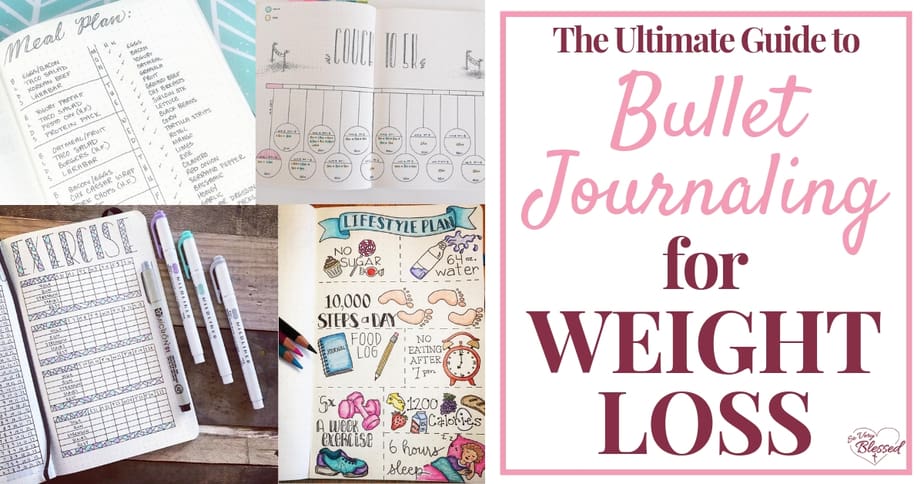
Staying hydrated is essential for overall health and can support weight loss efforts. Make it a habit to record your daily water intake in your weight loss journal. Aim to drink at least 8 cups (64 ounces) of water per day, but adjust this amount based on your activity level, climate, and individual needs. By tracking your water intake, you can ensure you’re staying adequately hydrated and identify any patterns or correlations between hydration and your weight loss progress.
Adding electrolytes
Electrolytes play a crucial role in maintaining fluid balance and supporting proper muscle and nerve function. If you engage in vigorous exercise or sweat excessively, consider adding electrolytes to your hydration routine. Electrolyte-rich beverages or supplements can help replenish the electrolytes lost during physical activity and support your overall hydration status. Be mindful of the added sugars and calories in certain electrolyte products, and choose options that align with your dietary preferences and goals.
Recognizing signs of dehydration
Monitoring your hydration levels is important to ensure you’re adequately hydrated throughout the day. Being aware of the signs of dehydration can help you take prompt action and prevent any negative effects on your weight loss journey. Common signs of dehydration include increased thirst, dry mouth, dark urine, fatigue, and headaches. If you experience any of these symptoms, increase your water intake and seek shade or a cool environment to avoid overheating.
Managing emotional eating
Identifying emotional triggers
Emotional eating is a common challenge when it comes to weight loss and overall health. It’s important to identify your personal emotional triggers and develop strategies to manage them effectively. Keep track of your eating patterns in your weight loss journal and note any instances of emotional eating. Look for patterns or common triggers such as stress, boredom, sadness, or loneliness. By recognizing these triggers, you can employ healthier alternatives to deal with your emotions, such as engaging in physical activity, practicing relaxation techniques, or seeking support from friends or professionals.
Practicing mindful eating
Mindful eating involves being fully present and aware of your eating experience, paying attention to physical hunger and fullness cues, and savoring each bite. By practicing mindful eating, you can develop a healthier relationship with food, enhance your enjoyment of meals, and prevent overeating. Slow down while eating, chew your food thoroughly, and savor the flavors and textures. Avoid distractions such as screens or multitasking, and focus on the sensory experience of eating. Incorporate mindful eating into your weight loss journey by recording your observations and experiences in your weight loss journal.
Seeking support
Managing emotional eating can be challenging, and seeking support can make a significant difference. Consider reaching out to friends, family, or support groups who can provide encouragement, understanding, and accountability. Professional help from therapists, counselors, or registered dietitians specializing in emotional eating can also be beneficial. By building a support network, you’ll have dedicated individuals who can guide you through difficult moments, offer coping strategies, and provide a listening ear when needed.
Tracking sleep patterns
Noting sleep duration and quality
Sleep plays a vital role in overall health, and insufficient or poor-quality sleep can impact your weight loss efforts. Make it a habit to note your sleep duration and quality in your weight loss journal. Aim for 7-9 hours of quality sleep each night and pay attention to how you feel upon waking. Did you have difficulty falling asleep, wake up frequently, or feel well-rested? By monitoring your sleep patterns, you can identify any issues and take steps to improve your sleep hygiene for optimal weight loss results.
Identifying sleep disruptors
Various factors can disrupt your sleep and affect the quality and duration of your rest. Common sleep disruptors include caffeine intake, electronic device usage before bed, irregular sleep schedules, and high-stress levels. Take note of any potential sleep disruptors in your weight loss journal and analyze their impact on your sleep patterns. By identifying these disruptors, you can make informed decisions about lifestyle adjustments and create a conducive environment for quality sleep.
Establishing a bedtime routine
Creating a consistent bedtime routine can help signal to your body that it’s time to wind down and prepare for restorative sleep. Establish a routine that works for you and incorporates relaxing activities such as reading, taking a warm bath, or practicing deep breathing exercises. Avoid stimulating activities and bright screens before bed, as they can interfere with your natural sleep-wake cycle. By recording your bedtime routine in your weight loss journal and monitoring its impact on your sleep quality, you can optimize your sleep habits for successful weight loss.
Recording non-scale victories
Noticing changes in clothing fit
While the number on the scale is often the primary focus when it comes to weight loss, it’s essential to acknowledge and celebrate non-scale victories. One significant non-scale victory is noticing changes in how your clothing fits. As you make progress on your weight loss journey, you may find that your clothes become looser or that you can comfortably fit into clothing that was previously tight. These tangible changes in your body shape are worth celebrating and can motivate you to keep going.
Measuring body composition
Recording changes in your body composition is another way to track progress beyond the number on the scale. Consider measuring your body fat percentage using methods such as bioelectrical impedance analysis or skinfold calipers. You can also take progress photos showing different angles of your body and compare them over time. These measurements and visuals can provide a more accurate representation of your body changes, especially if you’re gaining muscle while losing fat.
Documenting improved energy levels
As you embark on your weight loss journey, be sure to document any improvements in your energy levels. Losing weight and adopting healthier habits often leads to increased energy and vitality. Pay attention to any positive changes such as feeling less lethargic, having more stamina to engage in physical activities, or experiencing improved mental clarity. By noting these improvements in your weight loss journal, you’ll have a record of how your energy levels have positively transformed along with your physical appearance.
Creating a meal plan
Meal prepping and planning
Creating a meal plan is an effective way to stay organized, save time, and make healthier food choices. Dedicate time each week to plan your meals, snacks, and beverages. Consider your calorie and nutrient needs, along with any dietary restrictions or preferences. Write down your meal plan in your weight loss journal and use it as a guide when grocery shopping and preparing meals. Meal prepping in advance can also help you avoid impulsive food choices and set yourself up for success throughout the week.
Including a variety of nutrients
A balanced and varied diet is essential for meeting your nutritional needs while losing weight. Ensure your meals consist of a variety of nutrients, including complex carbohydrates, lean proteins, healthy fats, and a colorful array of fruits and vegetables. Experiment with different recipes, flavors, and cooking methods to keep your meals interesting and enjoyable. Explore new ingredients and spices to add variety and maximize the nutritional value of your meals. Write down new recipes or favorite food combinations in your weight loss journal for easy reference.
Adjusting portion sizes
Portion control is an important aspect of weight loss and maintaining a healthy lifestyle. Be mindful of your portion sizes, especially when it comes to calorie-dense foods. Use measuring cups, a food scale, or visual cues to ensure you’re consuming appropriate portions. It can be helpful to note portion sizes in your weight loss journal until you become more familiar with proper serving sizes. Pay attention to your body’s hunger and fullness cues to guide your portion control decisions and avoid overeating.
Rewarding yourself
Setting healthy rewards
Rewarding yourself along your weight loss journey can provide additional motivation and enhance your sense of accomplishment. Instead of using food as a reward, set non-food-related rewards that align with your overall health goals. Treat yourself to a massage, buy new workout gear, or indulge in a relaxing bath. Create a reward system with milestones in your weight loss journey and decide on corresponding rewards to look forward to. Write down these healthy rewards in your weight loss journal and celebrate your achievements with non-food-related treats.
Celebrating milestones
Celebrating milestones and achievements is a crucial part of staying motivated and maintaining a positive mindset. Whether it’s reaching a certain weight loss goal, completing a fitness challenge, or sticking to your meal plan for a month, take the time to celebrate and acknowledge your progress. Get creative with your celebrations and find ways to commemorate these achievements that resonate with you personally. Take progress photos, write a letter to yourself, or share your success with friends and family. Use your weight loss journal to reflect on your milestones and reinforce your commitment to a healthier lifestyle.
Avoiding food-based rewards
While it may be tempting to use food as a reward, it’s important to avoid this practice. Using food as a reward can create an unhealthy relationship with certain foods and reinforce emotional eating patterns. Instead, shift your focus to non-food rewards that align with your wellness journey. By breaking the association between food and rewards, you’ll develop healthier habits and cultivate a positive mindset around your achievements.
In conclusion, tracking your progress is vital for a successful weight loss journey. From recording your weight and measuring your body to tracking your food intake and monitoring your activity levels, the information you gather in your weight loss journal will guide your decisions and keep you motivated. Remember to set specific goals, celebrate non-scale victories, and establish healthy rewards along the way. With consistency, mindfulness, and support, you’ll be able to track your progress effectively and achieve your weight loss goals.