Are you tired of trying countless diets and weight loss programs with little to no success? Look no further! In this article, we will unveil the secret to effective weight loss: the Weight Loss Fasting Schedule. By following this simple and practical schedule, you will not only shed those unwanted pounds but also improve your overall health and well-being. Say goodbye to fad diets and hello to a sustainable and successful weight loss journey. Get ready to transform your life with the Weight Loss Fasting Schedule!

Benefits of Weight Loss Fasting
Are you looking to shed some extra pounds and improve your health? Weight loss fasting might be the solution you’ve been searching for. Fasting has been practiced for centuries for various reasons, including spiritual, cultural, and health purposes. When it comes to weight loss, fasting can be an effective tool to kickstart your journey and achieve your goals. In this article, we will explore the different types of fasting for weight loss, the key benefits it offers, how it works, and provide helpful tips for implementing and maintaining a fasting schedule.
Types of Fasting for Weight Loss
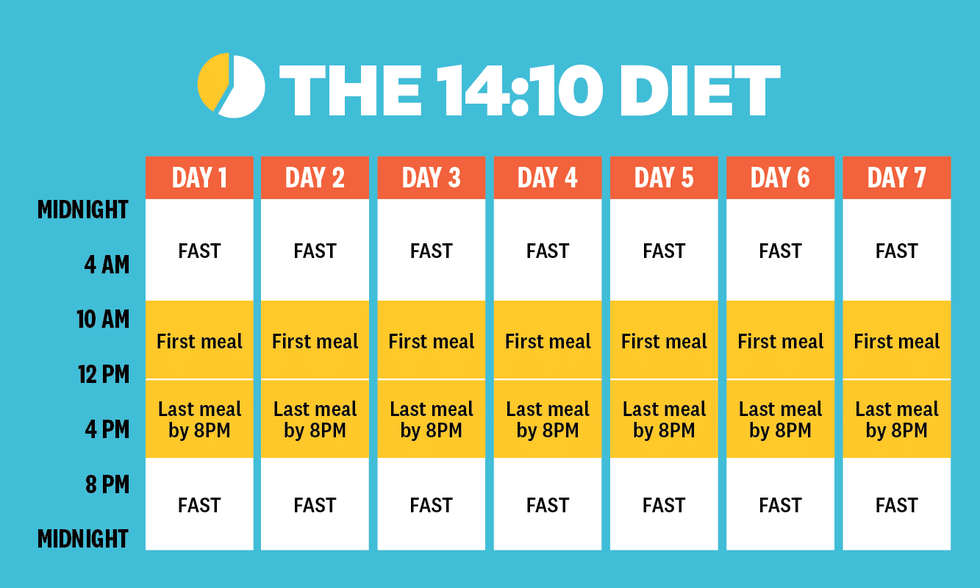
Before diving into the benefits of weight loss fasting, it’s essential to understand the different fasting schedules available. Each fasting method has its own unique approach and can be tailored to fit your preferences and lifestyle. Here are some of the most popular fasting schedules for weight loss:
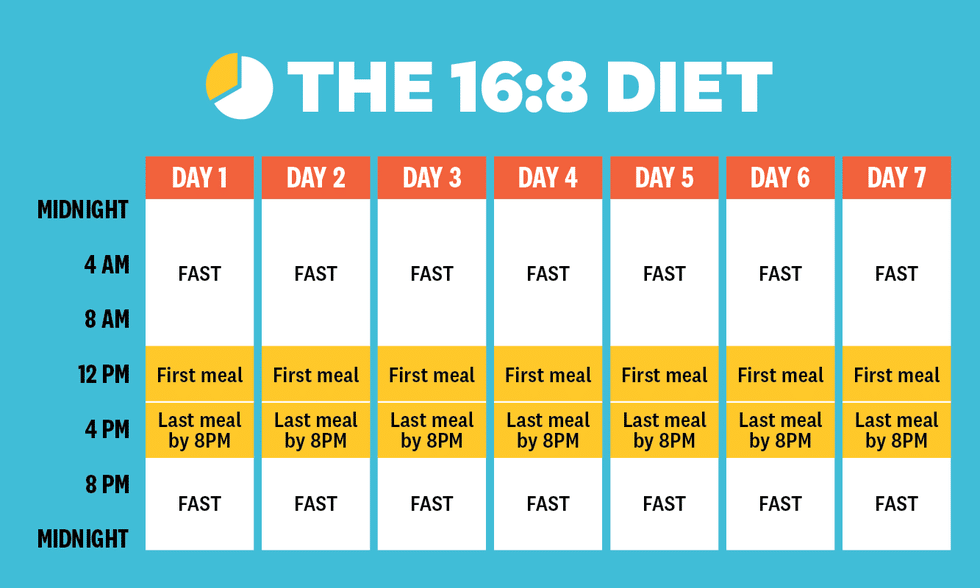
16/8 Method
The 16/8 method, also known as the Leangains protocol, involves fasting for 16 hours and restricting your eating to an 8-hour window. Most individuals choose to skip breakfast and have their first meal around lunchtime, followed by two more meals within the eating window. This method is flexible and can easily be incorporated into everyday life.
5:2 Diet
The 5:2 diet involves eating normally for five days of the week and significantly reducing your calorie intake to 500-600 calories on the remaining two days. The two fasting days should not be consecutive and can be adjusted to fit your schedule. This method allows for more unrestricted eating during the non-fasting days, making it easier to adhere to in the long term.
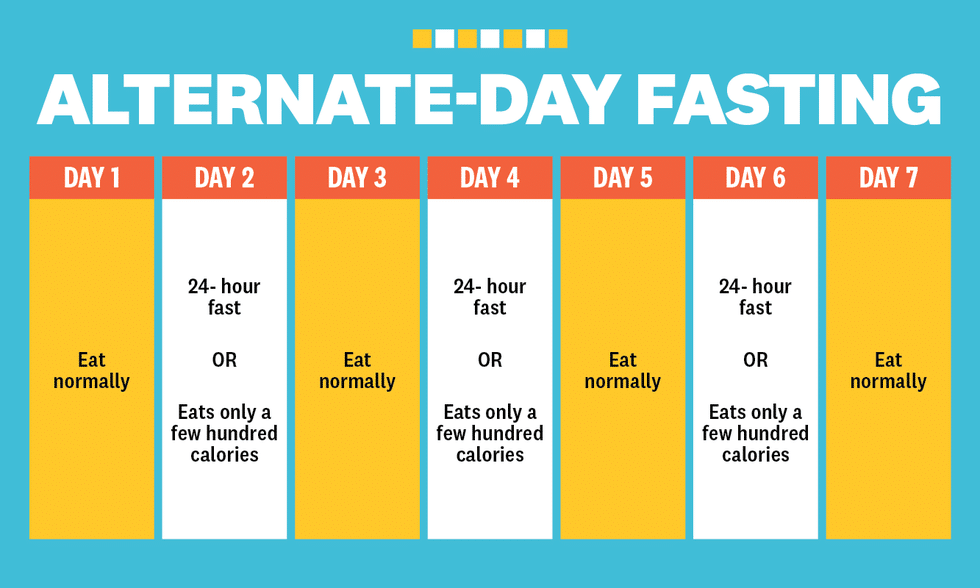
Alternate-Day Fasting
As the name suggests, alternate-day fasting involves fasting every other day and eating normally on non-fasting days. There are different variations of this method, such as complete fasting on fasting days or consuming a limited number of calories. This fasting schedule can challenge your willpower but has shown promising results for weight loss.
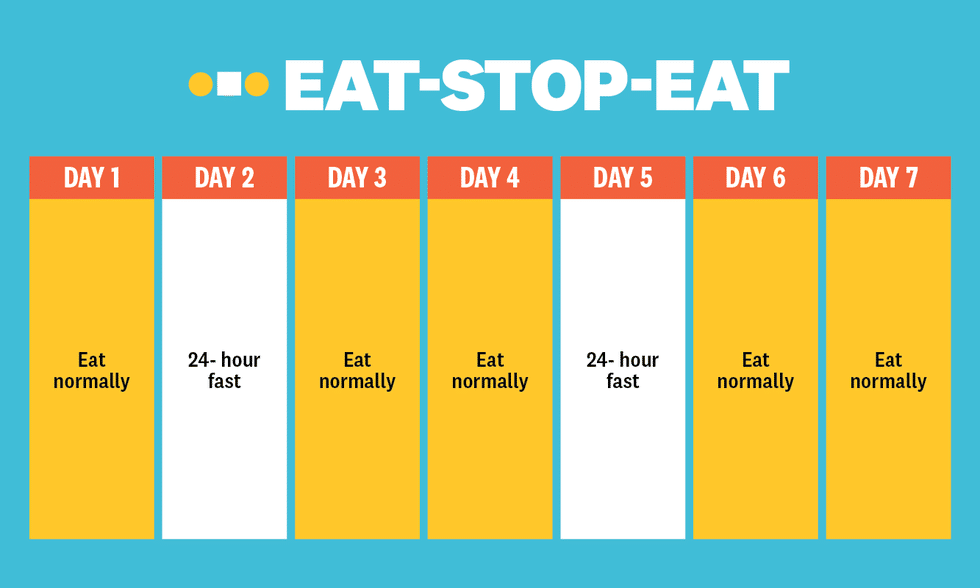
24-Hour Fasting
A 24-hour fast entails abstaining from food for a full 24 hours, usually once or twice a week. This method can be challenging for beginners but becomes easier as your body adapts to fasting. It is crucial to stay hydrated and consume adequate nutrients during this fasting period.
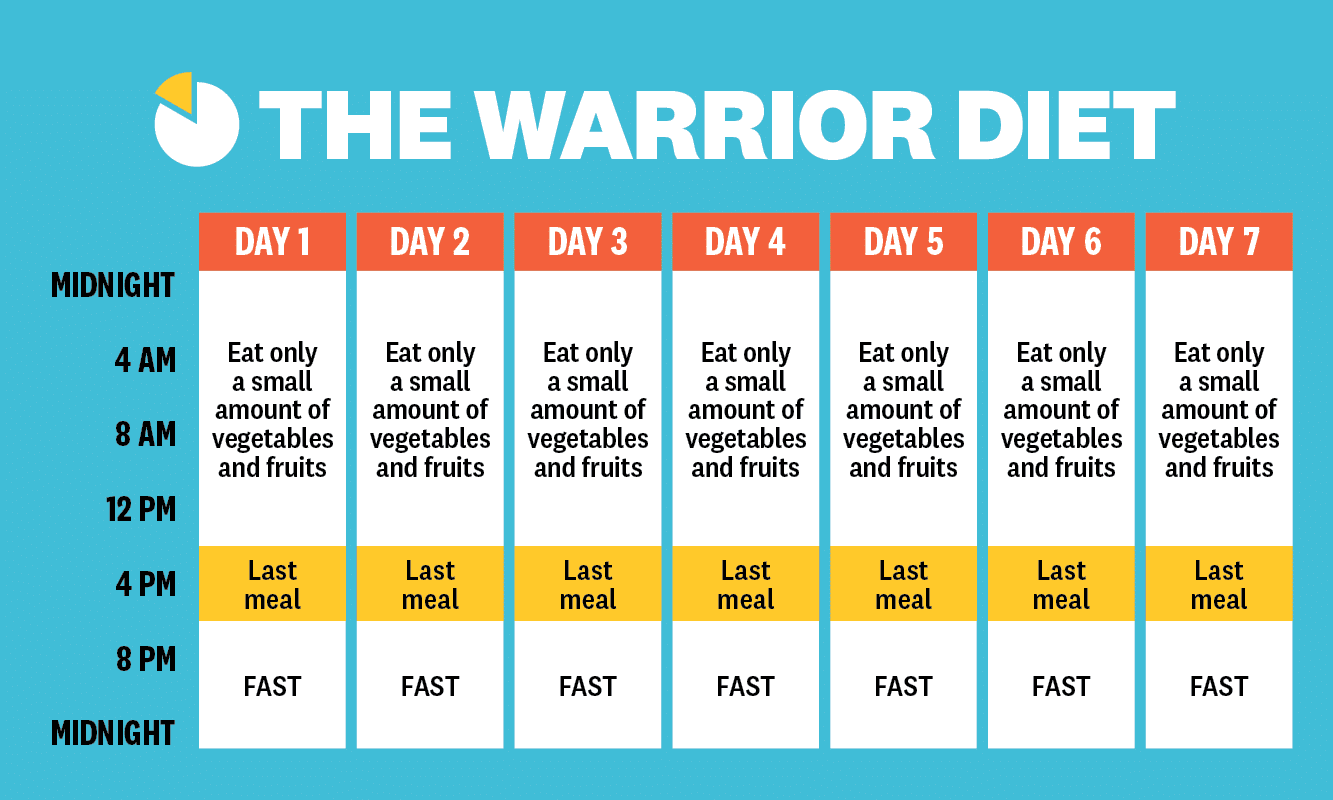
Warrior Diet
The Warrior Diet follows a larger fasting window of 20 hours, followed by a 4-hour eating window in the evening. During the fasting period, small amounts of fruits and vegetables may be consumed. This method mimics the eating patterns of ancient warriors and allows for a single large meal in the evening.

Key Benefits of Weight Loss Fasting
Now that you’re familiar with different fasting schedules, let’s explore the incredible benefits weight loss fasting can offer:
-
Weight Loss: Fasting can create a calorie deficit and lead to weight loss. By restricting your eating window or reducing calorie intake on fasting days, your body will tap into stored fat for energy, promoting fat loss.
-
Improves Insulin Sensitivity: Fasting can enhance insulin sensitivity, allowing your body to better regulate blood sugar levels and reduce the risk of diseases like type 2 diabetes.
-
Enhances Metabolic Health: Fasting has been shown to improve various markers of metabolic health, including blood pressure, cholesterol levels, and triglycerides. These improvements can significantly reduce the risk of heart disease.
-
Boosts Brain Function: Fasting promotes the production of a protein called brain-derived neurotrophic factor (BDNF), which supports the growth of new nerve cells and enhances brain health. This can lead to improved cognitive function and a reduced risk of neurological diseases.
-
Autophagy: Fasting triggers a cellular process called autophagy, which involves the recycling of damaged and dysfunctional molecules within cells. This can help improve cellular efficiency and longevity.
-
Sustainable Lifestyle Change: Incorporating fasting into your weight loss journey teaches you discipline and mindful eating habits, making it more likely for you to maintain long-term weight loss and healthy lifestyle choices.
How Weight Loss Fasting Works
Now that we’ve covered the benefits, you might be wondering how weight loss fasting actually works. When you consume food, your body breaks it down into glucose, which is used as a primary source of energy. Any excess glucose is stored in the liver and muscles as glycogen.
During fasting, your body depletes its glycogen stores and begins to access stored fat for energy. This process is known as ketosis. By entering ketosis, your body becomes more efficient at burning fat and can lead to weight loss. As you continue fasting, your insulin levels decrease, and growth hormone levels increase, further optimizing fat metabolism.
Fasting can also regulate hunger hormones such as ghrelin and leptin, helping you feel more satisfied and reducing cravings. Additionally, fasting can reset your taste buds and make healthier food choices more appealing.
It’s important to note that weight loss fasting should be approached with caution and under the guidance of a healthcare professional, especially for individuals with underlying medical conditions or specific dietary needs.
Different Fasting Schedules
Now that you understand the benefits and mechanisms of weight loss fasting, it’s time to choose the right fasting schedule that suits your lifestyle and goals. Here are some factors to consider before making a decision:
Considerations Before Choosing
-
Personal Preferences: Think about your eating habits, lifestyle, and the fasting method that resonates best with you. Consider whether you prefer shorter or longer fasting periods and how flexible the schedule is.
-
Health Status: Consult with a healthcare professional to assess whether fasting is safe for you. Individuals with certain medical conditions, such as diabetes, low blood pressure, or a history of eating disorders, may need to approach fasting differently or avoid it altogether.
Finding the Schedule that Works for You
-
Experiment: Don’t be afraid to try different fasting schedules to find what works best for you. It may take some trial and error before you find the fasting schedule that aligns with your preferences and lifestyle.
-
Listen to Your Body: Pay attention to how your body responds to different fasting schedules. Notice your energy levels, mood, and overall well-being. Adjust the fasting duration or method accordingly if you experience any adverse effects.
-
Seek Professional Guidance: If you’re unsure or have specific health concerns, consult with a registered dietitian, nutritionist, or healthcare professional experienced in fasting protocols. They can provide personalized recommendations and address any concerns you may have.
Preparing for Weight Loss Fasting
Before you embark on your weight loss fasting journey, it’s important to prepare your body and mind for the upcoming changes. Proper preparation can help minimize potential side effects and ensure a smooth transition into fasting. Here are some essential steps to take:
Consult with a Healthcare Professional
It is crucial to consult with a healthcare professional before starting any weight loss fasting schedule, especially if you have underlying medical conditions or take certain medications. They can provide personalized guidance and ensure fasting is safe for you.
Gradually Reduce Caloric Intake
Rather than abruptly starting a fasting schedule, gradually reduce your calorie intake in the days leading up to fasting. This can make the transition into fasting easier for your body and prevent excessive hunger or discomfort.
Address Emotional and Mental Well-being
Fasting can impact your emotional and mental well-being, so it’s important to address any potential concerns beforehand. Practice stress management techniques, ensure proper sleep and relaxation, and consider seeking support from loved ones or a mental health professional if needed.
Implementing the Weight Loss Fasting Schedule
Once you’re prepared and ready to begin your weight loss fasting schedule, here are some practical tips to help you get started and navigate the fasting period successfully:
Start Slowly
If you’re new to fasting, start with shorter fasting periods and gradually increase them over time. This allows your body to adapt and makes the process more sustainable in the long run. Begin with a 12-hour fasting window, such as fasting overnight, and gradually extend it as you feel comfortable.
Stay Hydrated
Water intake is crucial during fasting periods to prevent dehydration and support overall health. Stay hydrated by drinking water, herbal tea, or other non-caloric fluids throughout the day.
Include Nutrient-Dense Foods
When breaking your fast, prioritize nutrient-dense foods to ensure you’re nourishing your body properly. Include lean proteins, healthy fats, whole grains, and plenty of fruits and vegetables in your meals to support overall health and provide essential nutrients.
Manage Hunger and Cravings
It’s normal to experience hunger and cravings during fasting. To manage these sensations, stay busy with activities that distract you from food, practice mindful eating during your eating window, and consider incorporating nutrient-dense, high-fiber foods that provide satiety.
Monitoring and Adjusting the Weight Loss Fasting Plan
As you progress through your weight loss fasting journey, it’s important to monitor your progress and make adjustments as necessary. Here are some key points to keep in mind:
Tracking Progress
Keep track of your weight, body measurements, and how you feel throughout your fasting journey. This will help you gauge your progress and make any necessary adjustments.
Listening to Your Body
Pay attention to your body’s signals and adjust your fasting schedule if needed. If you experience severe hunger, fatigue, or any other adverse effects, consider shortening your fasting window or modifying your fasting schedule based on your individual needs.
Seeking Professional Guidance
If you’re unsure about your progress or have specific concerns, don’t hesitate to seek guidance from a healthcare professional or registered dietitian experienced in fasting protocols. They can provide tailored advice and address any questions or challenges you may face.
Managing Side Effects of Weight Loss Fasting
While weight loss fasting can be immensely beneficial, it’s important to be aware of potential side effects and know how to manage them. Here are some common side effects and ways to address them:
Temporary Side Effects
-
Hunger: It’s normal to experience hunger during fasting. Stay hydrated, occupy yourself with engaging activities, and remind yourself of the long-term benefits of fasting to manage hunger.
-
Fatigue: Some individuals may experience fatigue during fasting, especially when starting out. Ensure you’re getting adequate rest and sleep, and consider adjusting your fasting schedule if fatigue persists.
-
Headaches: Headaches can occur due to dehydration, caffeine withdrawal, or the adjustment period to fasting. Stay hydrated, gradually reduce caffeine consumption, and ensure you’re consuming adequate nutrients to minimize headaches.
Addressing Common Concerns
-
Muscle Loss: While some muscle loss may occur during weight loss, incorporating strength training exercises and consuming enough protein can help minimize muscle loss.
-
Nutrient Deficiencies: To avoid nutrient deficiencies, focus on consuming well-balanced meals during your eating window. Include a variety of whole foods and consider taking a high-quality multivitamin or supplements if necessary.
-
Binge Eating: Some individuals may be tempted to overeat during their eating window. Practice mindful eating, listen to your body’s hunger and fullness cues, and engage in activities that promote healthy habits to prevent binge eating.
Breaking the Fast and Maintaining Weight Loss
Congratulations on completing your fasting schedule and achieving your weight loss goals! Now, it’s essential to transition out of the fasting period and maintain your hard-earned weight loss. Here’s how:
Gradual Transition
After fasting, gradually introduce new foods and slowly increase your calorie intake over a few days. This helps your body adjust and prevents digestive discomfort or weight regain.
Building Sustainable Habits
Use the knowledge gained during your fasting journey to build sustainable habits and create a healthy and balanced diet. Focus on consuming wholesome, nutrient-dense foods, prioritize regular physical activity, and practice mindful eating.
Incorporating Exercise
Regular exercise is essential for maintaining weight loss and overall health. Gradually incorporate different forms of exercise that you enjoy, such as cardio, strength training, or yoga. Consult with a fitness professional if needed to create a personalized exercise plan.
Frequently Asked Questions (FAQs)
Can Weight Loss Fasting Be Unsuitable for Some Individuals?
Yes, weight loss fasting may not be suitable for individuals with certain medical conditions, including diabetes, eating disorders, or low blood pressure. It’s crucial to consult with a healthcare professional or registered dietitian before starting a fasting schedule to ensure it’s safe and appropriate for you.
What Should I Do If I Don’t See Desired Results?
If you don’t see the desired results from weight loss fasting, consider consulting with a healthcare professional or registered dietitian to evaluate your fasting schedule and make any necessary adjustments. They can provide guidance tailored to your needs and help you troubleshoot any barriers to success.
How Long Should I Follow a Weight Loss Fasting Schedule?
The duration of weight loss fasting schedules varies depending on individual goals and preferences. Some individuals may follow a fasting schedule for a few weeks to jumpstart weight loss, while others may incorporate fasting as a long-term lifestyle change. It’s important to listen to your body, seek professional guidance, and make adjustments as necessary.
Conclusion
Weight loss fasting offers numerous benefits for those looking to shed extra pounds and improve their overall health. By incorporating various fasting schedules, such as the 16/8 method, 5:2 diet, alternate-day fasting, 24-hour fasting, or the Warrior Diet, you can find a fasting schedule that suits your preferences and lifestyle. Remember to consult with a healthcare professional, gradually ease into fasting, stay hydrated, consume nutrient-dense foods, and listen to your body’s needs. With proper guidance and adherence, weight loss fasting can be a powerful tool in achieving your weight loss goals and maintaining a healthy lifestyle.