Are you looking for an effective way to jumpstart your weight loss journey? Look no further! Weight loss fasting for 3 days might just be the solution you’ve been searching for. This article will explore the benefits and potential challenges of fasting for weight loss, as well as provide you with some helpful tips to make the most out of your fasting experience. So, get ready to say goodbye to those stubborn pounds and hello to a healthier, happier you!


How Does Weight Loss Fasting Work?
Weight loss fasting is a popular approach for shedding extra pounds and achieving a healthier body. By abstaining from food for a specific period of time, your body undergoes metabolic changes that can lead to weight loss. Understanding the concept of fasting, the metabolic changes that occur during fasting, and the benefits of weight loss fasting can help you make informed decisions about incorporating this technique into your lifestyle.
Understanding the Concept of Fasting
Fasting is the practice of voluntarily refraining from consuming food for a certain period of time. It has been practiced for centuries and has recently gained popularity due to its potential weight loss benefits. During a fast, your body enters a state called ketosis, where it begins to utilize stored fat as its primary source of energy. This leads to a reduction in body weight as fat stores are burned for fuel.
Metabolic Changes During Fasting
When you fast, your body goes through several metabolic changes. Initially, your blood sugar levels drop, triggering the release of stored glucose from your liver. Once your glycogen stores are depleted, your body starts breaking down fat to produce ketones, which serve as an alternative fuel source. This metabolic shift not only promotes weight loss but also improves insulin sensitivity and reduces inflammation.
Benefits of Weight Loss Fasting
Weight loss fasting offers various benefits beyond shedding pounds. It can help improve metabolic health by reducing insulin resistance, which is linked to various chronic conditions such as type 2 diabetes and cardiovascular disease. Additionally, fasting may enhance brain function, boost energy levels, and improve overall digestion. Incorporating weight loss fasting into your routine can lead to improved overall well-being.
Preparing for a 3-Day Weight Loss Fast
Embarking on a 3-day weight loss fast requires careful planning and preparation to ensure a successful and safe experience. Consulting with a healthcare professional, choosing an appropriate fasting method, gathering necessary supplies and support, and setting realistic goals are essential steps before starting your fast.
Consulting with a Healthcare Professional
Before starting any fasting regimen, it is crucial to consult with a healthcare professional. They can assess your individual health needs, provide guidance on the appropriate duration and type of fast, and address any concerns or underlying medical conditions that may affect your fasting experience. Working with a professional ensures you fast in a safe and personalized manner.
Choosing an Appropriate Fasting Method
There are different fasting methods to choose from, each with its own unique benefits and considerations. Some popular options include intermittent fasting, alternate-day fasting, and water fasting. Assessing your lifestyle, preferences, and health goals can help you determine which fasting method is most suitable for you. It is important to select a method that aligns with your lifestyle and allows you to achieve the desired results comfortably and safely.


Gathering Necessary Supplies and Support
Prior to starting your 3-day weight loss fast, it is important to gather the necessary supplies and support to ensure a smooth fasting experience. This may include stocking up on healthy and nutrient-dense foods for your post-fast meals, a water bottle to stay hydrated, herbal teas to curb hunger pangs, and any additional items that will support your fasting journey. Having a supportive network of friends or family members who understand your goals can also provide emotional support during your fasting period.
Setting Realistic Goals
When embarking on any weight loss journey, it is essential to set realistic goals. While a 3-day fast can lead to noticeable weight loss, it is important to understand that prolonged and sustainable weight loss requires long-term lifestyle changes. Setting achievable goals for your fast, such as improved mental clarity or increased energy levels, can be just as important as achieving a specific weight loss target. By focusing on holistic and sustainable results, you can create a positive and successful fasting experience.
Day 1: Starting Your Weight Loss Fast
The first day of your weight loss fast sets the tone for the rest of your journey. Clearing out your pantry of tempting foods, meal planning and preparation, monitoring your hunger levels, and addressing potential detox symptoms are crucial steps to ensuring a successful day one.
Clearing Out Your Pantry
To eliminate temptations and set yourself up for success, start by clearing out your pantry of any unhealthy or processed foods. Removing high-sugar snacks, refined grains, and sugary beverages will help minimize cravings during your fast. Replace these items with healthy alternatives such as fresh fruits and vegetables, whole grains, and lean proteins. A clean and organized pantry will create a supportive environment for your fasting journey.
Meal Planning and Preparation
Meal planning and preparation help ensure you have nourishing and balanced meals throughout your fast. Prior to starting your fast, plan your meals in advance to ensure they meet your nutritional needs. Incorporate a mix of protein, healthy fats, and complex carbohydrates to provide sustained energy throughout the day. Prepare meals in bulk, portion them into containers, and store them in the fridge or freezer for easy access. This will save time and effort during your fast, allowing you to focus on other aspects of your journey.
Monitoring Your Hunger Levels
Throughout your weight loss fast, it is important to tune in to your hunger signals. Pay attention to your body’s cues and determine whether you are experiencing true hunger or simply craving food out of habit. Utilize techniques such as mindful eating, drinking water when hunger strikes, or distracting yourself with non-food-related activities. Understanding and responding to your hunger levels will help you maintain control and make informed decisions about your fasting duration.
Addressing Potential Detox Symptoms
During the first day of your fast, you may experience detox symptoms as your body adjusts to the absence of food. These symptoms can include headaches, dizziness, fatigue, or irritability. It is important to listen to your body and take any necessary measures to address these symptoms. Drinking herbal teas, taking Epsom salt baths, or practicing relaxation techniques can help alleviate discomfort and support your overall well-being during your fast.

Day 2: Navigating Through Your Weight Loss Fast
As you enter the second day of your weight loss fast, maintaining proper hydration, engaging in light physical activity, finding distractions and productive activities, and managing cravings and emotional eating are crucial for a successful fasting experience.
Maintaining Proper Hydration
Staying hydrated throughout your fast is essential for overall health and well-being. Aim to drink at least eight glasses of water per day to prevent dehydration. You can also incorporate herbal teas or infused water for added flavor and variety. Hydration not only quenches your thirst but also helps curb hunger and supports the body’s detoxification processes. Remember to listen to your body’s signals and drink when you are thirsty.
Engaging in Light Physical Activity
Engaging in light physical activity during your fast can provide numerous benefits. While high-intensity exercise may not be suitable during fasting, activities such as yoga, walking, or gentle stretching can help maintain muscle tone, improve circulation, and support your overall well-being. Listen to your body and choose activities that feel comfortable and energizing. Physical activity can also distract you from cravings and provide a positive outlet for any emotional or mental stress you may experience during your fast.
Finding Distractions and Productive Activities
Fasting can sometimes lead to moments of boredom or a desire to eat out of habit. Finding distractions and engaging in productive activities can help redirect your focus and avoid mindless snacking. Take up a hobby, read a book, start a new project, or spend time with loved ones to keep your mind occupied. Engaging in activities that bring you joy and fulfillment can help shift your mindset away from food and increase your chances of successfully completing your fast.
Managing Cravings and Emotional Eating
Cravings and emotional eating can be common challenges during a weight loss fast. It is important to acknowledge and address these cravings in a healthy and constructive manner. When cravings strike, practice mindfulness by asking yourself if you are truly hungry or if it is an emotional craving based on stress or boredom. If you are genuinely hungry, reach for a healthy snack or a glass of water to evaluate if the craving persists. If emotional eating is the trigger, find alternative activities to cope with emotions, such as journaling, meditating, or talking with a supportive friend.
Day 3: Finishing Strong and Breaking the Fast
As you approach the final day of your weight loss fast, it is important to re-evaluate your goals and progress, transition to post-fasting eating, gradually reintroduce regular foods, and seek professional guidance if needed.
Re-Evaluating Your Goals and Progress
On the final day of your fast, take a moment to reflect on your goals and evaluate your progress. Have you achieved the results you expected? Have you experienced any unexpected benefits or challenges? Assessing your goals and progress allows you to make any necessary adjustments and plan for your post-fast routines. Remember that weight loss is not the sole indicator of success, and focus on the overall improvements in your well-being and sustainable habits.
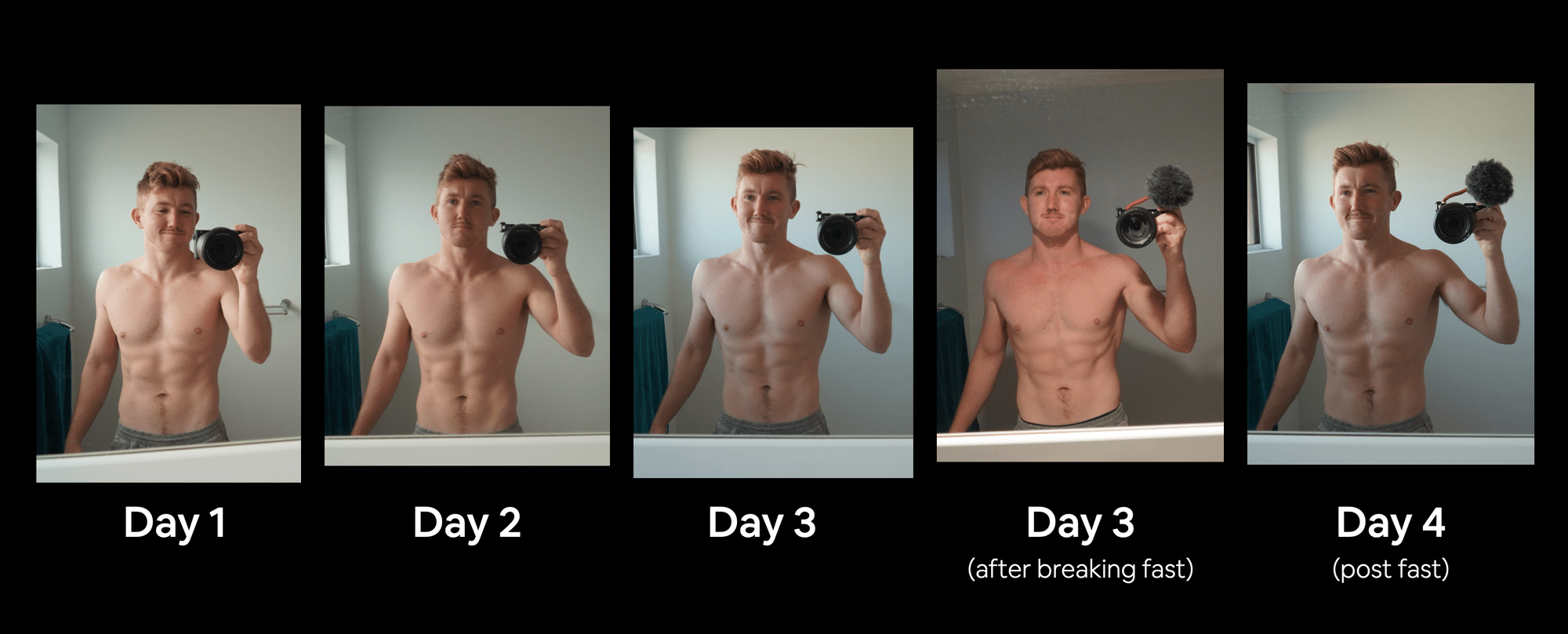
Transitioning to Post-Fasting Eating
Breaking your fast properly is crucial for a successful and healthy transition back to regular eating patterns. Start by introducing easily digestible foods such as fruits, vegetables, and lean proteins. Gradually reintroduce more complex foods, ensuring that your meals are balanced and meet your nutritional needs. Avoid overeating or indulging in unhealthy foods as this can lead to discomfort and weight regain. Pay attention to portion sizes and listen to your body’s signals of hunger and fullness.
Gradually Reintroducing Regular Foods
When breaking your fast, it is important to reintroduce regular foods gradually. Start with small portions and simple ingredients to allow your digestive system to readjust. Incorporate whole grains, healthy fats, and proteins over time as your body adapts. Be mindful of any potential digestive discomfort and adjust your food choices accordingly. Gradually reintroducing regular foods helps your body transition smoothly and minimizes any unwanted side effects.
Seeking Professional Guidance if Needed
If you have any doubts, concerns, or questions throughout your weight loss fast, it is imperative to seek professional guidance. Consulting with a healthcare professional or a registered dietitian can provide you with personalized advice and ensure that you are fasting in a safe and effective manner. They can assess your progress, address any nutrient deficiencies, and help you create a long-term plan for sustaining your weight loss results. Professional guidance can enhance your fasting experience and ensure that you achieve your desired goals in a healthy and sustainable way.
Potential Risks and Precautions
While weight loss fasting can be a beneficial approach for many individuals, there are potential risks and precautions to be aware of.
Contradictions and Medical Conditions
Certain medical conditions may contradict weight loss fasting or require close monitoring. Conditions like pregnancy, diabetes, eating disorders, or a history of disordered eating may make fasting unsafe or inappropriate. It is essential to consult with a healthcare professional to assess your individual situation and determine if weight loss fasting is right for you.
Effects on Blood Sugar Levels
Weight loss fasting can have an impact on blood sugar levels, especially for individuals with diabetes or those taking medications that affect blood sugar control. Regular blood sugar monitoring and close communication with your healthcare provider are essential during fasting to ensure safety and optimal blood sugar management. Adjustments to medication or meal timing may be necessary to prevent hypoglycemia or hyperglycemia.
Possible Nutrient Deficiencies
Fasting for an extended period, especially without proper nutrition, can lead to nutrient deficiencies. It is important to plan and prepare nutrient-dense meals before, during, and after your fast to ensure an adequate intake of essential vitamins, minerals, and macronutrients. If needed, consider incorporating high-quality supplements under the guidance of a healthcare professional to meet your nutritional needs while fasting.
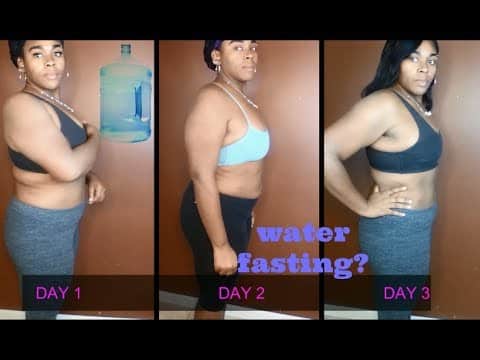
Mental and Emotional Considerations
Fasting can have mental and emotional effects, especially for individuals with a history of disordered eating or those prone to emotional eating. It is essential to approach weight loss fasting with a healthy mindset and proper emotional support. If you find that fasting evokes negative emotions or triggers disordered eating patterns, consult with a mental health professional who can provide the necessary guidance and support.
Monitoring and Maintaining Weight Loss Results
Effectively monitoring and maintaining weight loss results after your fast is crucial for sustaining your progress and achieving long-term success.
Evaluating the Effectiveness of the Fast
As you transition out of your fast, it is important to evaluate the effectiveness of your fasting experience. Assess the progress you have made towards your weight loss goals, as well as any improvements in your overall well-being. These evaluations can help you determine if any adjustments or modifications are needed moving forward.
Creating a Sustainable Post-Fasting Routine
Sustaining weight loss requires long-term lifestyle changes. After your fast, focus on creating a post-fasting routine that incorporates healthy eating habits, regular physical activity, and a balanced approach to wellness. Prioritize whole, unprocessed foods, and find a balance between indulging and moderating your food choices. Creating a sustainable routine will help you maintain your weight loss results and support your overall health and well-being.
Incorporating Exercise and Physical Activity
Incorporating exercise and physical activity into your routine is essential for maintaining weight loss. Engaging in regular physical activity not only supports weight management but also improves cardiovascular health, enhances mood, and increases muscle tone. Start by incorporating low-impact exercises and gradually increase the intensity and duration as your fitness levels improve. Aim for a combination of cardiovascular exercises, strength training, and flexibility exercises to achieve a well-rounded fitness routine.
Building a Support System
Building a support system is crucial for maintaining weight loss results. Surround yourself with individuals who support your health goals and understand the challenges you may face. Seek out friends, family, or online communities that share your interests in weight loss and overall well-being. Their encouragement, accountability, and shared experiences can help motivate you and provide valuable guidance throughout yourjourney.
Supplementing Your Weight Loss Fast
Supplementation during weight loss fasting should be approached with caution and professional guidance.
Understanding Different Fasting Supplements
Different fasting supplements are available in the market, with varying claims and ingredients. Some common fasting supplements include electrolyte powders, exogenous ketones, and fiber supplements. These supplements aim to support hydration, boost energy levels, or aid digestion during fasting. However, it is important to understand that supplements alone cannot replace a well-balanced diet or proper medical care.
Consulting with a Healthcare Professional
Before incorporating any fasting supplement, it is crucial to consult with a healthcare professional. They can assess your individual needs, evaluate the safety and efficacy of the supplement, and provide guidance on appropriate usage. Working with a professional ensures that you make informed decisions regarding supplementation and avoid any potential risks or interactions with medications.
Safety and Efficacy of Fasting Supplements
While some fasting supplements may offer potential benefits, their safety and efficacy vary. It is important to research and choose reputable brands that provide high-quality products. Look for supplements that have been tested for purity, meet regulatory standards, and have positive customer reviews. Remember that supplements should be used as an addition to a healthy diet and lifestyle, not as a replacement for nutritious foods.
Alternative Natural Supplements
If you prefer a more natural approach, there are alternative options to consider. Herbs and botanicals such as green tea, ginger, turmeric, and cinnamon have been used for centuries for their potential health benefits. These natural supplements may provide antioxidant properties, support digestion, or aid in managing blood sugar levels. However, always consult with a healthcare professional before incorporating any new supplement to ensure safety and compatibility with your individual needs.
Conclusion: The Impact of 3-Day Weight Loss Fasting
Weight loss fasting can be an effective tool for achieving short-term weight loss goals. However, sustained lifestyle changes and a personalized approach to fasting are essential for long-term success.
Short-Term and Long-Term Weight Loss Effects
A 3-day weight loss fast can lead to significant short-term weight loss results. By utilizing stored fat as an energy source, your body burns calories and promotes fat loss. However, it is important to recognize that long-term weight loss requires sustained healthy habits and lifestyle changes. Fasting alone is not a magic solution but can be a tool to kickstart your weight loss journey.
Sustained Lifestyle Changes
To maintain weight loss results, it is crucial to adopt and sustain healthy lifestyle changes. Incorporate habits such as regular exercise, balanced nutrition, portion control, and stress management. Utilize your fasting experience as a catalyst for building sustainable routines and healthy behaviors that support your overall well-being.
Finding Balance and Moderation
During and after your fast, finding a balance and moderation is key. Avoid extremes in your approach to food and exercise. Allow yourself to enjoy occasional treats in moderation, without guilt or restriction. Prioritize overall well-being rather than striving for perfection, and focus on creating a healthy relationship with food and your body.
Personalized Approach to Fasting
It is important to recognize that each individual’s journey is unique, and there is no one-size-fits-all approach to weight loss fasting. Listen to your body’s needs, work with healthcare professionals, and adjust your fasting routine based on your individual goals and circumstances. By personalizing your approach, you can optimize your fasting experience and achieve sustainable results.
Weight loss fasting can be an effective tool in your weight loss journey if approached with knowledge, preparation, and professional guidance. By understanding the concept of fasting, the metabolic changes that occur, and the potential benefits of weight loss fasting, you can make informed decisions about incorporating this practice into your lifestyle. Remember to set realistic goals, seek professional guidance when needed, and prioritize a balanced and sustainable approach to support your long-term success.