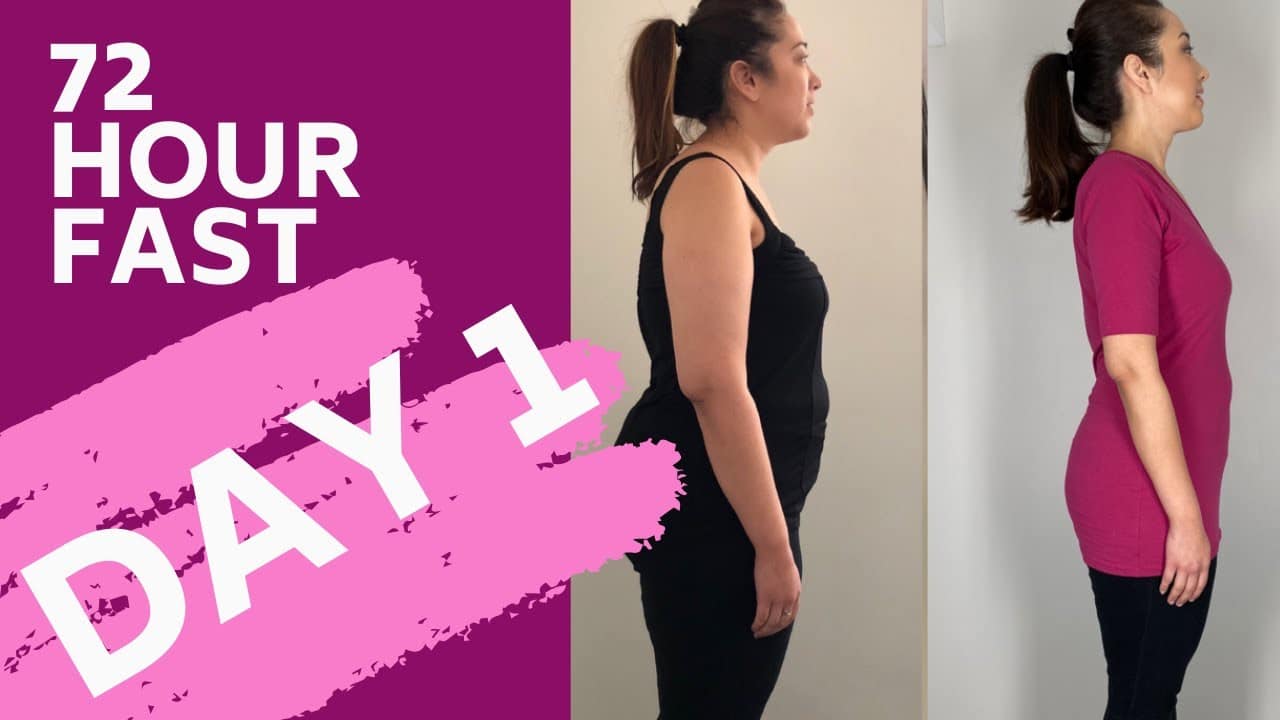
Have you ever considered the idea of fasting for weight loss? If so, you’re in for an interesting read! In this article, we will explore the concept of weight loss fasting for 72 hours and its potential benefits. Get ready to discover how a 72-hour fasting period can potentially kickstart your weight loss journey in a safe and healthy manner. So, grab a cup of tea, sit back, and let’s dive into the world of weight loss fasting!


Benefits of Weight Loss Fasting
Increased insulin sensitivity
One of the key benefits of weight loss fasting is increased insulin sensitivity. When you fast, your body becomes more efficient at using insulin to regulate blood sugar levels. This can be particularly beneficial for individuals with insulin resistance or type 2 diabetes. By improving insulin sensitivity, fasting can help prevent spikes in blood sugar and promote better overall health.
Enhanced fat burning
Weight loss fasting can also enhance fat burning in the body. When you enter a fasting state, your body begins to use stored fat as a source of energy, leading to weight loss. This process, known as ketosis, can be particularly effective for individuals looking to shed excess pounds and decrease body fat percentage. Fasting triggers your body to tap into its fat stores, allowing for more efficient and targeted weight loss.
Reduced inflammation
Inflammation is a common underlying factor in many chronic diseases, including obesity. Weight loss fasting has been shown to reduce inflammation in the body, which can have a positive impact on overall health. By reducing inflammation, fasting can help alleviate symptoms of conditions such as arthritis, asthma, and certain autoimmune disorders. It can also improve cardiovascular health and reduce the risk of heart disease.
Cellular repair and autophagy
During a fast, your body undergoes a process called autophagy, which is the natural process of cellular repair and regeneration. Autophagy helps remove damaged cells and stimulates the production of new, healthy cells. This can have a range of positive effects on the body, including improved immune function, increased longevity, and a reduced risk of age-related diseases such as Alzheimer’s and Parkinson’s. Fasting promotes autophagy and allows the body to repair and rejuvenate itself on a cellular level.
Preparing for a 72-Hour Weight Loss Fast
Consult with a healthcare professional
Before embarking on a 72-hour weight loss fast, it is crucial to consult with a healthcare professional. They can assess your individual health status and determine whether fasting is suitable for you. They can also provide guidance on how to approach the fast safely and effectively.
Choose the right time
Picking the right time to start your fast is important. It is best to choose a period when you have minimal obligations and stressors, as fasting can potentially impact your energy levels and mood. Consider selecting a weekend or a few days off work to allow yourself time to rest and adjust to the fasting process.
Manage your expectations
It’s essential to manage your expectations when it comes to weight loss fasting. While fasting can be an effective tool for weight loss, it’s not a magic solution. It’s important to have realistic goals and understand that the primary purpose of fasting is to promote overall health and well-being, with weight loss being a potential beneficial outcome.
Stock up on essential supplies
Before starting your 72-hour weight loss fast, make sure to stock up on essential supplies. This includes non-caloric beverages such as water, herbal tea, and electrolyte drinks to stay hydrated. Additionally, having distractions on hand, such as books, puzzles, or movies, can help keep your mind occupied during the fasting period.

Proper Hydration and Electrolyte Balance
Importance of staying hydrated
Staying hydrated is crucial during a 72-hour weight loss fast. Water is essential for maintaining bodily functions and promoting overall health. It helps regulate body temperature, aids digestion, and flushes out toxins. Dehydration can lead to fatigue, headaches, and dizziness, so it’s important to drink an adequate amount of water throughout the fast.
Choosing the right beverages
While water is the most important beverage during a fast, there are other options to consider. Herbal teas, such as chamomile or peppermint, can provide flavor and variety without adding calories. Electrolyte drinks, specifically formulated for fasting, can help replenish minerals and maintain electrolyte balance.
Maintaining electrolyte balance
Maintaining electrolyte balance is essential during a fast, as electrolytes play a vital role in various bodily functions. Sodium, potassium, calcium, and magnesium are among the key electrolytes to focus on. Electrolyte drinks or supplements can help ensure you maintain the proper balance and prevent imbalances that could lead to muscle cramps or weakness.
The Role of Exercise during a 72-Hour Fast
Light exercises for active individuals
For active individuals, incorporating light exercises into a 72-hour fast can be beneficial. Light cardio exercises such as walking, cycling, or swimming can help maintain muscle tone, improve circulation, and boost energy levels. It’s important to listen to your body and not overexert yourself during the fast.
Adaptation for sedentary individuals
If you are more sedentary or have not been regularly exercising, it’s advisable to adapt your exercise routine during the fast. Gentle stretching, yoga, or tai chi can help promote relaxation and maintain flexibility. Avoiding strenuous activities that could cause excessive stress on the body is crucial during a fast.
Avoiding excessive stress on the body
During a 72-hour fast, it’s essential to avoid excessive stress on the body. Intense workouts or high-impact activities can put additional strain on your body, particularly when you are not consuming solid foods. Instead, focus on low-impact exercises and activities that promote relaxation and gentle movement.

Nutritional Considerations during a 72-Hour Fast
Consumption of water and zero-calorie beverages
During a 72-hour weight loss fast, your primary source of hydration will be water. It is essential to drink an adequate amount of water throughout the fast to stay hydrated and support bodily functions. In addition to water, zero-calorie beverages such as herbal tea or flavored sparkling water can provide variety and additional hydration options.
Potential benefits of consuming black coffee or tea
Black coffee or tea, consumed without any additives or sweeteners, can have potential benefits during a fast. Both coffee and tea contain caffeine, which can help suppress hunger and boost metabolism. However, it’s important to ensure that coffee or tea is consumed in moderation, as excessive caffeine intake may have negative effects on sleep and well-being.
Avoiding high-calorie foods and drinks when breaking the fast
When breaking a 72-hour weight loss fast, it’s important to avoid consuming high-calorie foods and drinks immediately. Instead, opt for light, nutrient-dense options such as fresh fruits, vegetables, and lean proteins. Gradually reintroduce solid foods to your diet and listen to your body’s cues to determine when you are satisfied.
Monitoring and Managing Hunger
Understanding hunger cues
During a 72-hour fast, it’s normal to experience hunger pangs and cravings. Understanding and managing hunger cues is crucial to prevent overeating or breaking the fast prematurely. It’s important to differentiate between physical hunger and emotional cravings. Drink water, distract yourself with activities, and remind yourself of the long-term benefits of the fast when hunger strikes.
Keeping busy and distracted
One effective way to manage hunger during a 72-hour fast is to keep yourself busy and distracted. Engaging in activities that occupy your mind and body can help take your focus away from food. Try picking up a hobby, reading a book, or spending time with friends and family to keep your mind off hunger.
Practicing mindful eating after the fast
After completing a 72-hour weight loss fast, it’s important to practice mindful eating when reintroducing solid foods. Pay attention to your hunger and fullness cues, eat slowly, and savor each bite. Mindful eating allows you to fully appreciate your meals and can help prevent overeating or returning to unhealthy eating habits.
Addressing Potential Challenges and Side Effects
Feeling lethargic and low energy
Feeling lethargic and experiencing low energy levels can be a common challenge during a 72-hour fast. It’s important to listen to your body and rest when needed. Avoid any demanding physical or mental tasks that require high energy levels and be gentle with yourself during the fast.
Experiencing headaches or dizziness
Headaches or dizziness can occur during a fast, particularly if you are not adequately hydrated. Make sure to drink enough water and consider incorporating electrolyte drinks to maintain hydration and prevent these side effects. If the symptoms persist or worsen, it is advisable to consult with a healthcare professional.
Dealing with temporary changes in bowel movements
During a fast, you may experience temporary changes in bowel movements. This can include reduced frequency or loose stools. These changes are normal and often occur as a result of reduced food intake. However, if you experience severe or prolonged gastrointestinal issues, it is important to seek medical advice.
Safety Precautions and Contraindications
Not suitable for everyone
Weight loss fasting is not suitable for everyone. Individuals with underlying health conditions, such as diabetes, kidney disease, or compromised immune systems, should consult with a healthcare professional before attempting a 72-hour fast. Fasting can also be unsafe for individuals with a history of disordered eating or those who are pregnant or breastfeeding.
Pregnancy and breastfeeding
Pregnant women and breastfeeding mothers should not undertake a 72-hour weight loss fast. Fasting during these periods can deprive both the mother and baby of essential nutrients and can negatively impact their health. It is important to prioritize the health and well-being of both the mother and the baby during these critical periods.
Underlying health conditions
Individuals with underlying health conditions should exercise caution when fasting. Conditions such as diabetes, heart disease, or eating disorders can be exacerbated by fasting. It is crucial to consult with a healthcare professional who can assess your specific condition and provide guidance on whether fasting is safe for you.
Medication considerations
If you are taking medication, it is important to consider how fasting may affect its effectiveness or your ability to take it on an empty stomach. Some medications require food for proper absorption or may cause side effects on an empty stomach. Always consult with your healthcare professional to ensure that fasting will not interfere with your medication regimen.

Breaking the 72-Hour Fast Correctly
Gentle reintroduction of solid foods
When breaking a 72-hour weight loss fast, it’s important to reintroduce solid foods gradually. Start with small, easily digestible meals or snacks to give your digestive system time to adjust. This can include foods such as soups, smoothies, or steamed vegetables. Slowly increase the complexity and portion sizes of your meals over the course of a few days.
Starting with easily digestible foods
After a 72-hour fast, it’s best to start with easily digestible foods to avoid overwhelming your digestive system. Cooked vegetables, bone broth, or pureed soups can be good options to begin with. These foods provide essential nutrients while being gentle on your stomach and allowing your body to readjust to solid foods.
Gradually increasing portion sizes
As your body adapts to eating solid foods again, gradually increase the portion sizes of your meals. Listen to your body’s cues of hunger and fullness to guide your portion sizes. It’s important not to overeat or indulge in excessive amounts of food immediately after the fast, as this can lead to digestive discomfort.
Long-Term Weight Management Strategies
Creating a sustainable eating plan
While a 72-hour weight loss fast can jumpstart your weight loss journey, it’s essential to focus on long-term weight management strategies. Create a sustainable eating plan that includes a balance of nutrient-dense foods and allows for occasional indulgences. Avoid restrictive diets that are difficult to maintain and prioritize a balanced and varied approach to eating.
Incorporating regular physical activity
In addition to a healthy eating plan, regular physical activity plays a crucial role in long-term weight management. Aim for a combination of cardiovascular exercises, strength training, and flexibility exercises to maintain muscle mass, burn calories, and promote overall health. Find activities you enjoy and incorporate them into your daily routine.
Seeking support from professionals or groups
Achieving and maintaining weight loss requires support and guidance. Consider seeking support from healthcare professionals, such as registered dietitians or personal trainers, who can provide personalized advice and guidance. Additionally, joining support groups or seeking the support of friends and family can help keep you motivated and accountable on your weight loss journey.
In conclusion, a 72-hour weight loss fast can provide a range of benefits, including increased insulin sensitivity, enhanced fat burning, reduced inflammation, and cellular repair. It is important to adequately prepare for the fast, stay hydrated, consider exercise options, and make mindful nutritional choices. It’s crucial to address potential challenges and side effects, adhere to safety precautions, break the fast correctly, and focus on long-term weight management strategies. By incorporating these considerations, you can safely and effectively embark on a 72-hour weight loss fast to support your overall health and well-being.