Trying to lose weight quickly? Look no further! In this article, we will discuss effective methods to achieve fast weight loss. Whether you have an upcoming event or simply want to feel more confident in your own skin, these tips will help you reach your goals in no time. From making healthier food choices to incorporating exercise into your daily routine, we’ve got you covered. So, get ready to embark on a journey towards a fitter, healthier you!
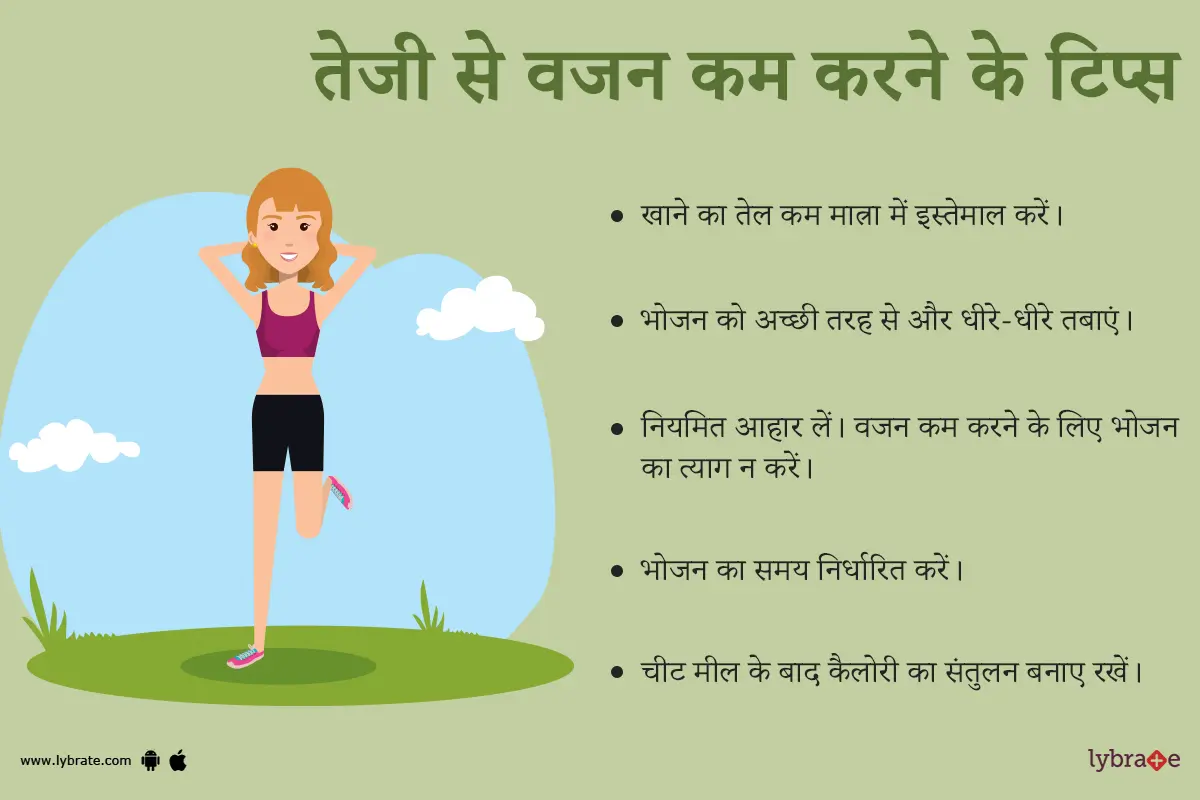

10 Tips for Fast Weight Loss
1. Set realistic goals
When it comes to weight loss, it’s important to set realistic goals for yourself. Instead of aiming for a drastic weight loss that may be difficult to achieve, focus on setting smaller, achievable goals. This will not only keep you motivated but also make the weight loss journey more manageable and sustainable in the long run.
2. Create a calorie deficit
One of the key principles of weight loss is creating a calorie deficit, which means consuming fewer calories than your body burns. This can be achieved through a combination of reducing your calorie intake and increasing your physical activity levels. Keep in mind that a pound of fat is roughly equivalent to 3,500 calories, so a reasonable goal is to aim for a calorie deficit of 500-1000 calories per day for steady weight loss.
3. Follow a balanced diet
A balanced diet is essential for maintaining overall health and promoting weight loss. Make sure to include a variety of nutrient-dense foods from all food groups, such as fruits, vegetables, whole grains, lean proteins, and healthy fats. This will not only provide you with essential nutrients but also help keep you satisfied and prevent cravings.
4. Cut back on processed foods
Processed foods are often high in added sugars, unhealthy fats, and empty calories, which can hinder your weight loss efforts. Try to minimize your intake of processed foods and focus on consuming whole, unprocessed foods instead. These foods are naturally lower in calories, higher in nutrients, and can help you feel more satisfied.
5. Increase protein intake
Protein plays a crucial role in weight loss as it helps to increase satiety, preserve muscle mass, and boost metabolism. Include good sources of protein in your meals, such as lean meats, poultry, fish, beans, lentils, tofu, and Greek yogurt. This will not only help you feel fuller for longer but also aid in muscle repair and recovery after exercise.
6. Stay hydrated
Drinking an adequate amount of water throughout the day is important for overall health and can support weight loss. Water helps to boost metabolism, suppress appetite, and promote the elimination of waste products from the body. Aim to drink at least 8 cups of water per day and consider replacing sugary beverages with water to cut down on unnecessary calories.
7. Include regular exercise
Regular physical activity is essential for weight loss as it helps to burn calories, build muscle, and improve overall fitness. Find activities that you enjoy and make them a part of your daily routine. Whether it’s going for a walk, jogging, cycling, swimming, or joining a fitness class, make sure to engage in at least 150 minutes of moderate aerobic exercise or 75 minutes of vigorous exercise per week.
8. Manage stress levels
Stress can have a negative impact on weight loss by triggering emotional eating and making it difficult to stick to healthy habits. Find healthy ways to manage stress, such as practicing mindfulness, engaging in relaxation techniques like deep breathing or yoga, or pursuing hobbies that bring you joy. Taking care of your mental well-being is just as important as taking care of your physical health.
9. Get enough sleep
Adequate sleep is crucial for weight loss as it helps to regulate hunger hormones, reduce cravings, and support overall health and well-being. Aim for 7-9 hours of quality sleep per night and establish a regular sleep schedule. Create a sleep-friendly environment by keeping your bedroom cool, dark, and quiet, and avoid caffeine and electronic devices before bed, as they can interfere with sleep quality.
10. Monitor progress
Keep track of your progress throughout your weight loss journey to stay accountable and motivated. Consider tracking your food intake, exercise routines, and measurements to assess how far you’ve come. This can help you identify any areas that may need adjustment and allow you to celebrate your achievements along the way.
Healthy Food Options for Weight Loss
1. Fruits and vegetables
Fruits and vegetables are low in calories and high in fiber, vitamins, and minerals. Incorporate a variety of colorful fruits and vegetables into your diet to add flavor, texture, and nutritional value to your meals. Opt for whole fruits instead of juices to benefit from their natural fiber content.
2. Whole grains
Choose whole grains like brown rice, quinoa, whole wheat bread, and oats, which are higher in fiber and nutrients compared to refined grains. Fiber helps to keep you full, aids in digestion, and can help prevent overeating.
3. Lean proteins
Include lean sources of protein in your diet, such as skinless chicken breast, turkey, fish, tofu, beans, and legumes. Protein not only helps to keep you full but also requires more energy for digestion, which can boost your metabolism.
4. Healthy fats
Incorporate healthy fats into your diet, such as avocados, nuts, seeds, olive oil, and fatty fish like salmon. These fats provide essential fatty acids, promote satiety, and help with nutrient absorption.
5. Low-fat dairy products
Choose low-fat or skim dairy products like milk, yogurt, and cheese to reduce your intake of saturated fats. These dairy products still provide essential nutrients like calcium and protein.
6. Nuts and seeds
Enjoy a handful of nuts and seeds as a snack or add them to your meals to increase satiety and provide healthy fats and protein. Choose unsalted varieties to limit your sodium intake.
7. Legumes and pulses
Legumes and pulses like lentils, chickpeas, and kidney beans are excellent sources of plant-based protein, fiber, and antioxidants. Incorporate them into soups, stews, salads, or main dishes for a nutritious boost.
8. Herbal teas
Swap sugary beverages with herbal teas to stay hydrated and satisfy your cravings. Herbal teas, like chamomile or peppermint, can provide a soothing effect and have potential health benefits.
9. Spices and herbs
Enhance the flavor of your dishes with spices and herbs like turmeric, cinnamon, ginger, garlic, and basil. These ingredients can add depth to your meals without the need for excessive salt, sugar, or unhealthy fats.
10. Healthy snacks
Choose healthy snacks, such as cut-up fruits, raw vegetables with hummus, Greek yogurt, air-popped popcorn, or homemade energy bars. These options are lower in calories and provide essential nutrients compared to processed snacks.


Effective Exercise Routines for Weight Loss
1. Cardiovascular exercises
Cardiovascular exercises, such as running, swimming, cycling, or dancing, help to elevate your heart rate and burn calories. Aim for at least 150 minutes of moderate-intensity cardio exercises or 75 minutes of vigorous-intensity cardio exercises per week.
2. High-intensity interval training (HIIT)
HIIT involves alternating between short bursts of high-intensity exercises and periods of rest. This type of workout can provide significant calorie burn and boost your metabolism even after you’ve finished exercising. Incorporate HIIT workouts into your routine 2-3 times per week.
3. Strength training
Strength training exercises, like lifting weights or using resistance bands, help to build lean muscle mass and increase your metabolic rate. Include strength training exercises 2-3 times per week, targeting all major muscle groups.
4. Circuit training
Circuit training involves performing a series of exercises one after another, targeting different muscle groups. This type of workout helps to improve cardiovascular fitness, build strength, and burn calories. Create a circuit training routine that incorporates both strength and cardio exercises.
5. Yoga and Pilates
Yoga and Pilates are excellent forms of exercise for improving flexibility, strength, and posture. These practices also promote relaxation and mindfulness, which can contribute to overall well-being and stress management.
6. Dance workouts
If traditional forms of exercise don’t appeal to you, consider trying dance workouts like Zumba, hip-hop, or salsa. Dance workouts are not only a fun way to get moving but also help to improve coordination, balance, and cardiovascular fitness.
7. Walking or jogging
Walking or jogging is a simple and accessible form of exercise that can be done anywhere. Aim for at least 30 minutes of brisk walking or jogging most days of the week to reap the benefits of aerobic exercise.
8. Cycling
Cycling is a low-impact exercise that helps to strengthen your leg muscles, improve cardiovascular fitness, and burn calories. Whether it’s cycling outdoors or using a stationary bike, make cycling a part of your fitness routine.
9. Swimming
Swimming is a full-body workout that is gentle on the joints. It helps to build endurance, improve cardiovascular health, and tone muscles. Consider joining a swimming class or incorporating swimming into your weekly exercise regimen.
10. Stair climbing
Stair climbing is a simple yet effective form of exercise that can be done anywhere with stairs. Whether you climb actual stairs or use a stair climber machine, this exercise helps to strengthen your legs and glutes, burn calories, and improve cardiovascular fitness.
The Importance of Portion Control
1. Use smaller plates
Using smaller plates can help you control portion sizes and prevent overeating. It creates the illusion of a fuller plate while reducing the amount of food you consume.
2. Measure your food
To accurately gauge portion sizes, use measuring cups or a food scale to measure your food. This will help you avoid guessing and consume appropriate serving sizes.
3. Read food labels
Reading food labels can provide valuable information about serving sizes and nutrient content. Pay attention to the serving size and make sure you’re aware of the calories and nutrients you’re consuming.
4. Eat mindfully
Be present and attentive while eating. Avoid distractions like watching TV or using electronic devices, as they can lead to mindless overeating. Focus on the flavors, textures, and enjoyment of your food.
5. Slow down while eating
Take your time while eating and chew your food thoroughly. Eating slowly allows your brain to register when you’re full, preventing you from overeating.
6. Avoid distractions
Minimize distractions during meal times, such as eating in front of the TV or computer. Instead, create a calm and relaxed environment to fully enjoy and savor your meals.
7. Control your portion sizes
Be mindful of portion sizes and avoid going back for seconds. Start with smaller portions and reassess your hunger levels before deciding if you need more.
8. Use portion control tools
Invest in portion control tools, such as portion control plates or containers, to help you visually estimate appropriate serving sizes. These tools can make portion control easier and more convenient.
9. Eat more frequently but in smaller quantities
Instead of having three large meals, consider eating smaller and more frequent meals throughout the day. This can help maintain stable blood sugar levels, prevent overeating, and keep your metabolism active.
10. Seek professional guidance
If you’re struggling with portion control, consider seeking guidance from a registered dietitian or nutritionist who can provide personalized advice and strategies to help you manage portion sizes effectively.
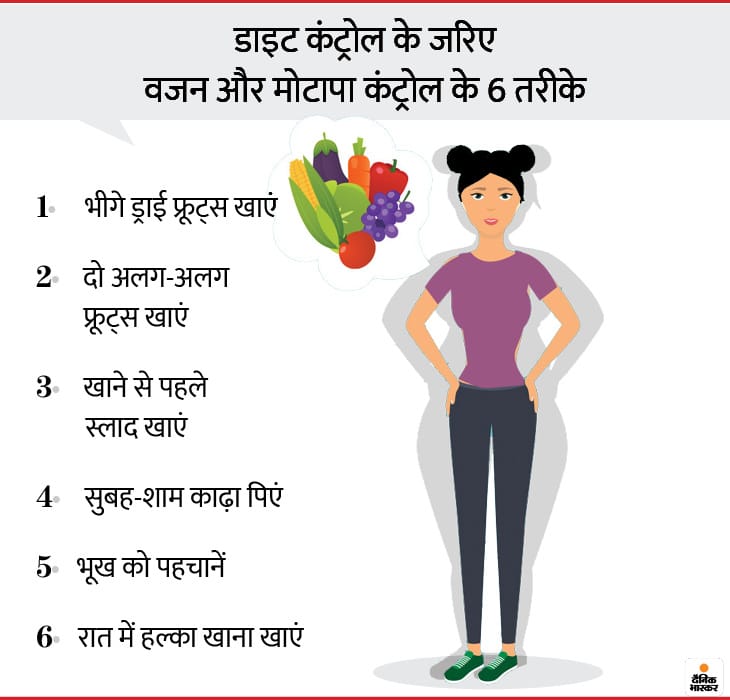
Lifestyle Changes for Weight Loss
1. Stay active throughout the day
Incorporate physical activity into your daily routine by choosing activities that keep you active throughout the day. This can include taking the stairs instead of the elevator, walking or biking instead of driving short distances, or standing rather than sitting whenever possible.
2. Avoid sedentary behavior
Minimize sedentary behavior, such as sitting or lying down for prolonged periods, as it can have negative effects on your health and weight. Make an effort to move and stretch regularly, even if it’s just for a few minutes every hour.
3. Limit alcohol consumption
Alcoholic beverages are often high in calories and can hinder weight loss efforts. Limit your alcohol consumption and choose lower-calorie options, such as light beer or spirits mixed with calorie-free mixers.
4. Quit smoking
Smoking not only affects your overall health but can also hinder your weight loss journey. Quitting smoking can lead to improved lung function, increased energy levels, and a decreased risk of weight gain.
5. Manage emotional eating
Emotional eating can sabotage weight loss efforts. Find alternative ways to cope with emotions, such as practicing stress-relief techniques, engaging in hobbies, or seeking support from friends and family.
6. Build a support system
Having a support system can greatly contribute to your weight loss success. Surround yourself with family and friends who support your goals and can provide encouragement and accountability.
7. Practice mindful eating
Practice mindful eating by paying attention to your hunger and fullness cues, eating slowly, and savoring each bite. This can help you develop a healthier relationship with food and prevent overeating.
8. Meal planning and preparation
Plan and prepare your meals in advance to have healthier options readily available. This can help you make better food choices, save time, and prevent impulsive and unhealthy eating.
9. Keep track of your progress
Monitor your progress by tracking your food intake, exercise routines, and weight loss goals. This can help you stay accountable and make necessary adjustments to your plan.
10. Stay motivated
Staying motivated is key to achieving and maintaining weight loss. Find ways to stay motivated, such as setting rewards for reaching milestones, finding a workout buddy, or joining online communities focused on weight loss and healthy living.
The Role of Sleep in Weight Loss
1. Get sufficient sleep
Prioritize getting sufficient sleep every night, as it plays a crucial role in weight loss and overall health. Aim for 7-9 hours of quality sleep per night to support optimal physical and mental well-being.
2. Maintain a regular sleep schedule
Establish a consistent sleep schedule by going to bed and waking up at the same time each day. This helps regulate your body’s internal clock and promotes better sleep quality.
3. Create a sleep-friendly environment
Make your sleep environment conducive to good sleep by keeping your bedroom cool, dark, and quiet. Use comfortable bedding and invest in a supportive mattress and pillows to optimize your sleep quality.
4. Avoid caffeine and electronic devices before bed
Avoid consuming caffeine and using electronic devices before bed, as they can interfere with your sleep quality. The stimulating effects of caffeine and the blue light emitted by electronic devices can disrupt your sleep-wake cycle.
5. Practice relaxation techniques
Incorporate relaxation techniques into your bedtime routine to promote better sleep. This can include activities like reading a book, taking a warm bath, practicing deep breathing exercises, or listening to calming music.
6. Seek medical advice for sleep disorders
If you suspect that you have a sleep disorder, such as sleep apnea or insomnia, it’s important to seek medical advice. Treating underlying sleep disorders can improve your sleep quality and support your weight loss goals.
7. Consider natural sleep aids
Natural sleep aids, such as herbal supplements like melatonin or chamomile tea, may help promote better sleep. Consult with a healthcare professional before trying any sleep aids to ensure they are safe and suitable for you.
8. Promote relaxation for better sleep
Engage in activities that promote relaxation throughout the day to prepare your body and mind for quality sleep. This can include meditation, yoga, gentle stretching, or taking short breaks to rest and recharge.
9. Prioritize sleep hygiene
Practice good sleep hygiene by implementing healthy habits and routines that promote better sleep. This includes avoiding large meals close to bedtime, limiting daytime napping, and creating a relaxing bedtime routine.
10. Monitor sleep quality
Monitor your sleep quality using sleep tracking apps or devices to gain insights into your sleep patterns. This can help you identify any disruptions or areas that need improvement, allowing you to make necessary adjustments for better sleep.
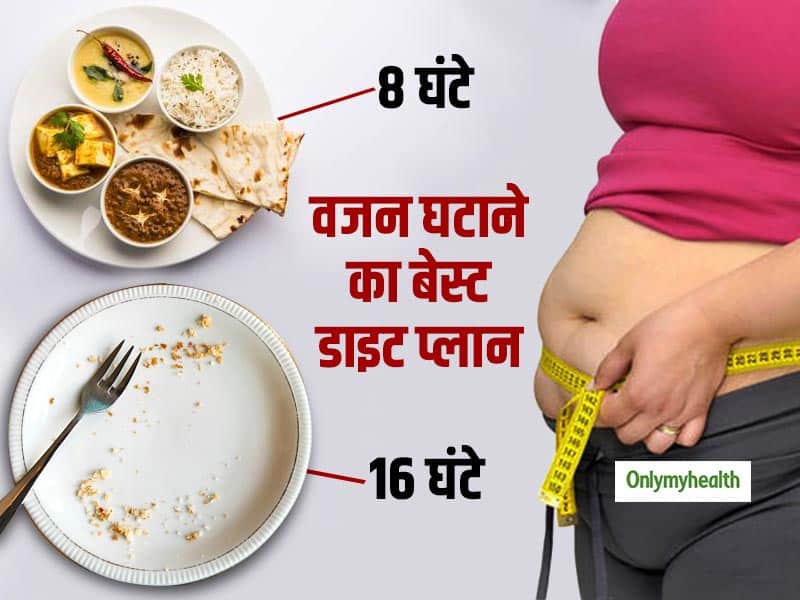
Water – Your Weight Loss Ally
1. Drink enough water
Drinking enough water is crucial for weight loss as it keeps you hydrated, helps control appetite, and supports healthy bodily functions. Aim to drink at least 8 cups (64 ounces) of water per day, or more if you’re physically active or in hotter climates.
2. Increase water intake before meals
Drinking a glass of water before meals can help you feel fuller, which may prevent overeating. Additionally, it helps ensure adequate hydration throughout the day.
3. Replace sugary drinks with water
Cutting out sugary beverages and replacing them with water can significantly reduce your caloric intake. Sugary drinks, such as soda or fruit juices, are often high in calories and can contribute to weight gain.
4. Stay hydrated during exercise
During exercise, it’s important to stay properly hydrated to support your performance and recovery. Drink water before, during, and after your workouts to replenish fluids lost through sweat.
5. Flavor water with herbs or fruits
If plain water is not your preference, add flavor to your water by infusing it with herbs, fruits, or vegetables. For example, you can add slices of cucumber, lemon, or mint leaves to create a refreshing and tasty option.
6. Use a water tracking app
Consider using a water tracking app or setting reminders to help you stay on track with your hydration goals. These tools can provide gentle nudges to drink water throughout the day.
7. Make water easily accessible
Keep a water bottle or glass of water within reach throughout the day to make it easier to stay hydrated. Having water readily available will serve as a reminder to drink and make it a convenient choice.
8. Set reminders to drink water
If you often forget to drink enough water, set reminders on your phone or computer to prompt you to take water breaks at regular intervals. Small reminders can make a big difference in staying hydrated.
9. Carry a water bottle with you
Invest in a reusable water bottle that you can carry with you wherever you go. Having a water bottle with you makes it easy to hydrate on the go and helps you avoid relying on sugary drinks when you’re thirsty.
10. Listen to your body’s thirst cues
Pay attention to your body’s thirst signals and drink water whenever you feel thirsty. Thirst is your body’s way of telling you that it needs hydration, so listen to it and drink up.
Weight Loss Plateaus and How to Overcome Them
1. Understand weight loss plateaus
Weight loss plateaus are common and occur when your weight stops decreasing despite continued efforts. This can be frustrating, but it’s important to understand that plateaus are a normal part of the weight loss journey and can be overcome.
2. Reevaluate your goals
During a weight loss plateau, it’s helpful to reassess your goals and expectations. Are your goals realistic and sustainable? Are you making healthy lifestyle changes for the long term? Adjust your mindset and focus on overall health and well-being rather than just the number on the scale.
3. Adjust your calorie intake
As you lose weight, your calorie needs may change. If you’ve hit a plateau, consider reevaluating your calorie intake. You might need to reduce your calorie intake slightly to create a new calorie deficit and continue losing weight.
4. Change your exercise routine
If you’ve been following the same exercise routine for a while, your body may have adapted to it. Shake things up by trying new exercises, increasing the intensity or duration of your workouts, or incorporating resistance training to challenge your muscles and break through the plateau.
5. Add variety to your diet
Eating the same foods can get monotonous and may contribute to a weight loss plateau. Introduce new healthy foods into your diet to add variety and keep things interesting. Experiment with different recipes, flavors, and cooking methods to reignite your enthusiasm for healthy eating.
6. Keep a food and exercise diary
Tracking your food intake and exercise routine can provide valuable insights into potential reasons for a weight loss plateau. It can help you identify any hidden sources of calories or areas where you can make improvements to get back on track.
7. Stay consistent with healthy habits
Consistency is key when it comes to weight loss. Even if you’re not seeing immediate results, sticking to your healthy habits is important for long-term success. Trust the process, stay consistent, and remember that small, sustainable changes add up over time.
8. Stay positive and motivated
Maintaining a positive mindset is crucial during a weight loss plateau. Instead of getting discouraged, focus on how far you’ve come and celebrate non-scale victories, such as increased energy levels, improved fitness, or better sleep. Surround yourself with positive influences and find sources of motivation to keep you going.
9. Celebrate non-scale victories
Weight loss is not just about the number on the scale. Celebrate non-scale victories, such as fitting into smaller clothes, feeling more confident, or achieving fitness milestones. These victories highlight the positive changes you’ve made and can help you stay motivated.
10. Consider consulting a professional
If you’re struggling to overcome a weight loss plateau on your own, consider seeking guidance from a registered dietitian, personal trainer, or weight loss specialist. They can provide expert advice and personalized strategies to help you navigate through plateaus and reach your weight loss goals.

Healthy Habits for Sustainable Weight Loss
1. Focus on long-term lifestyle changes
Instead of focusing solely on short-term weight loss, shift your mindset to long-term lifestyle changes. Sustainable weight loss comes from adopting healthy habits and making them a part of your daily routine.
2. Practice portion control
Portion control is essential for weight management. Be mindful of your portion sizes, listen to your body’s hunger and fullness cues, and avoid overeating.
3. Eat mindfully
Practice mindful eating by savoring each bite, chewing slowly, and paying attention to your body’s signals of fullness. This can help prevent overeating and foster a healthier relationship with food.
4. Stay physically active
Regular physical activity is important not only for weight loss but also for overall health and well-being. Find activities that you enjoy and make them a part of your daily routine.
5. Find enjoyable forms of exercise
Exercise doesn’t have to be a chore. Find activities that you enjoy, whether it’s dancing, hiking, playing a sport, or taking fitness classes. When you enjoy the exercise you’re doing, you’re more likely to stick with it.
6. Prioritize self-care
Self-care is important for maintaining a healthy body and mind. Make time for activities that help you relax, de-stress, and recharge, such as taking a bath, practicing yoga, meditating, or spending time in nature.
7. Surround yourself with support
Having a strong support system can greatly contribute to your weight loss success. Surround yourself with family, friends, or a support group who share your goals and can provide encouragement and accountability.
8. Celebrate progress
Acknowledge and celebrate your progress along the way. Whether it’s reaching a milestone, fitting into a smaller size, or sticking to your healthy habits, take the time to reward yourself and acknowledge your achievements.
9. Embrace healthy indulgences
Allow yourself occasional treats and indulgences in moderation. Completely depriving yourself of your favorite foods can lead to feelings of restriction and may hinder long-term success. Find a balance between enjoying your favorite treats and making healthier choices most of the time.
10. Strive for balance, not perfection
Perfection is not realistic or sustainable. Strive for balance in your diet and lifestyle, recognizing that not every day will be perfect. Focus on progress rather than perfection and be kind to yourself throughout the weight loss journey.
Seeking Professional Advice for Weight Loss
1. Consult a registered dietitian
A registered dietitian can provide personalized recommendations based on your individual needs and goals. They can design a tailored meal plan, guide you on portion control, and help you navigate through any obstacles you may face during your weight loss journey.
2. Work with a personal trainer
A personal trainer can create a customized exercise program tailored to your specific needs and goals. They can teach you proper form, provide motivation, and help you stay accountable to your fitness routine.
3. Visit a weight loss clinic
Weight loss clinics often offer comprehensive programs and services to support individuals in their weight loss efforts. They may provide medical supervision, nutrition counseling, exercise guidance, and behavioral therapy.
4. Consider behavioral therapy
Behavioral therapy can be beneficial for addressing the underlying psychological factors contributing to weight gain and promoting long-term behavior change. A therapist specialized in weight management can help you develop healthy habits, address emotional eating, and build a positive relationship with food.
5. Explore medical interventions
In certain cases, medical interventions may be considered for weight loss. These may include prescription medications, weight loss surgeries, or other medical procedures. These options should always be discussed with a healthcare provider or specialist.
6. Join a support group
Joining a support group can provide you with a supportive community of individuals who are going through similar experiences. Sharing your challenges, successes, and strategies with others can enhance your motivation and provide valuable insights.
7. Talk to your healthcare provider
Make sure to consult with your healthcare provider before making any significant changes to your diet or exercise routine, especially if you have any underlying medical conditions or take medications that may be affected.
8. Research evidence-based programs
When seeking professional advice, look for evidence-based programs or professionals who have the appropriate credentials and experience. Research their qualifications, testimonials, and success rates to ensure you’re receiving reliable and effective guidance.
9. Be wary of quick-fix solutions
Be cautious of weight loss programs or products that promise quick and effortless results. Sustainable weight loss requires time, effort, and a holistic approach that incorporates healthy lifestyle changes.
10. Choose a method that aligns with your goals
Consider your personal goals, preferences, and lifestyle when seeking professional advice. Choose a method or program that aligns with your specific needs and supports your long-term success. Remember, what works for one person may not work for everyone, so finding the right fit for you is essential.