Are you struggling to put on weight? Do you want to understand the underlying reasons behind your difficulty in gaining weight quickly? Look no further! This article sheds light on the various factors that can contribute to a sluggish weight gain process. Whether it’s a high metabolism, inadequate calorie intake, or other physiological factors, we’ll explore the reasons that may be hindering your journey towards your desired weight. So, sit back, relax, and get ready to uncover the secrets behind weight gain fast.

Poor Diet
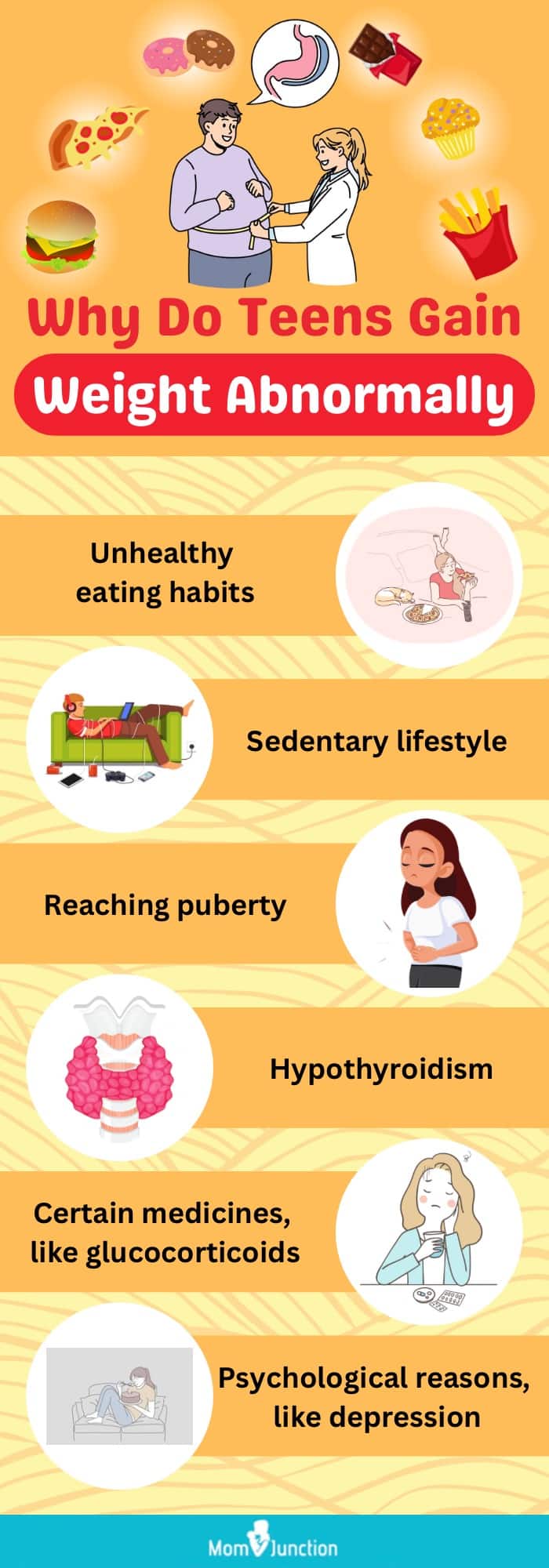
Having a poor diet can be one of the major contributing factors to weight gain. This includes consuming a high intake of processed foods, which are often loaded with unhealthy fats, sugars, and additives. These processed foods tend to be calorie-dense but nutrient-poor, meaning they provide little nutritional value while packing in excessive calories.
In addition, the excessive consumption of sugary drinks can also contribute to weight gain. Beverages like soda, fruit juice, and energy drinks are often packed with added sugars, which can lead to an increase in calorie intake without providing any nutritional benefits. These sugary drinks can easily contribute to weight gain if consumed in excess, as their high sugar content can cause spikes in blood sugar levels and lead to a subsequent crash in energy levels.
Moreover, a lack of nutritious foods in the diet can also contribute to weight gain. Nutrient-rich foods, such as fruits, vegetables, lean proteins, and whole grains, provide essential vitamins, minerals, and fiber that support overall health and help to regulate appetite. When these nutritious foods are lacking in the diet, it can lead to overeating and increased calorie intake, ultimately resulting in weight gain.
Sedentary Lifestyle
Living a sedentary lifestyle, characterized by a lack of physical activity and prolonged sitting or desk jobs, is another major factor that can contribute to weight gain. When you don’t engage in regular physical activity, your body burns fewer calories, making it easier to consume more calories than you burn.
A lack of physical activity means that you are not expending much energy, which can lead to weight gain over time. Regular exercise not only helps to burn calories but also boosts metabolism, improves muscle tone, and supports overall health. Without regular physical activity, your body’s ability to maintain a healthy weight may be compromised.
Additionally, if your job requires long hours of sitting or if you spend a significant amount of time sitting for leisure activities, this can also contribute to weight gain. Prolonged sitting has been linked to a decrease in calorie expenditure and a higher risk of weight gain. It is important to incorporate movement and activity into your daily routine to counteract the negative effects of prolonged sitting.

Emotional Factors
Emotional factors can have a significant impact on weight gain as well. Stress and emotional eating are closely linked, as many people turn to food as a way to cope with negative emotions or relieve stress. This can lead to overeating or binge eating episodes, which can result in excessive calorie intake and weight gain.
Furthermore, individuals who suffer from depression may also engage in binge eating as a way to cope with their emotions. This can create a vicious cycle, as weight gain can contribute to feelings of low self-esteem and worsen depressive symptoms. Finding healthier coping mechanisms for stress and emotional difficulties is crucial to maintaining a healthy weight.
Medications
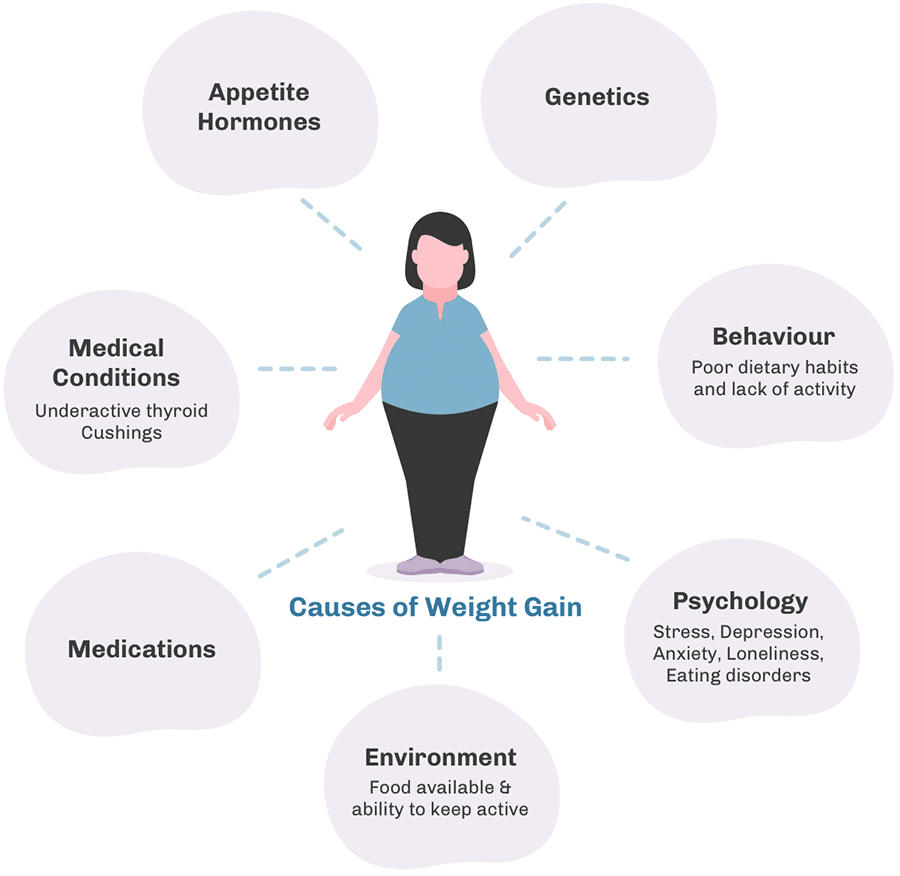
Certain medications can also contribute to weight gain as a side effect. Antidepressants and mood stabilizers, commonly prescribed to treat mental health conditions, have been known to cause weight gain in some individuals. This weight gain can be attributed to various factors, including increased appetite, changes in metabolism, or alterations in the way the body stores fat.
Similarly, steroids and hormone-based medications, such as those prescribed for certain medical conditions, can also contribute to weight gain. These medications can affect hormone levels and metabolism, resulting in an increased appetite and weight gain.
In addition, some medications can directly increase appetite, leading to overeating and subsequent weight gain. It is important to discuss any concerns about medication-related weight gain with your healthcare provider, as they can provide guidance and potentially explore alternative treatment options.
Medical Conditions
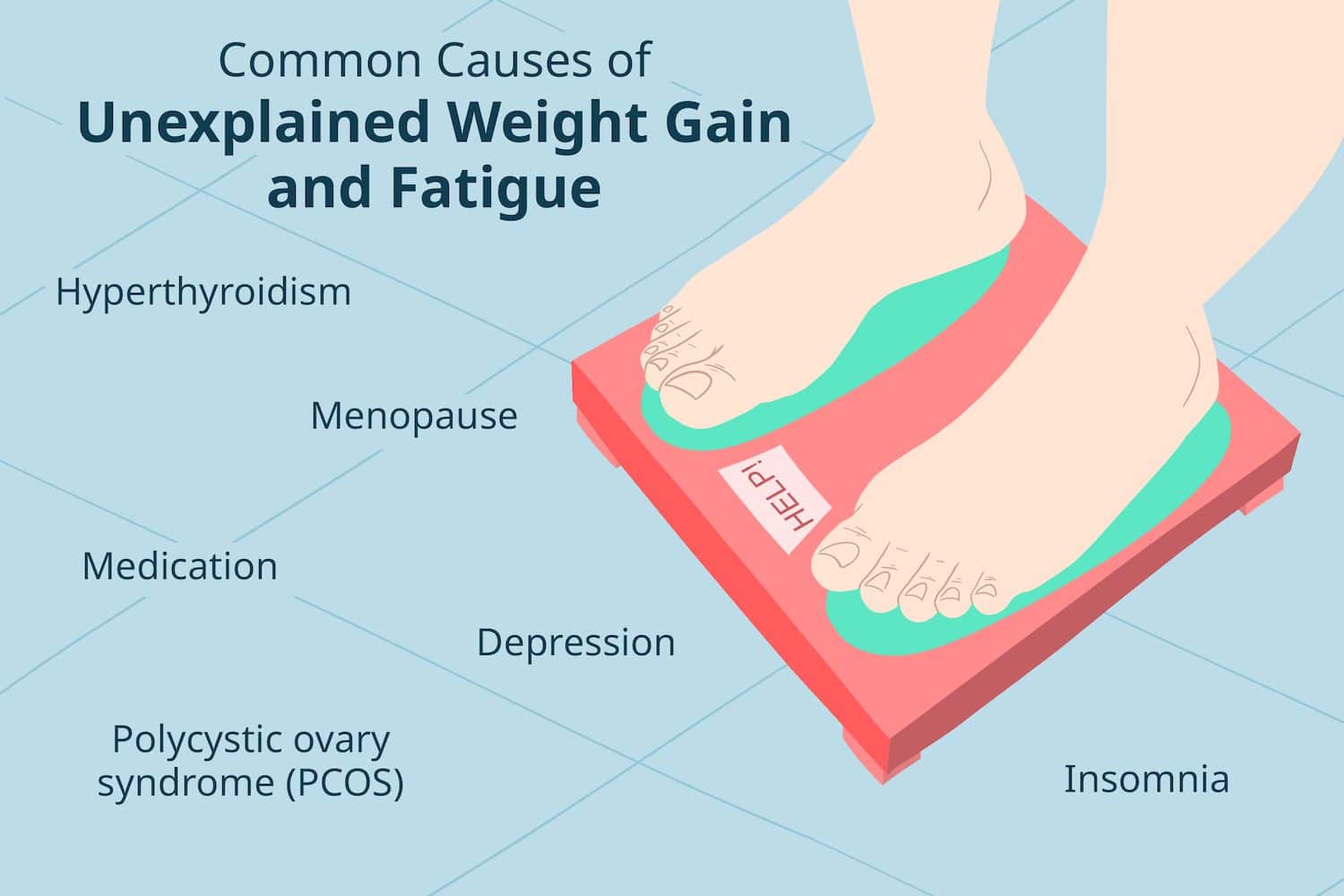
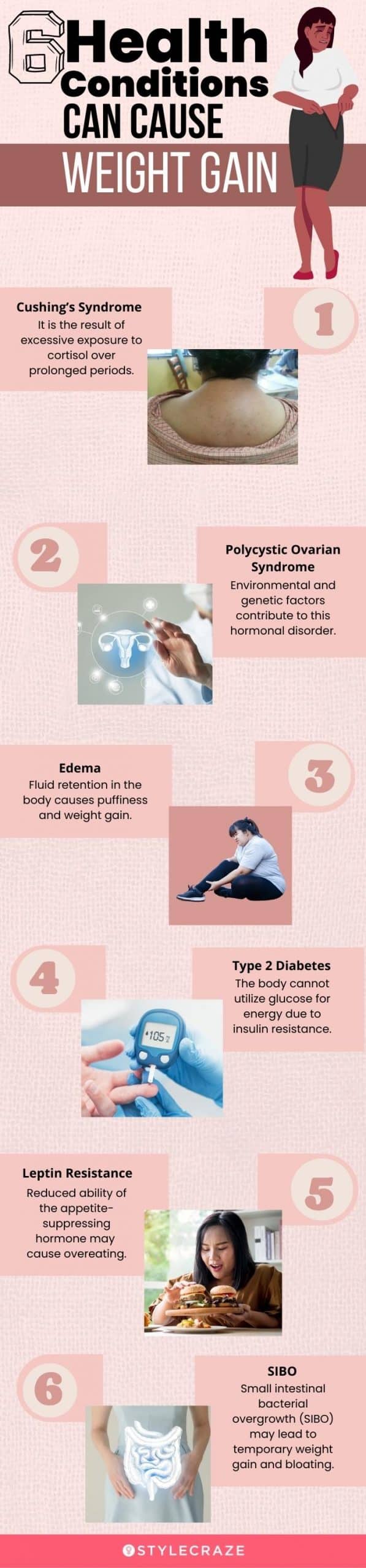
Certain medical conditions can contribute to weight gain as well. Hypothyroidism, for example, is a condition where the thyroid gland does not produce enough thyroid hormones, leading to a slower metabolism. This can result in weight gain, despite not consuming excessive calories.
Similarly, polycystic ovary syndrome (PCOS), a hormonal disorder, can also lead to weight gain. PCOS is characterized by insulin resistance and hormonal imbalances, both of which can affect the body’s ability to regulate weight and metabolism.
Additionally, Cushing’s syndrome, a condition characterized by an excess of cortisol in the body, can also cause weight gain. Cortisol is a hormone that regulates metabolism and helps to store fat. When cortisol levels are elevated, the body may store more fat, leading to weight gain.
Genetics
Genetics can play a role in weight gain as well. If you have a family history of obesity, you may be more predisposed to weight gain. Genetic factors can influence metabolism, appetite regulation, and fat storage, making it more difficult to maintain a healthy weight.
Moreover, some individuals may have a genetic predisposition to weight gain, meaning their bodies are more prone to storing excess fat and may have a slower metabolism. While genetics can play a role, it is important to remember that lifestyle factors, such as diet and exercise, still have a significant impact on weight management.
Aging
As you age, certain changes occur in the body that can contribute to weight gain. One factor is a decrease in muscle mass, often referred to as sarcopenia. Muscle is more metabolically active than fat, so a decrease in muscle mass can result in a slower metabolism and fewer calories burned at rest.
Additionally, as you age, your metabolism naturally slows down. This can make it easier to gain weight, as your body is not burning calories as efficiently as it once did. This is why it is important to adjust your diet and exercise routine to accommodate for these changes as you get older.
Furthermore, hormonal changes that occur with aging can also contribute to weight gain. For example, menopause in women is associated with a decrease in estrogen levels, which can lead to an increase in abdominal fat and a decrease in muscle mass.
Hormonal Imbalances
Hormonal imbalances can disrupt the body’s natural weight regulation mechanisms and contribute to weight gain. Insulin resistance, for example, occurs when the body’s cells become less responsive to the hormone insulin, which is responsible for regulating blood sugar levels. Insulin resistance can lead to weight gain, particularly around the abdomen.
Leptin resistance is another hormonal imbalance that can contribute to weight gain. Leptin is a hormone that regulates appetite and signals feelings of fullness. When the body becomes resistant to the effects of leptin, it can lead to overeating and increased calorie intake.
Furthermore, low levels of thyroid hormones, known as hypothyroidism, can also contribute to weight gain. The thyroid hormones are responsible for regulating metabolism, so a deficiency can result in a sluggish metabolism and weight gain.
Lack of Sleep
Getting an adequate amount of sleep is essential for maintaining a healthy weight. Disruption of appetite-regulating hormones, such as ghrelin and leptin, can occur when you don’t get enough sleep. Ghrelin is responsible for stimulating appetite, while leptin signals feelings of fullness. When these hormones are disrupted, it can result in increased cravings for unhealthy, high-calorie foods.
Moreover, lack of sleep can lead to reduced energy expenditure throughout the day. When you are sleep-deprived, you are more likely to feel tired and less inclined to engage in physical activity. This can lead to decreased calorie burn and an increased risk of weight gain over time.
Social Influence
Social factors can also contribute to weight gain. Peer pressure to consume high-calorie foods or engage in unhealthy eating habits can make it difficult to maintain a healthy weight. Oftentimes, social gatherings and events revolve around food, and it can be challenging to resist the temptation to overeat or indulge in unhealthy options.
Cultural norms that promote overeating or placing an emphasis on large portion sizes can also contribute to weight gain. These cultural norms can influence eating habits and make it difficult to maintain a healthy balance.
Additionally, increased eating out or socializing can lead to greater exposure to calorie-dense foods and make it more challenging to control portion sizes. It is important to be mindful of the social influence on eating habits and make conscious choices to prioritize health and moderation.
In conclusion, there are numerous factors that can contribute to weight gain, ranging from poor diet and a sedentary lifestyle to emotional factors, medications, medical conditions, genetics, aging, hormonal imbalances, lack of sleep, and social influence. It is important to understand and address these factors to maintain a healthy weight and overall well-being. By adopting a balanced diet, engaging in regular physical activity, managing stress and emotions in a healthy way, and seeking medical guidance when needed, you can take control of your weight and improve your overall health. Remember, small changes can make a big difference, so start making positive changes today!