
Have you ever wondered why some people seem to effortlessly maintain a healthy weight while others struggle? The answer may lie in the fascinating world of hormones. In this article, we will explore how hormones play a crucial role in weight management. From regulating appetite to influencing metabolism, these intricate chemical messengers have a profound impact on our bodies. By understanding the intricate dance between our hormones and weight, we can make better choices to achieve and maintain a balanced and healthy lifestyle. So, let’s embark on this enlightening journey to unravel the secrets behind the role of hormones in weight management.
Hormones and Weight Management
Hormones play a crucial role in weight management, influencing various aspects of our bodies that impact our appetite, metabolism, fat storage, and overall weight. Understanding how hormones affect our weight can be key to achieving and maintaining a healthy weight. In this article, we will explore the role of hormones in weight regulation, the effects of hormones on appetite, metabolism, and fat storage, as well as their impact on weight loss and weight gain. We will also discuss how hormonal imbalances can affect weight management, the connection between hormones and food cravings, and how hormonal changes during different stages of life can impact our weight.
Role of Hormones in Weight Regulation
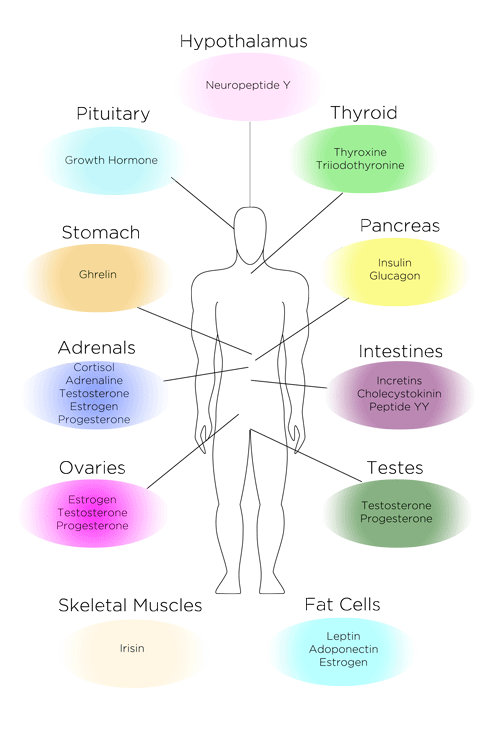
Hormones act as messengers in our bodies, transmitting signals that regulate a wide range of physiological processes, including weight regulation. Certain hormones play specific roles in appetite regulation, metabolism, and fat storage, influencing our overall weight.
Effects of Hormones on Appetite
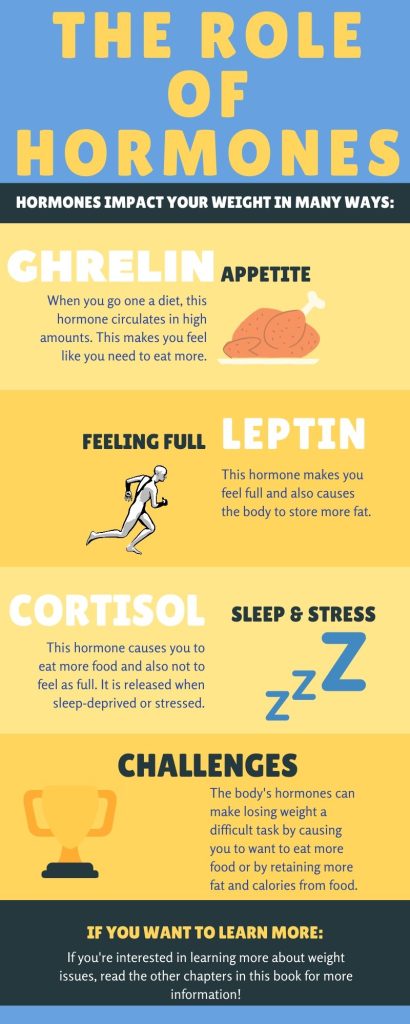
Hormones such as leptin, ghrelin, insulin, cortisol, and peptide YY (PYY) play significant roles in appetite regulation. Leptin, often referred to as the “satiety hormone,” is produced by fat cells and signals to the brain that we are full. On the other hand, ghrelin, known as the “hunger hormone,” stimulates appetite and signals to the brain that it’s time to eat. Insulin, in addition to its role in blood sugar regulation, also affects appetite by signaling satiety to the brain. Cortisol, the hormone released in response to stress, can also influence appetite, leading to increased food consumption. Peptide YY (PYY) is released by the digestive system and helps regulate appetite by signaling fullness.
Effects of Hormones on Metabolism
Metabolism refers to the process by which our bodies convert food into energy. Hormones such as thyroid hormones, adiponectin, testosterone, and estrogen play important roles in metabolic regulation. Thyroid hormones, primarily T3 and T4, control our basal metabolic rate, which is the rate at which our bodies burn calories at rest. Adiponectin, primarily produced by fat cells, helps regulate glucose and lipid metabolism. Testosterone, predominantly found in males but also present in females, promotes muscle growth, which can increase metabolic rate. Estrogen, predominantly found in females, also influences metabolic rate, particularly during the menstrual cycle and pregnancy.
Effects of Hormones on Fat Storage
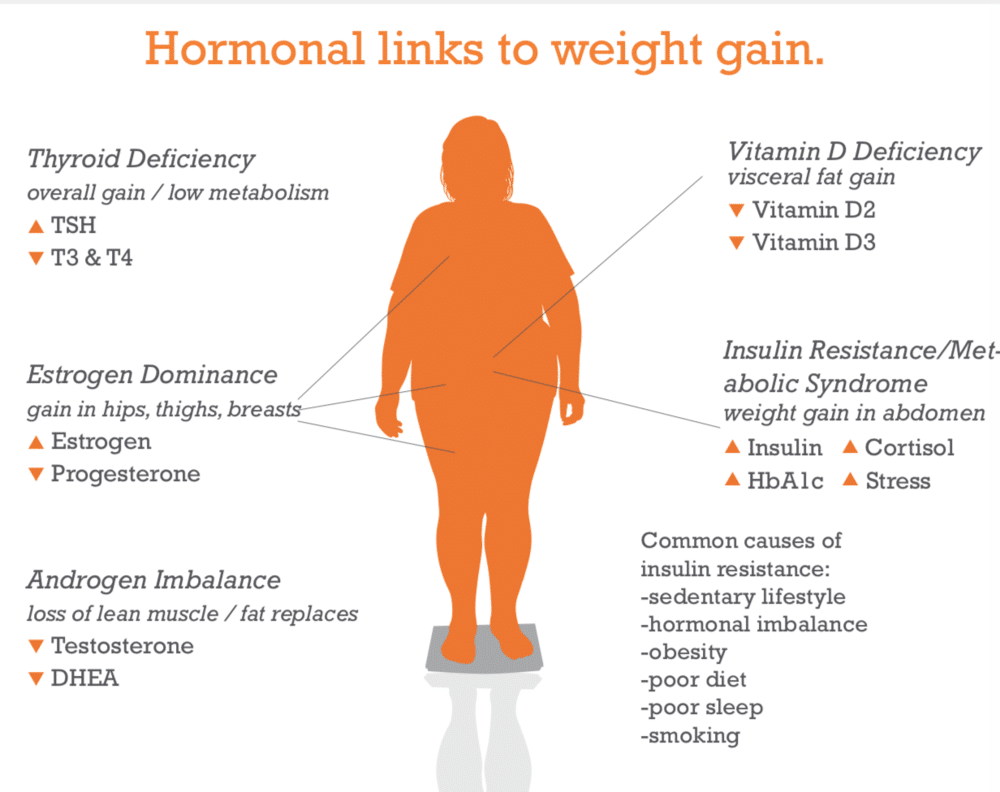
Hormones can also impact the storage and distribution of fat in our bodies. Insulin, produced by the pancreas, plays a significant role in fat storage by promoting the uptake and storage of glucose in fat cells. Cortisol, released during stress, can also contribute to fat storage, especially in the abdominal area. Estrogen, in addition to its role in reproductive health, affects fat distribution, leading to differences in body shape between males and females.
Hormones and Weight Loss
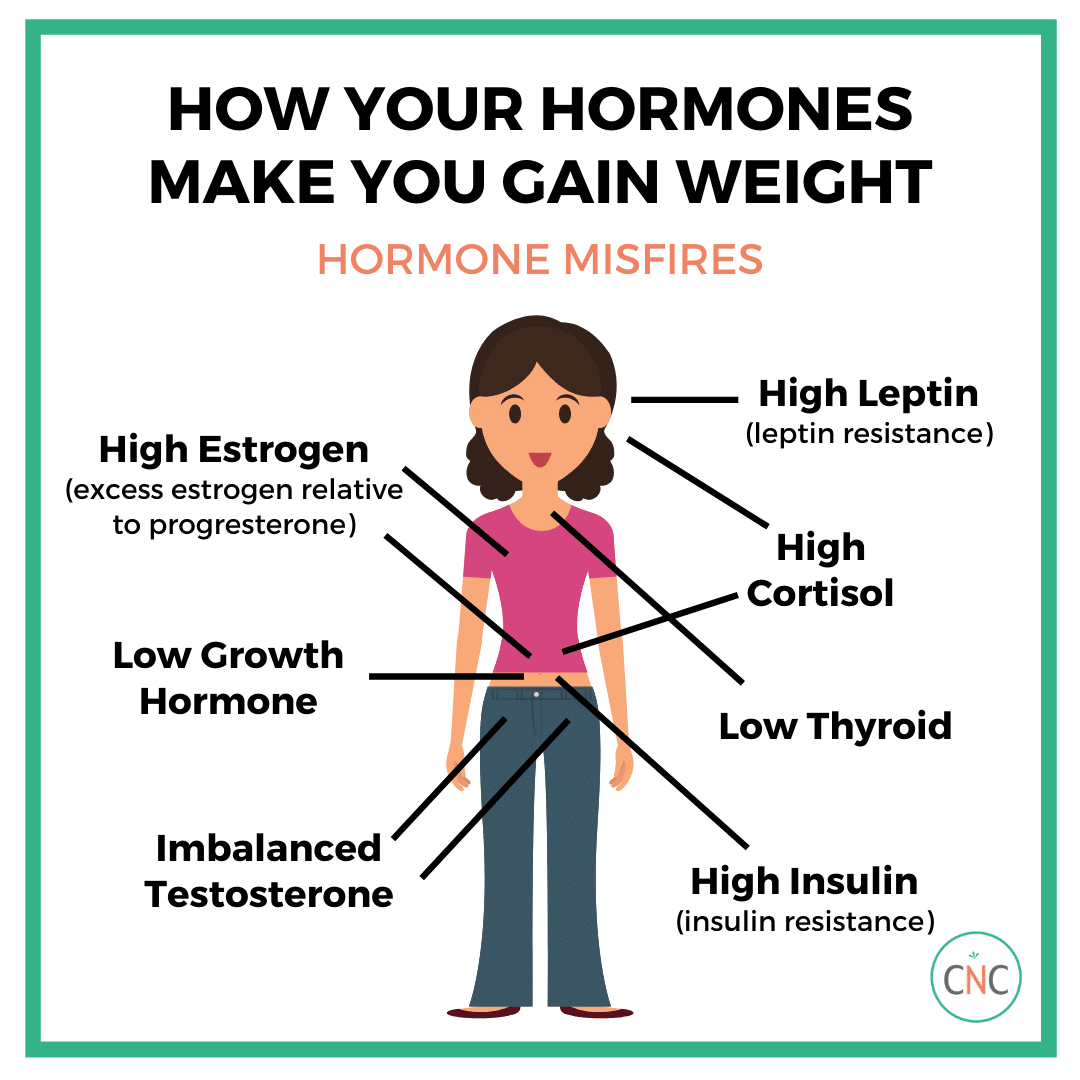
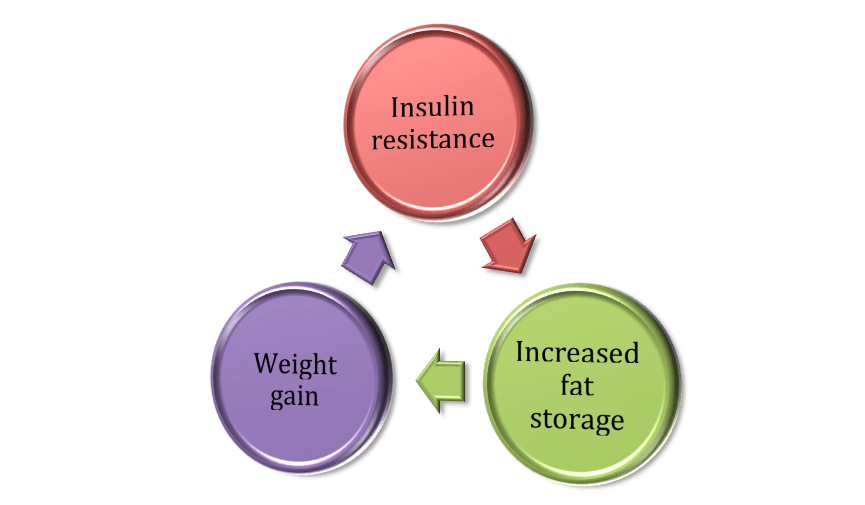
When it comes to weight loss, hormones can either aid or hinder our efforts. Leptin resistance, a condition where the body becomes less responsive to leptin, can make it more difficult to lose weight, as the brain does not receive signals of satiety effectively. Insulin resistance, often associated with conditions like type 2 diabetes, can also hinder weight loss efforts. Imbalances in cortisol levels can contribute to weight gain and make it harder to shed pounds. Thyroid dysfunction, such as hypothyroidism, can slow down metabolism, making weight loss more challenging. It’s important to address any hormonal issues to optimize weight loss efforts.
Hormones and Weight Gain
Hormonal imbalances can also contribute to weight gain. Leptin sensitivity, where the body becomes overly responsive to leptin, can lead to increased appetite and weight gain. Insulin resistance, as mentioned earlier, can promote weight gain by impairing the body’s ability to regulate blood sugar levels and store excess glucose as fat. Cortisol imbalances, often associated with chronic stress, can lead to weight gain, particularly in the abdominal area. Thyroid dysfunction, such as hyperthyroidism, can increase metabolic rate and result in unintended weight gain.
How Hormonal Imbalances Affect Weight Management
Hormonal imbalances can significantly impact weight management. Various factors can contribute to hormonal imbalances, including chronic stress, inadequate sleep, poor diet, sedentary lifestyle, certain medical conditions, and aging. When hormones are out of balance, it can disrupt our appetite regulation, metabolism, and fat storage, making it more challenging to maintain a healthy weight. It is crucial to address any hormonal imbalances through proper medical evaluation, lifestyle changes, and, in some cases, hormone therapy, to optimize weight management.
Hormones and Food Cravings
Hormones can also influence our food cravings. Leptin, as the satiety hormone, helps regulate our hunger signals and can impact our desires for specific foods. When there is a deficiency or resistance to leptin, it can lead to increased cravings for calorie-dense foods, particularly those high in sugar and fat. Ghrelin, the hunger hormone, can also contribute to food cravings, driving us to seek out and consume foods to satisfy our appetite. Insulin, in addition to its role in blood sugar regulation, can influence food cravings, particularly for sugary and high-carbohydrate foods. Cortisol, released during stress, can trigger cravings for comfort foods, often ones that are high in sugar, fat, and salt.
Hormones and Emotional Eating
Emotional eating, the tendency to eat in response to emotions rather than physical hunger, is closely tied to hormones. Hormonal imbalances, particularly in cortisol levels, can increase the likelihood of turning to food for comfort during times of stress, sadness, or other emotional states. Cortisol, often referred to as the stress hormone, can stimulate cravings for high-calorie foods as a means of coping with stress. Additionally, fluctuations in other hormones like estrogen and progesterone throughout the menstrual cycle can contribute to emotional eating tendencies.
Hormonal Changes during Different Stages of Life
Hormonal changes occur during various stages of life, including puberty, pregnancy and postpartum period, and menopause. These hormonal fluctuations can have a significant impact on weight management. During puberty, hormonal changes can lead to increased appetite and weight gain in both males and females. Pregnancy and the postpartum period are characterized by significant hormonal shifts, which can influence energy balance, metabolism, and fat storage, leading to weight gain. Menopause, marked by the cessation of menstrual cycles, can result in hormonal imbalances, particularly with estrogen and progesterone, often leading to weight gain and changes in body composition.
Hormones That Play a Role in Weight Management
Several hormones play vital roles in weight management. Understanding these hormones can provide insights into the complex mechanisms that govern our bodies’ weight regulation.
Leptin
Leptin is a hormone produced by fat cells and is responsible for signaling to the brain that we have sufficient energy stores. It helps regulate appetite, metabolism, and fat storage. Leptin resistance, where the body becomes less responsive to leptin, can lead to increased appetite and weight gain.
Ghrelin
Ghrelin, predominantly produced in the stomach, is known as the hunger hormone. It stimulates appetite and signals to the brain that it’s time to eat. Ghrelin levels increase when we are hungry and decrease after a meal.
Insulin
Insulin, produced by the pancreas, plays a crucial role in regulating blood sugar levels. It also has an impact on appetite by signaling satiety to the brain. Insulin resistance, often associated with type 2 diabetes, can impair the body’s response to this hormone and contribute to weight gain.
Cortisol
Cortisol, also known as the stress hormone, is released in response to stress. It regulates various physiological processes, including metabolism, appetite, and fat storage. Chronic stress can lead to cortisol imbalances, potentially contributing to weight gain.
Thyroid Hormones
Thyroid hormones, primarily T3 and T4, are responsible for controlling our metabolic rate. They play a vital role in energy expenditure, affecting how quickly or slowly we burn calories at rest. Thyroid dysfunction, such as hypothyroidism or hyperthyroidism, can impact weight management.
Estrogen
Estrogen, predominantly found in females, plays a significant role in reproductive health. It also influences weight management, particularly during the menstrual cycle and pregnancy. Fluctuations in estrogen levels throughout these stages can impact appetite, metabolism, and fat storage.
Testosterone
Testosterone, primarily found in males but also present in females, is an anabolic hormone that promotes muscle growth and development. It affects metabolism and can contribute to differences in body composition between males and females.
Progesterone
Progesterone, primarily produced in females during the menstrual cycle and pregnancy, plays a role in preparing the body for conception and supporting pregnancy. It can impact appetite, metabolism, and fat storage.
Adiponectin
Adiponectin, predominantly produced by fat cells, plays a role in regulating glucose and lipid metabolism. It helps improve insulin sensitivity and may have anti-inflammatory effects.
Peptide YY (PYY)
Peptide YY (PYY) is released by the digestive system and helps regulate appetite by signaling fullness. It can influence our feelings of satiety and impact food intake.
Understanding the roles of these hormones in weight management can help us make informed decisions about our lifestyle, dietary choices, and potential interventions to optimize our overall health and well-being.
Hormones and Appetite Regulation
Appetite regulation is a complex process involving a network of hormones that communicate hunger and satiety signals between the brain and body. Understanding how these hormones affect our appetite can provide valuable insights into managing our food intake and making healthy choices.
Leptin and Appetite
Leptin, often referred to as the “satiety hormone,” is produced by fat cells and signals to the brain that we have enough energy stores. It helps regulate our appetite by inhibiting hunger signals in the brain and promoting feelings of fullness. When leptin levels are low or when our bodies become resistant to leptin, it can lead to increased appetite and difficulty in recognizing satiety.
Ghrelin and Appetite
Ghrelin, known as the “hunger hormone,” is predominantly produced in the stomach and stimulates appetite. It increases before a meal and decreases after eating. Ghrelin levels rise when we are hungry and send signals to the brain that it’s time to eat. This hormone plays a significant role in the initiation and regulation of food intake.
Insulin and Appetite
Insulin, produced by the pancreas, primarily regulates blood sugar levels. It also influences appetite by signaling to the brain that we are satiated. Insulin levels increase after a meal, helping to reduce appetite and prevent overeating. However, in individuals with insulin resistance, the body’s response to insulin is impaired, which can lead to increased appetite and cravings for high-carbohydrate foods.
Cortisol and Appetite
Cortisol, released in response to stress, can influence appetite. Chronic stress can lead to cortisol imbalances, which can affect our eating patterns. Some individuals may experience increased appetite and cravings for comfort foods high in sugar, fat, and salt as a means of coping with stress.
Peptide YY (PYY) and Appetite
Peptide YY (PYY) is released by the digestive system in response to food intake. It helps regulate appetite by signaling fullness to the brain. PYY levels increase after a meal, contributing to feelings of satiety and reducing further food intake. Low levels of PYY may be associated with increased appetite and overeating.
Understanding the interactions between these hormones and how they influence our appetite can help us make more informed decisions about our food choices and portion sizes, supporting a healthy and balanced diet.