
Are you ready to embark on a journey towards achieving your weight loss goals while still enjoying delicious meals? Look no further than “The Joy of Cooking: Preparing Meals That Support Your Weight Loss Goals.” In this article, we will explore the delightful world of cooking and how it can be a vital tool in helping you shed those extra pounds. Discover the secrets behind creating scrumptious, nutritious dishes that fuel your body and keep you motivated on your weight loss journey. Get ready to embrace the joy of cooking while achieving your desired result.
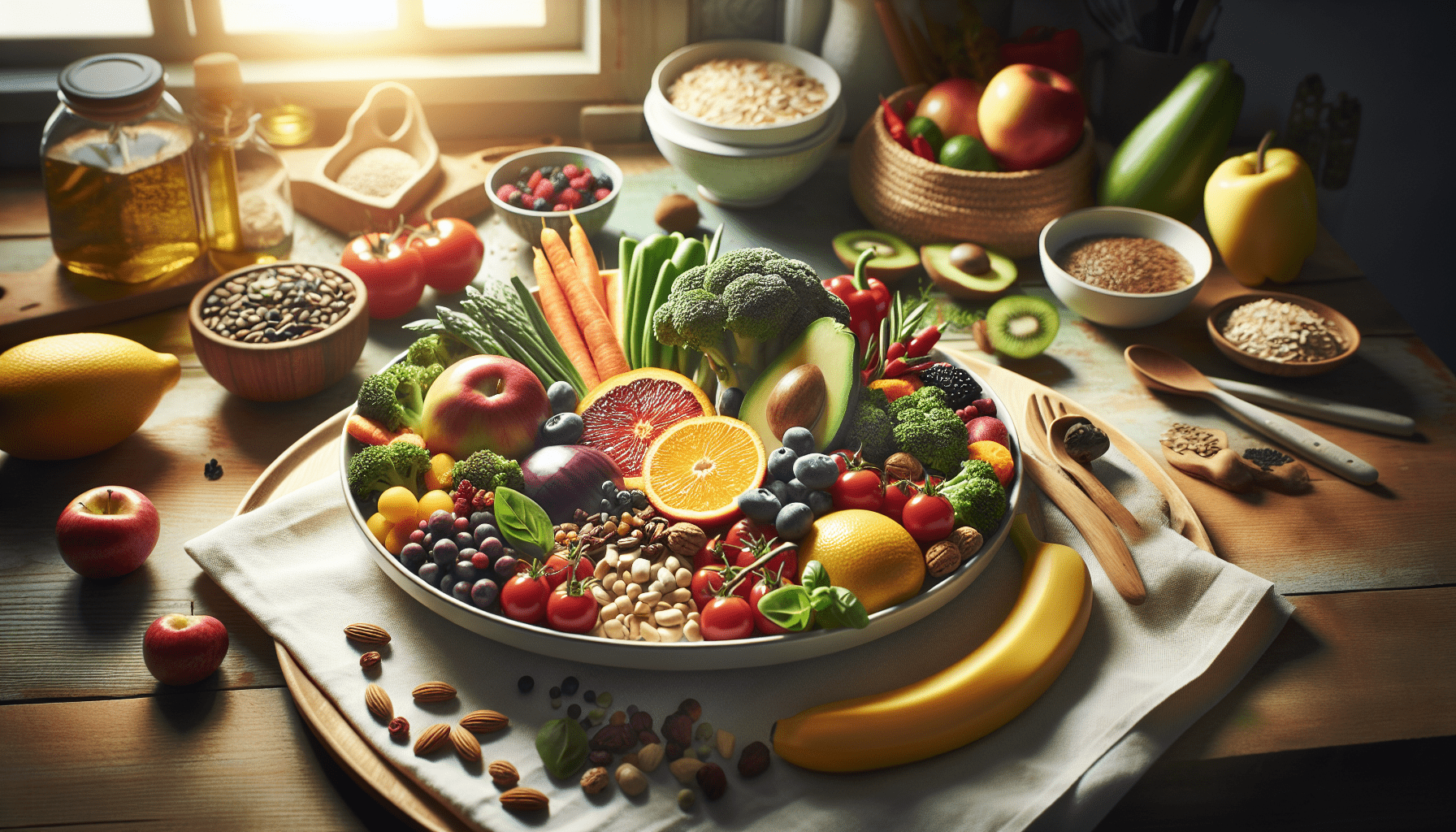
Benefits of Cooking Your Own Meals
Cooking your own meals offers numerous benefits, especially when it comes to supporting your weight loss goals. By taking control of what you put in your body, you can make healthier choices and establish a balanced and nutritious eating routine. Let’s explore some of the key advantages of cooking your own meals.
Control Over Ingredients
One of the biggest benefits of cooking your own meals is having complete control over the ingredients you use. When you prepare your own food, you can select fresh and wholesome ingredients, ensuring that your meals are packed with nutrients and free from harmful additives. By avoiding processed foods and cooking from scratch, you can reduce your intake of unhealthy fats, sodium, and sugar, which can contribute to weight gain.
Portion Control
Another advantage of cooking your own meals is the ability to practice portion control. When dining out, it’s challenging to determine the exact size of a dish or how much oil or butter is used in its preparation. By cooking at home, you can measure your ingredients and control the portion sizes, making it easier to manage your calorie intake and maintain a healthy weight.
Reduced Calorie Intake
Cooking your own meals allows you to make conscious choices that can significantly reduce your calorie intake. By using healthy cooking techniques and opting for low-fat ingredients, you can create flavorful dishes that are lower in calories. This can be particularly beneficial for weight loss, as a reduced calorie intake can lead to a calorie deficit, ultimately aiding in shedding those extra pounds.
Variety and Balanced Nutrition
When you prepare your own meals, you can experiment with a wide range of ingredients, flavors, and cooking techniques, leading to a more diverse and exciting diet. By incorporating different fruits, vegetables, whole grains, and lean proteins into your meals, you can ensure that you are receiving a balanced mix of essential nutrients. This variety not only enhances the taste and enjoyment of your meals but also supports your weight loss goals by keeping you satisfied and preventing feelings of deprivation.
Choosing the Right Ingredients
Selecting the right ingredients is crucial when cooking meals that support your weight loss goals. By focusing on fresh and whole foods, low-calorie substitutes, lean protein sources, and fiber-rich options, you can create nutritious and delicious meals that help you shed pounds.
Fresh and Whole Foods
When grocery shopping, aim to fill your cart with fresh and whole foods. Fresh produce like fruits and vegetables not only provide essential vitamins and minerals, but they are also low in calories and high in fiber, helping you feel fuller for longer. Incorporate a colorful array of fruits and vegetables into your meals to add flavor, texture, and nutritional value.
Low-Calorie Substitutes
To reduce the calorie content of your meals without compromising taste, consider using low-calorie substitutes. Swap high-fat ingredients like cream and butter with alternatives such as Greek yogurt, applesauce, or mashed bananas. These substitutions not only cut down on calories but also add moisture and flavor to your dishes.
Lean Protein Sources
Protein is an essential nutrient for weight loss as it promotes satiety, preserves lean muscle mass, and supports metabolism. Choose lean protein sources such as skinless poultry, fish, beans, lentils, tofu, and low-fat dairy products when planning your meals. These options are lower in calories and saturated fats compared to fatty cuts of meat, making them ideal for a healthy and balanced diet.
Fiber-Rich Foods
Incorporating fiber-rich foods into your meals can help you feel full and satisfied while consuming fewer calories. Whole grains like quinoa, brown rice, and whole wheat bread are excellent sources of fiber and can be the base of many nutritious meals. Additionally, include legumes, such as chickpeas and lentils, along with plenty of fruits and vegetables to boost your fiber intake.
Meal Planning and Preparation
Meal planning and preparation are key factors in successfully incorporating healthy cooking into your routine. By setting realistic goals, creating a weekly meal plan, and utilizing batch cooking and meal prepping techniques, you can save time, stay organized, and ensure that nutritious meals are always within reach.
Setting Realistic Goals
When embarking on a weight loss journey, it’s essential to set realistic goals to avoid feelings of frustration or disappointment. Start by assessing your current eating habits and slowly introduce changes that align with your long-term objectives. Celebrate small victories along the way and remember that sustainable weight loss takes time and patience.
Creating a Weekly Meal Plan
A weekly meal plan can be a valuable tool for staying on track with your weight loss goals. Take some time each week to plan your meals, considering your schedule, dietary needs, and personal preferences. Include a mix of lean proteins, whole grains, fruits, vegetables, and healthy fats to ensure a well-rounded and satisfying diet. By having a plan in place, you’ll be less likely to resort to unhealthy options and more likely to stick to your nutritious meal choices.
Batch Cooking and Meal Prepping
Batch cooking and meal prepping are efficient strategies for those with busy lifestyles. Set aside a few hours each week to prepare larger quantities of meals and portion them into individual containers. This way, you’ll have ready-to-eat or easy-to-assemble meals throughout the week, saving time and preventing impulse food choices. Make use of freezer-friendly recipes and consider investing in quality food storage containers to keep your meals fresh and organized.
Healthy Cooking Techniques
The way you cook your meals can impact their nutritional value and overall calorie content. By utilizing healthy cooking techniques such as grilling, baking, steaming, poaching, stir-frying, sautéing, roasting, and broiling, you can create delicious and healthy meals that contribute to your weight loss efforts.
Grilling and Baking
Grilling and baking are excellent techniques for reducing added fats and calories. Both methods allow fat to drip away from the food, resulting in a lower overall caloric content. Grilling can add a smoky flavor to meats, fish, and vegetables, while baking is ideal for creating moist and flavorful dishes without excessive oils or butter.
Steaming and Poaching
Steaming and poaching are gentle cooking methods that help retain the nutrients and natural flavors of your ingredients. Steaming involves cooking food over simmering water, while poaching involves submerging food in liquid, such as water or vegetable broth. Both techniques require minimal added fats and can be used for vegetables, fish, poultry, and even eggs.
Stir-Frying and Sautéing
Stir-frying and sautéing are quick and convenient cooking methods that involve cooking food at high heat in a small amount of oil. These techniques allow you to retain the vibrant colors and crunchiness of vegetables while infusing them with flavor. To keep your stir-fries and sautés low in calories, opt for heart-healthy oils like olive oil or coconut oil in moderation.
Roasting and Broiling
Roasting and broiling are great options for creating crispy and flavorful dishes without excessive fats. Roasting involves cooking food in the oven at high heat, while broiling exposes food to direct heat from the top element. Both techniques are suitable for meats, poultry, fish, and vegetables, allowing them to develop a caramelized surface while retaining moisture.
Flavorful and Low-Calorie Seasoning Options
Seasonings play a crucial role in enhancing the taste and enjoyment of your meals. By opting for flavorful and low-calorie options such as herbs, spices, citrus zest, juices, vinegars, and infused oils, you can add depth and complexity to your dishes without significantly impacting your calorie intake.
Herbs and Spices
Herbs and spices are versatile ingredients that can transform simple dishes into culinary delights. Fresh herbs like basil, cilantro, and mint add freshness and brightness to salads and sauces, while dried spices like paprika, cumin, and cinnamon bring depth and warmth to stews and roasted vegetables. Experiment with different combinations to create unique flavors that suit your palate.
Citrus Zest and Juices
Citrus fruits, including lemons, limes, oranges, and grapefruits, provide a burst of tangy and refreshing flavor to your meals. Use their zest to add aromatic notes and their juices to marinate meats, dress salads, or create flavorful sauces. Citrus fruits are low in calories and add a delightful twist to both sweet and savory dishes.
Vinegars and Infused Oils
Vinegars, such as balsamic, apple cider, or rice vinegar, can elevate the taste of your meals with their tanginess and complex flavors. Infused oils, like garlic-infused oil or chili-infused oil, provide a hint of robustness without excessive calories. Use these options sparingly to enhance the taste of your dishes and add depth without relying on high-calorie ingredients.
Smart Swaps for High-Calorie Ingredients
Making smart swaps for high-calorie ingredients is a practical way to reduce the calorie content of your meals without sacrificing flavor or satisfaction. By using Greek yogurt instead of sour cream, replacing butter with applesauce or mashed bananas, and opting for nutritional yeast instead of cheese, you can enjoy your favorite dishes guilt-free.
Using Greek Yogurt Instead of Sour Cream
Greek yogurt is an excellent substitute for sour cream in both savory and sweet dishes. It has a creamy texture and tangy flavor that closely resembles sour cream, but with significantly fewer calories and fat. Use Greek yogurt as a topping for tacos, soups, or baked potatoes, or incorporate it into creamy dressings, dips, and desserts.
Replacing Butter with Applesauce or Mashed Bananas
Butter is a high-calorie ingredient that can easily be swapped with healthier alternatives. Applesauce and mashed bananas are excellent replacements in baking recipes, adding moisture and natural sweetness without the excess fat. Experiment with these substitutions in muffins, bread, pancakes, and cakes to reduce calorie intake while maintaining taste and texture.
Using Nutritional Yeast Instead of Cheese
Nutritional yeast is a vegan-friendly ingredient that provides a cheesy flavor without the high calorie and fat content of traditional cheese. Sprinkle nutritional yeast onto popcorn, pasta, or roasted vegetables for a delightful savory taste. It can also be used in sauces and dips to add a cheesy depth that satisfies your cravings while supporting your weight loss goals.
Making Healthy Substitutions in Recipes
Making healthy substitutions in recipes is an effective way to transform indulgent dishes into healthier alternatives. By replacing white flour with whole wheat flour, using cauliflower rice instead of regular rice, and opting for zucchini noodles instead of pasta, you can reduce your calorie intake and increase your nutrient intake.
Replacing White Flour with Whole Wheat Flour
White flour is highly processed and lacks the nutritional benefits of whole wheat flour. By substituting whole wheat flour into your recipes, such as bread, muffins, and pancakes, you can increase your intake of fiber, vitamins, and minerals. Whole wheat flour adds a nutty flavor and a denser texture to your baked goods, making them more satisfying.
Using Cauliflower Rice Instead of Regular Rice
Cauliflower rice has gained popularity as a low-carb and low-calorie alternative to regular rice. It is made by pulsing cauliflower florets in a food processor until they resemble rice grains. Cauliflower rice is an excellent option for those looking to reduce their carbohydrate intake and increase their vegetable consumption. It can be used as a base for stir-fries, grain-free pilafs, or even as a substitute in sushi rolls.
Using Zucchini Noodles Instead of Pasta
Zucchini noodles, also known as “zoodles,” offer a nutritious and low-calorie swap for traditional pasta. By using a spiralizer or a julienne peeler, you can create long, thin strands of zucchini that resemble noodles. Zucchini noodles can be enjoyed raw in salads or lightly cooked in stir-fries or pasta sauces. This substitution allows you to increase your vegetable intake while cutting back on calories and carbohydrates.
Mindful Eating for Weight Loss
In addition to cooking healthy meals, practicing mindful eating can support your weight loss goals. Mindful eating involves paying attention to your body, eating slowly and mindfully, and tuning in to hunger and fullness cues. By adopting these habits, you can cultivate a healthier relationship with food and make more conscious choices.
Listening to Your Body
Learning to listen to your body’s signals is essential for mindful eating. Take a moment before eating to assess your hunger levels. Are you truly hungry, or are you eating out of habit or emotions? During your meal, pay attention to your body’s cues of fullness and satisfaction. Stop eating when you feel comfortably full, even if there is food remaining on your plate.
Eating Slowly and Mindfully
Eating slowly and mindfully allows you to fully enjoy your meals and recognize when you are satisfied. Take small bites, chew thoroughly, and savor the flavors and textures of your food. Minimize distractions during meals, such as watching television or scrolling through your phone, as this can lead to mindless overeating. Engage all your senses in the eating experience and appreciate the nourishment your food provides.
Paying Attention to Hunger and Fullness Cues
Being attuned to your hunger and fullness cues is crucial for weight management. When you feel hunger approaching, consume a balanced and nutritious meal to satisfy your body’s needs adequately. Since it takes time for your brain to register fullness, eat slowly and give yourself the opportunity to recognize when you no longer feel hungry. By being mindful of these cues, you can avoid overeating and maintain a healthy calorie balance.
Avoiding Distractions While Eating
Distractions during meals can disconnect you from the experience of eating and hinder your ability to make mindful choices. Steer clear of distractions such as television, computers, or reading materials while dining. Instead, focus on your plate, the flavors in each bite, and the company you may have. By eliminating distractions, you can fully savor your meals and be present in the moment.
Creating Satisfying and Nutritious Meals
When cooking your own meals, it’s important to find the right balance of macronutrients, incorporate protein-rich foods, and include sources of fiber and healthy fats. This combination ensures that your meals are not only satisfying but also support your weight loss and overall well-being.
Balancing Macronutrients
Aim to create meals that contain a balance of macronutrients, including carbohydrates, protein, and healthy fats. Carbohydrates provide energy, fiber, and essential nutrients, while protein supports muscle health and satiety. Healthy fats, such as those found in avocados, nuts, and olive oil, support brain function and keep you feeling full. By including a mix of these macronutrients in each meal, you can create satisfying and nutritionally balanced dishes.
Incorporating Protein-Rich Foods
Protein is an essential nutrient for weight loss, as it helps to preserve muscle mass and support a healthy metabolism. Incorporate protein-rich foods such as lean meats, poultry, fish, tofu, beans, and lentils into your meals to ensure you’re meeting your protein needs. Including a source of protein in each meal can help you feel more satisfied and prevent excessive snacking or overeating.
Including Fiber and Healthy Fats
Fiber and healthy fats are crucial for maintaining a feeling of fullness and supporting overall digestive health. Incorporate fiber-rich foods like whole grains, fruits, vegetables, and legumes into your meals to promote satiety and improve digestion. Additionally, including sources of healthy fats such as avocados, nuts, seeds, and olive oil can provide added satisfaction and enhance the taste of your dishes. Be mindful of portion sizes when including healthy fats, as they are higher in calories.
Planning for Success and Long-Term Maintenance
To succeed in your weight loss journey, it’s important to plan for success and incorporate habits that support long-term maintenance. Staying consistent, monitoring progress and adjusting as needed, and seeking support and accountability are key strategies to ensure sustainable results.
Staying Consistent and Establishing Healthy Habits
Consistency is key when it comes to weight loss and long-term maintenance. Create a routine that includes regular meal planning, grocery shopping, and cooking sessions to set yourself up for success. Consistently incorporating healthy cooking and eating habits into your lifestyle will not only aid in weight loss but also support overall health and well-being.
Monitoring Progress and Adjusting as Needed
Regularly monitoring your progress allows you to make adjustments and fine-tune your approach to weight loss. Keep track of key indicators such as your weight, measurements, body composition, and how you feel physically and mentally. If you notice a plateau or lack of progress, reassess your meal choices, portion sizes, or exercise routine. Small adjustments can lead to significant results and help you break through any roadblocks.
Seeking Support and Accountability
Having support and accountability can greatly enhance your weight loss journey. Share your goals with friends, family, or a trusted companion who can offer encouragement and keep you motivated. Consider joining a cooking class, weight loss support group, or online community where you can connect with others who are also on a similar path. Having a network of individuals who share your goals can provide valuable insight, tips, and motivation to stay on track.
In conclusion, cooking your own meals offers a multitude of benefits when it comes to supporting your weight loss goals. By taking control over ingredients, practicing portion control, reducing calorie intake, adding variety and balanced nutrition to your meals, and implementing healthy cooking techniques, you can create satisfying and nutritious dishes that contribute to your weight loss efforts. By incorporating mindfulness into your eating habits, emphasizing macronutrient balance, and planning for long-term success, you can establish healthy habits and achieve sustainable weight loss. So grab your apron, head to the kitchen, and enjoy the joy of cooking as you embark on your weight loss journey.