
Have you ever wondered why some people seem to have an easier time maintaining a healthy weight while others struggle to shed those extra pounds? Well, it turns out that gut health might just be the key to understanding this mystery. In this article, we will explore the fascinating connection between gut health and your waistline, and how improving the balance of bacteria in your gut could potentially help you reach your weight loss goals. So, sit back, relax, and prepare to be amazed by the incredible impact that your gut can have on your weight!
The Role of Gut Health
The importance of a healthy gut
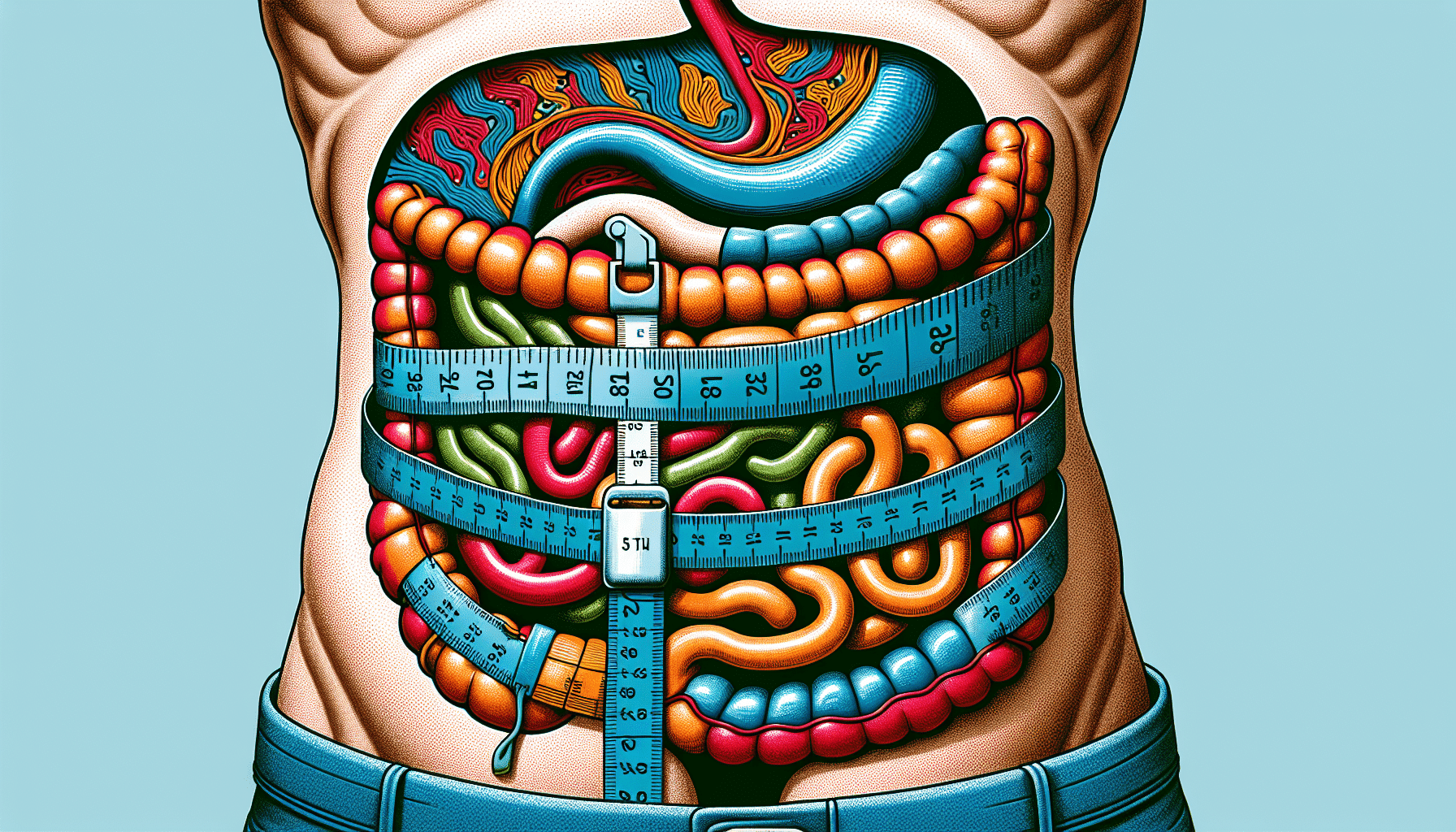
Your gut health plays a crucial role in maintaining your overall well-being, including managing your weight effectively. The gut, also known as the gastrointestinal tract, is responsible for the digestion and absorption of nutrients from the food you eat. It is lined with millions of microorganisms, collectively known as the gut microbiome, which help in various physiological processes and promote a healthy digestive system.
Different factors affecting gut health
Several factors can influence the health of your gut. One of the major factors is your diet. Consuming a balanced diet rich in fiber, fruits, vegetables, and probiotics can nourish your gut microbiome and promote its diversity. On the other hand, an unhealthy diet high in processed foods, sugar, and saturated fats can disrupt the balance of your gut bacteria and lead to various health issues, including weight gain.
Other factors that can affect gut health include stress, inadequate sleep, and physical inactivity. Chronic stress can disrupt the balance of bacteria in your gut and impair digestion, leading to weight gain. Lack of sleep can also disrupt the gut microbiome and increase the risk of weight gain. Regular physical activity, on the other hand, can improve gut function and promote overall gut health.
The gut microbiome and its role in weight management
The gut microbiome consists of trillions of microorganisms, including bacteria, viruses, and fungi, that reside in your gut. These microorganisms play a crucial role in many aspects of your health, including weight management. Certain species of bacteria in your gut have been found to impact the way your body stores and metabolizes fat.
Research suggests that individuals with a higher diversity of gut bacteria tend to have a healthier body weight compared to those with lower microbial diversity. A diverse gut microbiome is associated with a higher metabolic rate, improved insulin sensitivity, and reduced inflammation. These factors contribute to better weight management and a decreased risk of obesity.
The gut-brain axis and its impact on weight
The gut-brain axis is a bidirectional communication pathway between the gut and the brain. This communication occurs through various channels, including the vagus nerve, hormones, and neurotransmitters. The gut-brain axis plays a crucial role in regulating appetite, satiety, and food cravings, all of which have a significant impact on your weight.
Gut hormones, such as ghrelin and leptin, play a role in signaling hunger and fullness to the brain. Imbalances in these hormones can lead to increased appetite and overeating, resulting in weight gain. Additionally, the gut microbiome produces certain neurotransmitters, such as serotonin, which can influence mood, appetite, and food choices.
How Gut Health Affects Weight Gain
Increased calorie absorption and weight gain
One way in which poor gut health can contribute to weight gain is by affecting the absorption of calories from the food you eat. The gut microbiome helps break down and ferment certain types of carbohydrates that your body cannot digest on its own. This fermentation process produces short-chain fatty acids, which are absorbed by your body as a source of energy.
However, an imbalance in the gut microbiome can lead to an overproduction of short-chain fatty acids, resulting in increased calorie absorption. This excess energy can ultimately lead to weight gain and the accumulation of body fat.
The role of gut bacteria in digestion and metabolism
The composition of your gut microbiome can impact your digestive processes and metabolism. Certain beneficial bacteria in your gut help break down complex carbohydrates, proteins, and fats, making them more readily absorbable by your body. These bacteria also produce enzymes that aid in nutrient absorption.
When there is an imbalance in the gut bacteria, particularly an overgrowth of harmful bacteria, digestion and metabolism can be negatively affected. This can result in nutrient malabsorption, decreased energy expenditure, and weight gain.
Inflammation and its association with weight gain
Inflammation is the body’s natural response to injury or infection. However, chronic inflammation can have detrimental effects on your health, including weight gain. Poor gut health can contribute to chronic inflammation through various mechanisms.
When the gut microbiome becomes imbalanced, harmful bacteria can release toxins that contribute to inflammation in the gut. This inflammation can impair the gut barrier, leading to a condition known as leaky gut syndrome. Inflammatory molecules can then enter the bloodstream and trigger systemic inflammation, which can interfere with normal metabolism and contribute to weight gain.
The influence of gut hormones on appetite and cravings
Gut hormones play a crucial role in regulating appetite and food cravings. These hormones are released by cells in the gut and act on the brain to signal hunger, satiety, and food reward. Imbalances in these hormones can disrupt the normal regulation of appetite and contribute to weight gain.
For example, ghrelin is a hormone that stimulates hunger and is produced by cells in the stomach. When the gut microbiome is imbalanced, certain bacteria can increase ghrelin production, leading to increased appetite and food intake. Conversely, imbalances in other gut hormones, such as leptin, can impair feelings of fullness and satiety, leading to overeating and weight gain.
Gut Health and Obesity
The link between gut health and obesity
There is a strong association between gut health and obesity. Research has shown that individuals with obesity tend to have a less diverse and imbalanced gut microbiome compared to those with a healthy weight. The gut microbiome of individuals with obesity is often characterized by a higher abundance of harmful bacteria and a lower abundance of beneficial bacteria.
This imbalance in the gut microbiome can contribute to weight gain by influencing various physiological processes, including digestion, metabolism, and energy regulation. Additionally, chronic inflammation associated with imbalances in the gut microbiome can impair metabolism and contribute to obesity.
Obesity-related health issues
Obesity is not only a cosmetic concern but also a significant risk factor for various health issues. Individuals with obesity are at a higher risk of developing conditions such as type 2 diabetes, cardiovascular disease, certain types of cancer, and musculoskeletal disorders. These health issues can significantly impact the quality of life and overall well-being.
The gut microbiome plays a role in obesity-related health issues by influencing metabolic pathways, immune function, and inflammation. By improving gut health, it may be possible to reduce the risk of developing these health issues and improve overall health outcomes.
The impact of gut microbiome imbalances on weight
Imbalances in the gut microbiome, such as an overgrowth of harmful bacteria and a decrease in beneficial bacteria, have been associated with weight gain and obesity. These imbalances can lead to increased calorie absorption, impaired digestion and metabolism, and chronic inflammation, all of which contribute to weight gain.
Furthermore, certain imbalances in the gut microbiome have been linked to an increased risk of insulin resistance and impaired glucose metabolism, which are key factors in the development of obesity and type 2 diabetes. By addressing and correcting these imbalances through interventions targeting gut health, it may be possible to manage weight more effectively.
The role of gut inflammation in obesity
Chronic inflammation is a hallmark of obesity and can originate from imbalances in the gut microbiome. Imbalances in the gut microbiome can lead to the release of toxins and inflammatory molecules that trigger an inflammatory response in the gut. This inflammation can then spread throughout the body, contributing to systemic inflammation and obesity-related health issues.
Inflammation can interfere with normal metabolic processes, impair insulin sensitivity, and promote the accumulation of visceral fat, which is the fat that surrounds internal organs and increases the risk of chronic diseases. By promoting a healthy gut microbiome and reducing inflammation, it may be possible to prevent or manage obesity more effectively.
Effects of Poor Gut Health
Digestive issues and weight gain
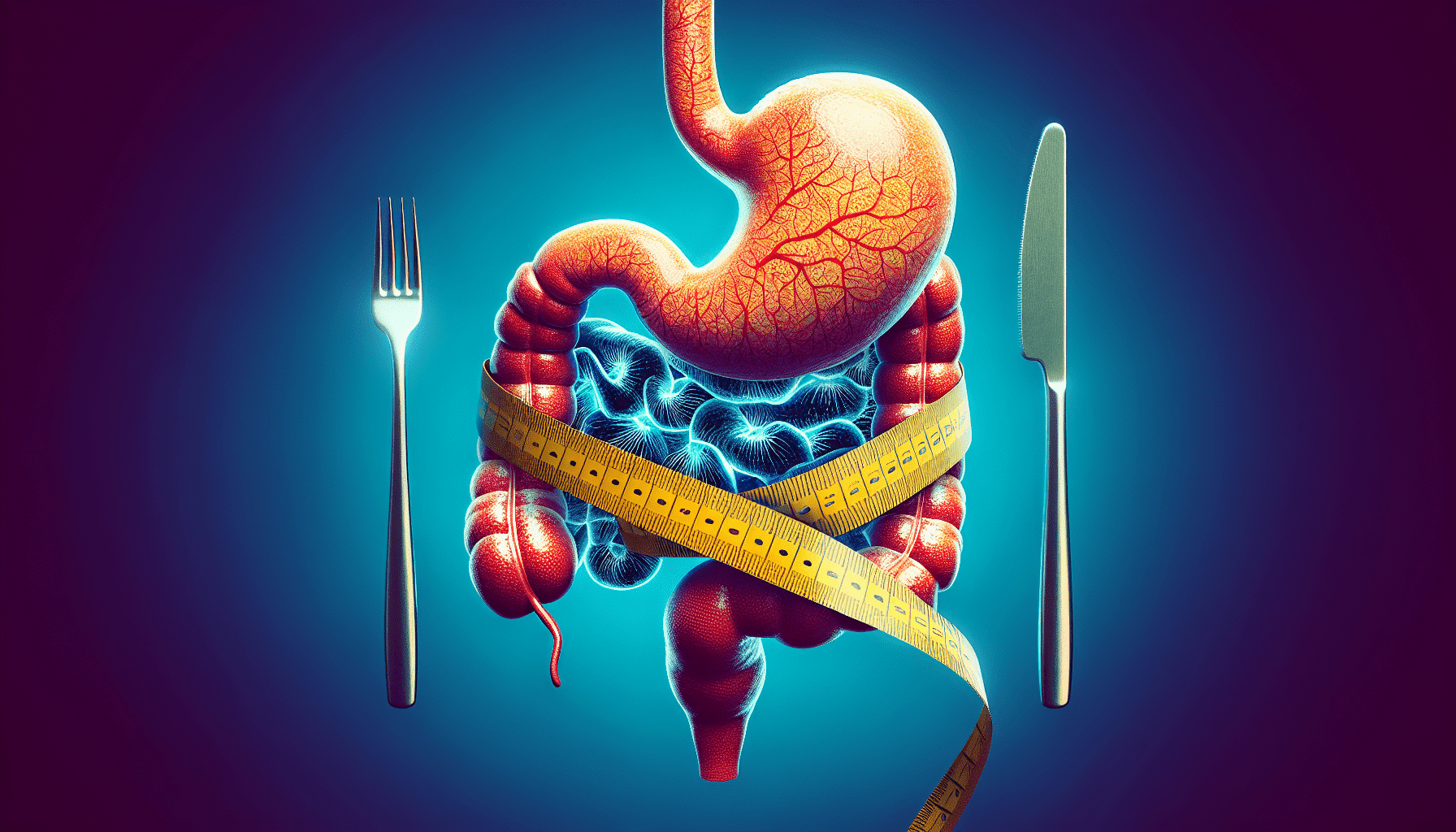
Poor gut health can result in various digestive issues, such as bloating, gas, constipation, and diarrhea. These issues can interfere with the proper absorption and utilization of nutrients from food, leading to weight gain.
When the gut microbiome is imbalanced, digestion can be impaired, and certain nutrients may not be properly absorbed. This can result in nutrient deficiencies and increased cravings for calorie-dense foods, leading to overeating and weight gain.
Leaky gut syndrome and its impact on metabolism
Leaky gut syndrome is a condition in which the gut lining becomes permeable, allowing toxins, bacteria, and undigested food particles to enter the bloodstream. This condition can result from inflammation and imbalances in the gut microbiome.
Leaky gut syndrome can have a significant impact on metabolism. When toxins and undigested food particles enter the bloodstream, they can trigger an immune response and lead to chronic inflammation. This inflammation can interfere with normal metabolic processes and contribute to weight gain.
Chronic inflammation and its effect on weight
Chronic inflammation is a common consequence of poor gut health. Imbalances in the gut microbiome can lead to the production of inflammatory molecules that trigger an inflammatory response in the gut and throughout the body.
This chronic inflammation can impair the body’s ability to regulate energy balance and metabolism, leading to weight gain. Additionally, chronic inflammation can promote insulin resistance, a condition in which the body does not respond effectively to the hormone insulin, resulting in elevated blood sugar levels and increased fat storage.
Disruption of gut-brain communication and increased food intake
Your gut and brain are constantly communicating through the gut-brain axis. When the gut microbiome is imbalanced, this communication can be disrupted, leading to changes in appetite, food cravings, and food intake.
Imbalances in the gut microbiome can lead to a dysregulation of gut hormones, such as ghrelin and leptin, which play a role in appetite regulation. This dysregulation can result in increased feelings of hunger and cravings for unhealthy, calorie-dense foods, leading to weight gain.
Factors Affecting Gut Health
Diet and gut health
Your diet has a significant impact on the health of your gut microbiome. Consuming a diet rich in fiber, fruits, vegetables, and probiotics can promote a diverse and healthy gut microbiome. These foods provide nourishment for beneficial bacteria and help maintain a balanced gut ecosystem.
On the other hand, a diet high in processed foods, sugar, and saturated fats can disrupt the balance of gut bacteria and promote the growth of harmful bacteria. This can lead to inflammation, impaired digestion, and weight gain.
The influence of stress on the gut
Stress can have a profound impact on gut health. The gut and brain are closely connected, and stress can disrupt the balance of gut bacteria and impair gut function.
During times of stress, the body releases stress hormones such as cortisol, which can negatively affect the gut microbiome. Cortisol can promote the growth of harmful bacteria and impair the gut barrier function, leading to inflammation and increased permeability. This can contribute to weight gain and other gut-related issues.
Inadequate sleep and its impact on gut health
Sleep plays an essential role in maintaining overall health, including gut health. Inadequate sleep can disrupt the gut microbiome and lead to imbalances in gut bacteria.
Studies have shown that sleep deprivation can alter the composition of the gut microbiome, favoring the growth of harmful bacteria and decreasing the abundance of beneficial bacteria. These imbalances can contribute to weight gain and increased risk of metabolic disorders.
Physical activity and gut function
Regular physical activity has been shown to have a positive impact on gut health. Exercise promotes the diversity and abundance of beneficial bacteria in the gut, which can contribute to a healthier gut microbiome.
Physical activity also helps to stimulate gut motility, allowing for more efficient digestion and elimination of waste. This can reduce the risk of digestive issues and promote a healthy weight.
Ways to Improve Gut Health and Manage Weight
Probiotics and their role in promoting gut health
Probiotics are live microorganisms that can confer health benefits when consumed in adequate amounts. These beneficial bacteria can help restore balance in the gut microbiome and promote a healthy gut.
Consuming probiotics through food sources such as yogurt, kefir, sauerkraut, and kimchi, or in the form of supplements, can help improve gut health and enhance weight management. Probiotics have been shown to reduce inflammation, boost metabolism, and improve digestion, all of which can contribute to a healthier weight.
Increasing fiber intake for a healthier gut
Fiber is an essential nutrient for maintaining a healthy gut. It helps promote regular bowel movements, prevents constipation, and nourishes beneficial bacteria in the gut.
Increasing your fiber intake by consuming whole grains, fruits, vegetables, legumes, and nuts can support a healthy gut microbiome and aid in weight management. Fiber-rich foods also tend to be more filling, which can help control your appetite and prevent overeating.
Reducing processed foods and sugar in the diet
Processed foods and added sugars can have detrimental effects on gut health. These foods are often low in fiber and nutrients, and they can disrupt the balance of gut bacteria, promote inflammation, and contribute to weight gain.
Reducing your consumption of processed foods and added sugars and focusing on whole, unprocessed foods can help improve the health of your gut and support weight management. Choose whole grains, lean proteins, fruits, vegetables, and healthy fats to nourish your gut and promote overall health.
The importance of regular exercise for gut health
Regular exercise not only helps maintain a healthy weight but also has positive effects on gut health. Exercise has been shown to increase the abundance and diversity of beneficial gut bacteria, leading to a healthier gut microbiome.
Incorporating both cardiovascular exercises and strength training into your routine can benefit your gut health. Aim for at least 150 minutes of moderate-intensity aerobic exercise and two or more days of strength training each week to promote a healthy gut and manage your weight effectively.
Gut Health and Weight Loss Strategies
Gut health and the effectiveness of different diets
Various popular diets claim to promote weight loss, but the health of your gut microbiome may influence how well these diets work for you. Research suggests that the composition of your gut bacteria can influence your response to different dietary interventions.
For example, a study found that individuals with a higher abundance of certain gut bacteria had greater success in losing weight on a low-carbohydrate diet compared to those with a different gut microbiome composition. This suggests that personalized dietary recommendations based on a person’s gut health may be more effective for weight loss.
The role of gut bacteria in weight loss
The gut microbiome can play a role in weight loss by influencing various metabolic processes. Certain bacteria in the gut are more efficient at extracting calories from food, whereas others are associated with increased fat burning and energy expenditure.
Research has shown that when individuals undergo weight loss, there are changes in the composition and diversity of the gut microbiome. These changes can impact metabolic rate, satiety, and fat storage, ultimately influencing weight loss success. By promoting a healthy gut microbiome through diet and lifestyle interventions, it may be possible to enhance the effectiveness of weight loss strategies.
Incorporating fermented foods into the diet for gut health
Fermented foods are rich in probiotics, which are beneficial for gut health. These foods undergo a fermentation process that promotes the growth of beneficial bacteria and can help restore balance in the gut microbiome.
Incorporating fermented foods such as yogurt, kefir, sauerkraut, kimchi, and kombucha into your diet can provide a natural source of probiotics. These foods can improve gut health, aid digestion, and support weight management.
The impact of gut health on long-term weight maintenance
Maintaining weight loss can be challenging, and the health of your gut microbiome may play a role in long-term weight management. Research suggests that changes in the gut microbiome that occur during weight loss can persist even after weight maintenance.
A healthy, balanced gut microbiome can support weight maintenance by promoting efficient digestion and metabolism, reducing inflammation, and regulating appetite. By adopting and maintaining a healthy lifestyle that supports gut health, you can increase the chances of successfully maintaining your weight loss in the long term.
Gut Health and Mental Well-being
The gut-brain connection and mental health
The gut-brain connection extends beyond weight management and also influences mental well-being. The gut and brain communicate through the gut-brain axis, and imbalances in the gut microbiome can affect brain function and mental health.
The gut microbiome produces neurotransmitters, such as serotonin, dopamine, and gamma-aminobutyric acid (GABA), which are involved in regulating mood, anxiety, and stress response. Imbalances in the gut microbiome can disrupt the production of these neurotransmitters and contribute to mental health issues.
The link between gut health and anxiety or depression
Anxiety and depression often coexist with gut-related issues, suggesting a strong connection between gut health and mental health. Studies have shown that individuals with anxiety or depression tend to have imbalances in their gut microbiome.
Imbalances in the gut microbiome can lead to increased inflammation, impaired neurotransmitter production, and dysregulation of the stress response, all of which can contribute to the development or exacerbation of anxiety and depression. By promoting a healthy gut microbiome, it may be possible to support mental well-being.
The role of gut bacteria in producing neurotransmitters
The gut microbiome plays a crucial role in producing neurotransmitters, which are chemicals that transmit signals in the brain. Serotonin, often referred to as the “happy hormone,” is produced in large quantities in the gut.
Beneficial bacteria in the gut produce certain enzymes that are necessary for the synthesis of neurotransmitters. Imbalances in the gut microbiome can disrupt the production of these enzymes and the synthesis of neurotransmitters, leading to imbalances in mood, anxiety, and other mental health issues.
The impact of probiotics on mental well-being
Probiotics have been found to have potential benefits for mental well-being. Research suggests that certain strains of probiotics can improve symptoms of anxiety, depression, and stress.
Probiotics can modulate the gut microbiome and influence the production of neurotransmitters. By promoting a healthy gut microbiome through the consumption of probiotic-rich foods or supplements, it may be possible to support mental well-being and improve mood and overall quality of life.
Consulting a Healthcare Professional
Seeking guidance from a medical professional
If you have concerns about your gut health and its impact on your weight and overall well-being, it is recommended to seek guidance from a healthcare professional. A healthcare professional, such as a registered dietitian, can provide personalized advice and support based on your specific needs and goals.
A healthcare professional can conduct a thorough assessment of your gut health and help develop a comprehensive plan to improve gut health and manage weight effectively. They can also provide recommendations for lifestyle modifications, dietary changes, and supplementation if necessary.
The importance of personalized advice for gut health
Gut health is highly individual, and what works for one person may not work for another. It is essential to receive personalized advice that takes into account your specific health history, dietary preferences, and lifestyle factors.
A healthcare professional can help tailor recommendations to your unique needs, ensuring that you receive the most appropriate guidance for improving your gut health and managing your weight effectively. Personalized advice can increase the likelihood of success and improve overall outcomes.
Understanding individual factors impacting gut health
Several individual factors can impact gut health, and it is crucial to understand these factors to effectively improve and manage gut health. Factors such as genetics, age, medications, and underlying health conditions can all influence the health of your gut microbiome.
By working with a healthcare professional, you can gain a better understanding of these individual factors and how they may be impacting your gut health. This understanding can guide you in making informed decisions about diet, lifestyle, and other interventions to improve your gut health and manage your weight.
Incorporating professional recommendations into a healthy lifestyle
Professional recommendations for gut health and weight management should be seen as part of a larger healthy lifestyle. While interventions targeting gut health can have a significant impact, they work best when combined with other healthy habits.
Incorporate professional recommendations into your daily routine by following a balanced diet, engaging in regular physical activity, managing stress, and prioritizing adequate sleep. Embrace a holistic approach to health, with gut health being an essential component of overall well-being.
Conclusion
Your gut health plays a significant role in weight management and overall well-being. A healthy gut microbiome, balanced gut-brain communication, and adequate functioning of the gut are all crucial for maintaining a healthy weight.
Imbalances in the gut microbiome, chronic inflammation, and disruptions in gut-brain communication can contribute to weight gain and obesity-related health issues. Poor gut health can also impact mental well-being, leading to anxiety, depression, and other mental health concerns.
By adopting a healthy lifestyle that includes a balanced diet, regular exercise, stress management, and adequate sleep, you can promote a healthy gut microbiome and manage your weight effectively. Seeking guidance from a healthcare professional can provide personalized advice and support for improving gut health and optimizing overall well-being. Prioritizing gut health can have significant positive impacts on your weight, mental well-being, and overall quality of life.