Are you looking for a fun and effective way to shed those extra pounds? Look no further than swimming! Not only does swimming provide a full-body workout, but it is also a low-impact exercise that is safe for people of all ages and fitness levels. Dive into the world of swimming and discover how this aquatic activity can help you lose weight fast while having a splashing good time. So, grab your swimsuit and jump in – a healthier and slimmer you awaits in the refreshing waters.
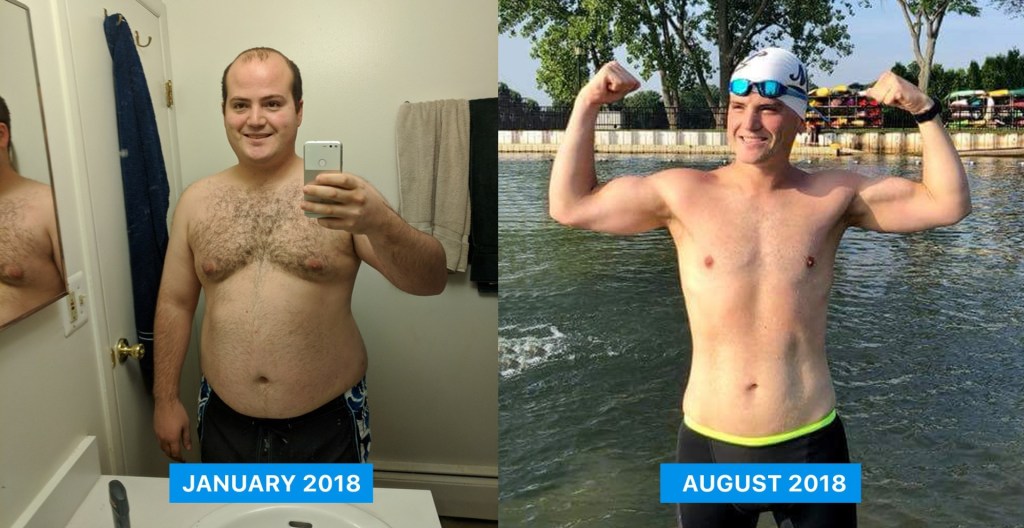

Benefits of Swimming for Weight Loss
Burns Calories
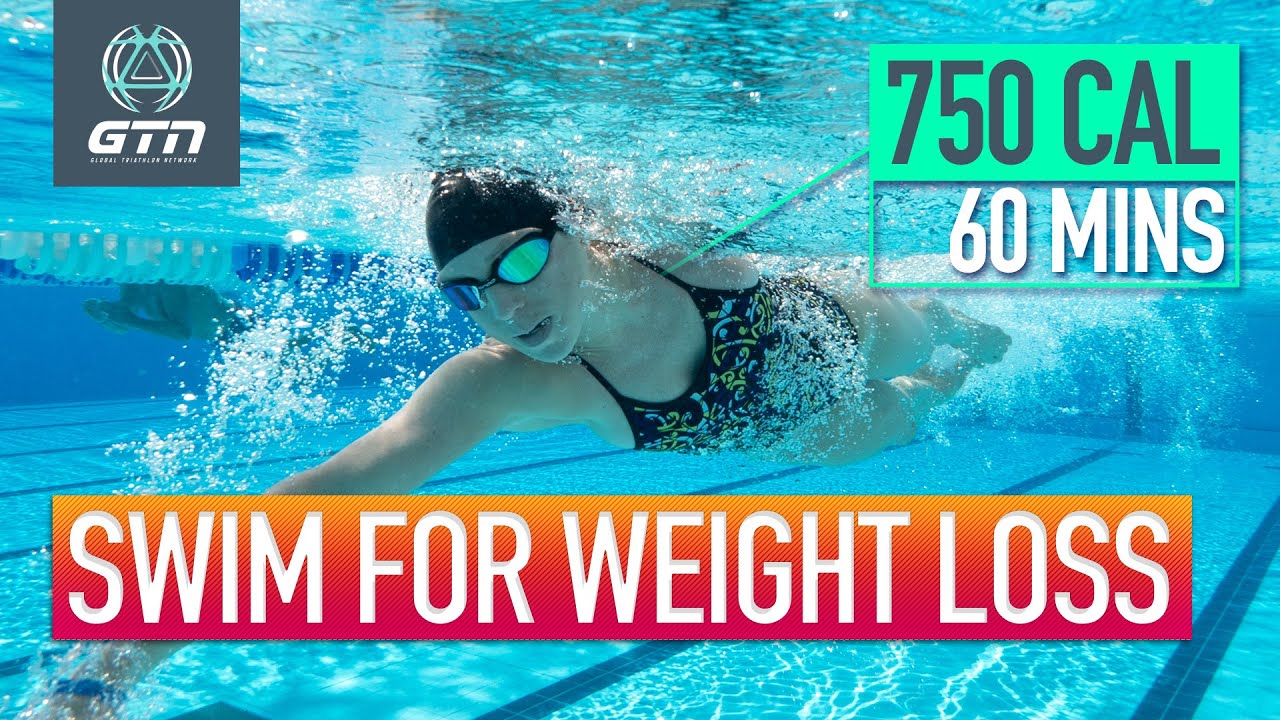
Swimming is an excellent exercise for weight loss because it burns a significant amount of calories. The resistance of the water makes every movement more challenging, causing your body to work harder and burning more calories in the process. Depending on your weight and intensity of the workout, swimming can burn anywhere from 400 to 700 calories per hour. Not only does swimming help you shed pounds, but it also allows you to do so without placing undue stress on your joints, making it suitable for individuals with joint issues or injuries.
Total Body Workout
One of the primary advantages of swimming for weight loss is that it provides a total body workout. Unlike certain exercises that only target specific muscle groups, swimming engages all major muscle groups simultaneously. Your arms, legs, core, and back all play a significant role in propelling your body through the water. This holistic approach to exercise not only burns calories but also helps to tone and strengthen your muscles, resulting in a leaner and more defined physique.
Low-Impact Exercise
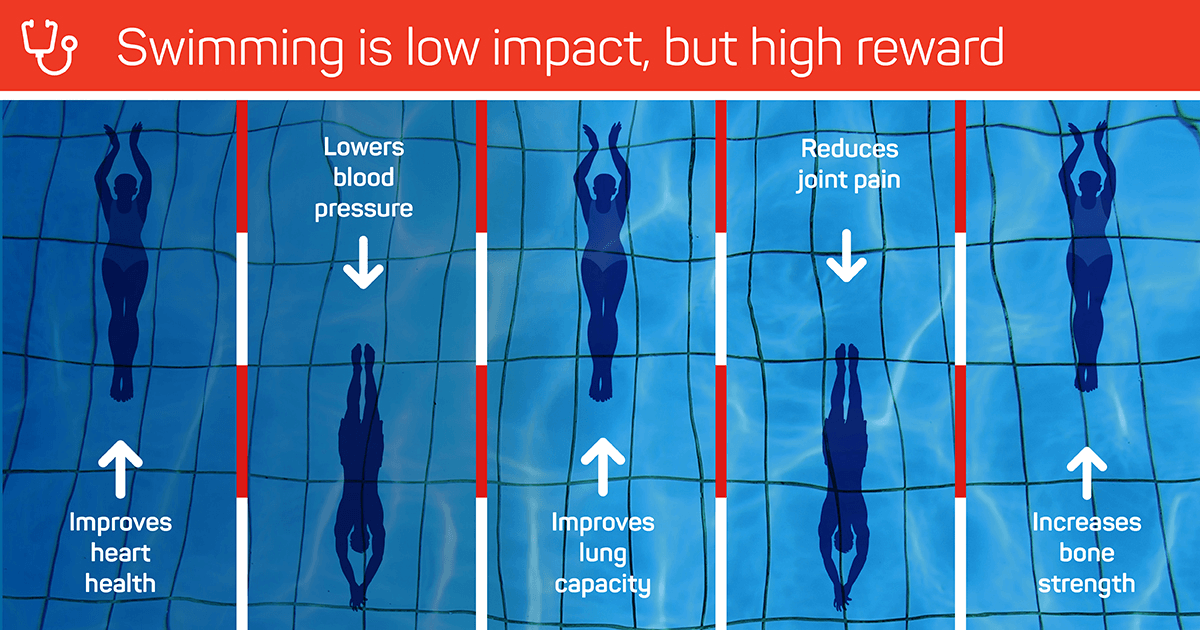
Swimming is a low-impact exercise, meaning it puts minimal stress on your joints. This is especially beneficial for individuals who may have joint pain or injuries, as it allows them to engage in an effective workout without exacerbating their condition. The buoyancy of the water supports your body, reducing the impact on your bones and joints. This makes swimming an ideal exercise for individuals of all ages and fitness levels, including those who are overweight or have existing medical conditions.
Swimming Techniques for Weight Loss
Freestyle Stroke
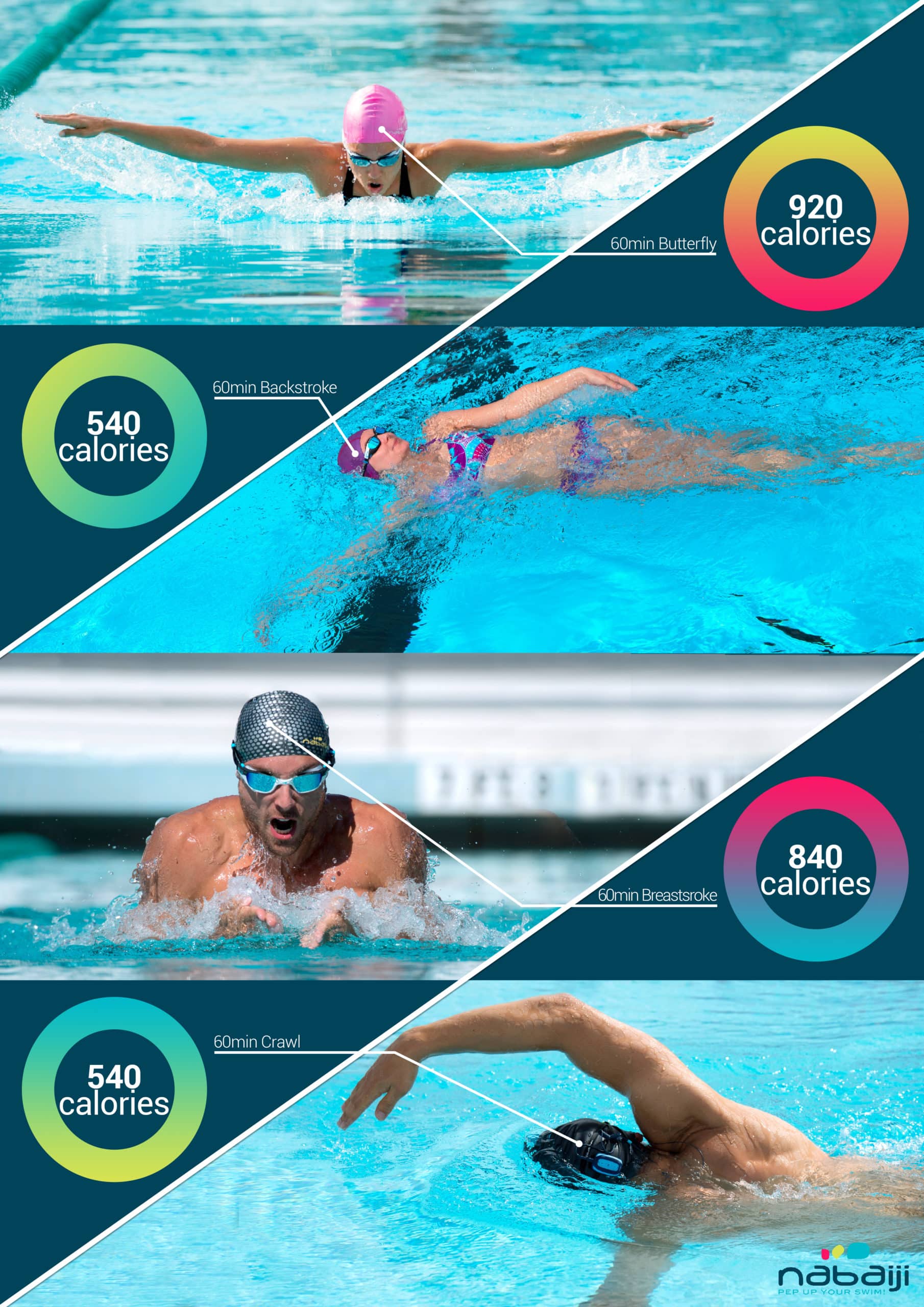
The freestyle stroke, also known as front crawl, is the most efficient and fastest swimming stroke. It involves rhythmic arm movements, alternating with quick kicks of the legs. This stroke is an excellent choice for weight loss because it engages multiple muscle groups, including your shoulders, back, core, and legs. By mastering the freestyle stroke, you can maximize the calorie-burning potential of your swim workouts and achieve your weight loss goals more effectively.
Backstroke
The backstroke is another effective swimming technique for weight loss. It targets your back muscles, shoulders, and core while providing a challenging cardiovascular workout. Additionally, the backstroke helps improve your posture and flexibility. To perform the backstroke, lie on your back and move your arms in a windmill-like motion while kicking your legs in a fluttering motion. Practice this stroke regularly to enhance your overall swimming ability and burn calories efficiently.
Breaststroke
The breaststroke is a popular swimming technique that is well-suited for individuals looking to lose weight. It engages your chest, arms, shoulders, and thighs, offering a comprehensive workout for your entire body. The breaststroke combines an arm stroke that resembles hugging a large ball with a whip kick motion. It is also a good choice for beginners, as the rhythmic and controlled movements make it easier to maintain proper technique and form.
Butterfly Stroke
While the butterfly stroke may be more challenging to master than the other swimming techniques, it offers substantial benefits for weight loss. The butterfly stroke strengthens and tones your upper body, particularly your chest, shoulders, and triceps. This stroke requires simultaneous movements of both arms, known as the butterfly arm stroke, along with a dolphin kick motion of the legs. Although it may initially feel physically demanding, with practice, you can gradually increase your endurance and burn a significant number of calories.
Interval Training
Interval training in swimming involves alternating between high-intensity and low-intensity swimming intervals. This method is highly effective for weight loss as it increases your heart rate, strengthens your cardiovascular system, and maximizes calorie burn. You can structure your interval training by combining various swimming strokes or by varying the speed and intensity of your swim sets. Interval training not only helps you shed pounds but also improves your overall fitness and endurance level in the pool.

Designing an Effective Swim Workout
Setting Goals
Before starting any swim workout, it’s essential to set specific goals. Whether your primary goal is to lose weight, increase endurance, or improve overall fitness, having clear objectives will help you stay motivated and track your progress. Set realistic and achievable goals that can be measured, such as swimming a certain distance within a specific time frame or completing a predetermined number of laps. By setting goals, you can structure your workout routine and tailor it to your needs.
Warming Up
Just like any other exercise, swimming requires a proper warm-up to prepare your body for the workout ahead. Warming up helps increase blood flow to your muscles, loosens your joints, and improves your range of motion. Start with a few minutes of gentle swimming, gradually increasing the intensity. Incorporate dynamic stretches, such as arm circles, leg swings, and trunk rotations, to further warm up your muscles and joints. A thorough warm-up reduces the risk of injury and ensures that you get the most out of your swim workout.
Main Set
The main set is the core of your swim workout and should focus on the specific goals you have set. This is where you can incorporate different swimming techniques, interval training, or distance targets. For weight loss, consider incorporating a variety of strokes and interval training to maximize calorie burn. You can structure your main set by dividing it into different swim sets, where each set consists of a specific number of repetitions or distances. Vary the intensity and duration of each set to challenge your body and avoid plateaus.
Cooling Down
A proper cool-down is essential to gradually bring your heart rate back to its resting state and prevent post-workout muscle soreness. Incorporate a few minutes of easy swimming or gentle water-based exercises to cool down your body. This will help flush out lactic acid buildup, reduce muscle tension, and promote relaxation. Cooling down also allows your body to recover, making it easier for you to return to your regular daily activities after your swim workout.
Swimming Equipment for Weight Loss
Swimsuit Selection
Choosing the right swimsuit is important for both comfort and functionality during your swim workouts. Look for swimsuits that are made of stretchy, quick-drying materials that provide a good fit and allow for freedom of movement. Women may opt for one-piece swimsuits or tankinis with built-in support for added comfort and confidence. Men can choose from swim briefs or swim trunks that facilitate ease of movement in the water. Remember to select a swimsuit that makes you feel comfortable and confident, as this will enhance your overall swimming experience.
Goggles
Goggles are an essential piece of swimming equipment as they protect your eyes from chlorine and make it easier to see underwater. When selecting goggles, consider factors such as fit, comfort, and lens type. Look for goggles with adjustable straps to ensure a secure and comfortable fit, as well as lenses that provide clear vision. Anti-fog coatings and UV protection are additional features to consider. By wearing goggles, you can swim with clarity and focus, improving your technique and enjoyment in the water.
Swim Cap
While not absolutely necessary, a swim cap can offer several benefits during your swim workouts. A swim cap helps keep your hair out of your face and protects it from chlorine or saltwater damage. It also reduces drag in the water, allowing you to swim more efficiently. Swim caps are available in various materials, including silicone and latex. Choose one that fits comfortably and securely, without causing discomfort or pulling on your hair. Experiment with different types of swim caps to find the one that suits you best.
Kickboard
A kickboard is a wonderful training tool that helps isolate and strengthen your leg muscles. By holding onto the kickboard and kicking with your legs, you can focus on developing your lower body strength and increasing your kicking power. Kickboards are particularly useful for beginners or those looking to improve their kicking technique. They provide buoyancy and support, making it easier to practice and perfect your leg movements. Incorporate kickboard exercises into your swim workouts to target your legs and enhance your overall swimming performance.
Pull Buoy
A pull buoy is a foam floatation device that is placed between your legs to keep them afloat while swimming. By isolating your upper body, the pull buoy allows you to focus on your arm strokes and develop upper body strength. It also helps improve body positioning and balance in the water. To use a pull buoy, hold it between your thighs or ankles, and swim using only your arms. Regular use of a pull buoy can enhance your stroke technique, build upper body muscles, and increase your endurance.
Flippers
Flippers, also known as swim fins, are an excellent tool for improving your leg strength, speed, and technique. They provide additional propulsion in the water, allowing you to swim faster and with less effort. Flippers are particularly effective in targeting your leg muscles, including your quadriceps, hamstrings, and calves. Start with shorter fins and gradually progress to longer fins as your leg strength improves. Use flippers sparingly and combine them with regular swimming to avoid overreliance on them for propulsion.
Nutrition Tips for Swimming to Lose Weight
Pre-Swim Fuel
Before heading to the pool, it’s important to fuel your body with the right nutrients for optimal energy and performance. Aim to consume a balanced meal or snack that includes a combination of carbohydrates, protein, and healthy fats. Carbohydrates provide the energy your body needs for physical activity, while protein helps repair and build lean muscle. Some pre-swim snack ideas include a fruit smoothie with yogurt, a small sandwich with lean protein and whole-grain bread, or a handful of nuts and a piece of fruit.
Hydration
Proper hydration is crucial for any physical activity, and swimming is no exception. When swimming, you may not feel as thirsty as you would during other forms of exercise due to the cooling effect of the water. However, it’s essential to drink enough fluids before, during, and after your swim workouts to prevent dehydration. Aim to drink water or a sports drink that replenishes electrolytes throughout the day to stay adequately hydrated. If you’re swimming for an extended period or in warm water, consider bringing a water bottle with you poolside to sip on during breaks.
Post-Swim Recovery
After a vigorous swim workout, it’s important to prioritize post-workout recovery to help your muscles repair and refuel. Within 30 minutes of completing your swim, consume a post-workout snack or meal that combines protein and carbohydrates. This will replenish glycogen stores and aid muscle recovery. Some post-swim recovery snack ideas include a protein shake, a Greek yogurt with fruit, or a combination of a lean protein source with a complex carbohydrate, such as chicken with sweet potatoes or a quinoa salad. Don’t forget to hydrate with water or a sports drink to replenish any fluids lost during exercise.
Common Mistakes to Avoid
Overdoing It
While swimming is an excellent exercise for weight loss, it’s important not to overdo it, especially if you’re just starting or returning to swimming after a long break. Pushing yourself too hard too soon can lead to burnout, injuries, or frustration. Gradually increase the intensity, duration, and distance of your swim workouts over time to allow your body to adapt and build endurance. Remember to listen to your body and take rest days when needed to prevent overtraining.
Not Using Proper Technique
Using improper swimming technique can limit the effectiveness of your workouts and increase the risk of injury. Take the time to learn and master the correct form for each swimming stroke. If you’re unsure about your technique, consider taking lessons from a qualified swimming instructor who can provide guidance and feedback. By swimming with proper technique, you can maximize the benefits of swimming for weight loss and minimize the strain on your muscles and joints.
Neglecting Strength Training
While swimming is an excellent cardiovascular workout, it doesn’t provide the same benefits for strength training as traditional weightlifting or resistance exercises. It’s important to incorporate strength training into your overall fitness routine to build and maintain muscle mass. Strength training exercises, such as bodyweight exercises or weightlifting, can help increase your metabolic rate and assist in weight loss by building lean muscle. Consider adding strength training exercises to your weekly routine to complement your swimming workouts and enhance your overall fitness.
Building Endurance in the Pool
Gradual Increase in Distance
Building endurance in the pool requires gradually increasing the distance of your swim workouts over time. Start with a distance that feels challenging but manageable for your current fitness level. As you become more comfortable, gradually increase the distance by adding an additional lap or increasing the number of repetitions. Consistency is key, so aim to swim regularly and gradually increase your distance over weeks or months. By challenging your body and pushing your limits, you can build endurance and improve your swimming capabilities.
Breathing Techniques
Proper breathing techniques are crucial for building endurance in the pool. When swimming, it’s important to time your breaths with your stroke to maintain a steady rhythm. For freestyle and backstroke, exhale underwater and take a deep breath when your face is out of the water. For breaststroke and butterfly, take a breath during the recovery phase of the stroke. Practicing breathing drills and focusing on your breath control during swim workouts can help improve your endurance and overall swimming performance.
Interval Training
Interval training is a highly effective method for building endurance in the pool. By alternating between high-intensity and low-intensity intervals, you can challenge your cardiovascular system and improve your stamina. Incorporate interval training into your swim workouts by swimming at a fast pace for a set distance or time, followed by a period of active recovery at a slower pace. Repeat this cycle several times during your main set to gradually increase your endurance and improve your overall fitness level.
Incorporating Variety into Your Swim Workouts
Different Strokes
Incorporating different swimming strokes into your workout routine not only adds variety but also engages different muscle groups, providing a more balanced and comprehensive workout. Practice all the major swimming strokes – freestyle, backstroke, breaststroke, and butterfly – to challenge your body and improve your swimming technique. You can dedicate specific days or sets to different strokes or alternate strokes within a single workout. This variety will keep your workouts interesting and prevent boredom while helping you achieve your weight loss goals.
Water Aerobics
Water aerobics is another great way to add variety to your swim workouts. It involves performing aerobic exercises in the water, often accompanied by music or a guided instructor. Water aerobics offers a low-impact and joint-friendly workout that targets your whole body. It helps improve cardiovascular fitness, muscle strength, and flexibility. Consider joining a water aerobics class or incorporating water aerobics exercises into your swim workouts to add diversity and increase the overall effectiveness of your weight loss journey.
Water Running
Water running, also known as aqua jogging, is a fantastic way to cross-train and add variety to your swimming routine. It mimics the movements of running on land but offers the advantage of reduced impact on your joints. Water running engages your leg muscles, core, and cardiovascular system, providing an effective full-body workout. You can use a buoyancy belt or pool noodle to help you stay afloat and maintain an upright position in deep water. Incorporate water running into your swim workouts to challenge your body in a different way and break the monotony of swimming laps.
Drills
Swimming drills are specific exercises that focus on improving technique, efficiency, and specific aspects of each swim stroke. They help isolate and reinforce proper movements, allowing you to swim more efficiently and effectively. Incorporating drills into your swim workouts is a great way to target weak points in your stroke, build muscle memory, and improve overall performance. There are numerous drills available for each stroke, such as catch-up drill, finger drag drill, or single-arm drill. Choose drills that align with your goals and areas for improvement, and include them as part of your workout routine.
Staying Motivated for Weight Loss
Setting Realistic Goals
Setting realistic and achievable goals is crucial for staying motivated throughout your weight loss journey. Avoid setting unrealistic expectations that are too difficult to reach, as this can lead to frustration and a loss of motivation. Instead, break your weight loss goals down into smaller, manageable milestones. Celebrate each milestone you achieve along the way, and use it as a source of motivation to keep pushing forward. Remember that weight loss is a gradual process, and consistency and perseverance are key.
Tracking Progress
Tracking your progress is a powerful tool for staying motivated and accountable. Keep a journal or use a smartphone app to record your swim workouts, including the distance, time, and number of laps or repetitions. Track your weight loss progress, body measurements, or how your clothes fit over time. Seeing tangible evidence of your hard work and progress can provide a sense of accomplishment and motivate you to continue on your weight loss journey.
Joining a Swim Club or Team
Joining a swim club or team can be a great way to stay motivated and engaged in your swim workouts. Being part of a community of like-minded individuals who share a common goal can provide support and encouragement. Swim clubs often offer organized training sessions, coaching, and opportunities to participate in competitions or events. The camaraderie and social interaction can make your swim workouts more enjoyable and help you stay committed to your weight loss goals.
Finding a Swim Buddy
Working out with a swim buddy can significantly boost your motivation and adherence to your swim workouts. Find a friend, family member, or colleague who shares your interest in swimming or is also looking to lose weight. Schedule regular swim sessions together, hold each other accountable, and provide mutual support and encouragement. Having a swim buddy can make your workouts more fun, challenging, and meaningful, helping you stay on track with your weight loss goals.
Safety Considerations
Knowing Your Limits
When swimming for weight loss, it’s important to know and respect your limits. If you’re a beginner or have not swum regularly, start slowly and gradually increase the intensity and duration of your swim workouts. Always listen to your body and stop if you feel any unusual pain or discomfort. If you have any underlying medical conditions or concerns, consult with a healthcare professional before starting a new exercise routine. By understanding your limits and working within them, you can ensure the safety and effectiveness of your swimming workouts.
Avoiding Overexertion
While swimming is a low-impact exercise, it can still be physically demanding, especially when attempting to lose weight. It’s important to avoid overexertion and give your body time to rest and recover between workouts. Overtraining can lead to fatigue, decreased performance, and increased risk of injuries. Be mindful of your energy levels and how your body feels during and after swimming. If you feel excessively tired or have persistent soreness, take a break or reduce the intensity and duration of your swim workouts.
Swimming in Designated Areas
Swimming in designated swimming areas, such as public pools or open-water sites with lifeguards, is crucial for your safety. These areas are specifically designed and monitored for swimming activities, ensuring a safe environment for swimmers. Follow all rules and regulations, including designated swimming lanes and areas. Be aware of your surroundings, pay attention to any warnings or signs, and avoid swimming in areas where swimming is prohibited or deemed unsafe. Prioritize your safety and the safety of others by adhering to these guidelines.
Supervision for Children
If you have children who are swimming, always ensure they are supervised by a responsible adult. Children should never be left unattended near water, whether it’s a pool, beach, or any other swimming area. Drowning can occur quickly and silently, so constant supervision is essential. If you’re not a strong swimmer yourself, consider enrolling your child in swimming lessons or employing a certified lifeguard if necessary. By prioritizing supervision, you can create a safe and enjoyable swimming experience for everyone.
In conclusion, swimming is an excellent exercise for weight loss, offering numerous benefits such as calorie burning, total body workout, and low-impact exercise. By incorporating various swimming techniques, designing effective swim workouts, utilizing appropriate equipment, and maintaining proper nutrition and safety practices, you can maximize the effectiveness of your swimming routine while working towards achieving your weight loss goals. Stay motivated, track your progress, and enjoy the journey as you dive into the world of swimming for weight loss!