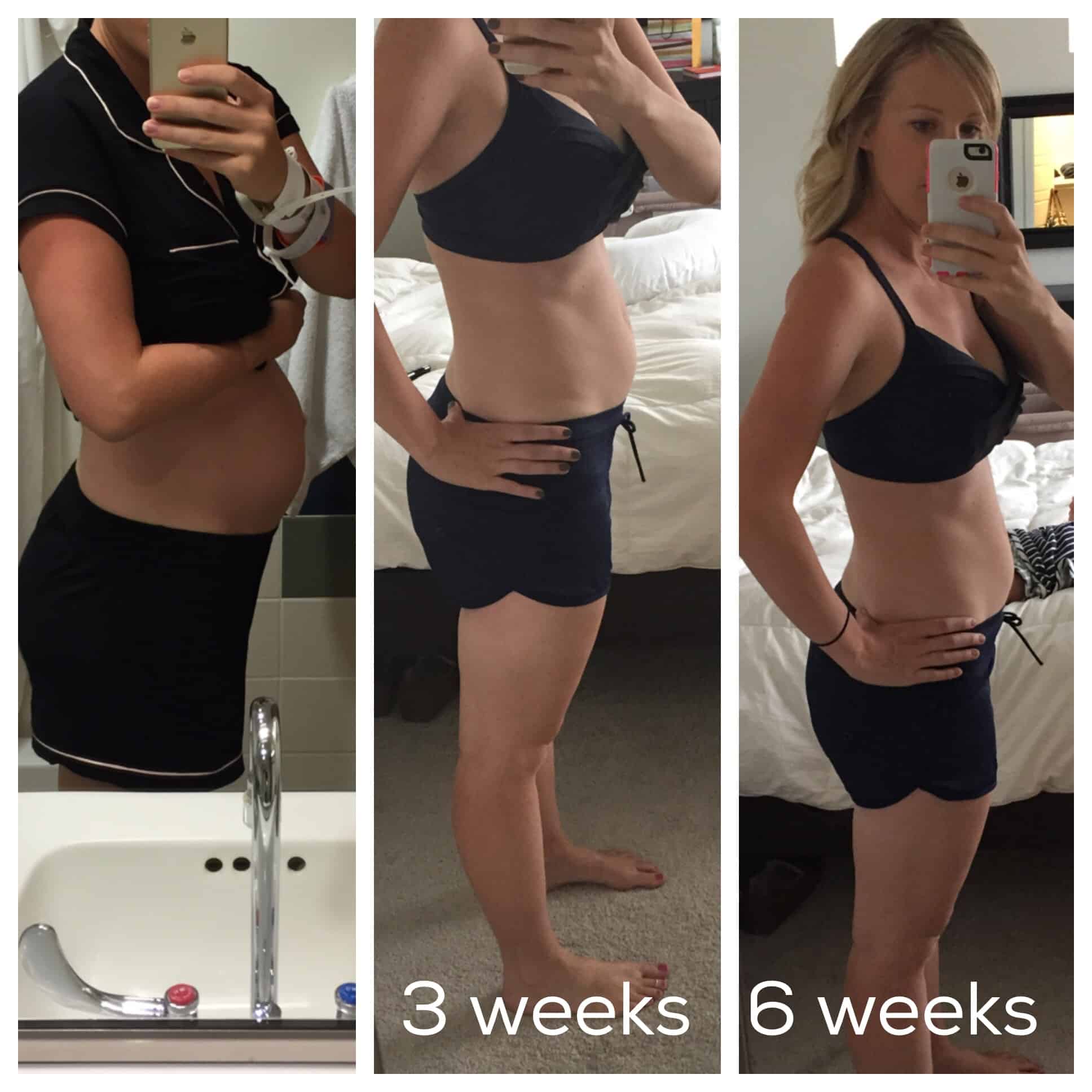
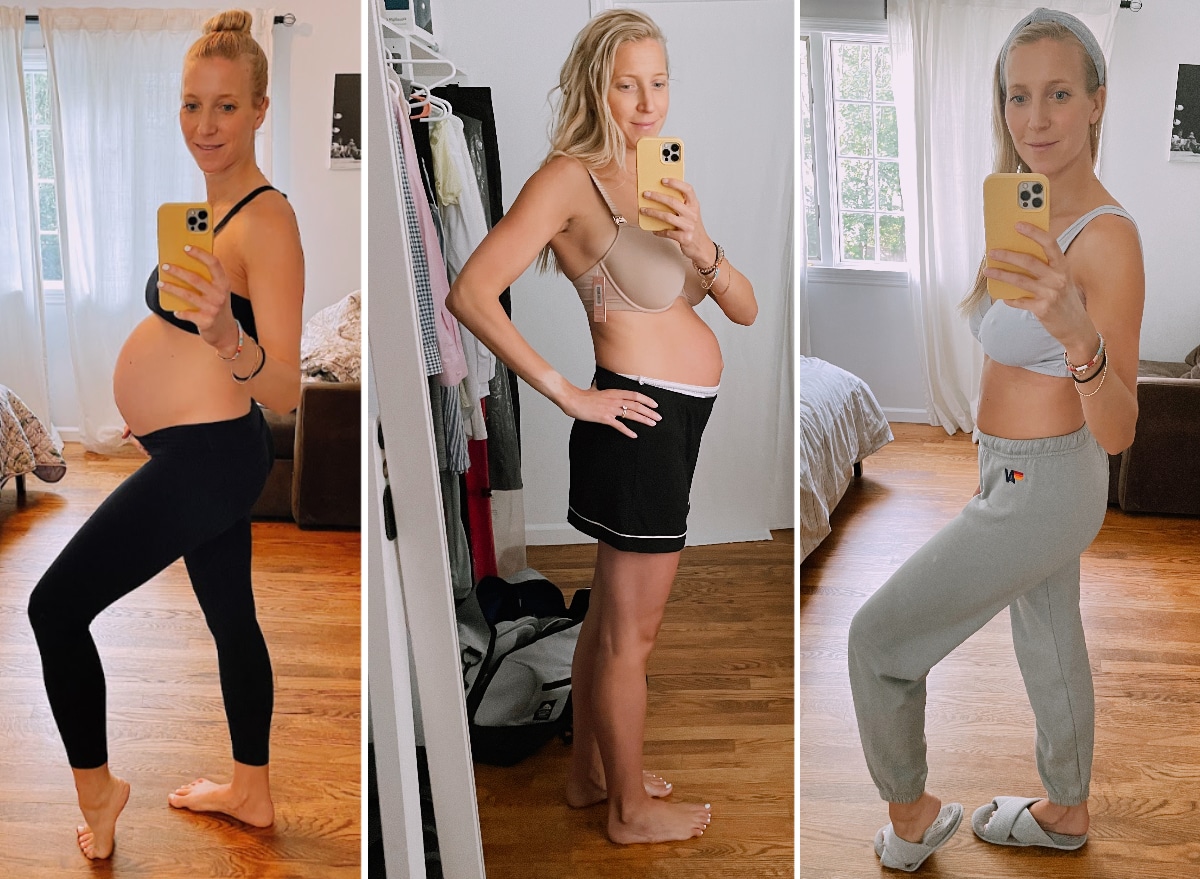
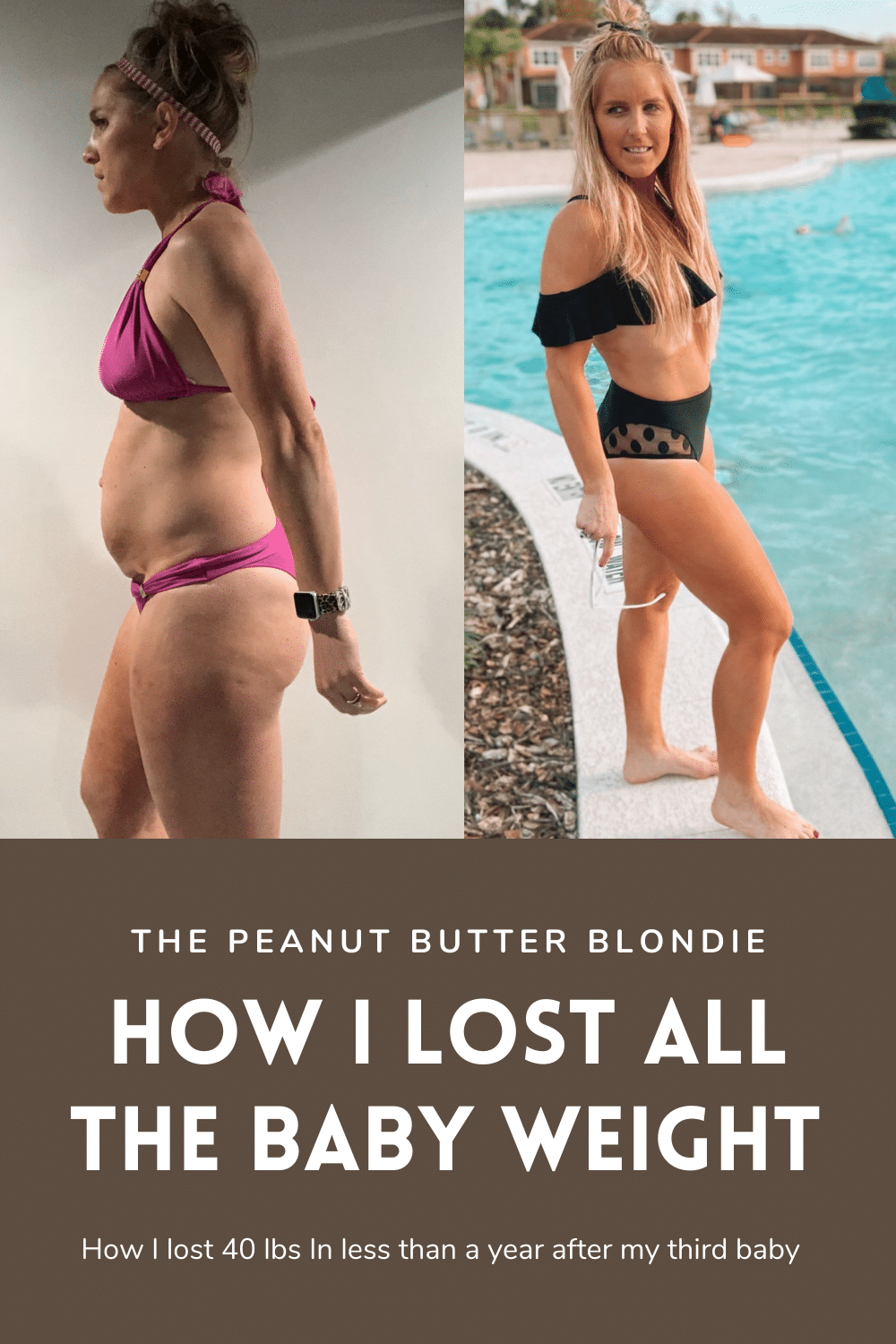
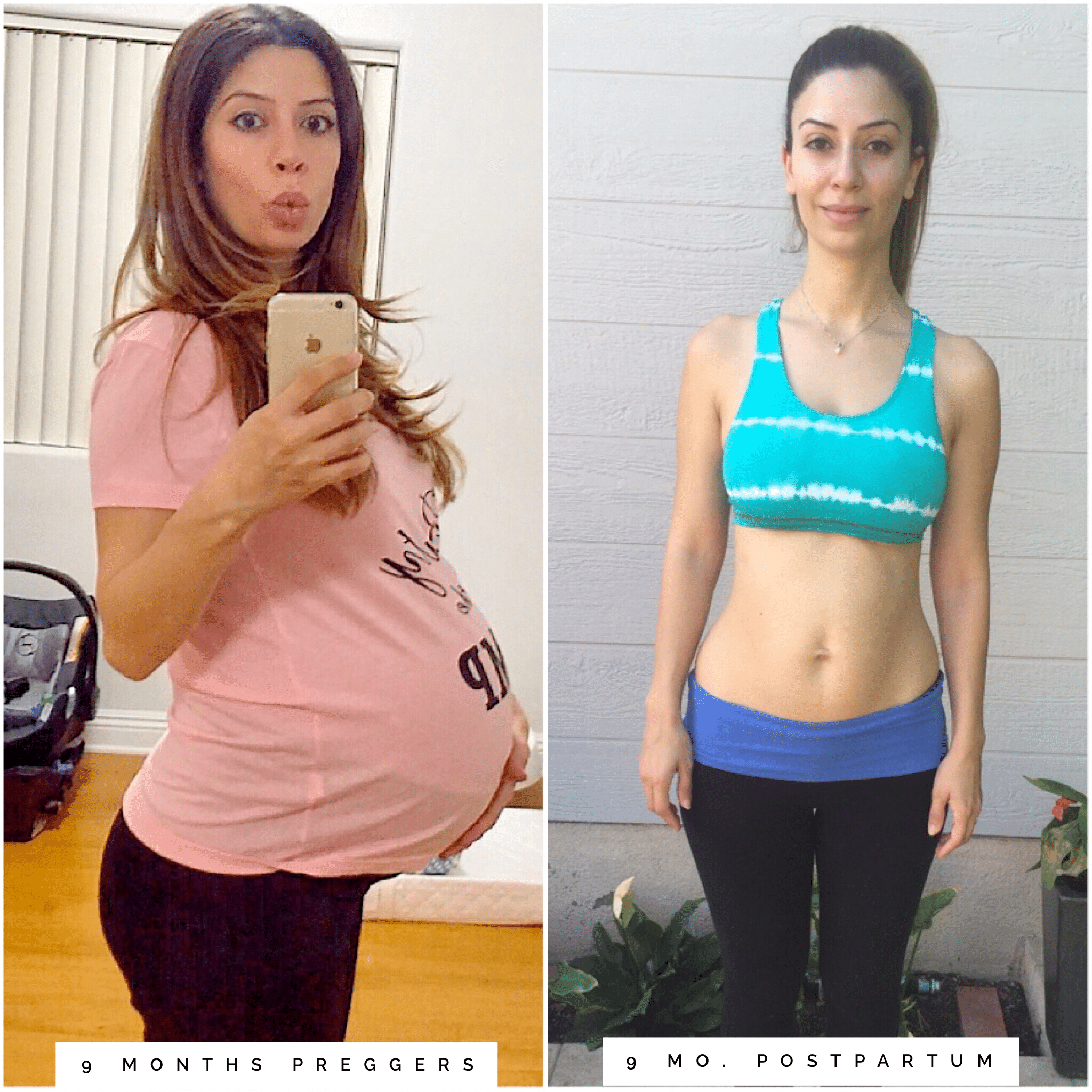
Congratulations on your new bundle of joy! Now that you’ve entered the postpartum phase, you may be looking to shed those extra pounds gained during pregnancy. In this article, we will unveil effective strategies to help you lose weight quickly after giving birth. From incorporating a balanced diet to finding time for exercise amidst your busy schedule, we’ve got you covered. Get ready to regain your pre-pregnancy body and feel confident in your own skin again. Discover the secrets to postpartum weight loss and embark on this exciting journey with us!

Nutrition
Balanced Diet
After giving birth, it’s important to focus on nourishing your body with a balanced diet. This means incorporating a variety of healthy foods from all food groups, including fruits, vegetables, whole grains, lean proteins, and healthy fats. A balanced diet provides the essential nutrients needed for postpartum recovery and supports breastfeeding if you choose to do so. Aim to include different colors and textures in your meals to ensure you’re getting a wide range of vitamins and minerals.
Calorie Counting
While it’s tempting to want to lose weight quickly after childbirth, it’s crucial to approach calorie counting with caution. Restricting your calorie intake too aggressively can be detrimental to your overall health and may even affect your milk supply if you’re breastfeeding. Instead of obsessing over counting calories, focus on the quality of the foods you’re consuming. Opt for nutrient-dense options that will provide you with the necessary energy and nourishment for both you and your baby.
Meal Planning
Meal planning can be a valuable tool for postpartum weight loss. By taking the time to plan your meals ahead of time, you can ensure that you have healthy options readily available, which can prevent you from reaching for less nutritious choices when hunger strikes. Consider incorporating a variety of food groups into each meal, such as lean proteins, whole grains, and plenty of fruits and vegetables. Meal planning can also help you stay on track with your goals and make grocery shopping more efficient.
Healthy Snacking
Choosing healthy snacks can help keep you satisfied between meals and prevent excessive hunger that may lead to overeating. Opt for snacks that are nutrient-dense and provide a combination of protein, fiber, and healthy fats. Some great options include Greek yogurt, nuts and seeds, fruits and vegetables with hummus, or a homemade trail mix. Be mindful of portion sizes when snacking, as it’s easy to overindulge if you’re not paying attention.
Food Timing and Frequency
In addition to the types of food you eat, the timing and frequency of your meals can also play a role in postpartum weight loss. Aim to eat regular meals and snacks throughout the day to keep your metabolism revved up and prevent excessive hunger. Skipping meals can lead to overeating later on, which may hinder your weight loss efforts. It can also be helpful to pay attention to your body’s hunger and fullness cues. Eat when you’re genuinely hungry and stop when you feel satisfied, rather than when you’re stuffed.
Exercise
Return to Exercise Safely
Before diving into any postpartum exercise routine, it’s essential to get the green light from your healthcare provider. Your body needs time to heal after childbirth, especially if you had a cesarean section or experienced any complications. Start with gentle exercises such as walking or postpartum yoga and gradually increase the intensity and duration as you feel stronger. Listen to your body and don’t push yourself too hard, especially in the early weeks.
Aerobic Exercises
Aerobic exercises are great for burning calories and improving cardiovascular health. They can also help you lose weight and increase your overall energy levels. Consider activities such as brisk walking, swimming, cycling, or low-impact aerobics classes specifically designed for postpartum women. These exercises get your heart pumping without putting excessive strain on your joints, making them a safe and effective choice for postpartum weight loss.
Strength Training
Strength training is an essential component of any well-rounded exercise routine. Not only does it help tone and strengthen your muscles, but it also boosts your metabolism, allowing you to burn more calories throughout the day. Incorporating exercises that target major muscle groups, such as squats, lunges, push-ups, and planks, can be a great way to build strength. Consider working with a personal trainer to ensure that you’re using proper form and technique to avoid injury.
Pelvic Floor Exercises
Pregnancy and childbirth can put a strain on your pelvic floor muscles, so it’s crucial to incorporate exercises that strengthen them postpartum. Strong pelvic floor muscles can help prevent incontinence, improve sexual function, and support your core muscles. Kegels and pelvic tilts are common exercises that can help strengthen your pelvic floor. Learning how to engage and relax these muscles properly is key, so consider seeking guidance from a pelvic floor physical therapist or a postpartum fitness specialist.
Postpartum Yoga or Pilates
Yoga and Pilates are excellent choices for postpartum exercise as they focus on building core strength, flexibility, and mind-body connection. These practices can help improve posture, relieve postpartum aches and pains, and reduce stress. Look for classes specifically designed for postpartum women to ensure that the exercises are appropriate for your recovery phase. If attending a class isn’t possible, there are many online resources and apps that offer guided postpartum yoga or Pilates sessions.

Breastfeeding
Benefits of Breastfeeding
Breastfeeding provides numerous benefits for both mom and baby. Not only does it provide optimal nutrition for your little one, but it also offers health advantages for you. Breast milk contains essential nutrients and antibodies that can boost your baby’s immune system and protect against illnesses. For mothers, breastfeeding can help stimulate uterine contractions, aiding in postpartum recovery. Additionally, it can help with bonding, promote weight loss, and reduce the risk of certain diseases such as breast and ovarian cancer.
Calorie Burn
Breastfeeding can help you burn extra calories, which can aid in postpartum weight loss. On average, breastfeeding can burn approximately 300-500 calories per day. However, it’s important to note that individual calorie expenditure may vary, depending on factors such as the frequency and duration of breastfeeding, your body size, and metabolism. While breastfeeding can contribute to weight loss, it’s crucial not to rely solely on it as a weight loss strategy. Pairing breastfeeding with a balanced diet and regular exercise is key to achieving sustainable weight loss.
Nutrient Intake
When breastfeeding, it’s essential to maintain proper nutrition to support both you and your baby’s needs. Your body requires extra calories and nutrients to produce breast milk. Focus on consuming a balanced diet that includes a variety of nutrient-dense foods. Aim for lean proteins, whole grains, fruits, vegetables, and healthy fats. Consider working with a registered dietitian who specializes in postpartum nutrition to ensure you’re getting the right nutrients in the right amounts.
Hydration
Staying hydrated is crucial for breastfeeding mothers. Breast milk is composed mostly of water, so it’s essential to drink enough fluids to maintain an adequate milk supply. Aim for at least 8-10 glasses of water per day, and consider keeping a water bottle nearby as a reminder to drink regularly. It can be helpful to drink fluids before and after each nursing session to ensure hydration. If you’re unsure about your hydration levels, a helpful indicator is the color of your urine. Clear or pale yellow urine is a sign of proper hydration.
Sleep and Stress Management
Importance of Sleep
Getting enough sleep is crucial for overall health and well-being, especially during the postpartum period. Lack of sleep can impact your energy levels, mood, and even your ability to lose weight effectively. Aim for quality sleep, even if it means taking short naps during the day when your baby sleeps. Establish a bedtime routine that promotes relaxation and helps signal to your body that it’s time to sleep. Limit activities that stimulate your mind before bed, such as using electronic devices or watching stimulating television shows.
Managing Stress Levels
The postpartum period can be overwhelming, and managing stress is vital for both your mental and physical health. Stress can impact your weight loss efforts by increasing the production of cortisol, a hormone that can contribute to weight gain, especially around the midsection. Find healthy ways to manage stress, such as practicing deep breathing exercises, engaging in hobbies you enjoy, or seeking support from friends, family, or a therapist. Remember to prioritize self-care and give yourself permission to take breaks when needed.
Relaxation Techniques
Incorporating relaxation techniques into your daily routine can help reduce stress and promote overall well-being. Consider incorporating activities such as meditation, deep breathing exercises, gentle yoga, or listening to calming music into your day. These practices can help you find moments of calm amidst the chaos of motherhood and provide you with the mental and emotional support you need during the postpartum phase. Find what works best for you and make it a priority to carve out time for relaxation each day.
Healthy Lifestyle Habits
Drinking Enough Water
Drinking enough water is crucial for overall health and well-being, especially during the postpartum period. Proper hydration supports breastfeeding, aids digestion, and helps maintain energy levels. Aim to drink at least 8-10 glasses of water per day, and increase your intake if you are engaging in exercise or breastfeeding. Make it a habit to carry a water bottle with you wherever you go, so you have a constant reminder to stay hydrated. If you find plain water boring, try infusing it with fruits or herbs for a burst of flavor.
Limiting Processed and Sugary Foods
Processed and sugary foods provide little nutritional value and can negatively impact your weight loss goals. These foods are often high in calories, unhealthy fats, and added sugars. Instead of relying on processed snacks or sugary desserts, opt for whole, unprocessed foods that nourish your body. Include plenty of fruits, vegetables, whole grains, lean proteins, and healthy fats in your diet. When cravings for sweets arise, try healthier alternatives such as fruit, yogurt, or a small piece of dark chocolate.
Avoiding Crash Diets
Crash diets promise quick weight loss, but they are often unsustainable and can be detrimental to your health. These diets typically involve severe calorie restriction and restrictive eating patterns, which may lead to nutrient deficiencies and muscle loss. Instead of resorting to extreme measures, focus on making long-term lifestyle changes that promote sustainable weight loss. Embrace a balanced and varied diet, portion control, and regular exercise as your foundation for success.
Mindful Eating
Mindful eating involves paying attention to your body’s hunger and fullness cues and being aware of your emotions and triggers when it comes to food. It’s essential to slow down and savor your meals, rather than rushing through them. Take the time to chew your food thoroughly and savor the flavors and textures. Avoid distractions such as phones or screens while eating, as this can lead to mindless overeating. Pay attention to how different foods make you feel and strive for a positive relationship with food that nourishes both your body and mind.
Recording Progress
Keeping track of your progress can be a valuable tool for motivation and accountability. Consider recording your food intake, exercise routines, and overall well-being in a journal or using a smartphone app. This can help you identify patterns or areas where you may need to make adjustments. Celebrate your successes along the way, whether it’s losing a few pounds, consistently sticking to your exercise routine, or making healthier choices. Remember that progress is not always linear, and setbacks are normal. Be gentle with yourself and keep moving forward.
Support System
Seeking Help from Family and Friends
Building a support system is essential during the postpartum period, both for emotional well-being and practical assistance. Reach out to your family and friends for support when needed. They can provide a listening ear, help with childcare, or even assist with meals and household chores, giving you more time and energy to focus on your well-being.
Consider Hiring a Postpartum Doula
A postpartum doula is a professional who specializes in supporting new mothers during the postpartum period. They can provide physical, emotional, and educational support, offering guidance with newborn care, breastfeeding, and postpartum recovery. Hiring a postpartum doula can be particularly beneficial if you don’t have a strong support system or if you’re feeling overwhelmed and in need of expert assistance and guidance.
Joining Support Groups
Connecting with other new mothers going through similar experiences can be incredibly helpful during the postpartum phase. Consider joining local support groups or online communities where you can share your triumphs, challenges, and concerns. These groups can provide a safe space for you to ask questions, seek advice, and find camaraderie. Sharing your journey with others who understand can provide you with invaluable emotional support and reassurance that you’re not alone.
Time Management
Setting Realistic Goals
When it comes to postpartum weight loss, setting realistic goals is key. Remember that each person’s journey is unique, and it may take time for your body to adjust and recover. Avoid comparing yourself to others or setting unrealistic expectations. Instead, focus on sustainable progress, and embrace small, gradual changes over time. Celebrate each milestone along the way, and be patient with yourself as you work towards your goals.
Creating a Daily Routine
Creating a daily routine can help you find a balance between caring for your baby and taking care of yourself. Establishing a routine can provide structure to your day and help ensure that you have time for self-care activities such as exercise, meal preparation, and relaxation. Flexibility is key as a new parent, so be open to adjusting your routine as needed to meet the ever-changing needs of your baby and yourself.
Making Time for Self-Care
Taking care of yourself is essential during the postpartum period, both for your physical and mental well-being. Make it a priority to carve out time each day for self-care activities that rejuvenate and recharge you. This could include indulging in a bubble bath, reading a book, going for a walk, or enjoying a hobby you love. Remember that self-care looks different for everyone, so find activities that bring you joy and make you feel replenished.
Balancing Baby Care and Personal Time
Finding a balance between caring for your baby and taking care of yourself can be challenging, but it’s crucial for your overall well-being. Enlist the help of your partner, family members, or close friends to share in the responsibilities of baby care. This can give you the opportunity to prioritize your self-care activities and ensure that you have the time and energy to focus on your own needs. Remember, taking care of yourself allows you to be the best caregiver for your little one.
Understanding Your Body
Give Yourself Time
It’s important to give yourself time to heal and adjust to your postpartum body. Pregnancy and childbirth bring significant changes to your body, and it’s unrealistic to expect immediate results. Be patient and kind to yourself as you navigate this new phase of life. Embrace your body and its incredible abilities to nourish and sustain life. Every person’s journey is unique, so focus on progress rather than perfection.
Focus on Health over Appearance
Instead of fixating solely on appearance, prioritize your health and well-being. This shift in mindset can be empowering and help you make choices that support your overall health and self-esteem. Engage in activities that make you feel good, both physically and mentally. By focusing on health, weight loss can become a natural byproduct of a balanced and sustainable lifestyle.
Listening to Your Hunger and Fullness Cues
Your body has an innate wisdom when it comes to hunger and fullness. Listen to these cues and honor them. Eat when you’re truly hungry and stop when you feel satisfied, rather than overeating out of habit or emotional reasons. Pay attention to how different foods make you feel and adjust your choices accordingly. Trusting your body and its signals can help you establish a healthy relationship with food.
Avoid Comparisons
Comparing yourself to others can be detrimental to your self-esteem and hinder your progress. Remember that everyone’s postpartum journey is different, and it’s essential to focus on your own unique path. Comparisons can lead to feelings of inadequacy or unrealistic expectations. Instead, celebrate your progress and be proud of the steps you’re taking towards achieving your goals. Surround yourself with positive influences and focus on self-acceptance and self-love.
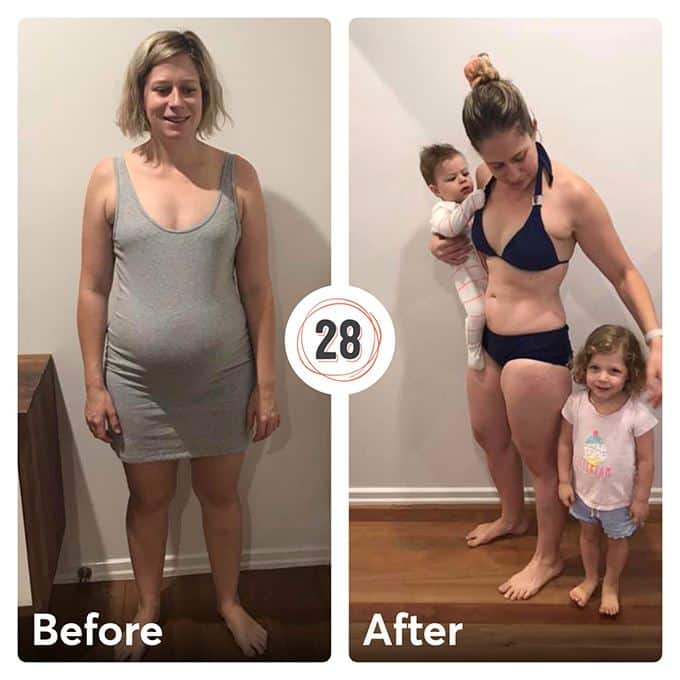
Avoiding Quick Fixes
Understanding the Dangers of Crash Diets
Crash diets promise quick results, but they often come with significant risks. Extreme calorie restriction and restrictive eating patterns can lead to nutrient deficiencies, lower metabolism, and muscle loss. These diets are typically unsustainable, and the weight lost is often regained once normal eating patterns resume. Instead of resorting to crash diets, focus on making long-term, sustainable changes that support your health and well-being.
Slow and Steady Approach
A slow and steady approach is key when it comes to postpartum weight loss. Gradual weight loss allows your body to adjust and recover properly, reducing the risk of nutrient deficiencies, muscle loss, or other adverse effects. Aim for a steady weight loss of 1-2 pounds per week, as this is considered a healthy and sustainable rate. Embrace small, incremental changes in your lifestyle that you can maintain in the long term.
Long-Term Lifestyle Changes
Instead of searching for quick fixes, focus on making long-term lifestyle changes that support your overall health and well-being. Sustainable weight loss requires a balanced diet, regular exercise, and healthy habits. Embrace a variety of nutrient-dense foods, find enjoyable ways to stay active, prioritize self-care, manage stress, and create a supportive environment. Incorporate these changes into your daily life, and they will contribute to lasting results and a healthy lifestyle.
Consulting Professionals
Talking to Your Doctor
Before embarking on any postpartum weight loss journey, it’s important to consult with your healthcare provider, especially if you had any complications during childbirth. Your doctor can provide guidance based on your specific needs, monitor your progress, and address any concerns. They can also offer recommendations for appropriate exercise routines, nutrition plans, and refer you to specialists if needed.
Working with a Registered Dietitian
A registered dietitian can play a valuable role in helping you achieve your postpartum weight loss goals. They are trained professionals who can provide personalized nutrition guidance and support. A dietitian can help you develop a meal plan that meets your specific needs, ensuring that you’re getting the right balance of nutrients. They can also offer strategies to overcome challenges, such as cravings or emotional eating, and provide ongoing support and accountability.
Hiring a Personal Trainer
If you’re unsure about how to start or progress with an exercise routine, consider working with a personal trainer who specializes in postpartum fitness. A personal trainer can design a safe and effective exercise program tailored to your needs and goals. They can guide you through proper form and technique, ensure you’re using appropriate intensity, and provide motivation and support. Working with a professional can help you maximize your workout efficiency and reduce the risk of injury.
In conclusion, postpartum weight loss is a journey that requires patience, self-compassion, and a focus on overall health. By nourishing your body with a balanced diet, engaging in regular exercise, prioritizing self-care, and seeking support when needed, you can achieve sustainable weight loss while also promoting your physical and mental well-being. Remember that every person’s journey is unique, and it’s important to listen to your body and prioritize health and self-care above appearance. With time, persistence, and a positive mindset, you can achieve your postpartum weight loss goals and embrace a healthy and vibrant lifestyle.