Are you looking to shed those extra pounds and achieve your ideal weight quickly? Look no further! The article “Lose Weight Fast For Females” is here to guide you on your weight loss journey. Filled with effective tips and strategies specifically tailored for women, this article will help you achieve your desired results in no time. Say goodbye to fad diets and hello to a healthier, happier you. Let’s get started on your transformation!

Creating a Weight Loss Plan
Losing weight can seem challenging, but with a well-designed plan, you can achieve your goals and improve your overall health. When creating a weight loss plan, it’s important to set realistic goals, determine your calorie intake, and establish an exercise routine that suits your needs and preferences.
Setting Goals
Setting clear and achievable goals is essential when embarking on a weight loss journey. Start by determining your desired weight loss target and break it down into smaller, more manageable milestones. By setting smaller goals, you can celebrate your progress along the way, providing motivation and a sense of accomplishment.
Remember, weight loss should be approached in a healthy and sustainable manner. Aim to lose 1-2 pounds per week, as this gradual approach is more likely to lead to long-term success compared to rapid weight loss methods.
Calorie Intake
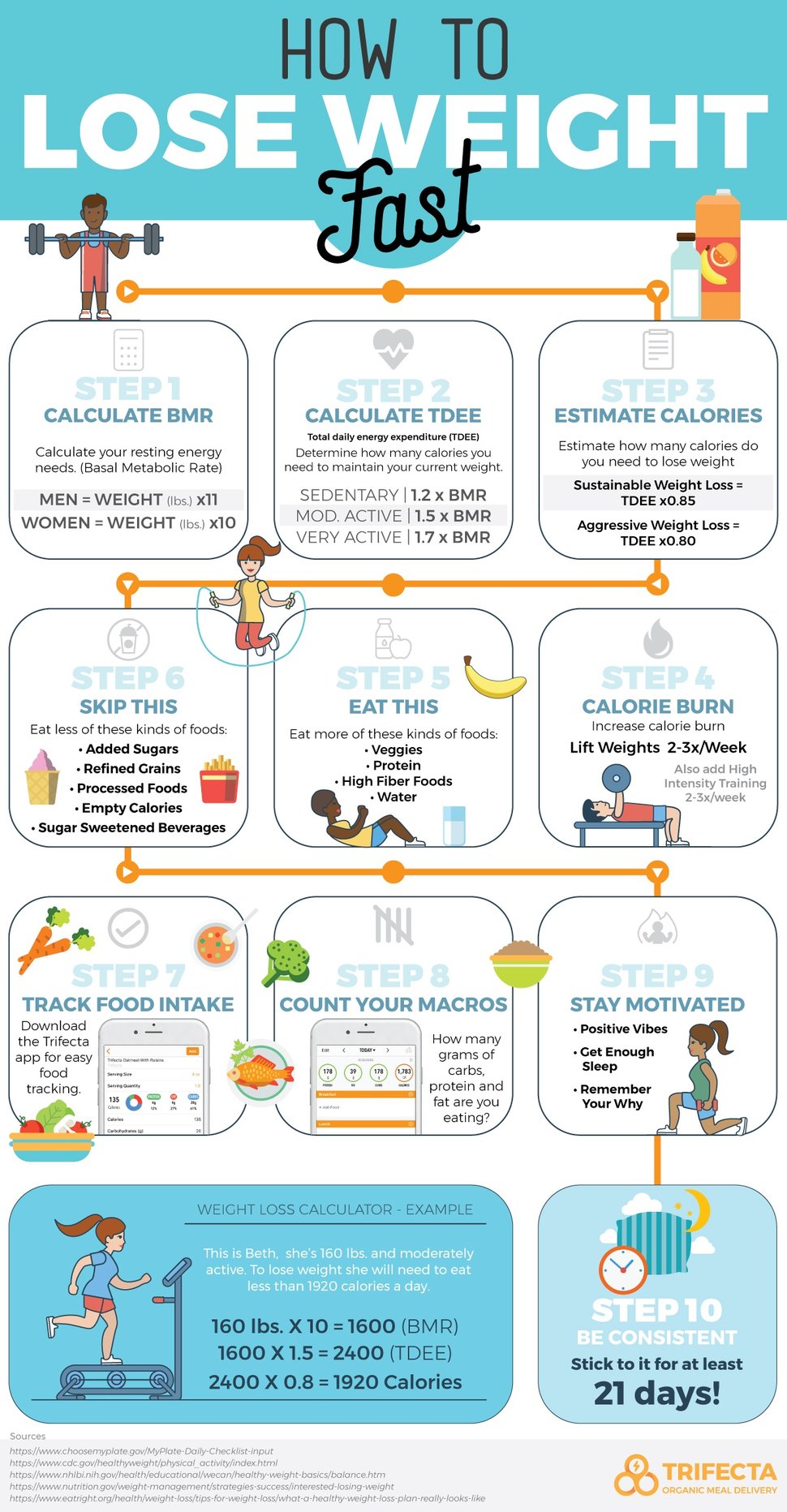
To lose weight, you need to consume fewer calories than you burn. It’s important to determine your daily calorie intake based on factors such as age, sex, weight, height, and activity level. You can use online calculators or consult with a healthcare professional to get an accurate estimate.
Once you have determined your daily calorie intake, make sure to create a calorie deficit by reducing your consumption. However, it’s crucial to strike a balance and not drastically restrict your calorie intake, as this can lead to nutrient deficiencies and negatively impact your metabolism.
Exercise Routine
Regular exercise plays a vital role in any weight loss plan. Choose activities that you enjoy and that align with your fitness level. Aim for a combination of cardiovascular exercises, strength training, and high-intensity interval training (HIIT) for maximum effectiveness.
Cardio exercises such as running, cycling, swimming, or dancing are great for burning calories and improving cardiovascular health. Strength training, such as weightlifting or bodyweight exercises, helps build muscle mass and boost metabolism, even at rest. HIIT workouts combine high-intensity bursts of exercise with short recovery periods, maximizing calorie burn in a shorter amount of time.
It’s important to find a balance between cardio, strength training, and HIIT exercises that fits your schedule and keeps you motivated. A mix of different workouts will not only help you lose weight but also improve your overall fitness and endurance.
Healthy Eating Habits
A key component of any weight loss plan is adopting healthy eating habits. A balanced diet, portion control, and meal planning can ensure you’re fueling your body with the nutrients it needs while maintaining a calorie deficit.
Balanced Diet
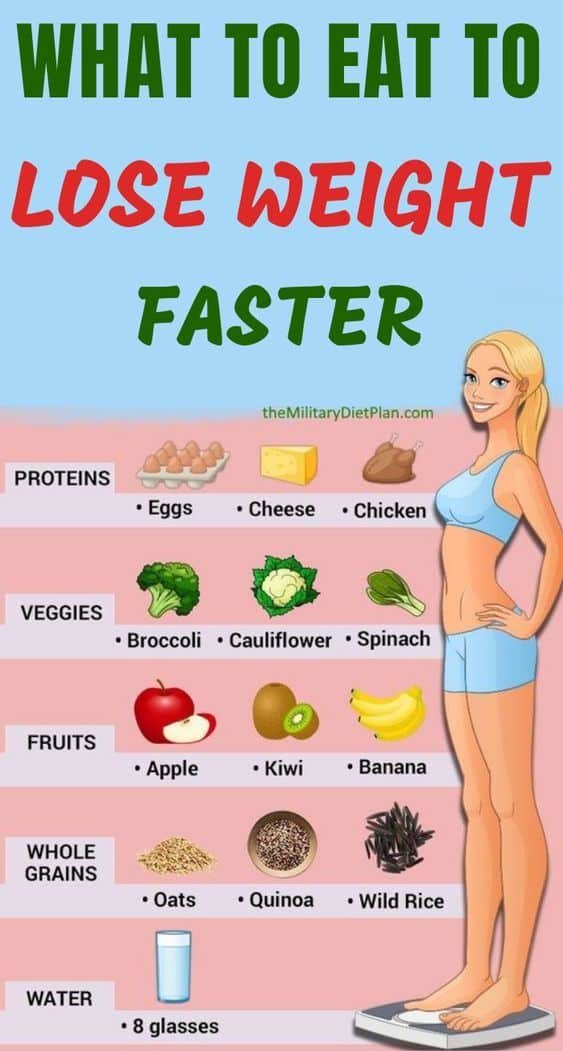
To promote weight loss and overall well-being, it’s essential to follow a balanced diet that includes a variety of food groups. Focus on incorporating lean proteins, whole grains, fruits, vegetables, and healthy fats into your daily meals. These foods provide essential nutrients, vitamins, and minerals necessary for your body’s optimal functioning.
Additionally, aim to limit your intake of processed foods, sugary snacks, and beverages, as they are often high in calories and offer little nutritional value. Instead, opt for fresh, whole foods that nourish your body and support your weight loss goals.
Portion Control
Portion control is crucial when trying to lose weight. It’s easy to overeat, especially when we aren’t mindful of our portion sizes. A useful trick is to use smaller plates and bowls to create the illusion of a fuller plate. Additionally, practicing mindful eating techniques, such as eating slowly and savoring each bite, can help you recognize feelings of fullness and prevent overeating.
Another helpful strategy is to measure or weigh your food portions, at least initially. This can give you a better understanding of appropriate serving sizes and help you develop a consistent sense of portion control over time.
Meal Planning
Meal planning is a powerful tool for weight loss success. By planning your meals in advance, you can make healthier food choices, save time, and minimize the temptation to indulge in unhealthy options.
When creating a meal plan, focus on incorporating nutrient-dense, low-calorie foods. Include a variety of fruits, vegetables, whole grains, lean proteins, and healthy fats. Aim to prepare your meals at home as often as possible, as this allows you to control the ingredients and portion sizes.
Remember to keep your meal plan flexible and enjoyable. Include your favorite foods in moderation to avoid feeling deprived and increase the sustainability of your weight loss journey.

Effective Workouts for Weight Loss
Exercise is an essential component of any weight loss plan, as it not only helps burn calories but also improves overall fitness and well-being. Incorporating a variety of workouts into your routine can provide better results and keep you motivated.
Cardio Exercises
Cardiovascular exercises are excellent for burning calories and improving heart health. Engage in activities such as brisk walking, jogging, swimming, cycling, or dancing. These exercises get your heart rate up and help you sweat, which leads to increased calorie burn.
To keep your cardio workouts interesting, try different activities and switch them up regularly. Consider joining group fitness classes or engaging in outdoor activities that you enjoy, as this can make the process more enjoyable and increase consistency.
Strength Training
Strength training is often overlooked in weight loss plans, but it plays a vital role in building lean muscle mass and increasing metabolism. By incorporating strength training exercises into your routine, you can continue to burn calories even after your workout is complete.
Include exercises that target major muscle groups, such as squats, lunges, push-ups, and bicep curls. Start with lighter weights or bodyweight exercises and gradually increase the intensity as your strength improves.
Strength training not only helps you lose weight but also improves your posture, bone density, and overall strength. Make sure to give your muscles time to recover by allowing a day or two of rest between strength training sessions.
High-Intensity Interval Training (HIIT)
If you’re short on time but want to maximize your calorie burn, HIIT workouts are a great option. HIIT involves short bursts of intense exercise followed by brief recovery periods. This type of training increases your heart rate, spikes your metabolism, and burns a significant amount of calories in a short amount of time.
HIIT workouts can be adapted to various exercises, such as running, cycling, or bodyweight movements. Experiment with different intervals and exercises to find what works best for you. Remember to warm up properly before starting a HIIT session and cool down afterward to prevent injury and aid recovery.
Incorporating HIIT workouts into your routine a few times a week can help accelerate your weight loss progress and improve your overall fitness level.
Incorporating Physical Activity into Daily Life
In addition to structured exercise sessions, finding ways to incorporate physical activity into your daily life can further support your weight loss goals. Making small changes to your daily routine can add up over time and contribute to increased calorie burn.
Walking or Biking Instead of Driving
Whenever possible, choose to walk or bike instead of driving. This simple change can increase your daily activity level, burn extra calories, and improve your overall fitness. Consider walking or biking to work, running errands on foot, or taking a leisurely stroll after dinner.
If you live in an area with limited walking or biking options, try parking further away from your destination or getting off public transportation a few stops earlier and walking the rest of the way. These small adjustments can make a big difference in your daily calorie expenditure.
Taking the Stairs
Instead of taking the elevator or escalator, opt for the stairs whenever possible. Climbing stairs is an excellent cardiovascular exercise that engages various muscle groups and burns calories. Challenge yourself to take the stairs at work, in shopping malls, or while running errands.
Not only does climbing stairs increase your daily activity level, but it also strengthens your leg muscles, improves endurance, and boosts cardiovascular health.
Making Time for Exercise
It’s important to prioritize exercise and make it a non-negotiable part of your daily routine. Schedule dedicated workout time in your calendar and treat it as a vital appointment that cannot be missed.
Finding an exercise routine that you enjoy and look forward to can make it easier to commit to regular physical activity. Experiment with different types of exercise, join classes or sports teams, or exercise with a workout buddy. When you enjoy what you’re doing and have the support of others, you’re more likely to stick to your exercise routine and achieve your weight loss goals.
Importance of Hydration
Staying hydrated is crucial for overall health and plays a significant role in weight loss. Proper hydration helps regulate your metabolism, aids digestion, and reduces the likelihood of mistaking thirst for hunger. To support your weight loss efforts, focus on drinking enough water and reducing the consumption of sugary beverages.
Drinking Enough Water
Make it a habit to drink an adequate amount of water throughout the day. On average, aim for at least eight cups (64 ounces) of water daily. Drinking water can help you feel fuller, prevent overeating, and promote proper digestion.
To make it easier to stay hydrated, carry a water bottle with you throughout the day and sip on water regularly. You can also infuse your water with fruits, herbs, or cucumbers to add flavor and make it more enjoyable.
Reducing Sugary Beverages
It’s important to limit your consumption of sugary beverages when trying to lose weight. These drinks, such as soda, sweetened tea, and energy drinks, are packed with calories and offer little nutritional value. Instead, opt for healthier alternatives like unsweetened tea, flavored water, or sparkling water.
Reducing your intake of sugary beverages not only decreases your calorie consumption but also improves your overall health and reduces the risk of conditions like obesity, diabetes, and heart disease.
Managing Stress and Emotional Eating
Stress and emotional eating can significantly impact weight loss progress. Learning healthy coping mechanisms and practicing mindful eating can help overcome these challenges and develop a positive relationship with food.
Finding Healthy Coping Mechanisms
Finding healthy ways to cope with stress, rather than turning to food, is crucial for maintaining a balanced, nutritious diet. Engage in activities that help you relax and destress, such as practicing yoga, meditating, taking a long bath, or engaging in a hobby that brings you joy.
Additionally, talk to a trusted friend or family member, seek professional counseling, or join a support group to address any underlying emotional issues contributing to your eating habits.
Mindful Eating
Practicing mindful eating can help you establish a healthier relationship with food and prevent emotional eating. Take the time to savor and appreciate each bite, chew slowly, and pay attention to your body’s hunger and fullness cues. Avoid distractions while eating, such as watching TV or using electronic devices, as this can lead to mindless overeating.
Being mindful of your food choices and eating habits allows you to fully enjoy your meals and make conscious decisions that align with your weight loss goals.

Creating a Support System
Having a support system can greatly enhance your weight loss journey. Joining a weight loss group or program and seeking support from friends and family can provide encouragement, accountability, and a sense of community.
Joining a Weight Loss Group or Program
Consider joining a weight loss group or program, either in person or online. These communities offer valuable resources, support, and advice from individuals who share similar goals and challenges. Being part of a group that understands your experiences can provide motivation, accountability, and ideas for healthy meals and exercises.
Seeking Support from Friends and Family
Share your weight loss goals with your friends and family. Having their support, encouragement, and understanding can make a significant difference in your journey. They can help keep you accountable, cheer you on during challenging times, and celebrate your milestones along the way.
By creating a support system, you’ll have a network of individuals who can offer guidance, motivation, and a listening ear when you need it most.
Tracking Progress and Celebrating Milestones
Tracking your progress and celebrating milestones is essential for staying motivated and monitoring your weight loss journey. By keeping a food and exercise diary and rewarding yourself for your achievements, you can stay on track and maintain a positive mindset.
Keeping a Food and Exercise Diary
Maintaining a food and exercise diary allows you to track your daily intake, monitor progress, and identify areas for improvement. Consider writing down everything you eat and drink, along with the duration and intensity of your workouts. This log can help you identify patterns and make adjustments as needed.
There are also various apps and online tools available that can simplify the process of tracking your food and exercise. Experiment with different options to find the one that works best for you.
Rewarding Yourself
As you reach your weight loss milestones, it’s important to celebrate your achievements. Reward yourself with non-food-related treats, such as a massage, new workout gear, a day at the spa, or a relaxing weekend getaway.
Recognizing and celebrating your progress reinforces your commitment to your weight loss journey and provides motivation to keep pushing forward. Be proud of your accomplishments and use them as fuel to continue pursuing a healthier lifestyle.
Avoiding Crash Diets and Fad Weight Loss Methods
It’s crucial to steer clear of crash diets and fad weight loss methods that promise quick results but are often unsustainable and potentially harmful. Instead, focus on making sustainable lifestyle changes that promote long-term success.
Focusing on Sustainable Lifestyle Changes
Aim for lasting change by focusing on sustainable lifestyle modifications. Instead of looking for quick fixes, commit to creating healthy habits that can be maintained over time. Gradually incorporate nutritious foods into your diet, find enjoyable ways to stay active, and prioritize self-care and stress management.
Remember, the goal is to adopt a healthy lifestyle that you can maintain for years to come, not just to lose weight temporarily.
Seeking Professional Guidance
If you’re unsure about creating a weight loss plan or need additional guidance, consider seeking support from healthcare professionals, such as registered dietitians, nutritionists, or personal trainers. They can provide personalized advice, help you set realistic goals, and monitor your progress along the way.
Professional guidance ensures that you’re making informed decisions and receiving the necessary support to maximize your weight loss efforts in a safe and healthy manner.
Getting Adequate Sleep
Adequate sleep is often overlooked when it comes to weight loss, but it plays a crucial role in maintaining overall health and supporting your weight loss efforts. Prioritizing sleep and establishing a bedtime routine can lead to improved energy levels, better food choices, and a regulated metabolism.
Prioritizing Sleep
Make it a priority to get seven to nine hours of quality sleep each night. Aim for consistency by setting a regular sleep schedule and creating a sleep-friendly environment in your bedroom. Avoid electronic devices before bed, create a calming bedtime routine, and ensure your sleeping environment is quiet, dark, and comfortable.
Getting ample rest allows your body to recover, regulates hormones that control appetite, and reduces the likelihood of consuming extra calories due to tiredness or cravings.
Establishing a Bedtime Routine
Establishing a bedtime routine can signal to your body that it’s time to wind down, promoting quality sleep. Engage in relaxing activities before bed, such as reading a book, taking a warm bath, practicing meditation or deep breathing exercises, or listening to calming music.
Consistency is key when it comes to your sleep routine. Try to go to bed and wake up at the same time each day, even on weekends. This sets your body’s internal clock and promotes a healthy sleep-wake cycle.
By prioritizing sleep and establishing a consistent bedtime routine, you’ll support your weight loss efforts and improve your overall well-being.
In conclusion, creating a comprehensive weight loss plan requires setting achievable goals, monitoring your calorie intake, incorporating effective workouts, incorporating physical activity into your daily life, staying hydrated, managing stress and emotional eating, creating a support system, tracking progress and celebrating milestones, avoiding crash diets, and prioritizing adequate sleep. By following these guidelines and making sustainable lifestyle changes, you can achieve your weight loss goals and embark on a journey toward a healthier, happier you. Remember, weight loss is a gradual process, so be patient, stay consistent, and celebrate every step forward.