Trying to shed those extra pounds? Look no further! We’ve got the perfect solution for you – the Lose Fat Fast Workout Plan. This comprehensive program is designed to help you lose fat quickly and efficiently, without compromising your health or well-being. Say goodbye to fad diets and endless hours on the treadmill – this workout plan combines targeted exercises, strategic nutrition, and expert guidance to help you achieve your weight loss goals in no time. Get ready to transform your body and boost your confidence with our Lose Fat Fast Workout Plan.

The Importance of a Workout Plan for Fat Loss
Why a workout plan is essential for losing fat fast
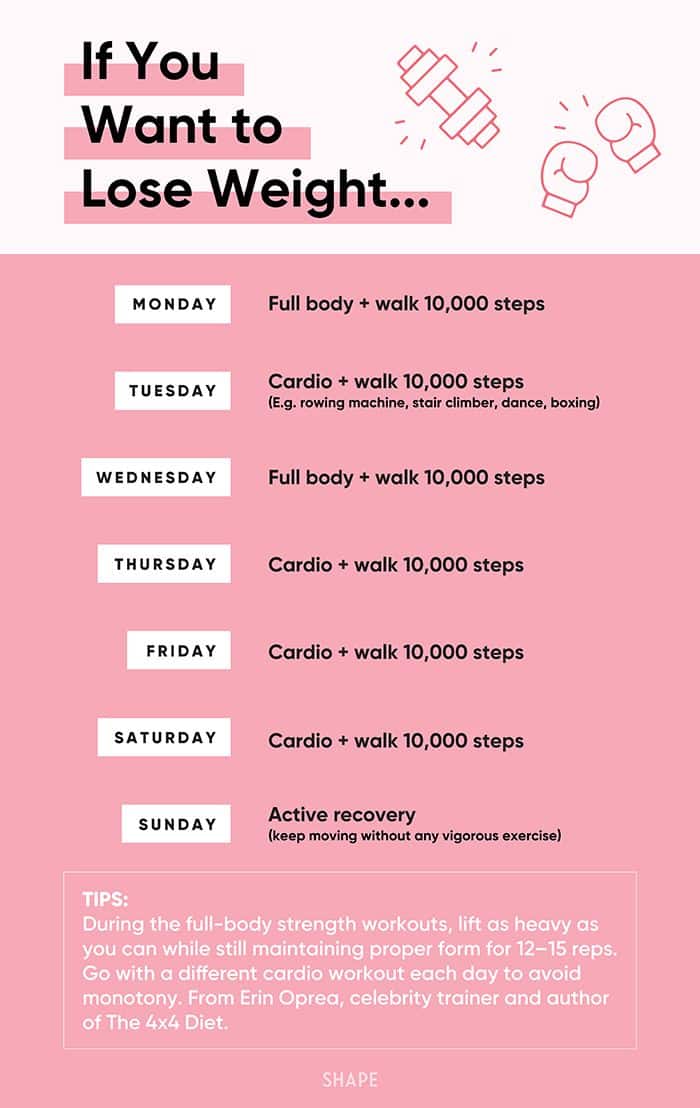
Having a well-designed workout plan is crucial if you want to lose fat quickly and effectively. While diet plays a significant role in fat loss, exercise is equally important as it helps burn calories and build lean muscle. Without a proper workout plan, you may end up wasting time and effort on exercises that do not target fat loss specifically. A well-structured workout plan provides a roadmap for your fitness journey and helps you stay on track towards your fat loss goals.
How a workout plan can help accelerate fat loss
A workout plan tailored to fat loss can help accelerate your progress in several ways. Firstly, it helps you maximize calorie burn by incorporating exercises that increase your heart rate and challenge your body. Secondly, a workout plan ensures that you are targeting all major muscle groups, allowing you to build lean muscle mass. This, in turn, increases your metabolic rate and helps your body burn more calories even at rest. Moreover, a well-designed workout plan helps prevent muscle loss during fat loss, ensuring that you are losing fat and not valuable muscle tissue.
The role of consistency in a workout plan
Consistency is key when it comes to achieving fat loss goals. A workout plan acts as a framework that helps you stay consistent with your exercise routine. By following a set schedule and committing to regular workouts, you are more likely to stay motivated and make progress. Consistency also allows your body to adapt to the demands of the workout plan, leading to improved fitness and enhanced fat loss. Remember, it’s not just about occasional intense workouts, but rather about maintaining a consistent effort over time.
Creating an Effective Workout Plan
Setting specific fat-loss goals
Before you start creating a workout plan, it’s crucial to set specific fat-loss goals. Having clear goals helps you stay focused and motivated throughout your fitness journey. Make sure to set realistic and achievable goals. For example, aim to lose a certain number of pounds per week or target a specific waist measurement. Write down your goals and refer to them regularly to track your progress and stay committed to your plan.
Determining the best exercises for fat burning
To optimize your fat loss, it’s essential to select exercises that are most effective for burning calories and targeting fat stores. Both cardiovascular exercises and strength training play a significant role in fat loss. Cardio exercises, such as running, cycling, or swimming, elevate your heart rate and increase calorie burn during and after the workout. Strength training exercises, such as weightlifting or bodyweight exercises, help build lean muscle mass, which boosts your metabolism and increases fat burning. Combining these two types of exercises in your workout plan will help you achieve optimal fat loss results.
Planning a balanced workout routine
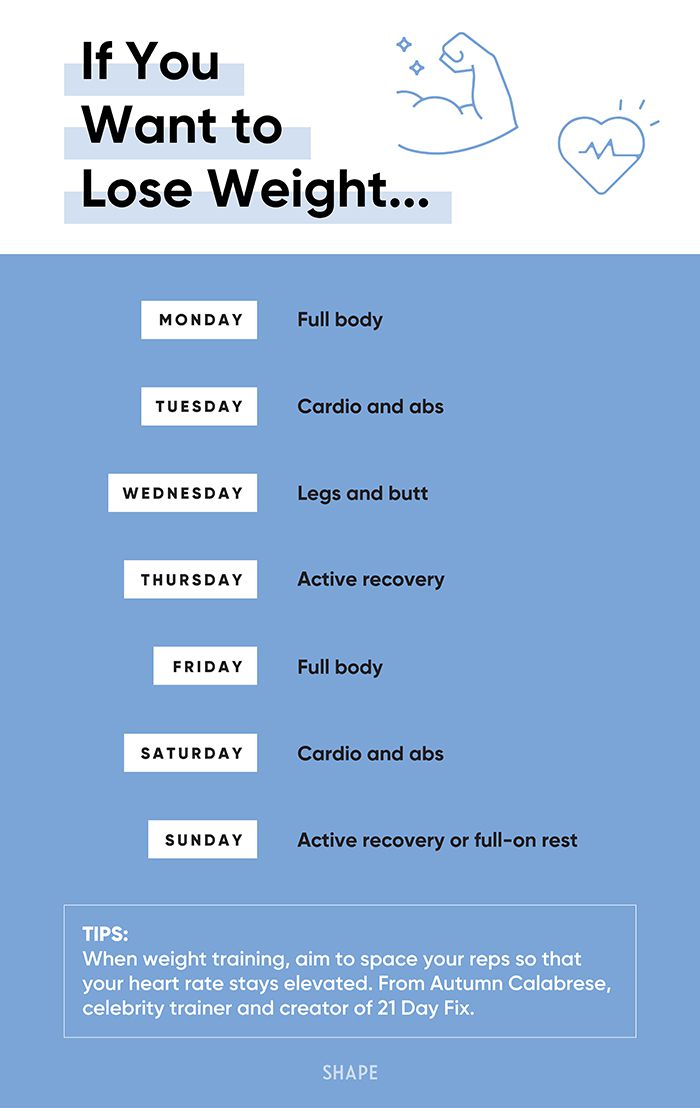
When creating a workout plan for fat loss, it’s important to ensure balance and variety. Aim to include exercises that target different muscle groups and engage your entire body. A combination of cardiovascular exercises and strength training should form the foundation of your routine. Additionally, incorporate exercises that challenge your core stability and flexibility, such as Pilates or yoga. Balancing different types of exercises not only helps prevent boredom but also allows for overall fitness development while maximizing fat loss.
Incorporating both cardio and strength training
To achieve rapid fat loss, it’s vital to include both cardio and strength training exercises in your workout plan. Cardiovascular exercises help you burn calories, increase your aerobic capacity, and improve cardiovascular health. Aim for at least 150 minutes of moderate-intensity cardio exercise or 75 minutes of vigorous-intensity cardio exercise per week. Include activities you enjoy, such as running, cycling, dancing, or swimming.
Strength training is equally important as it helps build lean muscle mass and boosts your metabolism. Incorporate two to three strength training sessions per week, targeting major muscle groups with exercises like squats, lunges, push-ups, and deadlifts. Using dumbbells or resistance bands can further intensify your strength training workouts. Remember to allow for adequate rest between strength training sessions to allow your muscles to recover and adapt.

Cardiovascular Exercises for Fat Loss
The benefits of cardiovascular exercises for fat loss
Cardiovascular exercises are highly effective for fat loss due to their ability to burn calories and improve cardiovascular health. Engaging in regular cardio workouts helps create a calorie deficit, which is crucial for weight and fat loss. Moreover, cardio exercises improve your heart and lung function, enhancing overall fitness levels. Increased aerobic capacity allows you to perform daily tasks with ease and improves endurance for other physical activities.
Different types of cardio exercises to include in your workout plan
There are several types of cardio exercises to choose from when designing your fat loss workout plan. Running or jogging is a popular choice as it requires minimal equipment and can be done anywhere. Cycling, either outdoors or on a stationary bike, is a low-impact option that provides a great cardiovascular challenge. Swimming is an excellent full-body workout that is gentle on the joints while still providing a high level of calorie burn. Other options include dancing, jumping rope, HIIT (high-intensity interval training), and group fitness classes like Zumba or kickboxing.
How to structure your cardio workouts for maximum fat burning
To maximize fat burning during your cardio workouts, it’s important to structure them effectively. Start with a warm-up of five to ten minutes to prepare your body for exercise. Then, choose a cardio activity of your choice and perform it at a moderate to high intensity for 20 to 30 minutes. This intensity should be challenging enough to elevate your heart rate and make you break a sweat. However, make sure not to overdo it – listen to your body and adjust the intensity based on your fitness level.
If you have a shorter amount of time available, consider incorporating high-intensity interval training (HIIT) into your workout plan. HIIT involves alternating short bursts of intense exercise with periods of active recovery. This approach has been shown to increase calorie burn and improve cardiovascular fitness in a shorter amount of time.
Strength Training for Fat Loss
The importance of strength training in a fat loss workout plan
Strength training is a vital component of a fat loss workout plan as it helps build lean muscle mass and increases overall calorie expenditure. Lean muscle requires more energy to maintain than fat, so by increasing your muscle mass, you naturally boost your metabolism and burn more calories throughout the day. Additionally, strength training helps shape and tone your muscles, giving you a sculpted and defined appearance.
Different types of strength training exercises for fat burning
There are various types of strength training exercises you can incorporate into your fat loss workout plan. Compound exercises, which involve multiple muscle groups, are particularly effective. Examples of compound exercises include squats, deadlifts, lunges, bench presses, and overhead presses. These exercises engage large muscle groups, requiring more energy and resulting in greater fat burn.
Isolation exercises can also be included to target specific muscle groups and enhance muscle definition. Exercises like bicep curls, tricep extensions, and calf raises isolate specific muscles and can be added to your routine for additional strengthening and toning.
How to incorporate strength training into your routine
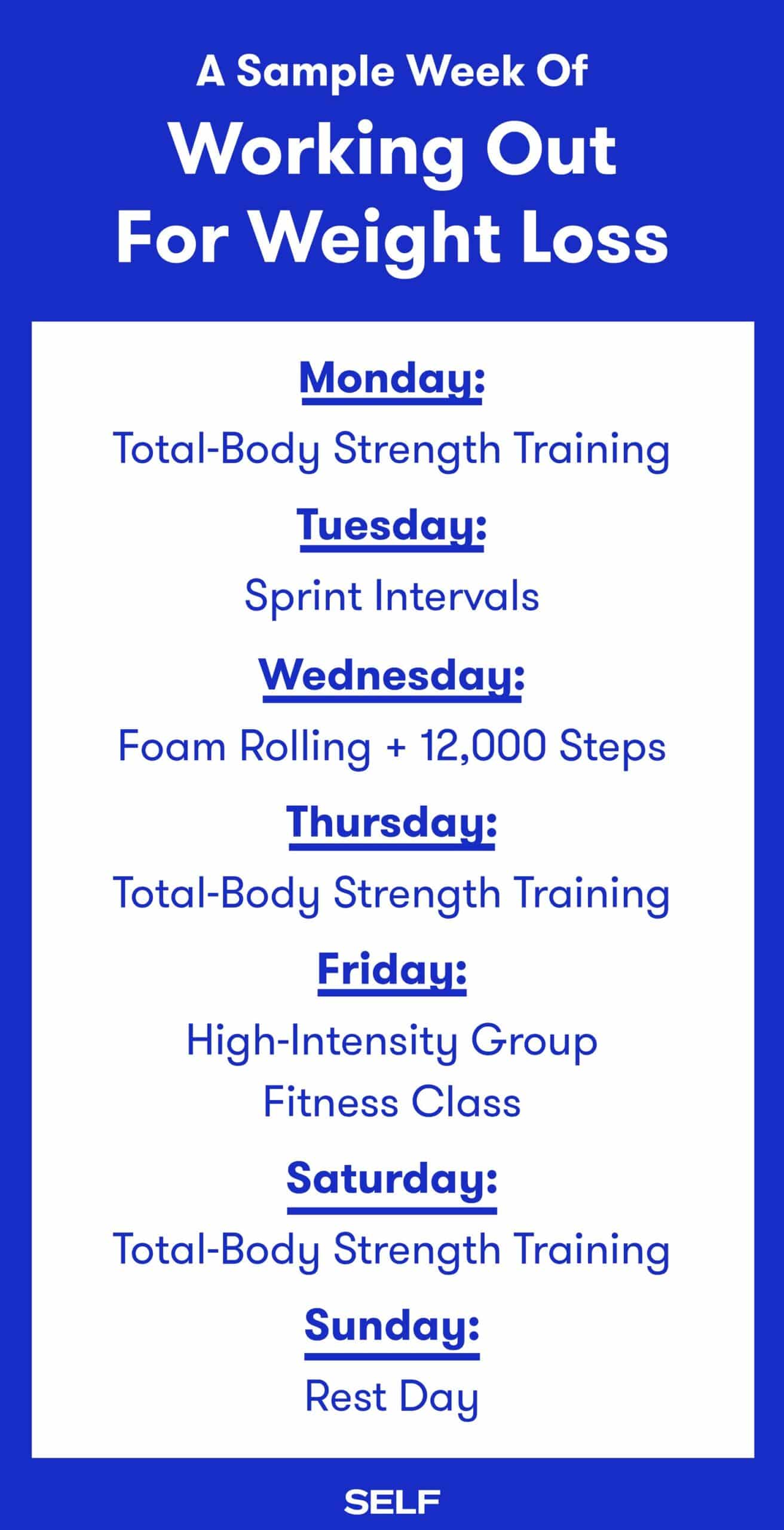
To incorporate strength training into your workout plan, aim to perform two to three sessions per week. Allow at least 48 hours of recovery between sessions to give your muscles time to repair and grow. Focus on different muscle groups on different days to avoid overworking specific areas and to ensure well-rounded development.
If you are new to strength training, consider working with a certified personal trainer who can guide you through proper form and technique. They can help you create a tailored strength training program based on your goals and fitness level. Gradually increase the weight and intensity of your exercises over time to continue challenging your muscles and promoting fat loss.
HIIT Workouts for Rapid Fat Loss
Understanding the concept of high-intensity interval training
High-intensity interval training (HIIT) is a workout technique that involves short bursts of intense exercise followed by periods of active recovery or complete rest. The intense intervals push your heart rate to its maximum capacity, and the recovery periods allow for brief rest to catch your breath and lower the heart rate. This pattern is repeated for a specific number of rounds or a set duration, resulting in a highly efficient and time-saving workout.
The benefits of HIIT workouts for fat loss
HIIT workouts are incredibly effective for fat loss due to their ability to increase calorie burn both during and after the workout. The intense intervals help elevate your heart rate and boost your metabolism, resulting in an increased calorie burn during the exercises. Additionally, HIIT workouts stimulate the “afterburn effect” or excess post-exercise oxygen consumption (EPOC). This means your body continues to burn calories at an elevated rate even after the workout is complete, assisting with fat loss.
Sample HIIT workouts to try in your workout plan
Incorporating HIIT workouts into your fat loss workout plan is a great way to maximize calorie burn and achieve rapid results. Here are a few sample HIIT workouts to get you started:
-
Tabata Workout:
- Perform 20 seconds of high-intensity exercise (such as burpees or squat jumps)
- Rest for 10 seconds
- Repeat for a total of 8 rounds (4 minutes)
- Experiment with different exercises for each round to keep it challenging and engaging.
-
Circuit Training:
- Set up a circuit of five to six exercises targeting different muscle groups (e.g., push-ups, jumping lunges, mountain climbers, kettlebell swings, and planks).
- Perform each exercise for 45 seconds at a high intensity
- Rest for 15 seconds between exercises
- Complete the circuit for three to four rounds with minimal rest between rounds.
-
Pyramid Intervals:
- Choose an exercise, such as sprinting, cycling, or rowing.
- Start with a 30-second sprint followed by a 30-second recovery.
- Increase the sprint duration by 10 seconds with each round (e.g., 40 seconds, 50 seconds, 60 seconds).
- Once you reach the peak duration, start decreasing the sprint duration by 10 seconds with each round back to 30 seconds.
- Maintain the same recovery time throughout the workout.
- Aim for four to five full pyramids for a total workout duration of 20-25 minutes.
Remember to tailor the intensity and duration of HIIT workouts to your fitness level. Start gradually and progressively increase the intensity and duration as you get fitter and more comfortable with the exercises.
The Role of Nutrition in Fat Loss
The impact of diet on fat loss
While exercise is crucial for fat loss, proper nutrition plays an equally important role. To achieve lasting fat loss, it’s essential to create a calorie deficit by consuming fewer calories than your body needs. This can be achieved by adopting a well-balanced and nutritious diet that focuses on whole, unprocessed foods and portion control.
Tips for maintaining a healthy and balanced diet for fat loss
Here are some tips to help you maintain a healthy and balanced diet for fat loss:
-
Prioritize whole, nutrient-dense foods: Choose foods that are rich in vitamins, minerals, and fiber, such as fruits, vegetables, whole grains, lean proteins, and healthy fats. These foods provide essential nutrients while keeping you satisfied and full.
-
Control portion sizes: Be mindful of portion sizes to avoid overeating. Use smaller plates or containers to help with portion control and listen to your body’s hunger and fullness cues.
-
Stay hydrated: Drinking an adequate amount of water is essential for overall health and can support fat loss by keeping you hydrated and promoting optimal metabolic function. Aim for at least 8 cups (64 ounces) of water per day.
-
Limit added sugars and processed foods: Minimize your intake of sugary beverages, processed snacks, and desserts, as they can contribute to weight gain and hinder fat loss progress. Opt for natural sweeteners or healthier alternatives when craving something sweet.
-
Prioritize protein: Protein is essential for fat loss as it helps preserve lean muscle mass, promotes satiety, and boosts your metabolism. Include lean sources of protein such as chicken breast, turkey, fish, tofu, or legumes in your meals.
Remember, creating a sustainable and enjoyable eating plan is key for long-term success. Avoid strict diets or extreme calorie restrictions, as they are often difficult to maintain and can lead to nutrient deficiencies or disordered eating patterns. Consult with a registered dietitian for personalized guidance and support in creating a healthy and balanced diet plan.
Tracking Progress and Making Adjustments
The importance of tracking your progress
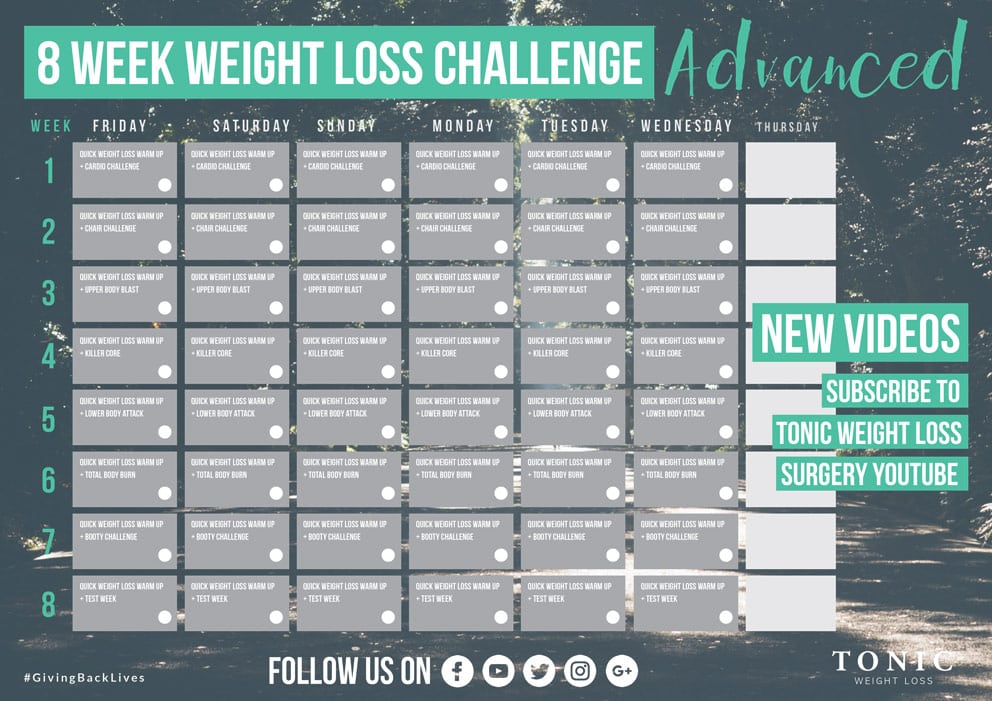
Tracking your progress is crucial to determine the effectiveness of your workout plan and make necessary adjustments. While the scale can be a useful tool, it doesn’t give the complete picture of your progress. Consider tracking other measurements like body measurements (waist, hips, etc.), body fat percentage, or taking progress photos. Additionally, record your performance improvements, such as increased weights lifted or improved endurance in cardio workouts.
How to measure fat loss and monitor changes
While there are various methods to measure fat loss, it’s important to choose a method that is reliable and provides consistent results. Here are some common methods:
-
Body measurements: Use a measuring tape to track changes in waist, hips, thighs, and other key areas. Note down the measurements regularly and compare them over time.
-
Body fat percentage: There are several ways to estimate body fat percentage, such as using specialized scales, handheld devices, or calipers. These methods provide a more accurate assessment of changes in body composition compared to weight alone.
-
Progress photos: Take pictures of yourself at regular intervals in the same lighting and pose. Compare these photos to visualize changes in your body shape and overall appearance.
Remember that weight can fluctuate due to various factors like water retention, muscle gain, or hormonal changes. Don’t rely solely on the scale as a measure of progress but use it as one of many tools to track your fat loss journey.
Making adjustments to your workout plan as needed
As you progress in your fat loss journey, it’s important to assess and make adjustments to your workout plan to continue challenging your body and avoid plateauing. Here are a few indicators that it’s time to adjust your plan:
-
Stalled progress: If you notice that your fat loss has plateaued and you are no longer making progress, it may be time to switch up your routine. Consider changing exercises, increasing weights or resistance, modifying repetitions and sets, or trying different workout styles.
-
Lack of challenge: If your workouts start to feel too easy or you find yourself not breaking a sweat, it may indicate that your body has adapted to the current routine. Gradually increase the intensity, duration, or resistance to ensure ongoing progress.
-
Boredom or lack of motivation: If you find yourself losing interest or lacking motivation to stick to your workout plan, it’s important to introduce variety and make it enjoyable. Try new exercises, join group fitness classes, or incorporate outdoor activities to keep things exciting and fresh.
-
New goals: If you have achieved your initial fat loss goals and want to focus on other aspects of fitness, such as strength or endurance, it’s time to modify your workout plan accordingly. Incorporate exercises and training methods that align with your new goals to continue challenging and improving your overall fitness.
Remember, consistency is key when implementing any adjustments to your workout plan. Give your body time to adapt to the changes, and monitor your progress closely to ensure your new plan is effective.
Staying Motivated and Overcoming Plateaus
Tips for staying motivated throughout your fat loss journey
Staying motivated is crucial for long-term success in your fat loss journey. Here are some tips to help you stay motivated:
-
Set realistic goals: Ensure that your goals are attainable and specific. Break them down into smaller milestones to track your progress and celebrate your achievements along the way.
-
Surround yourself with support: Share your goals with supportive friends, family, or a workout buddy. Having a support system can provide encouragement and accountability to stay on track.
-
Find enjoyment in exercise: Choose activities that you genuinely enjoy and look forward to. If you enjoy your workouts, you’re more likely to stick with your plan and achieve your fat loss goals.
-
Mix up your routine: Avoid boredom by adding variety to your workouts. Try new exercises or change your workout environment to keep things interesting and prevent monotony.
-
Reward yourself: Establish a reward system for achieving certain milestones or sticking to your workout plan consistently. Treat yourself to non-food rewards like new workout gear, a massage, or a day off to relax and rest.
Remember that motivation may fluctuate throughout your journey, and it’s essential to rely on discipline and commitment during times when motivation wanes. Remind yourself of the reasons why you started and the benefits you’ll reap from accomplishing your fat loss goals.
How to overcome plateaus and continue making progress
Experiencing plateaus is common during a fat loss journey, but it doesn’t mean you’ve hit a dead-end. Here are some strategies to overcome plateaus and continue making progress:
-
Adjust your nutrition: Re-evaluate your caloric intake and make sure you are still creating a calorie deficit. Consider consulting with a registered dietitian to fine-tune your meal plan and make necessary adjustments.
-
Change up your workouts: Introduce new exercises, vary your intensity or duration, or try different training methods. Shocking your body with new stimuli can reignite fat loss progress.
-
Increase intensity or weights: Challenge your body by increasing the intensity of your workouts or lifting heavier weights. This can help break through a plateau and stimulate further fat burning.
-
Prioritize recovery: Ensure that you are allowing your body enough time to recover between workouts. Incorporate rest days, sleep well, and practice stress management techniques to optimize recovery and reduce the risk of plateauing.
-
Stay consistent: Plateaus can be discouraging, but staying consistent with your workout plan and maintaining a healthy lifestyle is key. Trust the process and keep pushing forward, even when progress seems slower than expected.
-
Seek professional guidance: If you’re struggling to overcome a plateau or need expert advice, consider working with a personal trainer or fitness coach who can provide personalized guidance and tailored workouts.
Remember, plateaus are a natural part of any fitness journey, and overcoming them requires patience, persistence, and making gradual changes to your routine.
Avoiding Common Mistakes in a Fat Loss Workout Plan
Common mistakes to avoid when trying to lose fat fast
When embarking on a fat loss journey, it’s crucial to avoid common mistakes that can hinder your progress. Here are some mistakes to watch out for:
-
Relying solely on exercise: While exercise is important for fat loss, relying solely on exercise without addressing your nutrition can limit your results. It’s important to create a calorie deficit through a combination of exercise and a well-balanced diet.
-
Neglecting strength training: Some people focus solely on cardio exercises and neglect strength training. Strength training helps build lean muscle, which increases your metabolism and enhances fat burning. Incorporate both cardio and strength training into your workout plan for optimal results.
-
Overtraining: Pushing yourself too hard and not allowing enough rest and recovery can lead to overtraining. This can result in decreased performance, increased risk of injury, and stalled progress. Listen to your body and schedule rest days to allow your muscles time to recover and adapt.
-
Ignoring proper form and technique: Performing exercises with incorrect form can lead to injuries and hinder progress. Take the time to learn proper form and technique for each exercise, and consider working with a personal trainer to ensure you’re performing them correctly.
-
Not tracking progress: Failure to track your progress can make it difficult to assess the effectiveness of your workout plan and make necessary adjustments. Regularly measure your body composition, record workout statistics, and take progress photos to keep track of your fat loss journey.
-
Following unsustainable or extreme diets: Crash diets or extreme calorie restrictions are not sustainable and can lead to nutrient deficiencies, muscle loss, and a slower metabolism. Focus on creating a balanced eating plan that supports your fat loss goals without compromising your overall health and well-being.
By avoiding these common mistakes and focusing on a balanced approach to exercise and nutrition, you can set yourself up for long-term fat loss success.
Incorporating Rest and Recovery
The importance of rest and recovery in a workout plan
Rest and recovery are often overlooked but crucial components of a successful workout plan. Proper rest allows your body to repair and rebuild muscle tissue, prevent overtraining, and reduce the risk of injuries. It also helps restore energy levels and optimize performance during subsequent workouts. Neglecting rest and recovery can lead to fatigue, decreased motivation, and hindered progress.
How to structure rest days for optimal fat loss
To incorporate rest and recovery into your fat loss workout plan, it’s important to schedule regular rest days. Here are some guidelines for structuring your rest days:
-
Schedule at least one or two rest days per week: Allow for at least one or two full days of rest per week to give your body adequate time to recover. Use this time for light activities like stretching, walking, or yoga, which promote active recovery while minimizing stress on your muscles.
-
Listen to your body: Pay attention to your body’s signals and adjust your rest days accordingly. If you feel excessively fatigued or experience muscle soreness, consider taking an additional rest day or engaging in low-intensity activities until you feel recovered.
-
Incorporate active recovery: On your rest days, consider engaging in active recovery activities that promote blood flow, flexibility, and relaxation. This can include activities like gentle stretching, yoga, foam rolling, or using a massage ball to relieve muscle tension.
-
Prioritize sleep: Sleep is an essential component of rest and recovery. Aim for seven to nine hours of quality sleep per night to promote optimal muscle repair, hormone regulation, and overall well-being. Establish a consistent sleep schedule and create a sleep-friendly environment to enhance sleep quality.
Remember, proper rest and recovery are just as important as physical exercise in achieving fat loss goals. Listen to your body, prioritize rest, and allow yourself time to recharge between workouts to ensure long-term success.
In conclusion, creating a comprehensive workout plan tailored to fat loss is essential if you want to achieve your goals efficiently and effectively. By setting specific goals, incorporating a balance of cardiovascular exercises and strength training, adding HIIT workouts, focusing on nutrition, and tracking progress, you can create a plan that maximizes fat loss while promoting long-term health. Stay motivated, overcome plateaus, and prioritize rest and recovery to ensure a sustainable fat loss journey. With dedication, consistency, and a well-designed workout plan, you’ll be well on your way to reaching your fat loss goals.