
If you’re determined to shed some pounds and improve your overall fitness, hitting the gym can be an excellent choice. But where do you begin? In this article, we will guide you on how to work out at the gym to lose weight effectively. From choosing the right exercises to creating a workout plan tailored to your goals, we’ve got you covered. With our friendly tips and advice, you’ll be on your way to reaching your weight loss goals in no time. So lace up those sneakers, grab a towel, and let’s get started!
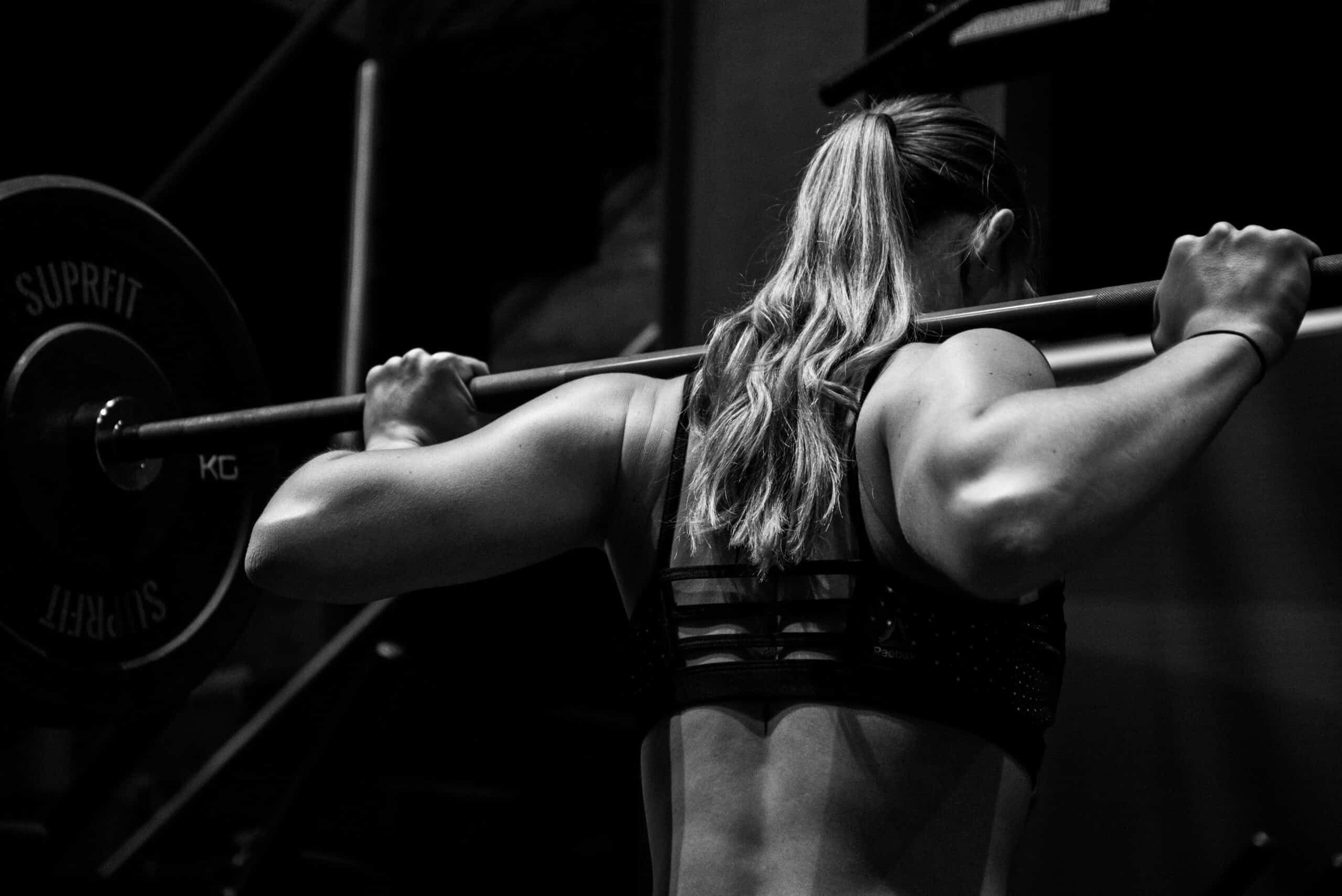

Choosing the Right Gym
When it comes to choosing a gym, one of the most important factors to consider is the location. It should ideally be situated in close proximity to your home or workplace, making it convenient for you to visit regularly. A gym that is conveniently located will increase the likelihood of you sticking to your workout routine.
Membership options also play a crucial role in determining the right gym for you. Consider the different packages and plans offered by the gym and choose one that best suits your needs and budget. Some gyms offer monthly memberships, while others may have annual contracts. Take your time to carefully evaluate the options available and select the one that aligns with your preferences.
The equipment and facilities available at the gym are another important aspect to consider. Make sure that the gym is well-equipped with a variety of exercise machines and equipment that caters to your workout needs. Additionally, check if the gym provides facilities such as showers, lockers, and amenities that will enhance your overall gym experience.
Trainer availability is also a significant factor to consider when selecting a gym. Having access to qualified trainers who can guide and assist you in achieving your fitness goals can make a huge difference in your workout journey. Look for a gym that has a team of experienced trainers who can provide personalized guidance and support as you work towards your weight loss goals.
Setting Clear Goals
Before you embark on your weight loss journey at the gym, it is essential to define your weight loss goals. Be specific about the amount of weight you want to lose and the time frame within which you aim to achieve it. Setting clear and realistic goals will help you stay focused and motivated throughout your fitness journey.
Alongside defining your weight loss goals, it is important to set achievable targets. Break down your overall weight loss goal into smaller milestones that you can aim to achieve along the way. This will not only make your weight loss journey more manageable but will also provide a sense of accomplishment as you reach each milestone.
Tracking your progress is crucial when it comes to losing weight effectively at the gym. Keep a record of your weight, body measurements, and workout routines. This will help you understand if you are making progress towards your goals. Additionally, tracking your progress will also allow you to identify any areas where you may need to adjust your workout routine or eating habits.


Creating a Workout Schedule
Determining the frequency of your workouts is an important aspect of creating a workout schedule. Ideally, aim for at least three to five workouts per week for optimal weight loss results. However, it is important to remember that starting slow and gradually increasing your frequency is key to avoiding burnout and injuries.
Choosing the days on which you will work out is another consideration when creating a workout schedule. Take into account your personal and professional commitments, and select days where you can dedicate sufficient time and energy to your workouts. This will ensure consistency and make it easier to stick to your workout routine.
Selecting a suitable workout time is also crucial in maintaining consistency. Some individuals prefer morning workouts as it helps energize and set a positive tone for the day. Others may find evening workouts more suitable as a way to unwind after a long day. Choose a workout time that complements your lifestyle and allows you to give your best effort during your workout sessions.
Warm-Up Exercises
Understanding the importance of warm-up exercises is crucial before diving into your workout routine. Warm-ups prepare your body for exercise by increasing blood flow to your muscles and raising your body temperature. This helps prevent injuries and enhances your overall performance during your workouts.
Cardiovascular warm-up exercises are an essential part of your warm-up routine. They help elevate your heart rate and prepare your cardiovascular system for the upcoming workout. Simple activities such as brisk walking, cycling, or jumping jacks can be effective cardiovascular warm-up exercises.
Dynamic stretching is another important component of a proper warm-up routine. This involves moving your joints through a full range of motion, which helps improve flexibility and prevent muscle strains. Incorporate dynamic stretches such as arm circles, leg swings, and torso twists before your workout to increase your range of motion and reduce the risk of injury.
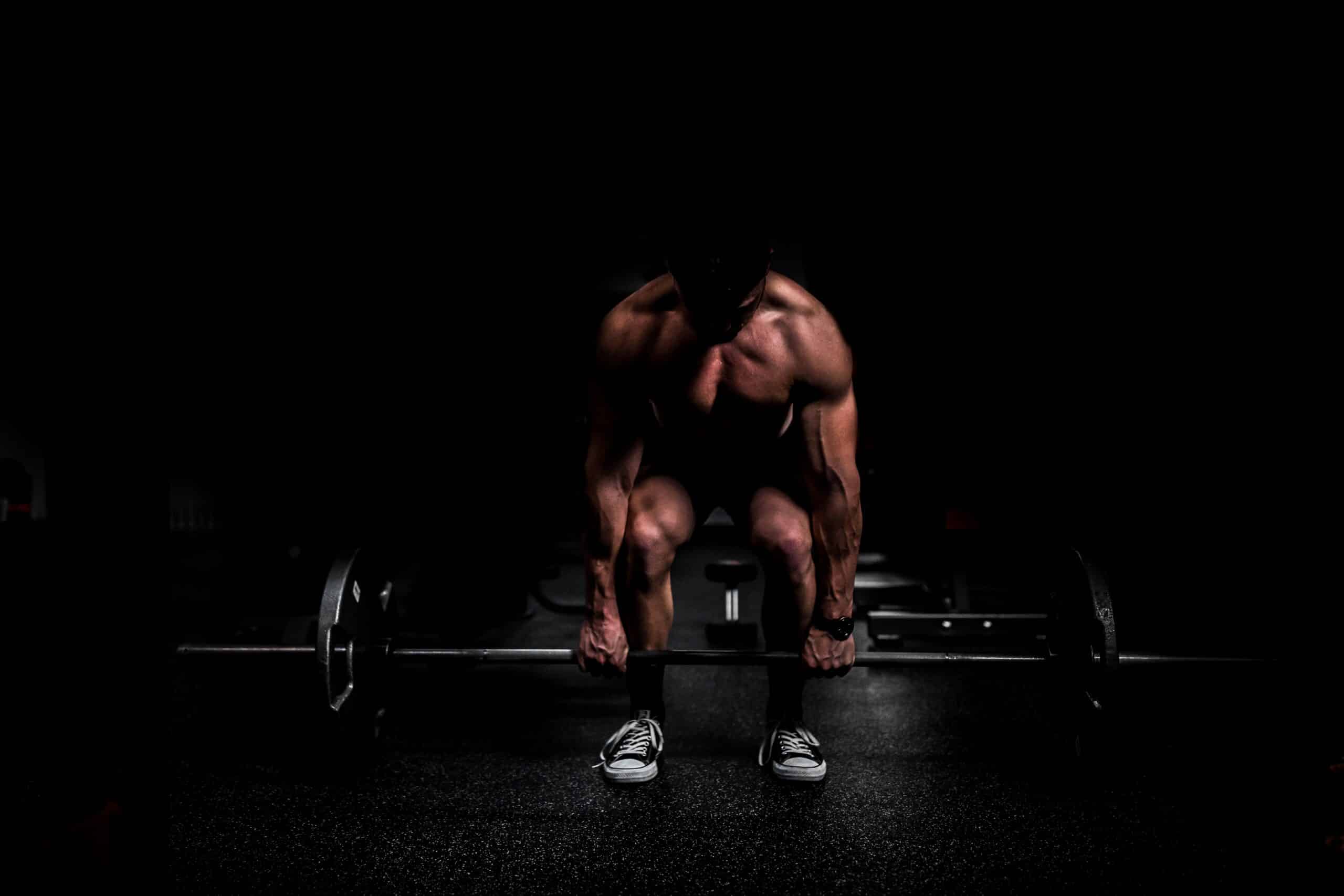
Cardiovascular Exercises
Cardiovascular exercises are an integral part of any weight loss program. They help burn calories, increase heart rate, and improve overall cardiovascular health. When it comes to choosing cardio machines, consider options such as treadmills, stationary bikes, rowing machines, and ellipticals. Select one or a combination of these machines based on your personal preference and fitness level.
The recommended duration for cardiovascular exercises varies depending on your fitness level and weight loss goals. Beginners can start with 20-30 minutes of cardio per session and gradually increase the duration over time. Intermediate or advanced individuals may aim for 45-60 minutes of cardio per session to maximize calorie burn and weight loss.
Cardiovascular exercises are highly effective for weight loss as they help create a calorie deficit in the body. By consistently incorporating cardio into your workout routine, you can burn significant amounts of calories. However, it is important to emphasize that sustainable weight loss also requires a balanced diet and strength training exercises.
Strength Training
In addition to cardiovascular exercises, incorporating strength training into your workout routine is essential for effective weight loss. Strength training not only helps build lean muscle mass but also increases your metabolism, allowing you to burn calories more efficiently even at rest.
There are different types of strength training exercises to choose from, including free weights, weight machines, and bodyweight exercises. Experiment with different exercises to find those that you enjoy and that target the specific muscle groups you want to focus on. It is important to maintain proper form and technique to prevent injuries and maximize the effectiveness of your strength training routine.
Choosing appropriate weights is crucial when starting a strength training program. Ensure that the weights you select challenge your muscles enough to stimulate growth and progress, but are not so heavy that they compromise your form or lead to injury. Start with lighter weights, if necessary, and gradually increase the resistance as your strength improves.
Utilizing Circuit Training
Circuit training is a highly effective workout method that combines cardiovascular and strength training exercises into a single workout session. It involves performing a series of exercises back-to-back with minimal rest in between. Circuit training offers various benefits, including improved cardiovascular endurance, increased calorie burn, and efficient use of time.
One of the key benefits of circuit training is that it keeps your heart rate elevated throughout the entire workout, resulting in cardiovascular benefits similar to traditional cardio exercises. Additionally, the combination of strength and cardio exercises in circuit training promotes muscle development and overall body toning.
A sample circuit training routine could include exercises such as jumping jacks, squats, push-ups, lunges, and planks. Perform each exercise for a set duration or a specific number of repetitions, and then move on to the next exercise without stopping. Aim to complete the entire circuit two to three times for an effective workout.
Incorporating High-Intensity Interval Training (HIIT)
High-Intensity Interval Training (HIIT) is an advanced workout technique that involves alternating between short bursts of intense exercise and periods of rest or lower-intensity exercise. HIIT is known for its ability to burn calories, boost metabolism, and accelerate weight loss.
Understanding HIIT is crucial before incorporating it into your workout routine. HIIT workouts involve pushing yourself to your maximum effort during the intense intervals, followed by shorter recovery periods. This cycle is repeated for a specific duration, typically 20-30 minutes. HIIT workouts can be customized based on your fitness level, and they can be adapted to various forms of cardiovascular exercise such as running, cycling, or jumping rope.
The benefits of HIIT for weight loss are numerous. It not only burns calories during the workout but also increases your metabolic rate for hours after the workout, resulting in continued calorie burn. HIIT workouts are also efficient and time-saving, making them suitable for individuals with busy schedules.
Effective Weight-Loss Strategies
In addition to your workout routine, several strategies can help you achieve weight loss more effectively.
Monitoring your calorie intake is crucial for weight loss. Keep a food diary or use a smartphone app to track your daily calorie consumption. This will increase your awareness of what you are eating and help you make healthier choices. Aim for a moderate calorie deficit by consuming slightly fewer calories than you burn, but ensure that you are still meeting your nutritional needs.
Including resistance training exercises in your workout routine is another effective weight-loss strategy. As mentioned earlier, strength training helps build lean muscle mass, which increases your metabolism and calorie burn. Incorporate strength training exercises like squats, deadlifts, and bench presses into your workouts to maximize fat loss.
Staying hydrated is often overlooked but is crucial for weight loss. Drinking an adequate amount of water not only helps maintain proper bodily functions but also promotes satiety and prevents overeating. Aim to drink at least eight glasses of water per day, and adjust your intake based on your activity level and climate.
Recovery and Rest
While consistent exercise is important for weight loss, it is equally important to prioritize recovery and rest. Rest days allow your body to recover and repair itself, preventing overtraining and reducing the risk of injury. Include at least one or two rest days in your weekly workout schedule to give your body adequate time to rest and recharge.
Proper cooling down techniques also play a role in the recovery process. After completing your workout, engage in light aerobic activity, such as walking or cycling, followed by static stretching. This helps lower your heart rate gradually and aids in the removal of lactic acid, reducing muscle soreness.
Post-workout recovery is an essential aspect of optimizing your results. Provide your body with the necessary nutrients and rest to promote muscle growth and repair. Fuel your body with a balanced post-workout meal or snack that includes a combination of carbohydrates and protein. This will replenish depleted energy stores and aid in muscle recovery.
By following the steps outlined in this article and implementing these various strategies, you will be well-equipped to work out at the gym and effectively lose weight. Remember to be consistent, listen to your body, and enjoy the journey towards a healthier and fitter you.
