Are you tired of not seeing results with your weight loss efforts? Look no further, because in this article we will show you how to lose weight very quickly, and naturally. No more fad diets or expensive supplements, just simple, effective techniques that will help you shed those extra pounds in no time. Say goodbye to crash diets and hello to a healthier, happier you. So, let’s get started on your weight loss journey today!


Setting Realistic Goals
Understand the Importance of Realistic Goals
When embarking on a weight loss journey, it is crucial to set realistic goals for yourself. It can be tempting to aim for quick and dramatic results, but it is essential to understand that sustainable weight loss takes time and effort. By setting realistic goals, you set yourself up for success and avoid the disappointment that can come from setting unrealistic expectations.
Consult with a Healthcare Professional
Before starting any weight loss program, it is always wise to consult with a healthcare professional. They can provide personalized guidance and ensure that any changes you make to your diet and exercise routine are safe and suitable for your specific needs and health conditions. A healthcare professional can also help you set realistic goals based on factors such as your current weight, body composition, and overall health.
Set SMART Goals
When setting your weight loss goals, it is helpful to use the SMART framework. SMART stands for Specific, Measurable, Achievable, Relevant, and Time-bound. This approach ensures that your goals are clear and easily trackable, making it easier to stay motivated and focused on your progress. For example, instead of setting a vague goal like “I want to lose weight,” a SMART goal could be “I want to lose 10 pounds in the next 3 months by exercising five times a week and following a balanced diet.”
Adopting a Healthy Diet
Determine Caloric Needs
One of the first steps in adopting a healthy diet is determining your caloric needs. Caloric needs vary from person to person based on factors such as age, gender, weight, height, and activity level. By understanding your specific caloric needs, you can ensure that you are consuming the right amount of energy for your body while still creating a calorie deficit for weight loss. Consulting with a healthcare professional or a registered dietitian can help you determine your caloric needs accurately.
Focus on Nutrient-Dense Foods
When it comes to losing weight and maintaining good health, the quality of the food you eat is just as important as the quantity. Instead of focusing solely on calorie counting, aim to include more nutrient-dense foods in your diet. Nutrient-dense foods are rich in vitamins, minerals, and other essential nutrients while being relatively low in calories. Examples of nutrient-dense foods include fruits, vegetables, whole grains, lean proteins, and healthy fats.
Eat More Protein
Including an adequate amount of protein in your diet is beneficial for weight loss. Protein helps to increase feelings of fullness, reduce cravings, and maintain muscle mass, which is important for a healthy metabolism. Good sources of protein include lean meats, fish, poultry, eggs, dairy products, legumes, and tofu. Aim to include protein-rich foods in each of your meals and snacks throughout the day.
Include Fiber-Rich Foods
Fiber is another important nutrient for weight loss and overall health. High-fiber foods can help you feel fuller for longer, regulate blood sugar levels, and promote healthy digestion. Fruits, vegetables, whole grains, beans, and nuts are excellent sources of dietary fiber. Aim to include a variety of fiber-rich foods in your daily meals and snacks to support your weight loss efforts.
Cut Back on Sugar and Processed Foods
To adopt a healthy diet, it is essential to cut back on sugar and processed foods. These foods are often high in calories, unhealthy fats, and added sugars, which can hinder weight loss and negatively impact your overall health. Instead, choose whole, unprocessed foods whenever possible. Opt for fruits instead of sugary snacks, whole grains instead of refined grains, and homemade meals instead of heavily processed convenience foods.
Stay Hydrated
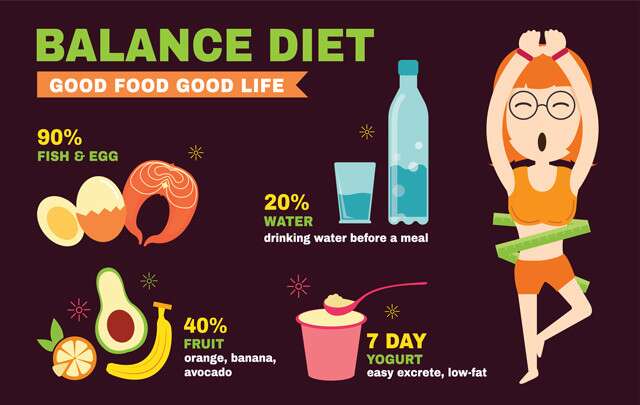
Staying hydrated is important for weight loss and overall health. Water helps to flush out toxins, supports digestion, and can help curb hunger. Drinking water before meals can help you feel fuller and consume fewer calories. Aim to drink at least 8 cups (64 ounces) of water per day and consider water-rich foods such as fruits and vegetables to boost your hydration levels.

Incorporating Regular Physical Activity
Choose an Exercise Routine
Incorporating regular physical activity is essential for weight loss and overall well-being. Choose an exercise routine that suits your preferences and fits into your daily schedule. Whether it’s jogging, swimming, biking, dancing, or weightlifting, finding an activity you enjoy will make it easier to stick with it in the long run.
Cardiovascular Exercises
Cardiovascular exercises, also known as aerobic exercises, are great for burning calories and improving cardiovascular health. Activities such as walking, running, cycling, or using cardio machines at the gym can help boost your metabolism and promote weight loss. Aim for at least 150 minutes of moderate-intensity aerobic exercise or 75 minutes of vigorous-intensity aerobic exercise per week, as recommended by guidelines from the American Heart Association.
Strength Training
In addition to cardiovascular exercises, incorporating strength training into your routine is important for building and maintaining muscle mass. Strength training not only helps to tone your body but also increases your metabolic rate, allowing you to burn more calories even at rest. Include exercises that target major muscle groups, such as squats, lunges, push-ups, and dumbbell exercises. Aim for at least 2-3 strength training sessions per week, allowing for a day of rest in between to allow for muscle recovery.
High-Intensity Interval Training (HIIT)
For those looking to maximize calorie burn and boost their fitness level, High-Intensity Interval Training (HIIT) is an excellent option. HIIT involves alternating between short bursts of intense exercise and periods of active recovery. This type of training is efficient, time-saving, and can continue to burn calories even after your workout is complete. Incorporate HIIT workouts into your routine 1-2 times a week to challenge your body and increase your fitness level.
Incorporate More Physical Activity into Daily Routine
In addition to dedicated exercise sessions, finding ways to incorporate more physical activity into your daily routine can make a significant difference in your weight loss journey. Simple changes such as taking the stairs instead of the elevator, walking or biking to work instead of driving, or taking active breaks throughout the day can all add up and contribute to increased calorie burn and improved overall fitness.
Managing Portion Sizes
Use Smaller Plates
Managing portion sizes is vital for weight loss, and using smaller plates can be a helpful strategy. Research has shown that when served larger portions, people tend to consume more food, leading to excess calorie intake. By using smaller plates, bowls, and utensils, you naturally limit the amount of food you can serve yourself, making it easier to control portion sizes and avoid overeating.
Be Mindful of Portion Sizes
Being mindful of portion sizes is crucial for weight loss. Pay attention to recommended serving sizes on food labels and familiarize yourself with what a healthy portion of different foods looks like. Use measuring cups or a food scale when necessary to ensure accurate portion sizes. Over time, you will become more intuitive and better able to estimate portion sizes without the need for measuring tools.
Listen to Your Body’s Hunger and Fullness Cues
Learning to listen to your body’s hunger and fullness cues is an important aspect of managing portion sizes. Eat when you are genuinely hungry and stop eating when you feel satisfied, not overly full. Avoid eating out of boredom, stress, or emotions. By tuning in to your body’s signals, you can better control portion sizes and avoid mindless eating.

Practicing Mindful Eating
Slow Down and Chew Thoroughly
Mindful eating involves slowing down and savoring each bite of food. Take the time to chew your food thoroughly, as this allows your body to properly digest and absorb nutrients. It also gives your brain a chance to register feelings of fullness, reducing the likelihood of overeating.
Pay Attention to Your Food
When you sit down to eat a meal or snack, make it a point to pay attention to your food. This means avoiding distractions such as television, smartphones, or working while eating. By focusing solely on your meal, you can better enjoy the flavors and textures and be more aware of how much you are consuming.
Avoid Distractions while Eating
Eating in front of the TV or while engrossed in a book or computer screen can lead to mindless eating. When your attention is divided, you may eat more than you intended or not fully enjoy your food. Create a dedicated eating space, free from distractions, where you can fully focus on your meal and practice mindful eating.
Practice Portion Control
Mindful eating also involves practicing portion control. Instead of mindlessly serving yourself large portions, pause and consider the appropriate amount of food your body needs. Take smaller portions and allow yourself the option to go back for seconds if needed. By being mindful of portion sizes and listening to your body’s hunger and fullness cues, you can maintain a healthy balance and avoid overeating.
Getting Sufficient Sleep
Recognize the Importance of Sleep
Getting sufficient sleep is crucial for overall health and weight management. Lack of sleep has been linked to increased hunger, cravings for unhealthy foods, decreased metabolism, and weight gain. Recognize the importance of sleep as an essential component of your weight loss journey.
Establish a Consistent Sleep Schedule
To ensure you are getting sufficient sleep, establish a consistent sleep schedule. Aim for 7-9 hours of quality sleep each night and try to go to bed and wake up at the same time every day, even on weekends. Consistency helps regulate your body’s internal clock and promotes better sleep patterns.
Create a Relaxing Bedtime Routine
Creating a relaxing bedtime routine can signal to your body that it’s time to wind down and prepare for sleep. Engage in activities that promote relaxation, such as reading a book, listening to calm music, taking a warm bath, or practicing gentle stretching or meditation. Avoid stimulating activities, such as using electronic devices, right before bed, as they can interfere with melatonin production and make it harder to fall asleep.
Avoid Stimulants before Bed
Certain substances, such as caffeine and nicotine, can interfere with your ability to fall asleep and reduce the quality of your sleep. Avoid consuming these stimulants, especially in the hours leading up to bedtime. Instead, opt for herbal teas or decaffeinated options to promote better sleep.

Reducing Stress Levels
Identify and Address Sources of Stress
Stress can significantly impact your weight loss efforts. High levels of stress can lead to emotional eating, hormonal imbalances, and an increased risk of weight gain. Take the time to identify and address the sources of stress in your life. Whether it’s work-related stress, relationship issues, or financial worries, finding healthy ways to manage and reduce stress is essential for overall well-being.
Practice Stress-Reducing Techniques
There are various techniques that can help reduce stress levels and promote relaxation. Practice deep breathing exercises, mindfulness meditation, yoga, or engaging in hobbies and activities that you enjoy. Find what works best for you and make it a priority to integrate stress-reducing techniques into your daily routine.
Make Time for Relaxation
In the midst of busy schedules and responsibilities, it is important to make time for relaxation. Schedule regular breaks throughout the day to engage in activities that help you unwind and recharge. This can include going for a walk, listening to calming music, reading a book, or spending time in nature. By prioritizing relaxation, you can better manage stress and support your weight loss efforts.
Joining a Supportive Community
Find a Weight Loss Support Group
Joining a weight loss support group can provide invaluable support and motivation throughout your journey. These groups often offer a safe space to share experiences, struggles, and successes with others who are on a similar path. You can find support groups in person, online, or even create your own group with friends or colleagues.
Share Your Goals with Loved Ones
Sharing your weight loss goals with loved ones can provide an added layer of support and accountability. Inform friends and family about your intentions and ask for their encouragement and understanding. Having a network of support will help you stay motivated and be more likely to achieve your goals.
Enlist an Accountability Buddy
Finding an accountability buddy can be a game-changer in your weight loss journey. This can be a friend, family member, or coworker who also wants to make healthy lifestyle changes. Together, you can motivate and support each other, share progress updates, and hold each other accountable to your goals.
Tracking Progress and Staying Motivated
Monitor Your Weight and Measurements
Tracking your weight and measurements can help you stay motivated and track your progress over time. However, it’s important to remember that weight is not the sole indicator of progress. Also, consider measuring other factors such as body fat percentage, waist circumference, and how your clothes fit to get a more comprehensive view of your progress.
Record Your Food and Exercise
Keeping a food and exercise journal can be a powerful tool in your weight loss journey. By documenting what you eat and how much physical activity you engage in, you gain insight into your habits, identify areas for improvement, and become more mindful of your choices. It also holds you accountable and helps you identify patterns that may be hindering your progress.
Celebrate Small Achievements
Don’t forget to celebrate your small achievements along the way. Losing weight is a journey, and each milestone, no matter how small, deserves recognition. Treat yourself to non-food rewards such as a spa day, a new workout outfit, or a weekend getaway. Celebrating achievements boosts motivation and encourages you to keep working towards your ultimate goal.
Find Motivational Tools and Resources
Motivation can sometimes wane, so finding tools and resources that keep you inspired and focused is crucial. This can include reading motivational books, following fitness influencers on social media, listening to podcasts, or joining online support communities. Surround yourself with positive messages and inspiration to stay motivated throughout your weight loss journey.
Avoiding Fad Diets and Quick Fixes
Understand the Dangers of Fad Diets
It is important to understand the dangers of fad diets and quick fixes when it comes to weight loss. Fad diets often promise rapid and unrealistic results but can be detrimental to your health and unsustainable in the long term. They often restrict certain food groups, deprive your body of essential nutrients, and promote an unhealthy relationship with food. Instead, focus on making sustainable lifestyle changes that you can maintain for the long term.
Focus on Sustainable Lifestyle Changes
Real and lasting weight loss comes from making sustainable lifestyle changes. Instead of focusing on short-term diets or quick fixes, shift your mindset towards long-term behavior changes that you can maintain for the rest of your life. This includes adopting a balanced and nutritious diet, incorporating regular physical activity, managing stress, and prioritizing self-care. By making sustainable changes, you develop lifelong habits that promote a healthy weight and overall well-being.
In conclusion, losing weight in a healthy and sustainable way requires setting realistic goals, adopting a healthy diet, incorporating regular physical activity, managing portion sizes, practicing mindful eating, getting sufficient sleep, reducing stress levels, joining a supportive community, tracking progress, and avoiding fad diets and quick fixes. By following these guidelines and making gradual changes to your lifestyle, you can achieve your weight loss goals and maintain a healthier, happier you. Remember, it’s a journey, and every step you take towards a healthier lifestyle is a step in the right direction.