Congratulations on the newest addition to your family! Being a new mom is a wonderful experience, but it can also bring some challenges, especially when it comes to getting back into shape. If you’re a nursing mom looking to shed some pounds, you’re in the right place. In this article, we’ll share some valuable tips and strategies on how to lose weight fast while nursing, helping you achieve your postpartum weight loss goals while still providing the necessary nutrition for your little one. So let’s dive in and discover how you can prioritize your health and fitness without compromising your breastfeeding journey.

Setting Realistic Goals
Understand the Importance of Setting Realistic Goals
Setting realistic goals is crucial when it comes to postpartum weight loss. After giving birth, your body goes through significant changes, and it’s important to give yourself time to heal and adjust. Setting goals that are too ambitious can put unnecessary pressure on yourself and potentially interfere with your overall health and well-being.
Realistic goals are attainable and sustainable. They allow for gradual weight loss over time, which is the safest and healthiest approach. Losing weight too quickly can negatively affect your milk supply and energy levels, which are crucial for breastfeeding and caring for your baby. Remember, the goal is to not only lose weight but also maintain a healthy lifestyle as a new mom.
Consult a Healthcare Professional
Before embarking on any weight loss journey, it’s always advisable to consult a healthcare professional, especially if you’re breastfeeding. They can assess your current health status and provide personalized recommendations to help you achieve your postpartum weight loss goals safely.
A healthcare professional can provide valuable guidance on the appropriate caloric intake, exercise routines, and dietary adjustments suitable for a nursing mother. They can also monitor your progress and make any necessary adjustments along the way. Their expertise will ensure that you’re effectively losing weight while maintaining optimal health for both you and your baby.
Set Achievable Weight Loss Targets
When setting weight loss targets, it’s important to be realistic and gentle with yourself. Aim for gradual weight loss of about 1-2 pounds per week, which is considered safe and sustainable for most individuals. Remember that your body has just been through the incredible process of childbirth, and it needs time to recover.
Additionally, keep in mind that breastfeeding alone burns calories, so your weight loss may be influenced by this factor. Trying to lose weight too quickly may not only be challenging but also impact your milk supply. Be patient and focus on overall progress rather than striving for a specific number on the scale. Celebrate the small victories along the way, such as fitting into pre-pregnancy clothes or feeling stronger and more energetic.
Maintaining Adequate Nutrition
Consume a Well-Balanced Diet
Maintaining a well-balanced diet is essential for postpartum weight loss while nursing. Your body needs a variety of nutrients to recover from childbirth and produce milk. Focus on incorporating a balance of fruits, vegetables, whole grains, lean proteins, and healthy fats into your meals.
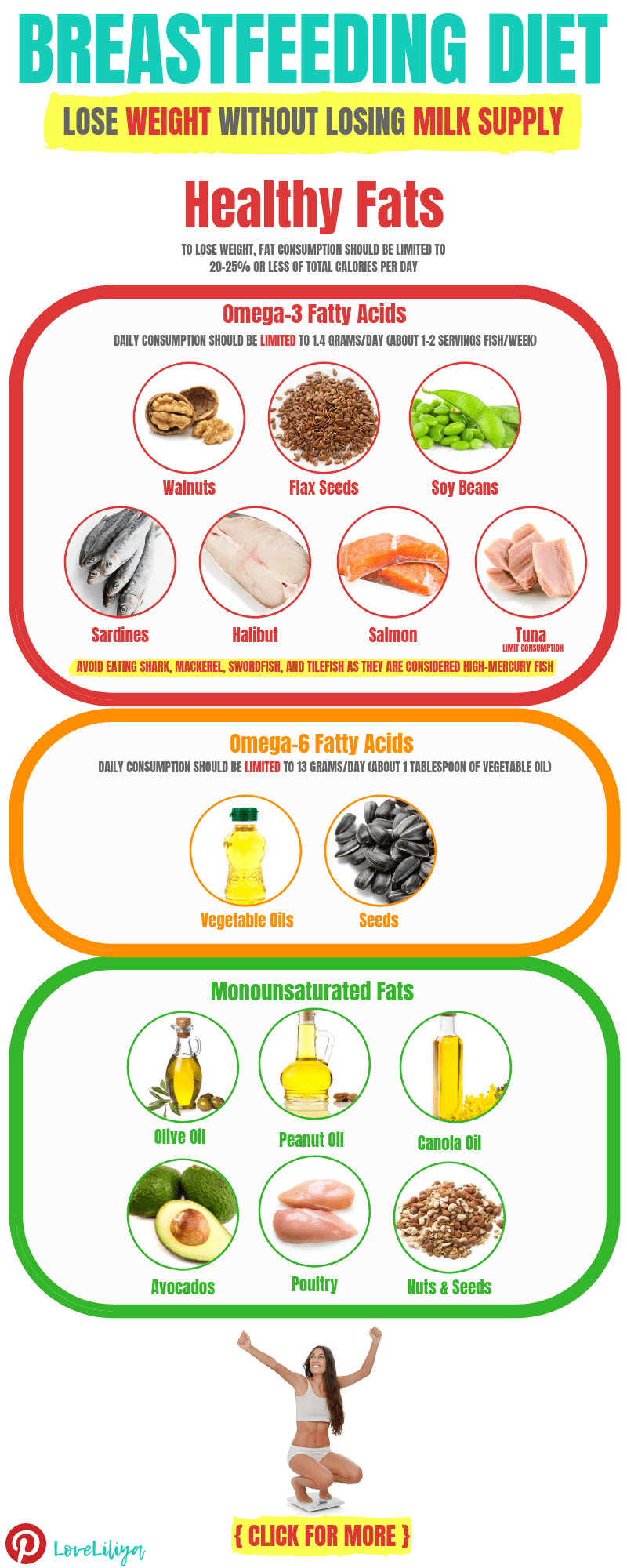
Include plenty of fiber-rich foods to support digestion, and opt for lean sources of protein like chicken, fish, tofu, and legumes. Healthy fats from sources like avocados, nuts, and olive oil can help keep you satisfied and provide essential nutrients. Also, make sure to consume an adequate amount of calcium and iron, which are important for both you and your baby’s health.
Avoid Extreme Caloric Deficits
While calorie deficit is necessary for weight loss, extreme caloric deficits can be detrimental to both your health and breastfeeding. It’s important to strike a balance between creating a moderate calorie deficit and ensuring that you still consume enough calories to support milk production and your own energy levels.
Consulting a healthcare professional or a registered dietitian can help you determine the appropriate calorie intake for your specific needs. They can take into account factors such as your age, activity level, and breastfeeding demands to create a personalized plan that supports weight loss without compromising your well-being.
Include Nutrient-Dense Foods
When trying to lose weight after childbirth, it’s important to focus on nutrient-dense foods that provide maximum nutritional value with fewer calories. Nutrient-dense foods include fruits, vegetables, whole grains, lean proteins, and low-fat dairy products.
These foods are packed with essential vitamins, minerals, and antioxidants that help support your body’s healing process and overall health. They also provide the necessary nutrients for breastfeeding and ensure that you and your baby are getting the vital nourishment you both need.
Stay Hydrated
Staying hydrated is crucial for both weight loss and breastfeeding. Water is essential for numerous bodily functions, including digestion, nutrient absorption, and milk production. It also helps to suppress hunger and keep you feeling satisfied.
Make it a habit to drink water regularly throughout the day, aiming for at least 8 cups or 64 ounces. Keep a water bottle with you at all times and sip on water during breastfeeding sessions or whenever you feel thirsty. Hydrating adequately will support your weight loss journey, promote overall well-being, and ensure a healthy milk supply for your baby.

Breastfeeding Considerations
Prioritize Breastfeeding
Breastfeeding not only provides optimal nutrition for your baby but also offers numerous benefits for weight loss. When you breastfeed, your body burns additional calories to produce milk. This process can aid in weight loss by creating a natural calorie deficit.
By prioritizing breastfeeding, you’re already taking a positive step towards losing weight while ensuring your baby receives the necessary nutrients and immune support. Breastfeeding also helps your uterus shrink back to its pre-pregnancy size and can assist in the gradual reduction of excess body fat.
Ensure Sufficient Milk Supply
When trying to lose weight while nursing, it’s important to ensure that your milk supply remains sufficient. Although breastfeeding can contribute to weight loss, extreme dieting or rapid weight loss can negatively impact milk production.
To maintain an adequate milk supply, focus on consuming a well-balanced diet and following the recommendations of your healthcare professional or lactation consultant. Listen to your body’s hunger and fullness cues and allow yourself to eat enough calories to support milk production. Remember, your baby’s nutrition and well-being should be your top priority, and a healthy milk supply is key to that.
Recognize Changes in Breast Milk Composition
It’s important to be aware that changes in your diet and weight loss efforts can affect the composition of your breast milk. While maintaining a healthy, balanced diet is crucial, your breast milk will adjust to meet your baby’s nutritional needs even if you’re losing weight.
Your body will prioritize protecting the quality and quantity of breast milk, ensuring that your baby receives the essential nutrients they require. However, it’s always advisable to consult a healthcare professional or a lactation consultant if you have any concerns about the impact of your weight loss journey on your breast milk composition.
Physical Activity
Incorporate Gentle Exercises
Engaging in gentle exercises can help boost your postpartum weight loss efforts while providing numerous other benefits. Start with low-impact exercises, such as gentle stretches, Pilates, or yoga, to gradually reintroduce physical activity into your routine.
Exercises like pelvic floor exercises or kegels can help strengthen your core and pelvic floor muscles, which may have weakened during pregnancy and childbirth. These exercises are safe to do postpartum and can assist in toning and tightening your abdominal area.
Take Regular Walks
Walking is one of the most accessible and effective forms of exercise for new mothers. It’s low-impact, can be done at your own pace, and requires minimal equipment. Taking regular walks with your baby in a stroller or carrier allows you to combine exercise with quality time spent together.
Start with shorter walks and gradually increase the duration and intensity as you feel comfortable. Walking not only aids in weight loss but also promotes cardiovascular health, boosts mood, and helps you stay active while caring for your baby.
Join Postpartum Fitness Classes
Joining postpartum fitness classes specifically designed for new mothers can be a great way to incorporate exercise into your routine. These classes are led by trained professionals who understand the needs and limitations of postpartum bodies, ensuring that exercises are safe and effective.
Look for classes that focus on strength training, cardio, and flexibility to target different areas of your body. These classes often provide a supportive and encouraging environment, allowing you to connect with other new mothers and share experiences while working towards your fitness goals.
Sleep and Rest
Prioritize Sufficient Sleep
Getting enough sleep is crucial for your overall well-being, weight loss, and the ability to handle the demands of motherhood. Lack of sleep can contribute to increased appetite, cravings, and difficulty with weight loss. It can also negatively impact mood, energy levels, and cognitive function.
Make sleep a priority by establishing a consistent sleep routine and creating a calm and comfortable environment. Aim for 7-9 hours of uninterrupted sleep each night, and consider taking naps during the day if needed. Remember, taking care of yourself and getting enough rest is essential for your own health and that of your baby.
Create a Sleep-Friendly Environment
Creating a sleep-friendly environment can help improve the quality of your sleep. Keep your bedroom dark, quiet, and at a comfortable temperature. Use blackout curtains, earplugs, or white noise machines to minimize disruptions.
Establish a soothing bedtime routine that signals to your body that it’s time to wind down. This could include activities such as taking a warm bath, reading a book, or practicing relaxation techniques like deep breathing or meditation. By creating a peaceful sleep environment, you’re setting yourself up for restful nights that support your weight loss journey.
Take Short Rest Breaks
In addition to getting sufficient sleep at night, taking short rest breaks during the day can also be beneficial. Caring for a newborn can be demanding both physically and mentally, so it’s important to give yourself permission to take breaks when needed.
During rest breaks, try engaging in activities that promote relaxation and rejuvenation, such as listening to calming music, practicing deep breathing exercises, or simply sitting quietly in a comfortable space. Allowing yourself time to recharge and destress can positively impact your overall well-being and energy levels, making it easier to stay committed to your weight loss goals.
Stress Management
Practice Stress-Relieving Techniques
Managing stress is essential for your overall health and well-being, as well as your weight loss efforts. Stress can trigger emotional eating, cravings for unhealthy foods, and hinder your ability to effectively lose weight.
Incorporate stress-relieving techniques into your daily routine, such as deep breathing exercises, meditation, or yoga. These practices can help calm your mind, reduce stress hormones, and promote relaxation. Additionally, consider experimenting with activities like journaling, painting, or engaging in hobbies that bring you joy and help you unwind.
Engage in Self-Care Activities
As a new mother, it’s easy to neglect your own needs while taking care of your baby. However, self-care is vital for maintaining your physical and mental well-being. Engaging in activities that make you feel pampered, relaxed, and happy can help reduce stress and support your weight loss journey.
Take time for yourself each day, even if it’s just a few minutes. This could involve activities such as taking a warm bath, reading a book, getting a massage, or practicing mindfulness. Prioritizing self-care not only helps you manage stress but also enhances your overall mindset, making it easier to stay motivated and focused on your weight loss goals.
Seek Social Support
Having a strong support system can make a significant difference in your weight loss journey. Surrounding yourself with supportive friends, family, or other new mothers can provide encouragement, advice, and a sense of community.
Seek support from those who understand the challenges of postpartum weight loss and can offer motivation and understanding. Joining online forums or support groups specifically for new mothers can provide a safe space to share experiences, ask for advice, and celebrate successes. Remember, you are not alone, and reaching out for support can greatly enhance your overall well-being and weight loss journey.
Portion Control
Pay Attention to Hunger Cues
Practicing portion control is essential for weight loss, but it’s equally important to listen to your body’s hunger cues. Pay attention to your hunger and fullness signals and eat until you are comfortably satisfied, rather than eating until you are overly full or stuffed.
Eat slowly and mindfully, savoring each bite and paying attention to the flavor and texture of the food. This allows your brain to register when you are full, decreasing the likelihood of overeating. By tuning in to your body’s natural hunger and fullness cues, you can maintain a healthy relationship with food and support your weight loss goals.
Use Smaller Plates and Utensils
Using smaller plates, bowls, and utensils can be an effective strategy for controlling portion sizes. Research shows that when we eat from smaller plates, we tend to consume less without feeling deprived or unsatisfied.
The visual perception of a full plate can trick your brain into believing you are eating a larger portion, even if the amount of food is smaller. By downsizing your dinnerware, you can naturally reduce portion sizes and create a visual cue that supports your weight loss efforts.
Eat Mindfully
Mindful eating involves being fully present and engaged in the act of eating. It’s about paying attention to the entire experience of eating, including the taste, texture, and aroma of the food. Mindful eating can help you reconnect with your body’s hunger and fullness signals, preventing overeating and promoting healthy portion control.
When eating, eliminate distractions such as TV, phones, or other electronic devices. Focus on your meal, and take the time to chew slowly and savor each bite. By eating mindfully, you can build a healthier relationship with food, prevent mindless eating, and support your weight loss journey.
Healthy Snacking
Choose Nutritious Snack Options
Snacking can be a part of a healthy postpartum weight loss journey, as long as you choose nutritious options. Opt for snacks that are high in nutrients, fiber, and protein, which can help keep you feeling satisfied and energized.
Healthy snack options include fresh fruits, vegetables with hummus, Greek yogurt, nuts, seeds, and whole-grain crackers. These snacks provide essential vitamins, minerals, and healthy fats that support your overall health and weight loss goals. Preparing snacks in advance and having them readily available can help prevent reaching for unhealthy options when hunger strikes.
Plan Snacks in Advance
Planning your snacks in advance can help you make healthier choices and avoid giving in to unhealthy temptations. Take a few minutes each week to create a snack plan, considering your nutritional needs and preferences. This will prevent you from mindlessly grabbing whatever is convenient or reaching for high-calorie, low-nutrient options.
Prepare snacks in portion-controlled containers or bags and store them in easily accessible places such as your pantry or refrigerator. This way, when hunger strikes, you have nutritious options readily available and are less likely to reach for unhealthy alternatives.
Avoid Unhealthy Temptations
It’s important to be aware of your surroundings and the potential temptations that can derail your weight loss efforts. Clear your pantry and refrigerator of unhealthy, high-calorie snacks and replace them with nourishing alternatives.
By eliminating these tempting foods from your immediate environment, you reduce the likelihood of giving in to cravings and making impulsive, unhealthy choices. Instead, fill your home with nutritious options that support your weight loss goals and help you stay on track.
Avoiding Crash Diets
Steer Clear of Extreme Diets
While it may be tempting to try a quick fix or follow a fad diet to shed the postpartum weight, it’s important to steer clear of extreme diets. Crash diets that severely restrict calories or eliminate entire food groups can be harmful to your health and negatively impact your milk supply.
Extreme diets can deprive your body of essential nutrients, leading to deficiencies and negatively affecting your overall well-being. Furthermore, these drastic approaches to weight loss are often not sustainable, making it more likely that you regain the weight once you stop the restrictive diet. Focus on making gradual, sustainable lifestyle changes that promote long-term health and well-being.
Ensure Adequate Caloric Intake
It’s important to ensure you’re consuming an adequate number of calories each day, especially while breastfeeding. Severely restricting your caloric intake can negatively impact your energy levels, milk supply, and overall health.
Focus on consuming a moderate calorie deficit that promotes gradual weight loss while supporting your body’s needs. Consult a healthcare professional or a registered dietitian to determine the appropriate caloric intake for your specific situation. They can provide personalized recommendations based on factors such as your age, activity level, and breastfeeding demands.
Focus on Sustainable Lifestyle Changes
Rather than focusing on short-term weight loss, shift your mindset towards making sustainable lifestyle changes. Temporary fixes may provide quick results, but they rarely lead to long-term success.
Instead, prioritize healthy eating habits, regular physical activity, and self-care as part of your daily routine. Adopt sustainable habits, such as meal planning, tracking your food intake, and finding enjoyable ways to stay active. By embracing a healthy lifestyle, you’re not only more likely to achieve your weight loss goals but also enhance your overall health and well-being in the long run.
Monitoring Progress
Track Weight Loss Safely
Tracking your weight loss progress can be motivating and help you stay accountable. However, it’s important to approach it in a safe and balanced manner.
Weigh yourself once a week, at the same time of day and under similar conditions (e.g., before breakfast). This consistency helps provide a more accurate representation of your progress. Remember that weight can naturally fluctuate, so don’t get discouraged by minor fluctuations from week to week.
Measure Body Composition, Not Just Weight
In addition to tracking weight, consider measuring other aspects of your body composition to gauge progress more accurately. The scale doesn’t distinguish between fat loss and muscle gain, so it’s helpful to consider other measurements.
Measurements such as waist circumference, hip circumference, and body fat percentage can provide a more comprehensive picture of your progress. There are devices and scales available that can assess body composition, or a healthcare professional can help measure these parameters.
Celebrate Non-Scale Victories
Remember that weight loss is not the only measure of success. Celebrate non-scale victories and take note of the positive changes you experience along your journey.
Non-scale victories can include increased energy levels, improved mood, better sleep quality, increased strength and flexibility, fitting into pre-pregnancy clothes, or receiving compliments on your appearance. Recognizing and celebrating these achievements can help boost your motivation, reinforce healthy habits, and make your weight loss journey more enjoyable.
In conclusion, losing weight while nursing requires a balanced approach that emphasizes setting realistic goals, maintaining adequate nutrition, incorporating physical activity, prioritizing sleep and rest, managing stress, practicing portion control, making healthy snack choices, avoiding crash diets, and monitoring progress. With patience, dedication, and support, you can achieve your weight loss goals and enjoy a healthy postpartum journey. Remember to consult a healthcare professional for personalized guidance and support throughout your weight loss journey.