Are you tired of struggling with weight loss and feeling discouraged by diets that require intense exercise? Look no further! In this article, you will discover effective strategies and tips on how to lose weight quickly within a month, all without the need for strenuous workouts. Say goodbye to the exhaustion and hello to a healthier, happier you. Let’s get started on this incredible journey towards achieving your weight loss goals.


Understanding the Basics of Weight Loss
Calories and Weight Loss
When it comes to weight loss, understanding the concept of calories is crucial. Simply put, calories are units of energy that come from the food and beverages we consume. To lose weight, you need to create a calorie deficit, which means consuming fewer calories than your body needs to maintain its current weight. This deficit will gradually lead to weight loss.
Metabolism and Weight Loss
Your metabolism plays a significant role in weight loss. It is the process by which your body converts food into energy. A higher metabolism usually means that you burn more calories even at rest, making weight loss easier. However, age, genetics, and other factors influence your metabolism. While you can’t change these factors, there are ways to boost your metabolism naturally, which we will discuss later in this article.
Setting Realistic Goals
Setting realistic goals is essential for successful weight loss. While it’s tempting to aim for rapid weight loss, it’s important to remember that slow and steady wins the race. Rapid weight loss often leads to muscle loss and can be difficult to sustain in the long term. Instead, set achievable goals that involve losing 1-2 pounds per week. This gradual approach is not only healthier but also increases the likelihood of maintaining your weight loss for the long haul.
Creating a Calorie Deficit through Diet
Choosing Nutrient-Dense Foods
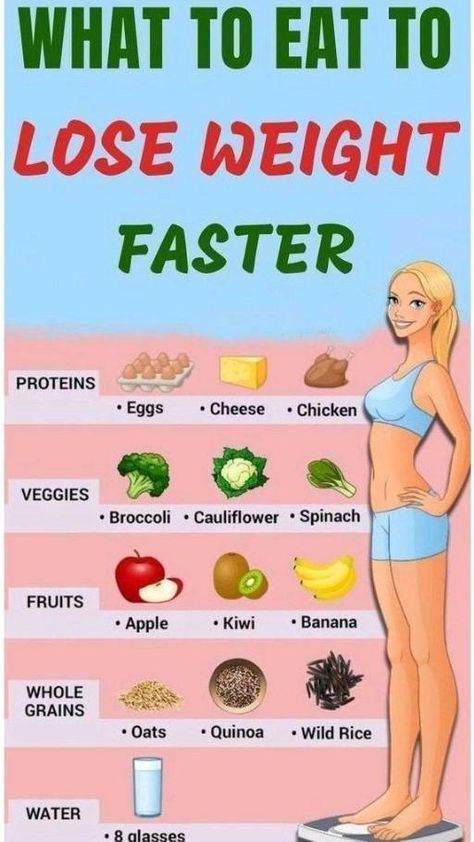
To create a calorie deficit, focus on incorporating nutrient-dense foods into your diet. These foods are low in calories but high in nutrients, providing you with the fuel you need while keeping calorie intake in check. Examples of nutrient-dense foods include fruits, vegetables, whole grains, lean proteins, and low-fat dairy products.
Reducing Portion Sizes
Portion control plays a significant role in weight loss. Be mindful of the portion sizes you consume, as even healthy foods can contribute to weight gain if consumed in large quantities. Use smaller plates and bowls to trick your brain into thinking you are eating more, and listen to your body’s hunger and fullness cues.
Limiting Intake of High-Calorie Foods
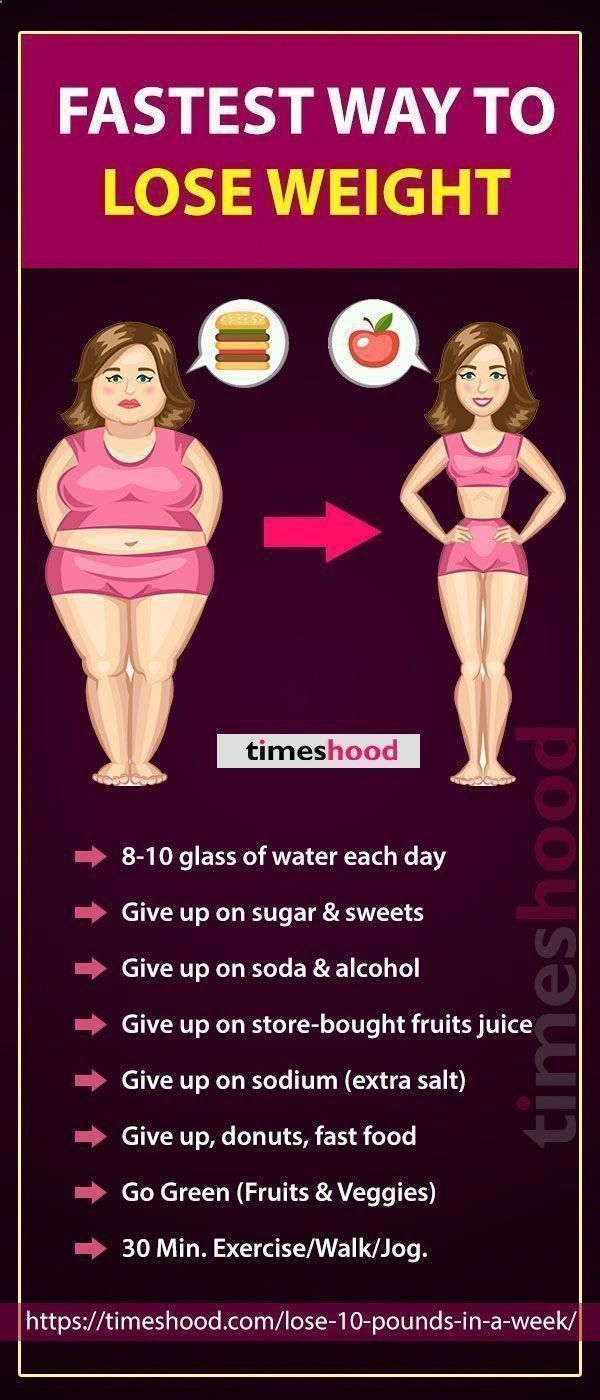
While it’s fine to indulge in your favorite treats occasionally, it’s important to limit your intake of high-calorie foods like sugary desserts, fried foods, and processed snacks. These foods are often high in calories and low in nutrients, making it easy to exceed your calorie goals. Swap them out for healthier alternatives whenever possible.
Keeping a Food Diary
Keeping a food diary can be a powerful tool for weight loss. By writing down everything you eat and drink, you become more mindful of your choices and can identify any patterns or triggers that may be hindering your progress. It also helps you stay accountable and allows you to track your calorie intake, making adjustments as needed.

Optimizing Meal Planning and Timing
Following a Balanced Meal Plan
A balanced meal plan is essential for sustainable weight loss. Include a variety of fruits, vegetables, whole grains, lean proteins, and healthy fats in your meals. Aim for a balanced distribution of macronutrients – carbohydrates, proteins, and fats – to keep you feeling satisfied and energized throughout the day.
Incorporating Fiber-Rich Foods
Fiber is not only beneficial for digestive health but also aids in weight loss. It helps you feel full for longer periods, reducing the likelihood of overeating. Incorporate fiber-rich foods like fruits, vegetables, whole grains, and legumes into your meals to increase satiety and support your weight loss efforts.
Eating Regularly throughout the Day
Skipping meals or drastically reducing your caloric intake can actually work against your weight loss goals. Instead, aim to eat regular, balanced meals throughout the day. This helps stabilize blood sugar levels, keeps your metabolism active, and prevents excessive hunger, which often leads to unhealthy food choices.
Avoiding Late-Night Snacking
Late-night snacking can sabotage your weight loss efforts. After dinner, try to establish a cut-off time for consuming food. This allows your body to digest and metabolize your last meal before you go to bed. If you find yourself feeling hungry in the evening, opt for a light, low-calorie snack like a piece of fruit or a small handful of nuts.
Implementing Healthy Eating Habits
Mindful Eating
Mindful eating is the practice of being fully present and attentive while eating. It involves paying attention to your body’s hunger and fullness cues, savoring each bite, and eating without distractions. By practicing mindful eating, you can better regulate your food intake, increase satisfaction from meals, and develop a healthier relationship with food.
Drinking Plenty of Water
Staying hydrated is an important aspect of weight loss. Not only does water contribute to overall health, but it also helps curb hunger and prevent overeating. Make it a habit to drink plenty of water throughout the day, especially before meals, as it can help you feel more satisfied and consume fewer calories.
Limiting Sugary Beverages
Sugar-sweetened beverages like soda, energy drinks, and certain juices can contribute a significant amount of calories without providing much nutritional value. Limit your intake of these beverages and opt for healthier alternatives like herbal tea, infused water, or sparkling water with a splash of fruit juice.
Avoiding Processed and Fast Foods
Processed and fast foods are often high in calories, unhealthy fats, and added sugar or sodium. These foods can hinder your weight loss efforts and negatively impact your overall health. Instead, focus on preparing fresh, homemade meals using whole, unprocessed ingredients whenever possible.
Cooking at Home
Cooking at home gives you control over the ingredients and portion sizes of your meals. It enables you to make healthier choices and experiment with different flavors and cooking techniques. Try to plan your meals ahead of time, so you are more likely to cook at home and avoid the temptation of ordering takeout or dining out.
Boosting Metabolism Naturally
Eating Protein-Rich Foods
Protein is known as the building block of the body, and it plays a crucial role in weight loss. It helps in building and repairing tissues, maintaining lean muscle mass, and boosting metabolism. Incorporate protein-rich foods like lean meats, poultry, fish, eggs, tofu, legumes, and nuts into your diet to support weight loss and promote satiety.
Drinking Green Tea
Green tea has been known to have several health benefits, including boosting metabolism and promoting weight loss. It contains catechins, which are antioxidants that may aid in fat oxidation and thermogenesis. Enjoy a cup of green tea as part of your daily routine to reap its potential weight loss benefits.
Adding Spices to Meals
Certain spices, such as cayenne pepper, turmeric, and cinnamon, have been shown to have metabolism-boosting properties. They can slightly increase your body’s calorie-burning ability, helping you burn more fat. Incorporate these spices into your meals to add flavor and possibly enhance your weight loss efforts.
Getting Enough Sleep
Adequate sleep is essential for overall health and can significantly impact weight loss. Lack of sleep can disrupt hormones that regulate hunger and appetite, leading to increased cravings and overeating. Aim for 7-9 hours of quality sleep each night to support your weight loss goals.
Staying Active during the Day
Physical activity is not only important for weight loss but also for overall well-being. Stay active throughout the day by incorporating more movement into your daily routine. Take the stairs instead of the elevator, go for walks during your breaks, or plan active outings with friends and family. Every little bit of activity counts and contributes to your overall calorie-burning goals.
Incorporating Healthy Snacks and Desserts
Choosing Nutritious Snacks
Snacks can be a part of a healthy weight loss plan if chosen wisely. Opt for nutritious snacks that are low in calories and high in nutrients. Examples include fresh fruits and vegetables, Greek yogurt, nuts, seeds, and whole-grain crackers. These snacks provide sustenance, prevent excessive hunger, and keep your metabolism active.
Opting for Fresh Fruits
Fresh fruits make an excellent snack option due to their high fiber content and natural sweetness. They are packed with vitamins, minerals, and antioxidants while being relatively low in calories. Keep a variety of fruits, like apples, oranges, and berries, readily available for a quick and healthy snack.
Preparing Healthy Dessert Alternatives
Satisfying your sweet tooth while on a weight loss journey is possible with healthy dessert alternatives. Replace traditional desserts high in sugar and unhealthy fats with healthier options like a piece of dark chocolate, a bowl of Greek yogurt with berries, or a homemade fruit salad. These alternatives provide a guilt-free indulgence while supporting your weight loss goals.
Avoiding Common Diet Pitfalls
Avoiding Crash Diets
Crash diets promise quick weight loss but often lead to unsustainable results and potential health risks. They typically involve severe calorie restriction and eliminate entire food groups, depriving your body of essential nutrients. Instead of falling for a crash diet, focus on long-term lifestyle changes that promote sustainable weight loss and overall health.
Being Mindful of Liquid Calories
Liquid calories from beverages like sodas, flavored coffees, energy drinks, and alcoholic beverages can quickly add up and hinder weight loss efforts. Be mindful of the calories in your beverages and opt for lower-calorie options like water, unsweetened tea, or sparkling water. If you crave flavor, infuse your water with fruits or enjoy a refreshing herbal tea.
Not Skipping Meals
Skipping meals may seem like a shortcut to weight loss, but it can actually backfire. When you skip meals, you are more likely to overeat later in the day, consume unhealthy snacks, or make poor food choices. Instead of skipping meals, focus on eating balanced, portion-controlled meals throughout the day to keep your metabolism active and your hunger in check.
Avoiding Restrictive Eating Patterns
Restrictive eating patterns, like overly low-calorie diets or extreme fasting methods, are not sustainable in the long run and often lead to a cycle of yo-yo dieting. Instead, adopt an approach to eating that focuses on nourishing your body with whole, nutritious foods while still allowing for occasional indulgences. Find a healthy balance that works for you and promotes long-term success.
Monitoring Progress and Staying Motivated
Weighing Yourself Regularly
Tracking your weight regularly can help you monitor your progress and stay motivated. However, it’s important to remember that weight can fluctuate due to various factors, including water retention and muscle gain. Use the scale as just one tool to gauge your progress, and focus on other measurements and non-scale victories as well.
Tracking Measurements and Body Changes
In addition to weighing yourself, it can be helpful to track other measurements and body changes. Take measurements of your waist, hips, thighs, and arms regularly to see how your body composition is changing. Pay attention to how your clothes fit and how you feel in your own body. These non-scale indicators can be powerful motivators on your weight loss journey.
Celebrating Non-Scale Victories
Weight loss is not just about the numbers on the scale. Celebrate non-scale victories, such as increased energy levels, improved sleep, enhanced mood, and improved overall health. Recognize the positive changes you’re experiencing beyond the physical aspects of weight loss, and use them as motivation to keep going.
Finding Support and Accountability
Embarking on a weight loss journey is often more successful with the support and accountability of others. Find a friend, family member, or join a support group to share your goals, progress, and challenges. Surrounding yourself with like-minded individuals who understand your journey can provide encouragement, motivation, and valuable insights.
Making Lifestyle Changes
Incorporating Physical Activity
Physical activity is an integral part of any weight loss plan. Find activities that you enjoy and incorporate them into your daily routine. Aim for at least 150 minutes of moderate-intensity exercise or 75 minutes of vigorous-intensity exercise per week. Whether it’s walking, cycling, swimming, or dancing, staying active will not only aid in weight loss but also contribute to overall health and well-being.
Prioritizing Sleep and Stress Management
Adequate sleep and stress management are often overlooked factors in weight loss. Lack of sleep and high stress levels can interfere with hormone regulation, increase cravings, and lower motivation to make healthy choices. Prioritize quality sleep and incorporate stress management techniques like meditation, deep breathing exercises, or engaging in activities that bring you joy.
Building Healthy Habits
Weight loss is not just about short-term changes; it’s about building sustainable, healthy habits. Focus on developing habits that support your weight loss goals, such as meal planning, cooking at home, staying active, managing stress, and practicing mindful eating. By making these habits a part of your daily life, you will increase your chances of maintaining your weight loss in the long term.
Seeking Professional Guidance
Consulting with a Registered Dietitian
Sometimes, navigating the world of weight loss can be overwhelming, and seeking professional guidance can be beneficial. Consider consulting with a registered dietitian who can provide personalized recommendations tailored to your specific needs and goals. They can offer expert advice, help you create a balanced meal plan, and guide you on your weight loss journey.
Considering Medical Supervision
If you have significant weight to lose or underlying health conditions, it may be necessary to seek medical supervision for your weight loss journey. A healthcare professional can monitor your progress, provide specialized guidance, and ensure that your weight loss efforts are safe and effective.
Understanding the Limitations
It’s important to recognize that weight loss has its limitations and there is no one-size-fits-all approach. Each individual is unique, and what works for one person may not work for another. Be patient with your progress, listen to your body, and be open to adjusting your approach if necessary. Remember that sustainable weight loss is a journey, and it’s about finding a healthy lifestyle that works for you in the long run.