Have you ever wished to shed some pounds quickly and effectively? Look no further! In this article, we will reveal to you the secrets on how to lose weight fast in just 2 hours. We understand that time is of the essence, so we have created a comprehensive guide that is easy to follow, allowing you to achieve your weight loss goals in no time. Get ready to embark on a transformative journey towards a healthier and fitter you!

Choosing the Right Exercises
High-intensity Interval Training (HIIT)
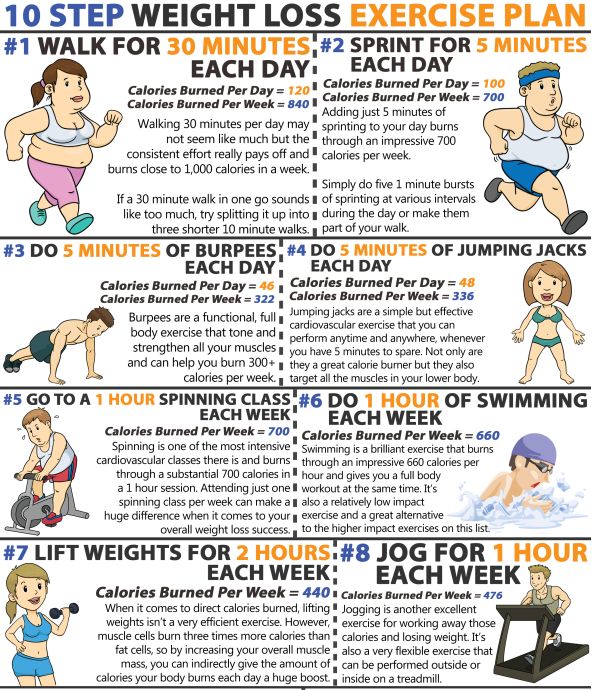
When it comes to choosing the right exercises for weight loss, high-intensity interval training (HIIT) is a highly effective option. HIIT involves alternating between bursts of intense exercise and short periods of rest. This type of workout not only burns calories during the session but also increases metabolism and calorie burn even after you’re done exercising. HIIT workouts can be done with a variety of exercises such as sprinting, cycling, or bodyweight moves like burpees and mountain climbers. Incorporating HIIT into your fitness routine can help you maximize your weight loss efforts in a short amount of time.
Cardiovascular Exercises
Cardiovascular exercises, also known as cardio, are great for burning calories and improving heart health. These exercises get your heart rate up and help you shed unwanted pounds. Running, swimming, cycling, and aerobics are some popular forms of cardio exercises. Aim for at least 150 minutes of moderate-intensity cardio each week or 75 minutes of vigorous-intensity cardio. Remember to start slowly and gradually increase the duration and intensity of your workouts to avoid injury.
Resistance Training
While cardio exercises are essential for weight loss, incorporating resistance training into your routine can take your results to the next level. Resistance training helps build lean muscle, which not only burns calories but also increases your metabolism. It can include exercises like weightlifting, bodyweight exercises, or using resistance bands. Aim for two to three days of resistance training each week, targeting different muscle groups each session. Don’t be afraid to use heavier weights as you progress to challenge your muscles and promote strength development.
Flexibility Exercises
Flexibility exercises may not burn as many calories as cardio or resistance training, but they play a crucial role in overall health and weight loss. Stretching exercises help improve flexibility, reduce the risk of injury, and enhance your performance during workouts. Incorporating activities like yoga or Pilates can also contribute to stress reduction and improve well-being. Aim for a minimum of two flexibility sessions per week to maintain or improve your range of motion, posture, and muscle balance.
Prioritizing Diet and Nutrition
Cutting Caloric Intake
Your diet plays a significant role in weight loss. To shed pounds, you need to create a calorie deficit by consuming fewer calories than you burn. Cutting your caloric intake can be achieved by making mindful choices about the foods you eat. Focus on nutrient-dense, low-calorie foods such as fruits, vegetables, lean proteins, whole grains, and legumes. Opt for smaller portions and avoid high-calorie, processed foods like sugary snacks or fast food. Be mindful of portion sizes and listen to your body’s hunger and fullness cues.
Increasing Protein Intake
Including enough protein in your diet is important for weight loss. Protein helps you feel full for longer, reduces cravings, and preserves muscle mass while losing weight. Aim to include a source of lean protein in each meal, such as chicken, fish, tofu, or legumes. Additionally, consider incorporating protein-rich snacks like Greek yogurt or a handful of nuts to keep you satisfied between meals.
Consuming Healthy Fats
Contrary to popular belief, not all fats are bad for you. Healthy fats can actually aid in weight loss by promoting satiety and aiding nutrient absorption. Include sources of healthy fats in your diet, such as avocados, olive oil, nuts, and seeds. However, moderation is key, as fats are still high in calories. Be mindful of portion sizes and strive for a balanced approach to your fat intake.
Avoiding Sugar and Processed Foods
Sugar and processed foods can hinder your weight loss progress by adding empty calories and negatively impacting your overall health. These foods are typically high in added sugars, unhealthy fats, and refined grains, which provide little nutritional value. Opt for whole, unprocessed foods as much as possible and be cautious of hidden sugars in products like soda, flavored beverages, or packaged snacks. Instead, satisfy your sweet tooth with natural sources of sugar like fruits or enjoy the occasional treat in moderation.
Drinking Plenty of Water
Staying hydrated is crucial for overall health and weight loss. Drinking plenty of water can help reduce hunger, boost metabolism, and aid in digestion. Aim to drink at least 8 cups (64 ounces) of water per day. If you struggle to drink plain water, try infusing it with fruits or herbs for a refreshing twist. Remember to listen to your body’s signals of thirst and drink water throughout the day.
Eating Small, Frequent Meals
Rather than sticking to three large meals, try eating smaller, more frequent meals throughout the day. This can help keep your metabolism active and prevent overeating. Aim for 4-6 smaller meals/snacks spaced evenly throughout the day to maintain steady energy levels and prevent excessive hunger. Opt for balanced meals that include a mix of protein, carbohydrates, and healthy fats to keep you satisfied and nourished.

Effective Weight Loss Strategies
Intermittent Fasting
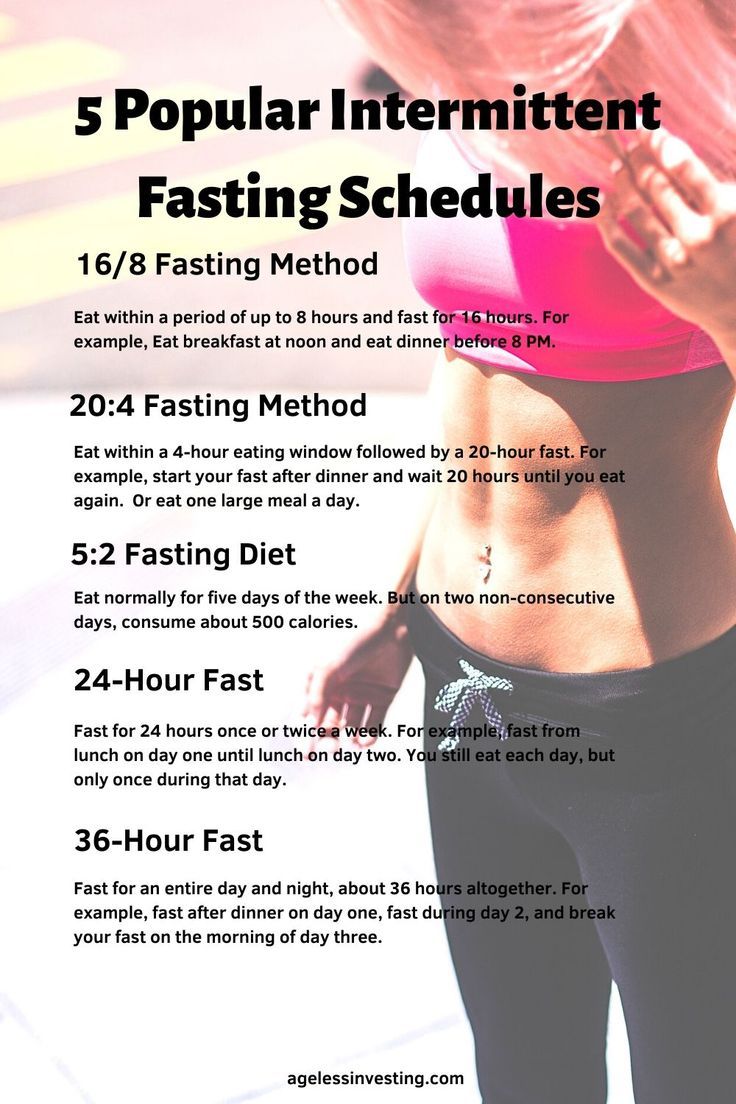
Intermittent fasting is an eating pattern that cycles between periods of fasting and eating. This strategy has gained popularity for its potential benefits in weight loss and overall health. Common intermittent fasting methods include the 16/8 method (fasting for 16 hours and eating within an 8-hour window) or the 5:2 method (eating normally for 5 days and restricting calorie intake to 500-600 calories for 2 non-consecutive days). Before starting intermittent fasting, it’s important to consult with a healthcare professional, especially if you have any underlying medical conditions.
Reducing Carbohydrate Intake
Reducing carbohydrate intake can be an effective strategy for weight loss. When you consume fewer carbs, your body is forced to use stored fat as fuel, leading to weight loss. Consider reducing your intake of refined carbohydrates like white bread, pasta, and sugary snacks, and focus on complex carbohydrates found in whole grains, fruits, and vegetables. Balancing your macronutrients and choosing high-quality carbs can help stabilize blood sugar levels and keep you feeling satisfied.
Increasing Fiber Consumption
Adding more fiber to your diet can aid in weight loss by promoting feelings of fullness and improving digestion. High-fiber foods include fruits, vegetables, whole grains, legumes, and nuts. Aim to gradually increase your fiber intake to avoid gastrointestinal discomfort. Additionally, staying hydrated is important when increasing fiber intake, as water helps fiber move through your digestive system smoothly.
Portion Control
Practicing portion control is essential for weight loss. Even if you’re consuming healthy foods, consuming too much of them can lead to excess calorie intake. Be mindful of portion sizes and use measuring tools or visual cues to guide your servings. Pay attention to hunger and fullness cues, and stop eating when you’re satisfied rather than overly full. Remember that it’s not just about what you eat but also how much you eat.
Avoiding Late-Night Snacking
Late-night snacking can sabotage your weight loss efforts. During the evening, your metabolism tends to slow down, and consuming unnecessary calories can lead to weight gain. Try to finish your meals at least two hours before bedtime to allow your body to digest properly. If you do feel hungry, opt for a small, protein-rich snack rather than high-sugar or high-fat options.
Keeping a Food Journal
Keeping a food journal can be a helpful tool in your weight loss journey. It allows you to track your food intake, identify patterns, and assess your eating habits. By writing down what you eat, you become more aware of portion sizes, food choices, and emotional triggers for eating. This self-reflection can lead to healthier choices and increased accountability.
Maximizing Calorie Burn
Increasing Physical Activity
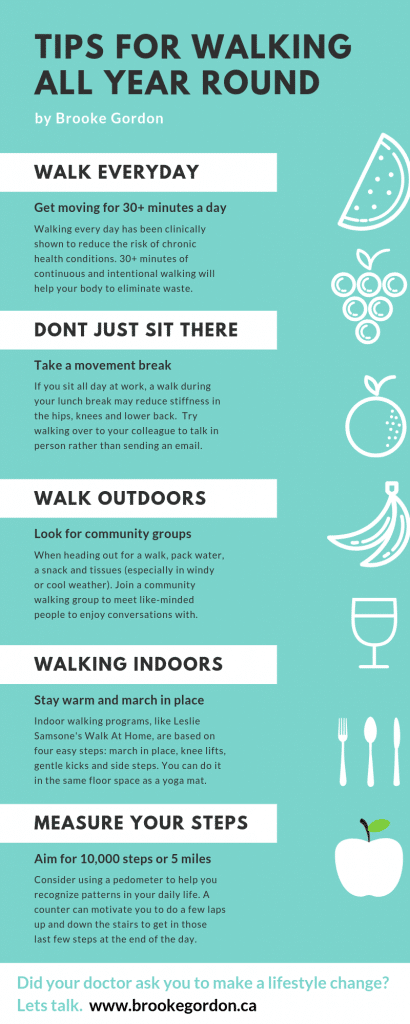
In addition to specific exercise routines, increasing your overall physical activity throughout the day can significantly impact calorie burn and weight loss. Look for opportunities to move more, such as taking the stairs instead of the elevator, walking or cycling instead of driving short distances, or incorporating physical activity into your leisure time. By being more active, you’ll burn more calories and contribute to your weight loss goals.
Incorporating Non-Exercise Activities
Exercise doesn’t have to be limited to structured workouts. Engaging in non-exercise activities such as gardening, cleaning, or playing with children can also contribute to burning calories. These activities may not feel intensive, but they add up throughout the day and contribute to overall calorie burn. Finding joy in moving your body through various activities not only helps with weight loss but also promotes a more active lifestyle.
Using Weights or Resistance Bands
Incorporating weights or resistance bands into your workouts can help build lean muscle, which in turn increases calorie burn even at rest. Strength training exercises help to tone and shape your body while boosting metabolism. Whether using free weights, machines, or resistance bands, aim to include exercises that target major muscle groups at least twice a week. If you’re new to strength training, seek guidance from a qualified fitness professional to ensure proper form and technique.
Trying High-intensity Interval Training (HIIT)
As mentioned earlier, HIIT is an effective exercise for weight loss. By incorporating short bursts of intense exercise with brief periods of rest, HIIT workouts challenge your body and increase calorie burn. These workouts can be done in a short amount of time, making them ideal for those with a busy schedule. Try incorporating HIIT workouts into your routine alongside other forms of cardio and strength training to maximize your calorie burn.
Taking Frequent Breaks
Taking breaks from sitting or sedentary activities is crucial both for weight loss and overall health. Prolonged sitting has been linked to various health risks, including weight gain. Set reminders to stand up and move around every hour during your workday. This can be as simple as stretching, walking around, or doing a few quick exercises. By incorporating more movement throughout your day, you’ll increase calorie burn and support overall weight loss.
Boosting Metabolism
Eating Protein-rich Foods
Consuming protein-rich foods can boost your metabolism and aid in weight loss. Protein requires more energy to digest, which results in a higher calorie burn compared to other macronutrients. Include sources of lean protein in your meals and snacks, such as chicken, fish, tofu, beans, or Greek yogurt. Aim to distribute your protein intake evenly throughout the day to support muscle growth and repair.
Consuming Spicy Foods
Adding spice to your meals can temporarily boost your metabolism and increase calorie burn. Spicy foods contain a compound called capsaicin, which has been found to have a thermogenic effect. This means it temporarily increases your body’s core temperature, resulting in a slight boost in metabolism. Adding spices like chili pepper, cayenne pepper, or ginger to your dishes can add flavor while potentially aiding in weight loss.
Drinking Green Tea or Oolong Tea
Both green tea and oolong tea have been associated with increased weight loss and metabolism. These teas contain compounds called catechins and polyphenols, which are believed to aid in fat oxidation and thermogenesis. Aim to drink a few cups of green tea or oolong tea daily to potentially support your weight loss efforts. Remember to opt for unsweetened varieties to avoid unnecessary added sugars and calories.
Getting Quality Sleep
Getting enough quality sleep is crucial for weight loss. Lack of sleep can disrupt your hormones and lead to increased hunger and cravings. Aim for 7-9 hours of sleep per night and establish a regular sleep routine. Create a cool, dark, and quiet sleeping environment and avoid electronic devices before bedtime to promote better sleep. By prioritizing sleep, you support your body’s natural ability to regulate appetite and metabolism.
Staying Hydrated
Hydration not only supports overall health but also plays a role in your metabolism. Dehydration can slow down your body’s metabolic rate. Aim to drink enough water throughout the day to stay hydrated and maintain optimal metabolic function. Besides water, you can also incorporate hydrating foods like fruits and vegetables into your diet. Listen to your body’s thirst cues and aim for clear or pale yellow urine as an indicator of proper hydration.
Managing Stress Levels
Chronic stress can have negative impacts on your weight loss efforts. Stress can trigger emotional eating, disrupt sleep, and lead to hormonal imbalances that affect your metabolism and fat storage. Find healthy stress management techniques that work for you, such as exercise, meditation, deep breathing, or engaging in hobbies. Prioritizing self-care and managing stress can support your weight loss journey and overall well-being.
Utilizing Weight Loss Supplements
Understanding the Risks and Benefits
Before considering weight loss supplements, it’s important to understand the risks and benefits associated with them. While some supplements may claim to aid in weight loss, their effectiveness and safety can vary. It’s essential to conduct thorough research, read reviews, and consult with a healthcare professional before trying any weight loss supplement. Remember that supplementing should never replace a healthy diet and exercise routine.
Consulting with a Healthcare Professional
When it comes to weight loss supplements, it’s crucial to consult with a healthcare professional, such as a doctor or registered dietitian. They can assess your individual needs, medical history, and any potential interactions with medications to determine if certain supplements are suitable for you. Their expertise will help you make informed decisions and ensure your safety and well-being.
Considering Natural Supplements
If you choose to explore weight loss supplements, consider natural options that have been studied and deemed safe. Some natural supplements, such as green tea extract, caffeine, or fiber supplements, may have modest effects on weight loss or appetite suppression. However, it’s important to note that these supplements should be used as part of a comprehensive weight loss plan and not as a standalone solution.
Using FDA-Approved Supplements
Some weight loss supplements have undergone rigorous testing and received approval from the U.S. Food and Drug Administration (FDA). These supplements have demonstrated safety and efficacy in aiding weight loss. If you’re considering supplements, look for those that are FDA-approved and backed by scientific evidence. Still, consult with a healthcare professional to ensure they are appropriate for your individual needs.
Being Aware of False Claims
When it comes to weight loss supplements, it’s important to be cautious of false claims or exaggerated promises. Keep in mind that there is no magic pill or shortcut to sustainable weight loss. Sound nutrition, regular exercise, and lifestyle changes are the foundations of successful weight loss. Don’t fall for marketing tactics and always critically evaluate the information provided about supplements before making a purchase.
Applying Lifestyle Changes
Improving Sleep Habits
Sleep plays a crucial role in weight loss and overall health. Poor sleep can disrupt hunger and appetite-regulating hormones, leading to increased cravings and overeating. Prioritize improving your sleep habits by establishing a consistent sleep schedule, creating a relaxing bedtime routine, and ensuring a comfortable sleep environment. By optimizing your sleep, you support your weight loss efforts and promote overall well-being.
Reducing Sedentary Behavior
Reducing sedentary behavior and incorporating more movement throughout your day is essential for weight loss. Aim to break up prolonged periods of sitting with short bursts of physical activity. Consider using a standing desk, taking regular walking breaks, or incorporating physical activity during commercial breaks while watching TV. Every little bit of movement adds up and contributes to burning calories and supporting weight loss.
Managing Stress
Stress can be a significant barrier to weight loss. It can lead to emotional eating, disrupt sleep, and contribute to hormonal imbalances that affect weight. Find healthy ways to manage stress, such as exercise, meditation, journaling, or spending time with loved ones. By addressing stress and finding effective coping mechanisms, you can create a more supportive environment for weight loss.
Avoiding Emotional Eating
Emotional eating can sabotage your weight loss efforts. Many people turn to food for comfort or as a coping mechanism for stress or negative emotions. Practice mindful eating by tuning into your body’s hunger and fullness cues and identifying whether your hunger is physical or emotional. Find alternative ways to deal with emotions, such as engaging in a hobby, going for a walk, or talking to a supportive friend.
Creating a Supportive Environment
Having a supportive environment is crucial for successful weight loss. Surround yourself with people who support and encourage your goals. Share your journey with loved ones and ask for their support. Consider joining a weight loss support group or online community for additional guidance and motivation. By fostering a supportive environment, you create a positive atmosphere that can help you stay on track with your weight loss goals.
Setting Realistic Goals
Setting realistic and achievable goals is essential for successful weight loss. Instead of focusing solely on the number on the scale, consider setting goals related to positive changes in habits or measurements. These non-scale victories can include improved energy levels, enhanced physical fitness, better sleep quality, or improved mood. Celebrate each milestone along your journey and remember that sustainable weight loss takes time and consistency.
Seeking Professional Guidance
Consulting with a Registered Dietitian
When it comes to personalized nutrition guidance, a registered dietitian (RD) is a valuable resource. RDs are trained professionals who can assess your nutritional needs, develop tailored meal plans, and provide evidence-based advice for weight loss. They can help you navigate any specific dietary restrictions or requirements you may have while supporting your weight loss goals. Seek out the expertise of an RD to ensure you’re on the right track.
Visiting a Nutritionist
A nutritionist can provide guidance on general nutrition principles and create a plan to support your weight loss journey. They can help you identify any nutritional deficiencies, develop meal plans, and address specific dietary concerns. While nutritionists may not have the same level of formal education and credentials as registered dietitians, they can still offer valuable insights and support.
Joining a Weight Loss Program
For those seeking guidance and structure, joining a weight loss program can be beneficial. These programs offer support, education, and accountability on your weight loss journey. Examples include commercial programs like Weight Watchers or Nutrisystem, as well as medically supervised programs offered by hospitals or clinics. Research different programs to find one that aligns with your goals and preferences.
Enlisting the Help of a Personal Trainer
If you’re new to exercise or need extra guidance and motivation, a personal trainer can be a valuable resource. They can develop personalized workout plans, teach proper form, and provide ongoing support and accountability. A personal trainer can help you maximize your workout efficiency and guide you towards exercises that support weight loss. Look for certified personal trainers who have experience in working with individuals aiming for weight loss.
Considering Medical Interventions
Sometimes, individuals may need extra assistance in their weight loss journey due to medical conditions or significant weight-related health risks. In these cases, medical interventions such as weight loss medications or bariatric surgery may be considered. These interventions should always be discussed with healthcare professionals specialized in weight management to determine the potential risks, benefits, and appropriateness for the individual.
Understanding the Importance of Individualized Plans
Every individual is unique, and what works for one person may not work for another. It’s essential to understand the importance of individualized plans when it comes to weight loss. Each person has different preferences, needs, and metabolic rates. There’s no one-size-fits-all approach to weight loss, which is why seeking professional guidance can be beneficial. By working with professionals, you can create a personalized plan that considers your specific circumstances.
Maintaining Weight Loss
Implementing Sustainable Habits
To maintain weight loss, it’s crucial to implement sustainable habits into your lifestyle. Instead of pursuing fad diets or short-term solutions, focus on long-term changes that you can maintain. Choose nutrient-dense foods, engage in regular physical activity, prioritize self-care, and practice moderation rather than deprivation.
Making Long-Term Dietary Changes
Shifting your mindset from short-term dieting to long-term dietary changes is essential for weight maintenance. Rather than viewing certain foods as off-limits, aim for a balanced approach that allows for flexibility and enjoyment. Focus on incorporating a wide variety of whole, unprocessed foods into your diet while maintaining portion control. Keep track of your eating habits and make adjustments as needed to support weight maintenance.
Staying Consistent with Exercise
Physical activity plays a key role in maintaining weight loss. Regular exercise not only burns calories but also helps prevent weight regain by preserving muscle mass and boosting metabolism. Find activities you enjoy and make them a consistent part of your routine. Aim for a combination of cardiovascular exercise, resistance training, and flexibility exercises to support overall fitness and weight maintenance.
Checking-in with Healthcare Professionals
Regular check-ins with healthcare professionals can be helpful in maintaining weight loss. They can provide guidance, monitor your progress, and address any questions or concerns you may have. Regular appointments with a registered dietitian or doctor can help you stay accountable and make any necessary adjustments to your plan.
Listening to Your Body
Pay attention to your body’s signals when it comes to hunger, fullness, and satisfaction. It’s important to eat when you’re genuinely hungry and stop eating when you’re comfortably full. Avoid restrictive or emotional eating and practice mindful eating by savoring your food and eating with intention. By listening to your body’s cues, you can support weight maintenance and prevent overeating.
Embracing a Health-Focused Mindset
Maintaining weight loss is not just about the physical aspects; it’s also about embracing a health-focused mindset. Shift your focus from solely weight-related goals to overall well-being. Prioritize self-care, manage stress, and focus on the positive changes you’ve made in your lifestyle. Celebrate the non-scale victories and appreciate the overall improvement in your health and quality of life.
Celebrating Non-Scale Victories
Tracking Progress Through Measurements
While the number on the scale is often the default measure of progress, it’s important to recognize other indicators of success. Keep track of measurements such as waist circumference, body fat percentage, or clothing sizes. Sometimes, changes in these measurements can reflect progress even when the scale may not show immediate results.
Recognizing Increased Energy Levels
As you adopt healthier habits and lose weight, you may notice a significant increase in energy levels. Celebrate the fact that you now have more vitality and stamina to enjoy activities you love. Improved energy is a valuable non-scale victory that shows your efforts are paying off.
Noticing Improved Mood and Mental Health
Weight loss and healthy lifestyle changes can have a positive impact on mental health and overall mood. As you take care of your physical health, you may notice reduced stress levels, improved self-confidence, and enhanced overall well-being. Acknowledge and celebrate these emotional and mental benefits.
Appreciating Enhanced Physical Fitness
Engaging in regular exercise and adopting a healthy lifestyle often leads to improved physical fitness. Take note of the increased strength, endurance, and flexibility you’ve gained throughout your weight loss journey. Whether it’s being able to run faster, lift heavier weights, or complete more challenging workouts, these achievements are worth celebrating.
Enjoying Better Sleep Quality
Weight loss and healthy habits can positively influence your sleep quality. Improved sleep can lead to increased energy levels, enhanced cognitive function, and overall well-being. If you find yourself waking up feeling refreshed and energized, it’s a non-scale victory that deserves recognition.
Embracing Better Sleep Quality
Weight loss and healthy habits can positively influence your sleep quality. Improved sleep can lead to increased energy levels, enhanced cognitive function, and overall well-being. If you find yourself waking up feeling refreshed and energized, it’s a non-scale victory that deserves recognition.
By celebrating these non-scale victories and recognizing the positive changes in your overall well-being, you can stay motivated and continue on your weight loss journey with a positive mindset. Remember to enjoy the process and embrace the new healthier lifestyle you’ve adopted.