If you’re feeling discouraged by the number on the scale and wondering how to shed those extra pounds at 54, look no further! This article will provide you with simple and effective tips to help you lose weight fast at 54. Discover lifestyle changes, dietary adjustments, and exercise routines that will kickstart your weight loss journey and leave you feeling healthier and more confident than ever before. Say goodbye to the frustration and hello to a new, vibrant you!


Exercises to Incorporate
Cardio workouts
Incorporating cardio workouts into your exercise routine can be a great way to start losing weight. Engaging in activities like running, swimming, cycling, or brisk walking can help boost your heart rate, increase calorie burn, and improve overall cardiovascular health. Aim for at least 150 minutes of moderate-intensity cardio exercises each week. You can break it down into 30 minutes of exercise on most days of the week or longer sessions a few times a week.
Strength training
Strength training is an essential component of weight loss as it helps build lean muscle mass. This not only burns calories during exercise, but it also increases your metabolism, allowing you to burn more calories throughout the day. Include exercises like weightlifting, using resistance bands, or bodyweight exercises like push-ups, squats, and lunges. Aim for two to three strength training sessions per week, allowing for adequate rest between sessions to allow your muscles to recover.
Yoga and Pilates
Incorporating yoga and Pilates into your fitness routine can help improve flexibility, strength, and overall body awareness. These low-intensity exercises focus on stretching and toning your muscles while promoting relaxation and stress reduction. Consider attending a yoga or Pilates class, or follow along with online tutorials from the comfort of your home. Aim to practice yoga or Pilates at least two to three times a week for optimal benefits to both your physical and mental well-being.
Dietary Modifications
Cut back on processed foods
One of the most effective ways to promote weight loss is to cut back on processed foods. These foods are often high in added sugars, unhealthy fats, and empty calories, which can contribute to weight gain. Opt for whole, unprocessed foods instead, such as fruits, vegetables, lean proteins, and whole grains. Not only will these foods provide essential nutrients, but they will also help you feel fuller for longer periods and support your weight loss goals.
Increase water intake
Many people underestimate the importance of staying hydrated when trying to lose weight. Drinking an adequate amount of water throughout the day can help boost your metabolism, curb your appetite, and promote efficient bodily functions. Aim to drink at least 8 cups (64 ounces) of water daily, and increase your intake if you are engaging in intense physical activity or live in a hot climate. Consider adding flavorings like lemon or cucumber slices to make water more enjoyable.
Eat more fruits and vegetables
Fruits and vegetables should be the cornerstone of any weight loss plan. They are low in calories, high in fiber, and packed with essential vitamins and minerals. These nutrient-dense foods not only provide the nourishment your body needs but also help you feel satisfied while consuming fewer calories. Aim to include a variety of colorful fruits and vegetables in each meal. Try adding them to smoothies, stir-fries, salads, or as healthy snacks throughout the day.

Meal Planning
Portion control
Portion control plays a vital role in weight loss as consuming larger portions can lead to excess calorie intake. Be mindful of your portion sizes, and aim to fill your plate with a balanced mix of protein, carbohydrates, and vegetables. Use smaller plates and bowls to help control portion sizes visually. Additionally, pay attention to your body’s hunger and fullness cues to avoid overeating. Mindful eating techniques, such as eating slowly and savoring each bite, can also be helpful in practicing portion control.
Eating smaller, frequent meals
Instead of consuming three large meals a day, consider eating smaller, more frequent meals throughout the day. This approach can help keep your metabolism active and prevent intense hunger that may lead to overeating. Aim to eat every three to four hours, including a balance of protein, complex carbohydrates, and healthy fats in each meal. This can help stabilize blood sugar levels, provide sustained energy, and prevent snacking on unhealthy foods.
Balanced macronutrient distribution
A balanced macronutrient distribution is important for weight loss and overall health. It involves consuming the right proportions of carbohydrates, proteins, and fats. Carbohydrates provide energy, proteins support muscle growth and repair, and fats help with satiety and nutrient absorption. Aim to include a mix of all three macronutrients in each meal. Opt for complex carbohydrates like whole grains, lean proteins such as chicken, fish, or tofu, and healthy fats like nuts, avocado, or olive oil.
Intermittent Fasting
Understanding the concept
Intermittent fasting is an eating pattern that cycles between periods of fasting and eating. It has gained popularity as a weight loss strategy due to its ability to promote fat burning and improve metabolic health. During the fasting period, your body uses stored fat for energy, leading to weight loss. The most common way to practice intermittent fasting is by following the 16/8 method, which involves fasting for 16 hours and limiting your eating window to 8 hours each day.
Different methods of fasting
There are various methods of intermittent fasting that you can choose from depending on your preferences and lifestyle. Apart from the 16/8 method, other popular fasting methods include the 5:2 diet (limiting calorie intake to 500-600 calories for two non-consecutive days each week), alternate-day fasting (fasting every other day or drastically reducing calorie intake), and the 24-hour fast (fasting for a full 24 hours once or twice a week). It’s important to choose a fasting method that works best for you and consult with a healthcare professional before starting.
Potential benefits and considerations
Intermittent fasting has been linked to numerous health benefits, including weight loss, improved insulin sensitivity, increased fat burning, and reduced inflammation. However, it may not be suitable for everyone, especially those with certain medical conditions or who are pregnant or breastfeeding. It may also take time for your body to adjust to the fasting pattern, and some individuals may experience temporary side effects such as hunger, irritability, or difficulty concentrating. It’s essential to listen to your body and make adjustments as needed while practicing intermittent fasting.
Sleep and Stress Management
Improving sleep quality
Getting adequate sleep is crucial for weight loss and overall well-being. Lack of sleep can disrupt hormones that regulate hunger and satiety, leading to increased cravings and calorie intake. Aim for 7-9 hours of uninterrupted sleep each night. Establish a relaxing bedtime routine, create a comfortable sleep environment, and limit exposure to electronic devices before bed. If you struggle with sleep, consider practicing relaxation techniques such as deep breathing, guided meditation, or listening to calming music.
Reducing stress levels
Chronic stress can contribute to weight gain and hinder weight loss efforts. When you’re stressed, your body releases cortisol, a hormone that can increase appetite and promote fat storage, particularly around the midsection. Finding healthy ways to manage stress is essential for weight loss. Incorporate stress-reducing activities into your routine, such as regular exercise, spending time outdoors, practicing hobbies, or engaging in activities that bring you joy and relaxation. Consider exploring stress management techniques like yoga, meditation, or journaling to help manage daily stressors.
Mindfulness practices
Practicing mindfulness can be beneficial for weight loss by promoting awareness of your eating habits and emotions surrounding food. Mindful eating involves paying attention to the sensory experience of eating, such as the taste, texture, and aroma of food, and listening to your body’s hunger and fullness cues. It can help you make healthier food choices, enjoy your meals more, and prevent overeating. Incorporate mindfulness practices into your daily routine, such as taking a few deep breaths before eating, eating without distractions, and savoring each bite.
Supplementation
Consulting a healthcare professional
Before considering any weight loss supplements, it’s important to consult with a healthcare professional. They can assess your individual needs and provide guidance on which supplements, if any, may be appropriate for you. Keep in mind that supplements are not a magic solution and should be used in conjunction with a balanced diet and exercise regimen. They may also interact with medications or have side effects, so it’s crucial to disclose your complete medical history to your healthcare provider.
Considering natural supplements
While some weight loss supplements may promise quick results, it’s important to approach them with caution. Natural supplements such as green tea extract, fiber supplements, or herbal extracts like Garcinia Cambogia have been studied for their potential benefits in weight loss. However, their effectiveness and safety may vary, and results can differ from person to person. Do thorough research, read product labels, and look for reputable brands when considering natural supplements. Remember that no supplement can replace a healthy lifestyle.
Understanding potential risks
It’s important to be aware of potential risks associated with weight loss supplements. Some supplements may contain hidden ingredients, stimulants, or substances that can have adverse effects on your health. Common side effects of weight loss supplements include increased heart rate, elevated blood pressure, gastrointestinal issues, insomnia, and anxiety. Be cautious of products that make unrealistic claims or promise rapid weight loss. Always read labels, follow recommended dosage guidelines, and discontinue use if you experience any negative side effects.
Tracking Progress
Keeping a food diary
One effective method to track your progress and maintain accountability is by keeping a food diary. This involves recording everything you eat and drink throughout the day, including portion sizes and any additional condiments or toppings. It can help you identify patterns, track your calorie intake, and identify potential areas for improvement. There are various apps and online tools available that make food tracking convenient and accessible. Set aside a few minutes each day to log your meals and review your eating habits.
Monitoring physical changes
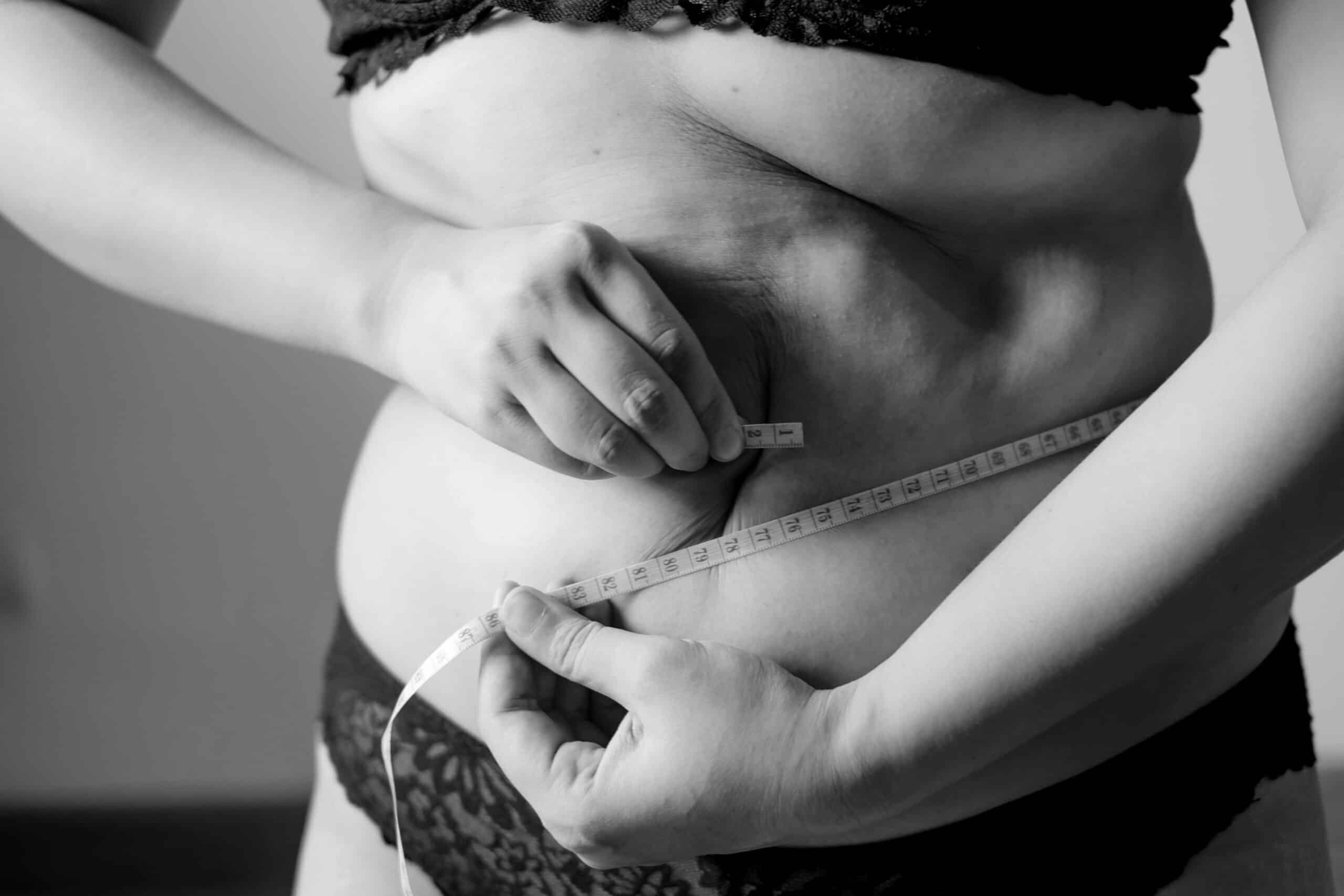
Tracking physical changes can be a great way to gauge your progress and stay motivated. Take measurements of your waist, hips, and other body parts regularly to track changes in inches. Additionally, take progress photos to visually compare your body’s transformation over time. Remember that weight loss is not solely determined by the number on the scale. Focus on other indicators of progress, such as increased energy levels, improved fitness performance, or how your clothes fit.
Using weight loss apps or tools
In today’s digital age, there are numerous weight loss apps and tools available to help you track your progress, set goals, and stay motivated. These apps can offer various features, such as calorie tracking, meal planning, exercise tracking, and community support. Consider exploring different apps and find one that aligns with your preferences and goals. Using these tools can provide valuable insights into your eating habits, monitor your calorie intake, and help you stay on track with your weight loss journey.
Building a Support Network
Enlisting family and friends’ support
Having a strong support network is crucial when embarking on a weight loss journey. Enlist the support of your family and friends by sharing your goals and explaining why they are important to you. They can provide encouragement, hold you accountable, and join you in adopting healthy habits. Share healthy meals together, engage in physical activities as a group, and celebrate milestones together. Having loved ones supporting you can make a significant difference in your motivation and overall success.
Joining weight loss groups or communities
Joining weight loss groups or communities can provide additional support and accountability. These groups can offer a sense of camaraderie, a platform to share experiences and challenges, and access to valuable resources and advice. Whether it’s an in-person group, online community, or virtual support group, connecting with like-minded individuals can provide motivation, inspiration, and a space to seek guidance. Consider joining a local weight loss group or exploring online communities that align with your goals and values.
Considering professional guidance
Sometimes, seeking professional guidance can be beneficial when it comes to weight loss. Registered dietitians, nutritionists, personal trainers, or weight loss coaches can provide personalized advice, create tailored meal plans, and help you develop a sustainable exercise routine. They can also offer guidance in overcoming obstacles and addressing any underlying issues that may be hindering your weight loss progress. Working with a professional can provide you with the knowledge, expertise, and support necessary to achieve your weight loss goals in a safe and effective manner.
Motivation and Mental Well-being
Setting realistic goals
Setting realistic and achievable goals is crucial for long-term weight loss success. Instead of focusing solely on the number on the scale, set goals that are specific, measurable, attainable, relevant, and time-bound (SMART goals). Break your larger goal into smaller milestones, making it easier to track your progress and stay motivated. Celebrate each accomplishment along the way, whether it’s losing a couple of pounds, completing a fitness challenge, or making healthier food choices consistently.
Rewarding milestones
Rewarding yourself when reaching milestones can provide additional motivation during your weight loss journey. However, it’s important to choose non-food rewards that align with your goals and priorities. Treat yourself to a massage, buy new workout clothes, indulge in a relaxing spa day, or plan a fun activity or outing. By rewarding yourself with experiences or items that support your health and well-being, you’ll reinforce positive behaviors and stay motivated to continue your weight loss efforts.
Positive self-talk
Positive self-talk plays a vital role in maintaining motivation and mental well-being during weight loss. Instead of focusing on perceived failures or setbacks, practice self-compassion and encourage yourself along the journey. Replace negative thoughts with positive affirmations, remind yourself of your strengths and accomplishments, and visualize yourself reaching your goals. Surround yourself with positive influences, whether it’s inspirational quotes, supportive friends, or uplifting social media accounts, to help maintain a positive mindset throughout your weight loss journey.
Maintaining Weight Loss
Incorporating healthy habits into routine
To maintain weight loss, it’s crucial to incorporate healthy habits into your daily routine. Sticking to a balanced diet, regular exercise, and other lifestyle changes that helped you lose weight will contribute to long-term success. Focus on making these habits a part of your lifestyle rather than viewing them as temporary measures. Continue to prioritize whole, unprocessed foods, engage in regular physical activity, practice portion control, and be mindful of your eating habits. Consistency is key when it comes to weight maintenance.
Staying active
Regular physical activity is not only important for weight loss but also for weight maintenance. Aim for at least 150 minutes of moderate-intensity exercise or 75 minutes of vigorous-intensity exercise each week, as recommended by the American Heart Association. Engage in activities you enjoy and find ways to stay active throughout the day, such as taking the stairs instead of the elevator or going for a walk during breaks. Find a balance between cardiovascular exercises, strength training, and activities that promote flexibility and relaxation.
Avoiding weight regain
Avoiding weight regain requires continued effort and vigilance. Be mindful of any unhealthy habits that may be creeping back into your routine and address them promptly. Stay connected with your support network, seek professional guidance if needed, and continue tracking your progress and monitoring your food intake. Be aware of emotional eating triggers and find alternative ways to cope with stress or negative emotions. Remember that weight loss is a journey, and maintaining a healthy weight is an ongoing commitment to your well-being.
Losing weight at any age is possible with the right mindset, dedication, and a holistic approach. Incorporating a combination of exercise, dietary modifications, mindfulness practices, and support systems can set you on the path towards achieving your weight loss goals. Remember to consult with a healthcare professional before making any significant changes to your diet or exercise routine. With patience, perseverance, and a focus on overall well-being, you can achieve your weight loss aspirations and enjoy a healthier, happier life at 54 and beyond.