Are you tired of sifting through countless weight loss fads and restrictive diets? Look no further – we’ve got you covered. In this article, discover a simple and effective approach to losing weight fast and maintaining a healthy lifestyle in just one month. Say goodbye to crash diets and hello to sustainable results. Get ready to transform your body and achieve your weight loss goals with our expert tips and recommendations.

Setting Realistic Weight Loss Goals
Assessing your current weight and health
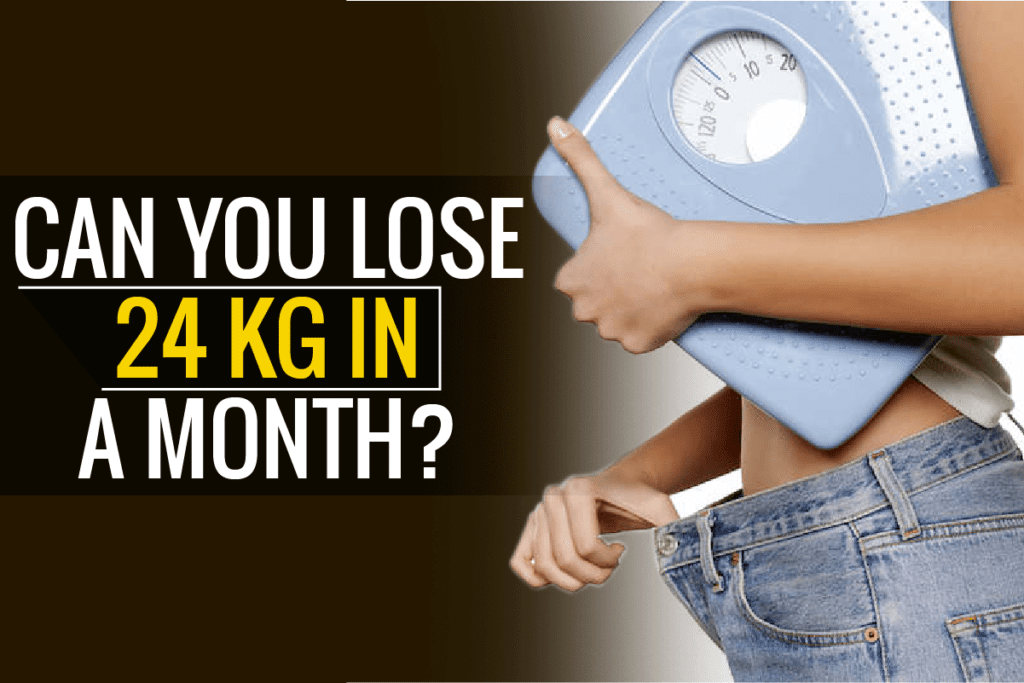
Before embarking on any weight loss journey, it is essential to assess your current weight and overall health. This will provide you with a baseline to work from and help you determine the appropriate weight loss goals. Start by weighing yourself and measuring your body mass index (BMI). Additionally, consider factors such as your age, medical history, and any pre-existing health conditions that may affect your weight loss efforts.
Consulting with a healthcare professional
To ensure your weight loss journey is safe and effective, it is highly recommended to consult with a healthcare professional, such as a doctor or a registered dietitian. They can provide personalized guidance based on your specific needs and health circumstances. A healthcare professional can help you set realistic goals, consider any dietary restrictions or sensitivities, and monitor your progress along the way.
Determining a healthy and achievable weight loss goal
Setting a weight loss goal that is realistic and achievable is crucial to maintaining motivation and ensuring long-term success. Aim to lose 1-2 pounds per week, which is considered safe and sustainable. Remember that weight loss is not just about the number on the scale but also about improving overall health and well-being. Consider factors such as body composition, energy levels, and how you feel in your own skin when determining your weight loss goal.
Setting a timeframe for your weight loss journey
While it is natural to want quick results, it is important to approach weight loss with a long-term mindset. Instead of focusing on a specific timeframe, aim for consistency and progress over time. Healthy weight loss occurs gradually and varies from person to person. Set small milestones along the way to keep yourself motivated, but avoid putting unnecessary pressure on yourself to achieve unrealistic goals within a short period.
Creating a Calorie Deficit
Understanding the concept of a calorie deficit
The concept of a calorie deficit is fundamental in weight loss. It means consuming fewer calories than your body needs, forcing it to tap into stored fat as an energy source. To create a calorie deficit, you need to understand your daily caloric needs and adjust your food intake accordingly. This approach promotes steady and sustainable weight loss.
Calculating your daily calorie needs
To determine your daily calorie needs, consider your age, sex, height, weight, and activity level. Online calculators or consulting with a registered dietitian can help you estimate the number of calories your body requires to maintain its current weight. Once you have this information, you can then calculate your target caloric intake for weight loss by reducing this number by 500-1000 calories per day.
Reducing calorie intake through diet
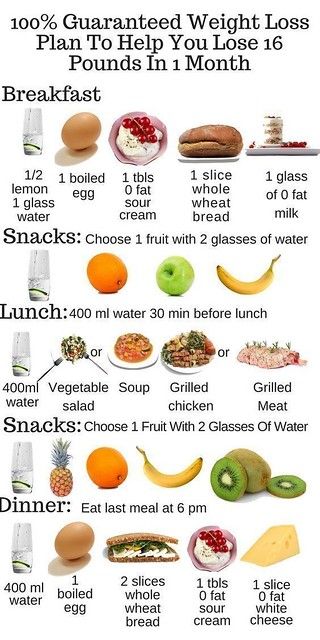
Reducing your calorie intake doesn’t mean you have to starve yourself or eliminate entire food groups. Instead, focus on making healthier food choices and practicing portion control. Opt for nutrient-dense foods that are lower in calories but higher in essential vitamins and minerals. Include plenty of fruits, vegetables, whole grains, lean proteins, and healthy fats in your meals while limiting foods high in added sugars and saturated fats.
Incorporating portion control into meals
Portion control plays a critical role in managing calorie intake. Start by familiarizing yourself with appropriate portion sizes for different food groups. Use measuring cups, a kitchen scale, or visual guides to help you gauge appropriate portions. Additionally, be mindful of portion sizes when eating out or snacking. Paying attention to portion control can help you maintain a calorie deficit and prevent overeating.

Eating a Balanced and Nutritious Diet
Choosing whole, unprocessed foods
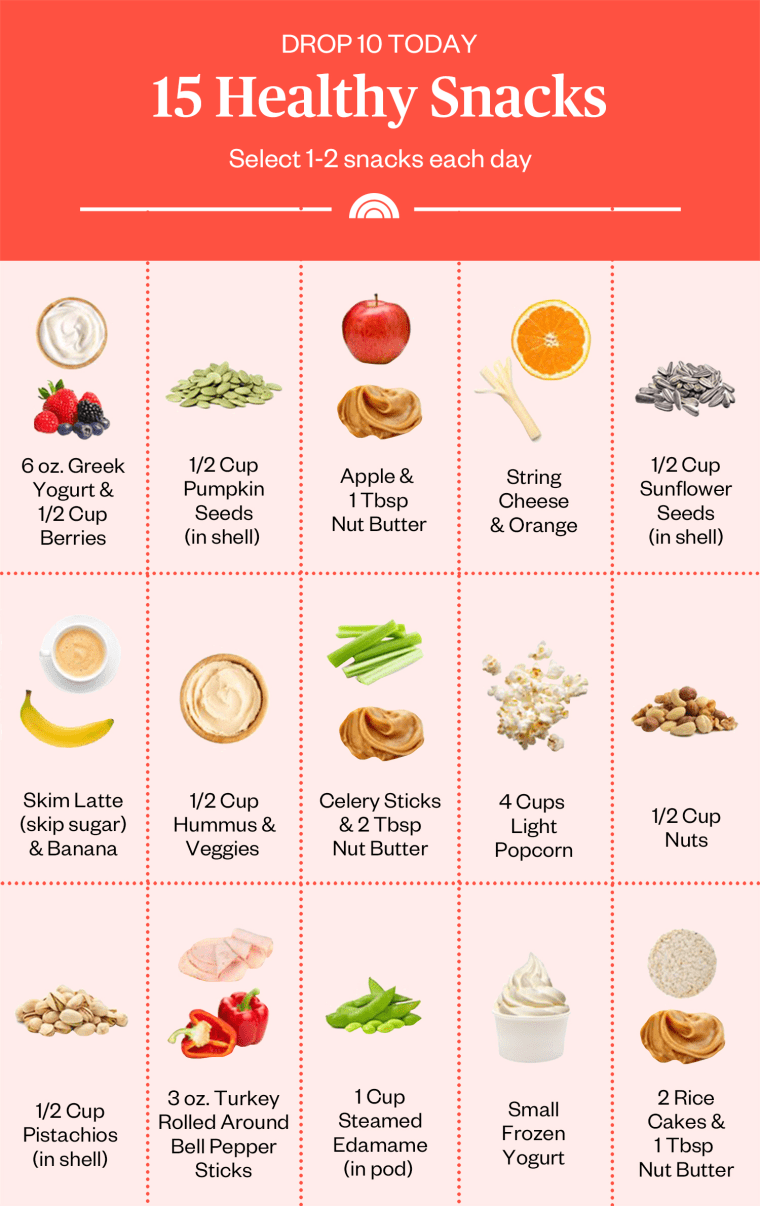
When it comes to weight loss, choosing whole, unprocessed foods is key. These foods are generally lower in calories and higher in essential nutrients compared to their processed counterparts. Incorporate whole grains, such as brown rice and quinoa, into your meals instead of refined grains. Opt for lean proteins like chicken, fish, beans, and tofu. Include plenty of fruits, vegetables, nuts, and seeds for added fiber, vitamins, and minerals.
Increasing consumption of fruits and vegetables
Fruits and vegetables are incredibly beneficial for weight loss due to their low calorie and high fiber content. Aim to include a variety of colorful fruits and vegetables in your diet. These nutrient-rich foods not only promote satiety but also provide essential vitamins, minerals, and antioxidants. Try to fill at least half of your plate with fruits and vegetables at every meal to support weight loss and overall health.
Incorporating lean protein sources
Protein is a crucial macronutrient in a healthy weight loss diet. It helps increase feelings of fullness, preserves lean muscle mass, and supports the body’s metabolism. Opt for lean sources of protein, such as skinless poultry, fish, tofu, beans, lentils, and low-fat dairy products. Including protein in each meal can help control hunger and prevent overeating.
Including healthy fats in your diet
Contrary to popular belief, not all fats are bad for you. Incorporating healthy fats into your diet can actually support weight loss. Sources of healthy fats include avocados, nuts, seeds, olive oil, and fatty fish like salmon or trout. These fats provide essential nutrients, promote satiety, and help your body absorb fat-soluble vitamins. Remember to consume fats in moderation, as they are still high in calories.
Limiting processed and sugary foods
Processed foods and added sugars can sabotage your weight loss efforts. They are often high in calories, low in nutrients, and can lead to overconsumption. Limit the consumption of processed snacks, sugary beverages, fast food, and desserts. Instead, opt for whole foods and prepare meals and snacks at home using fresh, wholesome ingredients. This will not only support weight loss but also improve your overall health.
Planning and Preparing Meals
Meal planning for the week
Meal planning saves time, reduces impulse eating, and helps you make healthier choices. Take some time at the beginning of each week to plan your meals. Decide what recipes you want to try and make a grocery list based on the ingredients needed. Consider your schedule and lifestyle, and plan for meals that can be prepared in advance or cooked quickly on busy days.
Creating a grocery list
A well-planned grocery list is essential for sticking to a healthy eating plan. Write down all the ingredients you need for your planned meals and snacks. Prioritize whole foods, such as fruits, vegetables, lean proteins, whole grains, and healthy fats. Avoid buying unnecessary processed foods or sugary treats. Having a detailed grocery list will make your shopping trips more efficient and help you avoid impulse purchases.
Preparing meals in advance
Preparing meals in advance can save you time and prevent reaching for unhealthy fast food options when you’re busy or tired. Invest some time during the weekend or on less hectic days to batch cook or prep ingredients for the week. Wash and chop vegetables, cook grains, and marinate or cook proteins ahead of time. Store these pre-prepped ingredients in airtight containers in the fridge for easy assembly when needed.
Portioning meals for better control
To maintain control over your calorie intake, consider portioning out your meals and snacks in advance. Invest in food storage containers, portion control plates, or a kitchen scale to help you measure appropriate serving sizes. By having pre-portioned meals and snacks, you are less likely to overeat and can better monitor your calorie intake.
Exploring healthy and flavorful recipes
Healthy eating doesn’t have to be bland or boring. Explore a variety of healthy and flavorful recipes to keep your meals exciting and enjoyable. Look for recipes that incorporate whole, unprocessed ingredients and experiment with different seasonings, herbs, and spices to add flavor without adding excess calories. There are countless online resources, cookbooks, and cooking shows that can inspire you to try new recipes and techniques.

Staying Hydrated
Understanding the importance of water in weight loss
Water plays a crucial role in weight loss as it helps with digestion, promotes satiety, and supports your body’s metabolic processes. It is essential to stay properly hydrated throughout the day, especially when aiming for weight loss. Drinking adequate water can also help prevent dehydration, reduce water retention, and support overall health.
Calculating the recommended daily water intake
The recommended daily water intake varies depending on several factors, such as your weight, activity level, and climate. A common guideline is to drink eight 8-ounce glasses of water per day, which is approximately 2 liters or half a gallon. However, individual needs may vary. Pay attention to your body’s hydration signals, such as thirst and urine color, to ensure you’re consuming enough water.
Drinking water regularly throughout the day
To stay adequately hydrated, make a habit of drinking water regularly throughout the day. Keep a water bottle with you and take sips frequently, even if you don’t feel thirsty. Set reminders if needed or use a mobile app that tracks your water intake. By making water consumption a habit, you’ll find it easier to meet your daily hydration needs.
Replacing sugary beverages with water
Sugary beverages, such as soda, energy drinks, and fruit juices, are often high in calories and provide little to no nutritional value. These empty calories can hinder weight loss efforts. Instead of reaching for sugary drinks, opt for water as your primary beverage. Infusing water with fresh fruits, herbs, or cucumber slices can add a hint of flavor without adding extra calories.
Incorporating Physical Activity
Choosing enjoyable and sustainable exercises
To enhance your weight loss journey and improve overall fitness, incorporate physical activity into your daily routine. Choose exercises that you enjoy and can sustain long-term. This will increase your adherence and make the journey more enjoyable. Experiment with different activities, such as walking, jogging, cycling, swimming, dancing, or joining a fitness class, to find what suits your preferences and fits into your lifestyle.
Designing a workout plan
Having a well-designed workout plan can help you stay consistent and make progress towards your weight loss goals. Consider your current fitness level, time availability, and preferences when creating your plan. Aim for a mix of cardiovascular exercises and strength training to maximize calorie burn, build lean muscle mass, and improve overall body composition.
Combining cardiovascular exercises and strength training
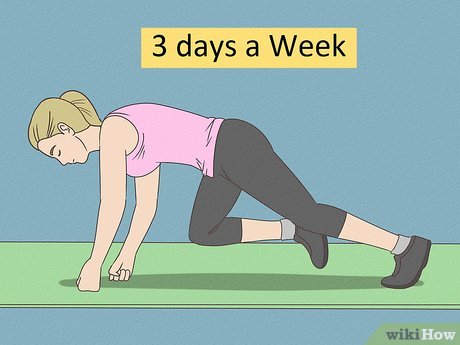
Cardiovascular exercises, such as brisk walking, running, cycling, or swimming, elevate your heart rate and burn calories. Aim for at least 150 minutes of moderate aerobic activity or 75 minutes of vigorous aerobic activity per week. Additionally, include strength training exercises at least two days a week to build and maintain muscle mass, which can help improve your metabolism and increase calorie burn.
Increasing daily physical activity levels
In addition to dedicated exercise sessions, look for opportunities to increase your daily physical activity levels. Simple changes, such as taking the stairs instead of the elevator, parking farther away from your destination, or incorporating short walks into your lunch break, can add up and contribute to your overall calorie expenditure. Remember that every little bit of movement counts!
Tracking progress and making adjustments
Regularly track your progress to stay motivated and make any necessary adjustments to your weight loss plan. Keep a workout journal to log your exercise sessions, record the duration and intensity of your workouts, and track any improvements or milestones. Additionally, use a fitness tracker or mobile app to monitor your daily steps, calories burned, and heart rate. By tracking your progress, you can identify areas that need improvement and celebrate your achievements.
Getting Sufficient Sleep
Understanding the link between sleep and weight loss
Adequate sleep is essential for maintaining a healthy weight. Lack of sleep can disrupt hormones that regulate appetite, increase cravings for unhealthy foods, and reduce motivation for physical activity. Aim for 7-9 hours of quality sleep per night to support your weight loss efforts. Recognize the importance of sleep as an integral part of a healthy lifestyle, alongside nutrition and exercise.
Establishing a consistent sleep schedule
Maintaining a consistent sleep schedule can help regulate your body’s internal clock and improve the quality of your sleep. Go to bed and wake up at the same time every day, even on weekends. Creating a bedtime routine, such as avoiding stimulating activities before bed and creating a relaxing environment, can signal to your body that it’s time to wind down and prepare for sleep.
Creating a conducive sleep environment
Creating a conducive sleep environment can greatly improve the quality of your sleep. Ensure your bedroom is dark, quiet, and at a cool temperature. Invest in a comfortable mattress and pillows that support your body and sleep position. Limit exposure to electronic devices, such as smartphones and laptops, before bed, as the blue light emitted can interfere with your sleep.
Practicing relaxation techniques
Prioritizing relaxation and stress reduction in your daily routine can improve the quality and duration of your sleep. Incorporate relaxation techniques, such as deep breathing, meditation, or gentle stretching, into your evening routine to promote relaxation and prepare your body for sleep. Experiment with different techniques to discover what works best for you.
Avoiding sleep disruptors such as caffeine and electronics
Certain habits and substances can disrupt your sleep. It is advisable to avoid consuming caffeine, nicotine, and alcohol close to bedtime, as they can interfere with falling asleep or disrupt the quality of your sleep. Additionally, limit exposure to electronic devices before bed, as the blue light emitted can suppress the production of melatonin, a hormone that regulates your sleep-wake cycle.
Managing Stress and Emotional Eating
Identifying triggers of stress and emotional eating
Stress and emotions can often trigger unhealthy eating patterns and hinder weight loss progress. It is important to identify your personal triggers for stress and emotional eating. Pay attention to situations, emotions, or thoughts that lead to turning to food for comfort or relief. By recognizing these triggers, you can develop healthier coping mechanisms.
Finding healthier coping mechanisms
Instead of relying on food as a coping mechanism, seek out healthier alternatives to manage stress and emotions. Engage in activities that bring you joy and help reduce stress, such as practicing yoga, going for a walk, reading a book, or listening to calming music. Find non-food-related ways to express and process your emotions, such as talking to a trusted friend, journaling, or practicing deep breathing exercises.
Practicing mindfulness and relaxation techniques
Mindfulness techniques can help you become more aware of your thoughts, emotions, and bodily sensations. Engaging in mindfulness exercises, such as meditation or mindful eating, can enhance self-awareness and reduce impulsive or emotional eating. By practicing mindfulness, you can better recognize hunger and fullness cues and make more conscious food choices.
Seeking support from friends, family, or professionals
Weight loss can be challenging, and having a support system in place can make a significant difference. Seek support from friends, family, or professionals who can offer encouragement, accountability, and guidance on your weight loss journey. Consider joining support groups or seeking the help of a therapist who specializes in disordered eating or weight management. Remember that it’s okay to ask for help when needed.
Tracking Progress and Making Adjustments
Measuring weight and body measurements
Regularly tracking your weight and body measurements can provide insights into your progress and help you stay motivated. Weigh yourself at the same time of day, preferably in the morning, and record your weight in a journal or a mobile app. Additionally, measure your body circumferences, such as your waist, hips, and thighs, and document these measurements. While weight is not the sole indicator of progress, it can be a useful tool when combined with other measurements.
Documenting food intake and exercise
Keeping a food diary or using a mobile app to log your food intake and exercise can be valuable in identifying patterns and making adjustments. Record the types and quantities of food you consume, including snacks and beverages. Additionally, document your exercise sessions, noting the duration, intensity, and any challenges or achievements. This documentation can help you identify any areas where you may need to make changes or seek further guidance.
Using technology and apps for tracking
Harness the power of technology by utilizing various apps and devices designed to track your progress. There are numerous apps available that can help you log your meals, count calories, track exercise, and monitor your water intake. You can also consider using wearable devices, such as fitness trackers or smartwatches, to monitor your daily activity levels, heart rate, and sleep patterns. Find the tools that work best for you and integrate them into your weight loss journey.
Analyzing progress and identifying areas of improvement
Regularly review your tracking data to analyze your progress and identify areas for improvement. Look for patterns, both positive and negative, in your eating and exercise habits. Determine if any adjustments need to be made to your caloric intake, macronutrient distribution, or exercise routine. Reflect on your successes and challenges along the way, and use this information to refine your approach and continually strive for progress.
Seeking Professional Guidance
Benefits of consulting a registered dietitian
Consulting a registered dietitian can provide you with personalized guidance and support throughout your weight loss journey. These professionals are trained to create individualized meal plans based on your specific needs and preferences. A registered dietitian can help you navigate any dietary restrictions, develop a balanced and nutritious eating plan, and provide ongoing education and support to help you achieve your weight loss goals.
Working with a personal trainer or fitness coach
If you’re looking to incorporate physical activity into your weight loss journey but unsure where to start or how to progress safely, consider working with a personal trainer or fitness coach. These professionals can design a workout plan tailored to your goals, fitness level, and any limitations you may have. They provide guidance on proper exercise techniques, ensure proper form, and help you stay motivated and accountable throughout your fitness journey.
Considering weight loss support groups
Joining a weight loss support group can provide a sense of community, encouragement, and accountability. These groups bring together individuals with similar goals, allowing you to share experiences, exchange advice, and celebrate victories along the way. Consider joining local in-person groups, online communities, or even starting your own support group with friends or family who share similar weight loss aspirations.
Addressing any underlying health conditions
In some cases, underlying health conditions may contribute to weight gain or hinder weight loss efforts. If you suspect you have an underlying medical condition that is impacting your weight, it is important to consult with a healthcare professional. They can conduct appropriate evaluations, order tests if necessary, and provide specialized care to address any health concerns that may be affecting your weight loss journey.
Remember, weight loss is a journey unique to every individual. Set realistic goals, focus on adopting healthy habits, and be patient with yourself. With time, dedication, and the support of healthcare professionals and loved ones, you can achieve lasting and healthy weight loss.