Congratulations on the arrival of your little bundle of joy! Now that your baby is here, it’s natural to want to regain your pre-pregnancy body and drop those extra pounds. In this article, we will explore some effective strategies and tips on how to drop weight fast after having a baby. With a bit of determination, a healthy lifestyle, and some practical advice, you’ll be well on your way to feeling confident and fabulous in no time. Let’s dive in!

Setting Realistic Goals
Understanding your body
After giving birth, it’s important to understand that your body has gone through significant changes. It took nine months for your body to grow and nurture a baby, so it’s natural that it will take time to get back to your pre-pregnancy weight. Be patient with yourself and focus on setting realistic goals that take into account your individual circumstances.
Consulting with a healthcare professional
Before embarking on a weight loss journey after having a baby, it’s crucial to consult with a healthcare professional. They will be able to assess your overall health and advise you on the safest and most effective ways to lose weight. They can also address any specific concerns or health conditions you may have, ensuring that your weight loss plan is tailored to your needs.
Creating a weight loss plan
With the guidance of a healthcare professional, you’ll be able to create a personalized weight loss plan. Consider your lifestyle, preferences, and challenges when designing your plan. It’s important to have a well-rounded approach that includes both diet and exercise. Set realistic and achievable goals that can be broken down into smaller milestones to keep you motivated along the way.
Establishing Healthy Eating Habits
Focusing on nutrient-dense foods
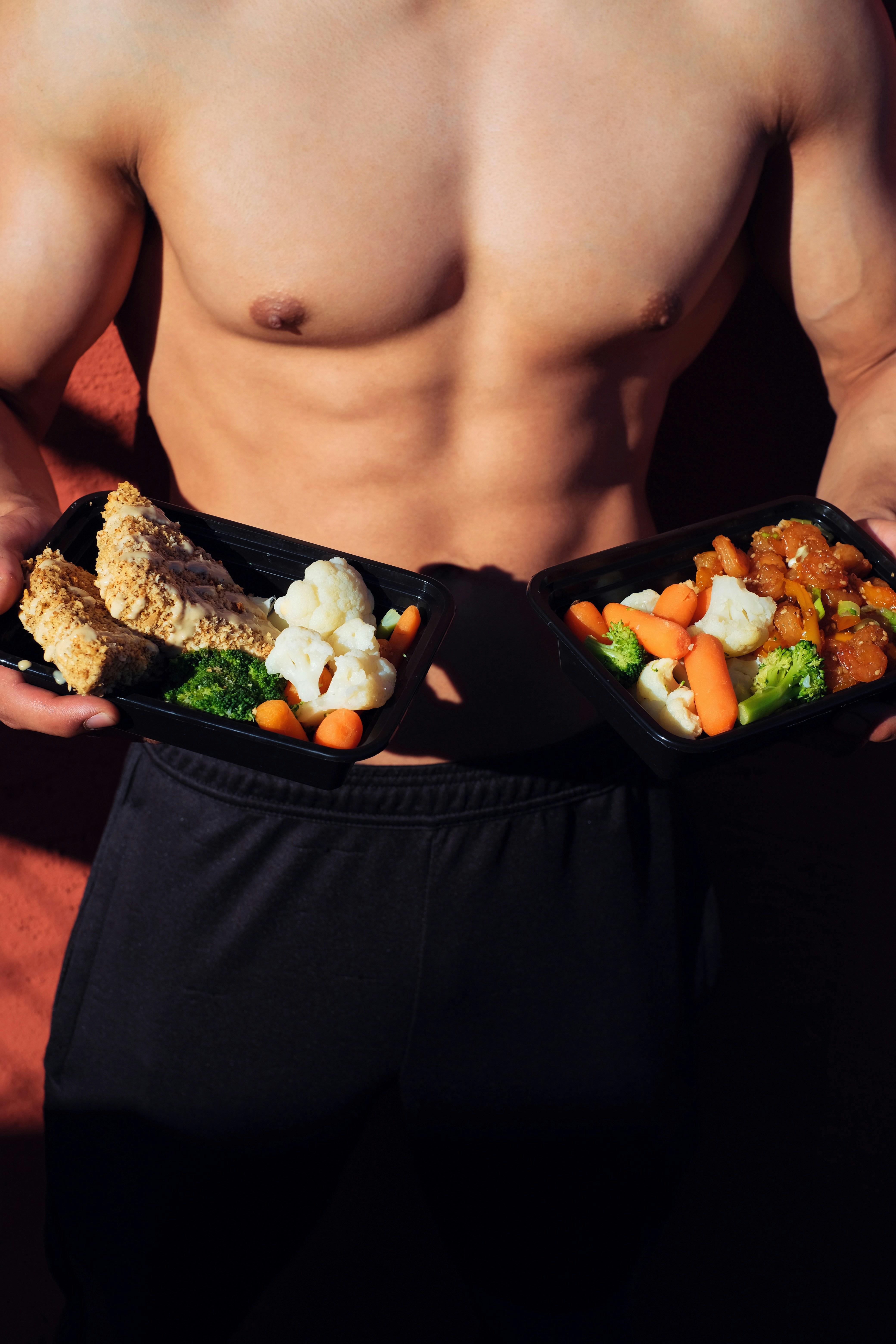
To support your weight loss goals and overall health, it’s crucial to focus on consuming nutrient-dense foods. These are foods that are rich in essential vitamins, minerals, and other beneficial nutrients. Incorporate plenty of fruits, vegetables, whole grains, lean proteins, and healthy fats into your diet. These foods will provide you with the necessary nutrients while keeping you satisfied.
Eating smaller, more frequent meals
Instead of large meals, opt for smaller, more frequent meals throughout the day. This approach can help prevent overeating and keep your metabolism active. Aim to have balanced meals and snacks every few hours to maintain steady energy levels and avoid feeling deprived. Remember to listen to your body’s hunger and fullness cues, eating until you’re satisfied and not overly stuffed.
Avoiding crash diets
While it may be tempting to try crash diets after having a baby, they can be detrimental to your health and weight loss efforts. Crash diets often involve severe calorie restriction and can lead to nutrient deficiencies and muscle loss. Instead, focus on sustainable and balanced eating habits that will nourish your body and support your weight loss journey in a healthy way.
Hydrating adequately
Drinking enough water is essential for overall health and weight loss. After pregnancy, it’s especially important to stay hydrated, as breastfeeding and physical activity can increase your fluid needs. Aim to drink at least eight glasses of water per day and incorporate other hydrating beverages like herbal teas and low-sugar juices. Staying well-hydrated will help boost your metabolism and aid in digestion.


Incorporating Physical Activity
Starting slowly with postpartum exercises
After getting approval from your healthcare professional, start incorporating postpartum exercises into your daily routine. Begin with low-impact exercises like walking, gentle stretches, or pelvic floor exercises. These exercises will help strengthen your muscles, improve your posture, and gradually increase your fitness level. Start slowly and listen to your body, gradually building up to more intense workouts.
Engaging in cardio exercises
Cardio exercises are excellent for burning calories and improving cardiovascular health. Incorporate activities like brisk walking, jogging, cycling, swimming, or aerobic classes into your routine. Aim for at least 150 minutes of moderate-intensity cardio exercises per week. You can break this up into smaller sessions to fit into your schedule. Cardio exercises will not only aid in weight loss but also boost your mood and increase your energy levels.
Including strength training
Strength training is crucial for toning your muscles and increasing your metabolism. Incorporate exercises that target major muscle groups, such as squats, lunges, push-ups, and shoulder presses. Aim for two to three strength training sessions per week, allowing your muscles a day of rest in between workouts. As you progress, gradually increase the intensity and weight of your exercises for optimal results.
Finding ways to stay active throughout the day
In addition to scheduled workouts, find ways to incorporate physical activity throughout your day. Take the stairs instead of the elevator, go for short walks during your breaks, or engage in active playtime with your baby. Every little bit of movement counts and contributes to burning calories. By staying active throughout the day, you’ll boost your overall calorie burn and support your weight loss efforts.
Breastfeeding for Weight Loss
Learning about the calorie-burning benefits
Breastfeeding can aid in weight loss as it burns additional calories. On average, breastfeeding can burn up to 500 extra calories per day. This calorie burn can contribute to your overall weight loss, but it’s important to note that individual results may vary. Keep in mind that breastfeeding should primarily focus on providing essential nutrients to your baby, so consult with a healthcare professional to ensure you’re maintaining a healthy balance.
Eating a well-balanced diet while breastfeeding
While breastfeeding, it’s essential to eat a well-balanced and nutrient-dense diet to meet your nutritional needs and support milk production. Ensure that your meals include a variety of fruits, vegetables, whole grains, lean proteins, and healthy fats. It’s also important to pay attention to any specific dietary guidelines recommended by your healthcare professional.
Avoiding excessive restrictions
While aiming to lose weight after having a baby, it’s crucial not to overly restrict your calorie intake, especially while breastfeeding. Extreme calorie restriction can affect your milk supply and nutrient composition, which can be detrimental to both you and your baby’s health. Focus on a balanced approach that supports weight loss while providing adequate nourishment for yourself and your baby.
Managing Stress and Sleep
Prioritizing self-care
Managing stress is essential for overall well-being and weight management. As a new parent, it’s important to prioritize self-care to reduce stress levels. Take time for yourself, engage in activities you enjoy, and practice relaxation techniques such as meditation or deep breathing exercises. By taking care of your mental and emotional well-being, you’ll be better equipped to manage stress and make healthier choices.
Seeking support and assistance
It’s okay to ask for help and seek support from loved ones, friends, or professionals. Parenthood can be overwhelming, so reaching out to others can provide valuable emotional support and lighten your load. Whether it’s sharing your weight loss journey, discussing your challenges, or seeking advice, having a support system in place can make a significant difference in managing stress and staying motivated.
Establishing a consistent sleep schedule
Sleep is crucial for weight management and overall health. Although it may be challenging with a newborn, try to establish a consistent sleep schedule as much as possible. Prioritize quality sleep and create a sleep-friendly environment by minimizing distractions and practicing good sleep hygiene. A well-rested body and mind will better cope with stress and support your weight loss efforts.
Tracking Progress
Weighing and measuring regularly
Tracking your progress is an excellent way to stay motivated and monitor your weight loss journey. Weigh and measure yourself regularly, but keep in mind that weight is just one aspect of progress. Pay attention to changes in body measurements, the fit of your clothes, and how you feel overall. These non-scale victories can be equally, if not more, impactful indicators of your progress.
Keeping a food and exercise diary
Keeping a food and exercise diary can help you become more mindful of your eating habits and activity levels. Write down what you eat, how much you eat, and any emotions or triggers associated with your eating. Likewise, record your exercise sessions, duration, and intensity. This tracking can provide valuable insights into your habits, enabling you to make necessary adjustments and stay on track with your goals.
Taking progress photos and measurements
In addition to weighing and measuring, taking progress photos and measurements can serve as visual reminders of how far you’ve come. Take photos at the beginning of your weight loss journey and periodically throughout to track changes in your body shape. Additionally, measure specific areas of your body, such as your waist, hips, and thighs. These visual cues can provide motivation and help you see the progress you’ve made.
Celebrating milestones
Every milestone achieved on your weight loss journey is worth celebrating. Set smaller goals to keep yourself motivated and reward yourself when you achieve them. Celebrate milestones in a way that aligns with your preferences and values. It could be treating yourself to a spa day, enjoying a special meal with loved ones, or splurging on a new workout outfit. Recognizing and celebrating your achievements will keep you motivated and moving forward.
Dealing with Emotional Eating
Identifying triggers and emotional cues
Emotional eating can be a significant challenge when it comes to weight loss. Take the time to identify triggers and emotional cues that lead to overeating or making unhealthy food choices. Common triggers may include stress, boredom, sadness, or even happiness. Recognize these triggers and develop healthier coping mechanisms to address your emotions without turning to food.
Finding healthier coping mechanisms
Instead of turning to food for comfort or stress relief, find healthier coping mechanisms that work for you. Engage in activities that bring you joy or help you relax, such as going for a walk, practicing a hobby, or talking to a supportive friend. Find ways to manage your emotions that don’t rely on food, and you’ll be better equipped to maintain a healthy relationship with both your emotions and your body.
Seeking professional help if needed
If emotional eating becomes a significant obstacle, don’t hesitate to seek professional help. There are healthcare professionals, therapists, and counselors who specialize in helping individuals overcome emotional eating patterns. They can provide support, guidance, and strategies to help you develop a healthier relationship with food and manage emotional triggers effectively.
Forming a Support System
Sharing goals with loved ones
Share your weight loss goals with your loved ones and allow them to be part of your support system. Communicate your desires and expectations, and let them know how they can support you. Whether it’s providing encouragement, joining you in activities, or cheering you on along the way, having the support of your loved ones can make a significant difference in staying motivated and accountable.
Joining support groups or online communities
Consider joining support groups or online communities focused on weight loss and postpartum health. These communities can provide a safe space to share experiences, gain insights, and find motivation from others who are going through similar journeys. Engaging with like-minded individuals can offer support, accountability, and valuable tips and advice.
Working out with a workout buddy
Finding a workout buddy can be a fun and effective way to incorporate physical activity into your routine. Partner up with a friend, whether it’s a fellow new mom or someone who shares your fitness goals. Together, you can encourage each other, hold each other accountable, and enjoy the added motivation and companionship during your workouts.
Avoiding Comparison
Recognizing individual differences
It’s important to recognize that everyone’s weight loss journey is unique. Avoid comparing yourself to others and focus on your own progress and well-being. We all have different bodies, metabolisms, and circumstances that influence our weight loss experiences. Embrace your individuality and celebrate your own achievements rather than comparing yourself to others.
Focusing on progress rather than perfection
Weight loss is a gradual process, and it’s essential to focus on progress rather than striving for perfection. Celebrate small victories along the way, even if they’re not as significant as you initially hoped for. Remember that every step forward, no matter how small, is progress towards your goals. Embrace the journey and be gentle with yourself during the process.
Surrounding yourself with positive influences
Environmental factors can greatly impact your weight loss journey. Surround yourself with positive influences, whether it’s supportive friends, uplifting social media accounts, or inspirational role models. Choose to spend time with people who motivate and encourage you rather than those who bring you down. Positive influences can make all the difference in staying focused, resilient, and motivated.
Conclusion
Losing weight after having a baby requires patience, realistic goal-setting, and a holistic approach. By understanding your body, consulting with a healthcare professional, and creating a personalized weight loss plan, you can set yourself up for success. Establishing healthy eating habits, incorporating physical activity, and breastfeeding smartly can contribute to your weight loss journey. Managing stress and sleep, tracking progress, dealing with emotional eating, forming a support system, and avoiding comparison are all essential components of achieving your postpartum weight loss goals. Remember to be kind to yourself and celebrate every milestone along the way. You’ve accomplished the incredible feat of bringing a new life into the world, and now it’s time to prioritize your own health and well-being.