Losing weight while breastfeeding may seem like a daunting task, but it is indeed possible to shed those extra pounds in a safe and healthy manner. Many new moms wonder about the speed at which they can lose weight while providing nourishment to their little ones. Striking a balance between providing adequate nutrition for the baby and focusing on your own weight loss goals can be challenging, but with some helpful tips and guidelines, you can achieve your desired results without compromising your baby’s health. In this article, we will explore how fast you can lose weight while breastfeeding and offer practical advice to help you on your journey towards a fit and confident postpartum body.


Factors Affecting Weight Loss While Breastfeeding
Losing weight while breastfeeding can be a gradual and healthy process, but it’s important to understand the factors that can affect your weight loss journey. Here are some key factors to consider:
Calorie Intake
When it comes to weight loss, calorie intake plays a crucial role. However, as a breastfeeding mother, it’s important to strike a balance between losing weight and maintaining adequate nutrition for both you and your baby. Cutting calories too drastically can have a negative impact on milk supply and overall health.
Breast Milk Production
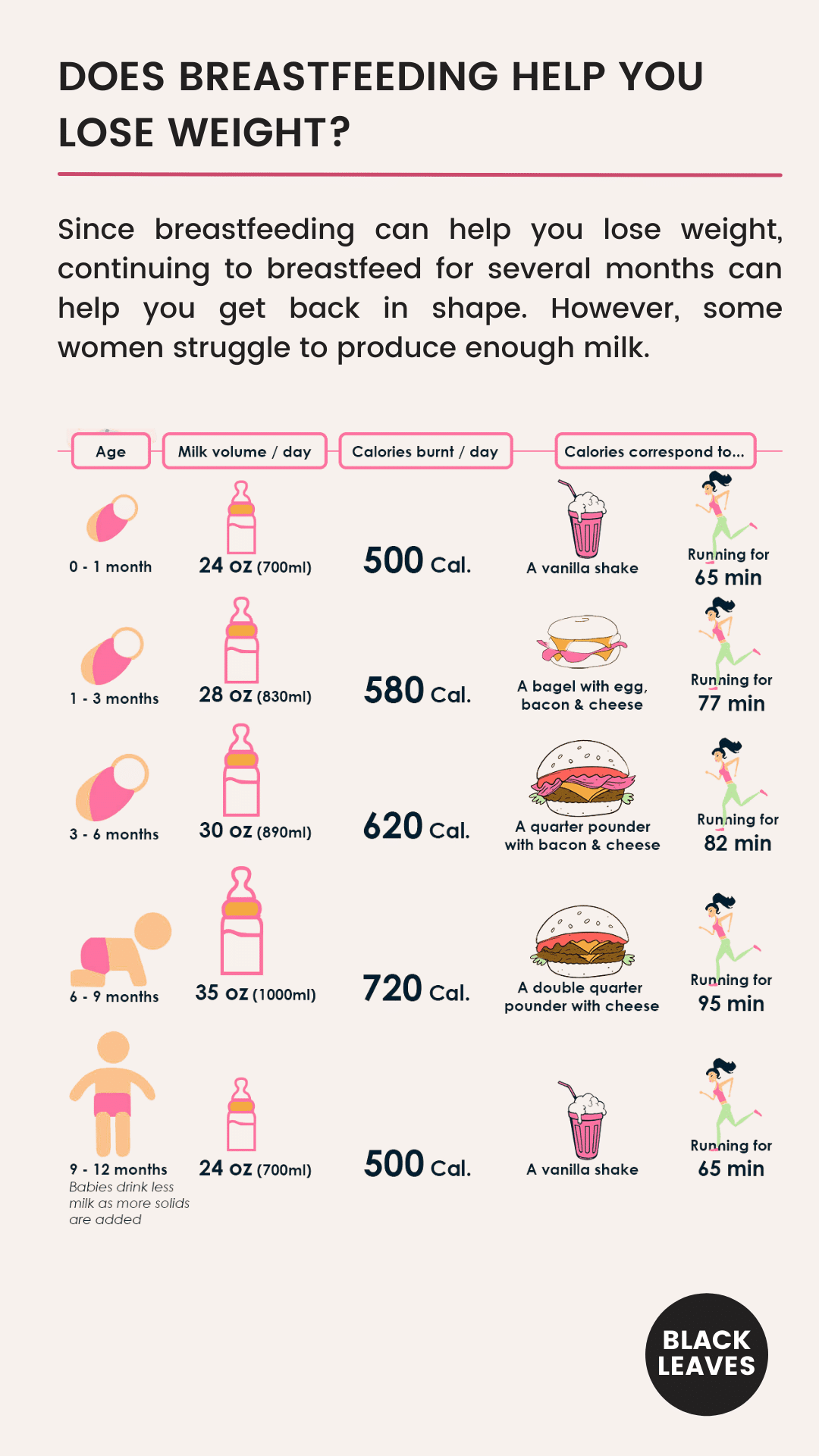
Breastfeeding requires energy, and the production of breast milk naturally burns calories. This means that breastfeeding itself can contribute to weight loss. However, it’s important to note that every mother’s body is different, and the amount of weight lost through breastfeeding can vary.
Physical Activity
Incorporating physical activity into your daily routine can be beneficial for weight loss. Engaging in low-impact exercises, such as walking or swimming, can help burn calories without putting excessive strain on your body. However, it’s important to listen to your body and gradually increase the intensity of your workouts to avoid any potential negative effects.
Metabolism
Metabolism, the process by which your body converts food into energy, can vary from person to person. Breastfeeding can actually increase your metabolism, as your body needs to produce energy for both you and your baby. However, individual variations in metabolic rate can affect weight loss results.
Body Composition
Losing weight is not just about shedding pounds; it’s also crucial to consider body composition. While losing fat is desirable, losing muscle can have a negative impact on overall health. Incorporating strength training and resistance exercises into your routine can help maintain lean tissue while promoting healthy weight loss.
Healthy Weight Loss Goals
Before embarking on any weight loss journey, it’s essential to set healthy and realistic goals. Here are some key things to consider:
Gradual Weight Loss
Losing weight gradually is not only safer but also more sustainable in the long run. Aiming for a gradual weight loss of about 1-2 pounds per week is considered healthy and achievable while breastfeeding.
Reasonable Expectations
It’s important to have reasonable expectations when it comes to weight loss while breastfeeding. Your body has been through a remarkable process of pregnancy and childbirth, and it will take time to recover and adapt. Embrace your postpartum body and focus on overall health rather than solely on the number on the scale.
Consulting a Healthcare Provider
Every individual is unique, so it’s always advisable to consult with a healthcare provider before starting any weight loss program while breastfeeding. They can provide personalized guidance based on your specific needs and ensure that your weight loss journey is safe and healthy for you and your baby.


Recommended Weight Loss Rate
While losing weight at a steady and sustainable rate is the goal, it’s essential to avoid crash diets or extreme measures. Here are some factors to consider for a healthy weight loss rate while breastfeeding:
1-2 pounds per week
Aiming to lose 1-2 pounds per week is generally considered a healthy rate of weight loss while breastfeeding. This gradual approach allows your body to adjust and ensures that you’re still consuming enough calories to support milk production.
Steady and Sustainable Progress
Sustainable progress is key when it comes to weight loss. Slow and consistent progress is not only healthier but is more likely to lead to long-term success. Patience is key while breastfeeding and losing weight.
Avoiding Crash Diets
Crash diets or extreme calorie restriction can be detrimental, especially when breastfeeding. Drastically cutting calories can lower milk supply and deprive your body of essential nutrients. It’s important to focus on balanced and nutritious meals that support both your weight loss goals and breastfeeding needs.
Breastfeeding and Calorie Intake
While breastfeeding, maintaining adequate nutrition is crucial for both the mother and the baby. Here are some key points to consider regarding calorie intake:
Maintaining Adequate Nutrition
As a breastfeeding mother, your body requires additional nutrients and energy to produce breast milk. It’s important to focus on consuming nutrient-dense foods that provide the necessary vitamins, minerals, and calories to support both you and your baby.
Additional Calorie Requirements
Breastfeeding can increase calorie requirements by approximately 300-500 calories per day. However, this can vary depending on factors such as your activity level, metabolism, and the age of your baby. Consulting with a healthcare provider can help determine the appropriate calorie intake for your individual needs.
Balancing Energy Intake and Output
While it’s important to consume enough calories to support breastfeeding, it’s equally important to strike a balance between energy intake and output for weight loss. Paying attention to portion sizes and making wise food choices can help you create a calorie deficit while still meeting your nutritional needs.
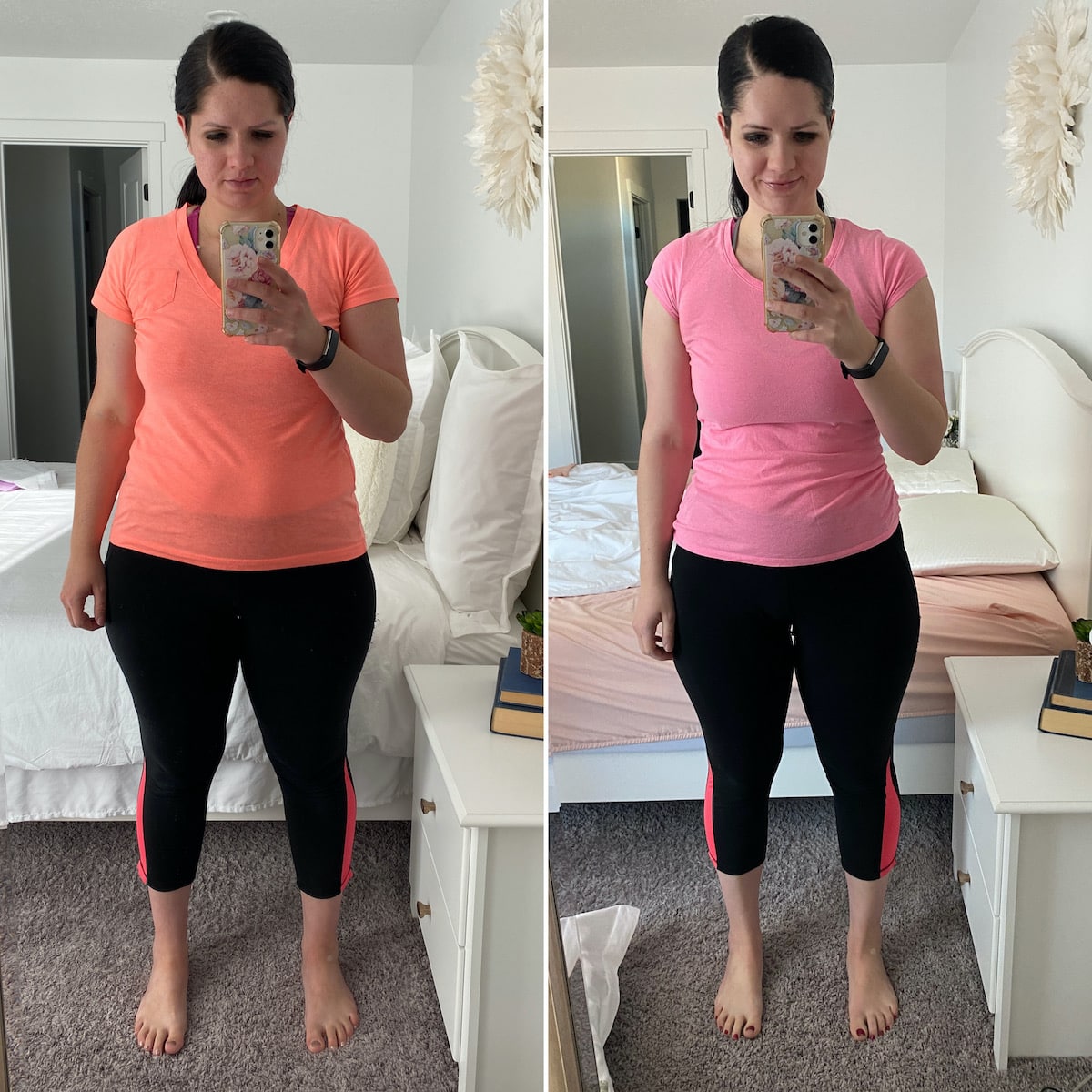
Incorporating Physical Activity
Physical activity can play a significant role in weight loss while breastfeeding. Here are some considerations when incorporating exercise into your routine:
Low-Impact Exercises
During the postpartum period, it’s important to choose exercises that are gentle on your body. Low-impact exercises such as walking, swimming, or yoga can be great choices for getting active without putting excessive strain on your joints.
Postpartum Exercise Considerations
Your body has gone through significant changes during pregnancy and childbirth, so it’s important to listen to your body and choose exercises that feel comfortable and safe. Avoid high-impact activities or exercises that may put excessive pressure on your pelvic floor and abdominal muscles.
Gradual Increase in Intensity
When beginning an exercise routine while breastfeeding, it’s important to start slowly and gradually increase the intensity over time. This approach allows your body to adapt and avoid any potential negative effects on milk supply or overall health. Listening to your body’s cues and consulting with a healthcare provider can help determine the appropriate level of exercise for you.
Effects of Breast Milk Production
The production of breast milk can have an impact on weight loss while breastfeeding. Here are some factors to consider:
Balancing Breastfeeding and Weight Loss
While breastfeeding can contribute to weight loss, it’s important to strike a balance between nourishing your baby and your weight loss goals. Prioritizing your baby’s nutrition and well-being is essential, so avoid compromising milk supply or quality for the sake of rapid weight loss.
Impact on Milk Supply
Drastic changes in calorie intake or extreme weight loss efforts can potentially affect milk supply. It’s essential to monitor your milk supply and ensure that your baby is receiving enough nourishment. If you notice any changes in milk production, consult with a lactation consultant or healthcare provider.
Monitoring Baby’s Weight Gain
Regularly monitoring your baby’s weight gain can help determine if breastfeeding and weight loss efforts are compatible. If your baby’s weight gain is within the normal range and they show no signs of malnutrition or distress, it can be an indication that breastfeeding and weight loss are successfully coexisting.
Metabolism and Weight Loss
Metabolism plays a significant role in weight loss. It’s important to understand the potential impact of breastfeeding on your metabolism and individual variations in metabolic rate:
Effect of Breastfeeding on Metabolism
Breastfeeding can actually increase your metabolism, as your body needs to produce energy to support milk production. This increase in metabolism can potentially aid in weight loss. However, the extent to which breastfeeding affects metabolism can vary from person to person.
Individual Variations in Metabolic Rate
Every individual has a unique metabolic rate, which refers to how efficiently their body burns calories. Some people naturally have a faster metabolism and may experience more significant weight loss while breastfeeding, while others may have a slower metabolism and require additional efforts to achieve weight loss goals.
Body Composition Changes
When striving for weight loss while breastfeeding, it’s essential to consider changes in body composition. Here’s what you need to know:
Losing Fat vs. Losing Muscle
While losing weight is a common goal, it’s important to focus on losing fat rather than muscle mass. Losing muscle can have negative implications for overall health and metabolism. Incorporating strength training and resistance exercises into your routine can help preserve lean tissue while promoting fat loss.
Maintaining Lean Tissue
Maintaining lean tissue is important for overall health. Adequate protein intake and regular strength training exercises can help preserve and build lean muscle, which can have positive effects on metabolism and body composition.
Strength Training and Resistance Exercises
Incorporating strength training and resistance exercises, such as weightlifting or bodyweight exercises, can be beneficial for maintaining lean tissue while promoting fat loss. These types of exercises can also help increase metabolism and improve overall strength and posture.
Breastfeeding Challenges and Weight Loss
Breastfeeding can present challenges when it comes to weight loss. Here’s how to navigate some common obstacles:
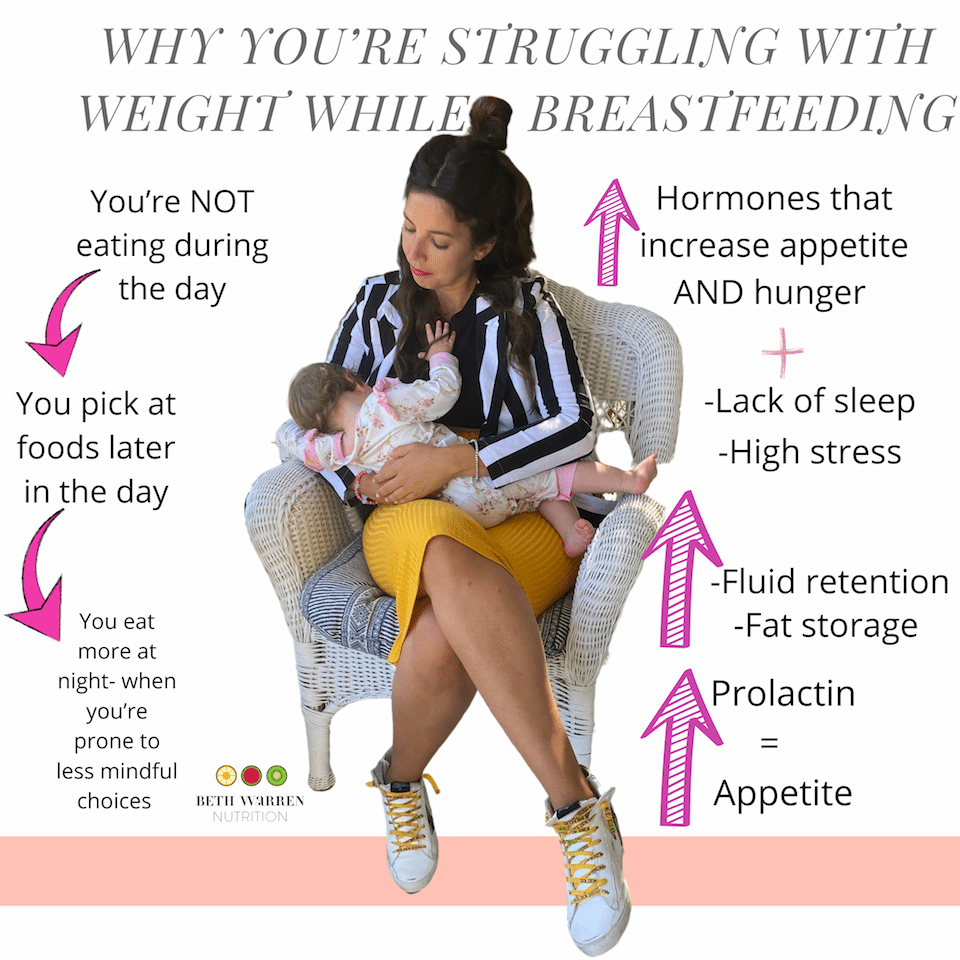
Sleep Deprivation and Hunger
Lack of sleep can lead to increased hunger and cravings for unhealthy foods. While it’s important to listen to your body’s needs, try to make mindful food choices and focus on healthy, nutrient-dense options. This can help nourish your body and support weight loss efforts.
Stress and Emotional Eating
The demands of breastfeeding and caring for a newborn can be stressful, and it’s common to turn to food for comfort. However, emotional eating can hinder weight loss efforts. Finding alternative ways to cope with stress, such as practicing self-care or seeking support from loved ones, can help avoid emotional eating.
Scheduling Breastfeeding and Meals
Finding a balance between breastfeeding and meal times can be challenging. Establishing a routine that works for you and your baby can help ensure that you’re nourishing yourself adequately while also providing your baby with the needed nutrition. Planning ahead and having healthy snacks readily available can also help curb hunger and prevent impulse eating.
Breastfeeding Support and Resources
Embarking on a weight loss journey while breastfeeding can be made easier with the support and guidance of others. Here are some resources that can help:
Joining Support Groups
Joining breastfeeding support groups or online communities can provide a wealth of information and support from other mothers going through similar experiences. These groups can offer insights, tips, and emotional support, making your weight loss journey more manageable.
Seeking Professional Guidance
Consulting with a lactation consultant, registered dietitian, or healthcare provider who specializes in postpartum care can offer personalized guidance and ensure that your weight loss journey is safe and healthy for you and your baby. They can address any specific concerns or challenges you may face while breastfeeding and losing weight.
Online Resources and Apps
Various online resources and apps are tailored to breastfeeding mothers looking to lose weight. These tools can provide tracking mechanisms, meal plans, and exercise routines that cater specifically to postpartum weight loss. However, it’s important to choose reputable sources and consult with healthcare professionals to ensure the information aligns with your individual needs and goals.
In conclusion, losing weight while breastfeeding is a gradual process that requires a balance between effective weight loss strategies and maintaining adequate nutrition for both you and your baby. By considering factors such as calorie intake, physical activity, breastfeeding’s impact on milk production, metabolism, body composition, and addressing common challenges, you can embark on a healthy and successful weight loss journey while breastfeeding. Remember to set realistic goals, consult with healthcare professionals, and seek support from breastfeeding communities to make your postpartum weight loss journey enjoyable and sustainable.