
Maintaining a healthy weight is a constant concern for many individuals, but did you know that the key to achieving and sustaining an ideal weight may lie in your gut health? Research has increasingly shown a compelling connection between the state of our gut microbiota and weight management. This article explores the intricate relationship between gut health and weight, shedding light on the vital role our gut plays in regulating metabolism, influencing cravings, and determining our overall wellness. Discover the remarkable connection between your gut and weight as we delve into the fascinating world of gut health.

Understanding Gut Health
What is Gut Health?
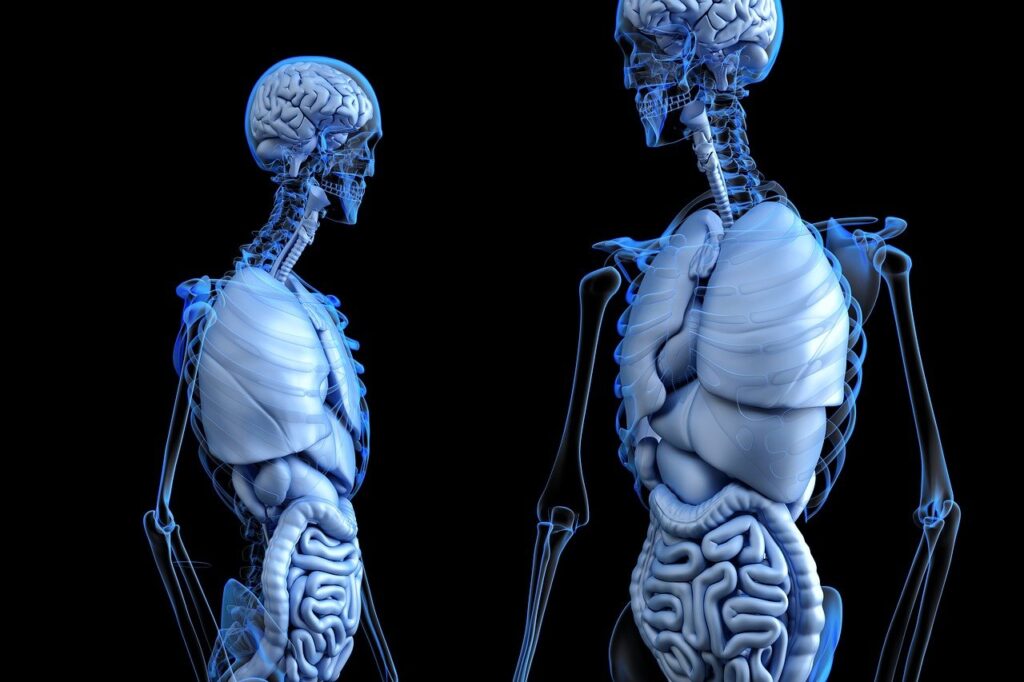
Gut health refers to the overall well-being of the digestive system, specifically the gastrointestinal tract. It involves the optimal function and balance of the microorganisms, enzymes, and immune responses within the gut. A healthy gut plays a crucial role in overall health, including digestion, nutrient absorption, immune system function, and even mental well-being.
Why is Gut Health Important?
Maintaining good gut health is essential for several reasons. Firstly, it enables proper digestion and absorption of nutrients from the food we consume. When the gut is functioning optimally, nutrients can be efficiently absorbed, providing the body with the energy and vital substances it needs to thrive.
Secondly, gut health plays a significant role in supporting immune system function. The gut houses a large portion of the body’s immune cells, and a healthy gut can help ward off harmful pathogens and promote a balanced immune response. Conversely, an imbalanced or compromised gut can lead to immune system dysfunction and increased susceptibility to illness.
Furthermore, emerging research has uncovered the connection between gut health and mental well-being. The gut has been dubbed the “second brain” due to the extensive network of nerves and neurotransmitters it possesses. A healthy gut contributes to a healthy mind, as imbalances in gut bacteria have been linked to mental health issues such as anxiety and depression.
Factors Affecting Gut Health
Various factors can impact gut health, both positively and negatively. Diet plays a significant role, as the types of foods we consume can either support or disrupt the delicate balance of bacteria in the gut. Consuming a diet rich in fiber, whole grains, fruits, and vegetables promotes the growth of beneficial gut bacteria and aids in overall gut health.
Additionally, lifestyle factors such as stress and lack of sleep can adversely affect gut health. Chronic stress can disrupt the balance of gut bacteria, impair digestion, and weaken the immune system. Adequate sleep, on the other hand, is crucial for maintaining a healthy gut, as it allows for optimal repair and regeneration of the gastrointestinal system.
Moreover, the use of certain medications, such as antibiotics and nonsteroidal anti-inflammatory drugs (NSAIDs), can disrupt the gut microbiome and impact gut health. These medications can alter the balance of gut bacteria, leading to imbalances and potential negative health consequences.
The Gut Microbiome
What is the Gut Microbiome?
The gut microbiome refers to the vast community of microorganisms, including bacteria, viruses, fungi, and other microbes that reside within the gastrointestinal tract. These microorganisms play a vital role in human health, aiding in digestion, nutrient absorption, and immune system regulation.
The gut microbiome is incredibly diverse, with a wide range of species and strains cohabiting within the gut. Each individual’s gut microbiome is unique, as it is influenced by various factors such as genetics, early-life experiences, diet, and environment.
Role of Gut Microbiome in Weight Management
Research has shown that the gut microbiome plays a crucial role in weight management. Certain strains of gut bacteria have been found to be associated with metabolic health, while others are linked to obesity and weight gain.
One way that the gut microbiome influences weight management is through its effects on digestion and nutrient absorption. Some gut bacteria break down dietary fiber and resistant starches, producing short-chain fatty acids (SCFAs), which provide energy for the body and enhance satiety. By improving digestion and increasing feelings of fullness, these SCFAs can support healthy weight management.
Furthermore, the gut microbiome influences the metabolism of certain compounds, including bile acids and hormones involved in appetite regulation. Imbalances in the gut microbiome can lead to disruptions in these metabolic processes, potentially contributing to weight gain or difficulty in losing weight.
Impact of Gut Microbiome Imbalance on Weight Gain
An imbalance in the gut microbiome, often referred to as dysbiosis, can have detrimental effects on weight management. When the balance of beneficial and harmful bacteria is disrupted, it can lead to increased inflammation, impaired metabolism, and altered absorption of nutrients.
Dysbiosis has been associated with increased calorie extraction from food, meaning that the body absorbs more calories from the same amount of food compared to an individual with a healthy gut microbiome. This can contribute to weight gain over time, as the body is storing excess calories that it cannot fully utilize or burn.
Furthermore, an imbalanced gut microbiome can lead to increased inflammation, which has been linked to obesity and metabolic dysfunction. Chronic inflammation can impair insulin sensitivity, disrupt hormone regulation, and promote the accumulation of visceral fat, further contributing to weight gain and obesity.
Gut Health and Weight Loss
The Connection between Gut Health and Weight Loss
Maintaining a healthy gut is crucial for successful weight loss efforts. A balanced gut microbiome supports proper digestion and nutrient absorption, ensuring that the body receives the necessary nutrients without excess caloric intake.
Furthermore, a healthy gut can improve metabolic function, enhance fat-burning processes, and regulate appetite. By optimizing gut health, individuals can create an internal environment conducive to weight loss and sustainable maintenance.
How a Healthy Gut Supports Weight Loss
A healthy gut microbiome can support weight loss in several ways. Firstly, a diverse and thriving community of beneficial gut bacteria aids in the breakdown and absorption of nutrients, ensuring that the body effectively utilizes the energy from food without excess storage.
Moreover, a healthy gut produces short-chain fatty acids (SCFAs) through the fermentation of dietary fiber. SCFAs provide an energy source for the body and have been shown to enhance satiety, helping individuals feel fuller for longer and reducing overall calorie intake.
Additionally, a balanced gut microbiome can improve metabolic function and increase the body’s ability to burn fat. Certain strains of gut bacteria are associated with improved insulin sensitivity and enhanced fat oxidation, both of which are essential for weight loss.
Gut Health Strategies for Weight Loss
To optimize gut health for weight loss, several strategies can be implemented. Firstly, focusing on a nutrient-dense, fiber-rich diet is crucial. Consuming a variety of fruits, vegetables, whole grains, and legumes provides the necessary fiber to nourish beneficial gut bacteria and support optimal digestion.
Incorporating fermented foods into the diet is another excellent strategy for promoting gut health. Fermented foods such as yogurt, kefir, sauerkraut, and kimchi contain probiotics, which are beneficial bacteria that can populate the gut and support a healthy microbiome.
Furthermore, reducing stress levels and promoting quality sleep are essential for maintaining a healthy gut and supporting weight loss efforts. High levels of stress can disrupt the balance of gut bacteria, impair digestion, and contribute to weight gain. Prioritizing stress management techniques such as meditation, exercise, and social support can help improve gut health and support weight loss.
Gut Health and Weight Gain
The Connection between Gut Health and Weight Gain
An imbalanced gut microbiome can contribute to weight gain and obesity. Dysbiosis, characterized by an overgrowth of harmful bacteria and a decrease in beneficial bacteria, can disrupt normal metabolic processes and lead to increased calorie extraction from food.
Furthermore, an imbalanced gut microbiome can contribute to inflammation, insulin resistance, and impaired appetite regulation. These factors can promote weight gain and make it difficult for individuals to lose weight or maintain a healthy weight.
Effects of Poor Gut Health on Weight
Poor gut health can have numerous effects on weight. One of the key mechanisms through which an imbalanced gut microbiome contributes to weight gain is by increasing calorie extraction from food. When the gut microbiome is imbalanced, it can lead to enhanced absorption and storage of calories, even from foods that are typically considered low-calorie.
Additionally, an imbalanced gut microbiome can disrupt hormone regulation and contribute to increased appetite and cravings for unhealthy foods. This can lead to overeating and a higher intake of calorie-dense foods, further promoting weight gain.
Furthermore, chronic inflammation resulting from poor gut health can contribute to metabolic dysfunction and impaired fat metabolism. This can lead to a shift towards storing fat rather than utilizing it as energy, potentially promoting weight gain and obesity over time.
Preventing Weight Gain with Gut Health Optimization
Optimizing gut health can help prevent weight gain and support weight management efforts. Maintaining a diverse and thriving gut microbiome is key, as this allows for efficient digestion, nutrient absorption, and proper metabolic function.
Consuming a diet rich in prebiotic foods is an effective strategy for promoting gut health and preventing weight gain. Prebiotics are non-digestible fibers that provide nourishment for beneficial gut bacteria. Foods such as onions, garlic, bananas, asparagus, and oats are excellent sources of prebiotic fibers and can support a healthy gut microbiome.
In addition to a prebiotic-rich diet, incorporating probiotic foods and supplements can also be beneficial. Probiotics introduce beneficial bacteria directly into the gut and help restore the balance of the microbiome. Foods like yogurt, kefir, and fermented vegetables are natural sources of probiotics, while supplements offer a more concentrated dose of beneficial strains.
Moreover, maintaining a healthy lifestyle that includes regular exercise, stress management, and quality sleep can contribute to optimal gut health and support weight management goals. By promoting overall well-being, these lifestyle factors create an environment that is conducive to maintaining a healthy weight.
Gut Health and Food Choices
The Influence of Gut Health on Cravings and Food Choices
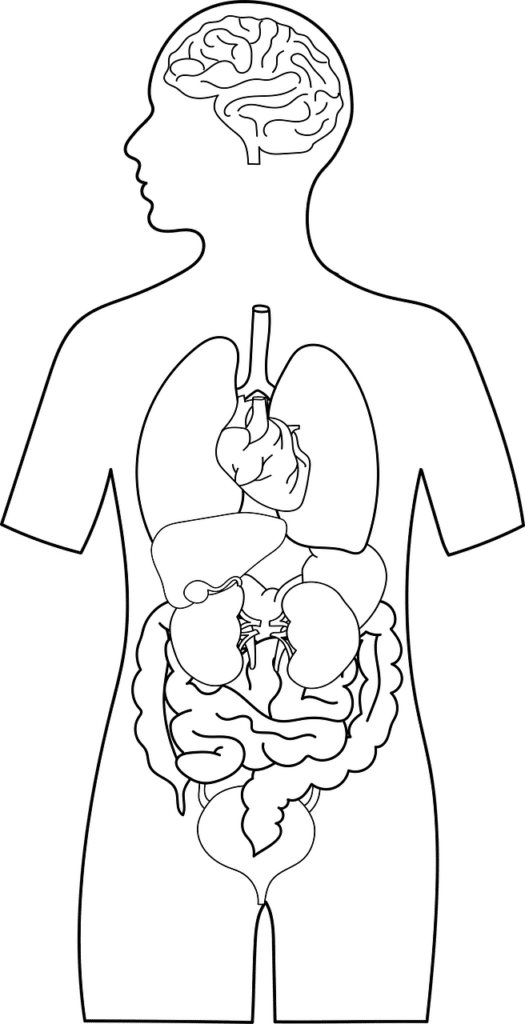
Gut health has a significant influence on cravings and food choices. The gut microbiome communicates with the brain through a complex network known as the gut-brain axis. This communication pathway plays a crucial role in appetite regulation and food preferences.
When the gut microbiome is imbalanced, it can send signals to the brain that promote the desire for unhealthy, calorie-dense foods. Imbalances in gut bacteria have been associated with increased cravings for sugar, refined carbohydrates, and fatty foods. These cravings can make it challenging to maintain a healthy diet and can contribute to weight gain if not properly managed.
Impact of Gut Health on Appetite Regulation
A healthy gut microbiome plays a vital role in appetite regulation. Beneficial gut bacteria produce various signaling molecules and hormones that influence appetite and satiety. For example, certain strains of gut bacteria produce peptide YY (PYY) and glucagon-like peptide-1 (GLP-1), both of which are involved in reducing hunger and promoting feelings of fullness.
On the other hand, an imbalanced gut microbiome can lead to dysregulation of these appetite-regulating hormones. Imbalances may result in increased appetite, reduced satiety, and a tendency to overeat or consume unhealthy foods.
Foods that Promote Gut Health and Weight Management
Choosing foods that promote gut health is key to supporting weight management efforts. Incorporating the following foods into the diet can nourish beneficial gut bacteria and support a healthy gut microbiome:
-
Fiber-rich foods: Foods such as fruits, vegetables, whole grains, and legumes are excellent sources of dietary fiber, which acts as fuel for beneficial gut bacteria.
-
Probiotic-rich foods: Yogurt, kefir, sauerkraut, and kimchi are examples of fermented foods that contain probiotics, which can populate the gut with beneficial bacteria.
-
Omega-3 fatty acids: Foods rich in omega-3 fatty acids, such as fatty fish (salmon, mackerel), chia seeds, and flaxseeds, have been shown to have anti-inflammatory effects and support gut health.
-
Prebiotic foods: Onions, garlic, bananas, asparagus, and oats are all examples of foods that contain prebiotic fibers, which nourish beneficial gut bacteria.
-
Colorful fruits and vegetables: Consuming a variety of fruits and vegetables provides a wide range of plant compounds and antioxidants that support overall gut health.
By including these foods in the diet, individuals can promote a healthy gut microbiome, support weight management efforts, and reduce the likelihood of weight gain.
Gut Health and Digestive Disorders
Gut Health and Digestive Disorders
Maintaining a healthy gut is particularly crucial for individuals with digestive disorders. Digestive disorders such as irritable bowel syndrome (IBS), inflammatory bowel disease (IBD), and gastroesophageal reflux disease (GERD) can significantly impact gut health and overall well-being.
Individuals with digestive disorders often experience imbalances in gut bacteria, inflammation, and impaired digestion. These factors can contribute to symptoms such as abdominal pain, bloating, diarrhea, and constipation. Managing and improving gut health is key to alleviating these symptoms and improving quality of life.
Gut Health’s Role in Digestive Disorders and Weight
Gut health plays a significant role in digestive disorders and weight management. In conditions such as IBS and IBD, imbalances in gut bacteria and inflammation can contribute to weight fluctuations and make weight management challenging.
Furthermore, poor gut health can impair digestion and nutrient absorption, leading to malnutrition and weight loss in some individuals with digestive disorders. Conversely, in other cases, poor gut health can contribute to excessive weight gain due to disrupted appetite regulation and imbalanced metabolism.
Addressing gut health in the management of digestive disorders is crucial, as improving gut health can help alleviate symptoms and support overall well-being.
Improving Gut Health to Manage Digestive Disorders and Weight
Improving gut health can greatly benefit individuals with digestive disorders. Several strategies can be employed to enhance gut health and manage symptoms:
-
Work with a healthcare professional or registered dietitian to identify trigger foods and create an individualized diet plan. Avoiding foods that exacerbate symptoms can help reduce inflammation and support gut healing.
-
Incorporate gut-friendly foods into the diet. This includes foods rich in fiber, probiotics, and prebiotics, as mentioned earlier. These foods can nourish beneficial gut bacteria, improve digestion, and reduce symptoms such as bloating and constipation.
-
Consider targeted supplementation. In some cases, supplements such as digestive enzymes, probiotics, or omega-3 fatty acids may be recommended by a healthcare professional to support gut health and alleviate symptoms.
-
Manage stress levels. Chronic stress can exacerbate symptoms of digestive disorders and disrupt gut health. Engaging in stress management techniques such as meditation, exercise, and therapy can help improve gut health and reduce symptoms.
By focusing on improving gut health, individuals with digestive disorders can find relief from symptoms, enhance overall well-being, and potentially improve weight management efforts.
The Gut-Brain Axis and Weight
Understanding the Gut-Brain Axis
The gut-brain axis refers to the complex bidirectional communication pathway that exists between the gut and the brain. The gut and brain communicate through an intricate network of nerves, hormones, and neurotransmitters, allowing them to influence each other’s function and overall health.
The gut and brain are intimately connected, and disruptions in this communication pathway can have significant implications for weight management. The gut microbiome plays a key role in modulating the gut-brain axis, influencing appetite, mood, and even decision-making processes related to food choices.
The Impact of the Gut-Brain Connection on Weight
The gut-brain connection has a significant impact on weight. The gut communicates with the brain through various mechanisms to regulate appetite, satiety, and food preferences.
An imbalanced gut microbiome can dysregulate these signals, leading to increased cravings, overeating, and difficulty in controlling food intake. Imbalances in specific gut bacteria have been associated with increased appetite and a preference for high-calorie, nutrient-poor foods, which can contribute to weight gain and obesity.
Furthermore, the gut-brain axis influences mood and emotional well-being. Disruptions in this connection have been linked to mental health issues such as anxiety, depression, and emotional eating, all of which can be significant barriers to successful weight management.
Strategies to Improve Gut-Brain Communication for Weight Management
Improving gut-brain communication is key to supporting weight management efforts. Several strategies can be employed to optimize this connection:
-
Consume a gut-friendly diet: Choosing foods that promote a healthy gut microbiome, such as fiber-rich fruits and vegetables, prebiotics, and probiotics, can positively influence gut-brain communication and support weight management.
-
Prioritize stress management: Chronic stress negatively impacts gut health and disrupts the gut-brain axis. Incorporating stress management techniques, such as meditation, deep breathing exercises, and engaging in enjoyable activities, can help restore balance and improve weight management outcomes.
-
Optimize sleep: Sleep deprivation has been shown to disrupt gut-brain communication, leading to imbalances in appetite-regulating hormones and increased cravings for unhealthy foods. Prioritizing quality sleep can improve gut health and support weight management efforts.
-
Seek professional help: Consulting a healthcare professional, such as a registered dietitian or therapist, can provide guidance and support in improving gut-brain communication. They can help develop personalized strategies to address specific barriers to weight management.
By improving gut-brain communication, individuals can enhance their ability to regulate appetite, reduce cravings, and make healthier food choices, ultimately supporting weight management goals.
Lifestyle Factors and Gut Health
The Influence of Lifestyle Choices on Gut Health
Lifestyle choices have a significant influence on gut health. Several factors, such as diet, exercise, stress levels, and sleep patterns, can either promote or hinder optimal gut function and balance.
A diet rich in whole, unprocessed foods, fiber, and beneficial nutrients supports the growth of beneficial gut bacteria and promotes a healthy gut microbiome.
Engaging in regular exercise has been shown to positively impact gut health by enhancing circulation, reducing inflammation, and promoting overall digestive function. On the other hand, a sedentary lifestyle can negatively affect gut health and contribute to imbalances in gut bacteria.
Stress management techniques, such as meditation, yoga, and deep breathing exercises, can help reduce stress levels and support gut health. Chronic stress can disrupt gut function, impair digestion, and lead to imbalances in gut bacteria.
Quality sleep is essential for maintaining a healthy gut. During sleep, the gut undergoes repair and regeneration processes, ensuring optimal function and balance. Lack of sleep can disrupt these processes, leading to imbalances in gut bacteria and impaired digestion.
Exercise and its Effect on Gut Health and Weight
Regular exercise positively impacts gut health and weight management. Exercise has been shown to enhance gut motility, reducing the risk of constipation and promoting regular bowel movements.
Furthermore, exercise promotes blood flow to the gut, enhancing nutrient absorption and improving overall digestive function. Physical activity has also been associated with a more diverse and beneficial gut microbiome, supporting the growth of beneficial bacteria.
Exercise plays a crucial role in weight management, as it helps burn calories, increases metabolic rate, and preserves lean muscle mass. By incorporating a consistent exercise routine, individuals can support gut health, optimize weight management efforts, and promote overall well-being.
The Role of Sleep in Gut Health and Weight Regulation
Adequate sleep is vital for maintaining a healthy gut and supporting weight regulation. Sleep plays a crucial role in gut health, as it allows for optimal repair and regeneration of the gastrointestinal system.
During sleep, the gut undergoes various processes that contribute to its overall health. These processes include detoxification, cellular repair, and restoration of gut lining integrity. Lack of sleep disrupts these processes, compromising gut health and contributing to imbalances in gut bacteria.
Moreover, insufficient sleep has been linked to weight gain and obesity. Sleep deprivation alters appetite-regulating hormones, such as leptin and ghrelin, leading to increased hunger and cravings for high-calorie, unhealthy foods. Additionally, inadequate sleep can impair insulin sensitivity, promoting fat storage and weight gain.
To support gut health and weight regulation, individuals should prioritize getting adequate sleep. Aim for 7-9 hours of quality sleep per night, create a restful sleep environment, and establish a consistent sleep routine to optimize gut health and overall well-being.
Supplements for Gut Health and Weight
Probiotics and Their Impact on Gut Health and Weight
Probiotics are beneficial bacteria that can be taken as supplements to promote gut health. Numerous studies have shown that probiotics can improve gut microbiome diversity, reduce inflammation, and support optimal digestion.
In terms of weight management, certain strains of probiotics have been associated with reduced body weight and improved metabolic function. Probiotics can enhance the breakdown of dietary fiber, production of short-chain fatty acids (SCFAs), and regulation of appetite-regulating hormones, all of which can support weight loss efforts.
It is important to note that not all probiotics are created equal, and the efficacy of specific strains may vary. Consulting a healthcare professional or registered dietitian can help determine the most appropriate probiotic strain and dosage for individual needs.
Other Gut-Supporting Supplements for Weight Management
In addition to probiotics, several other supplements can support gut health and weight management:
-
Fiber supplements: Fiber supplements, such as psyllium husk or glucomannan, can help increase fiber intake and support healthy digestion.
-
Digestive enzymes: Digestive enzymes, such as amylase, protease, and lipase, can aid in the breakdown and absorption of nutrients, supporting optimal digestion.
-
Omega-3 fatty acids: Omega-3 fatty acid supplements, such as fish oil or algae oil, have anti-inflammatory properties and can support gut health, metabolism, and weight management.
-
Prebiotics: Prebiotic supplements, such as inulin or oligofructose, provide nourishment for beneficial gut bacteria and support a healthy gut microbiome.
As with any supplement, it is important to consult with a healthcare professional before starting any new regimen. They can provide guidance on appropriate dosages and potential interactions with other medications or health conditions.
Considering Supplements for Optimal Gut Health
While supplements can be beneficial in supporting gut health and weight management efforts, they should be considered as part of a comprehensive approach that includes a balanced diet, regular physical activity, stress management, and adequate sleep.
Supplements should not replace healthy lifestyle habits but rather serve as a complement to support overall gut health. Working with a healthcare professional or registered dietitian can ensure that supplements are used appropriately and in conjunction with other lifestyle strategies.
Seeking Professional Advice
Consulting a Healthcare Professional
When it comes to gut health and weight management, consulting a healthcare professional is highly recommended. A healthcare professional, such as a registered dietitian, gastroenterologist, or general practitioner, can provide expert guidance and support in optimizing gut health and achieving weight management goals.
A healthcare professional can assess individual needs, identify potential underlying digestive disorders or imbalances, and develop a personalized plan tailored to specific goals and circumstances. They can also provide evidence-based recommendations and address any concerns or questions along the way.
Importance of Individualized Approaches to Gut Health and Weight Management
Gut health and weight management are unique to each individual, and a one-size-fits-all approach may not yield the desired results. It is crucial to recognize that what works for one person may not work for another due to individual variations in gut microbiome composition, metabolism, and lifestyle factors.
Taking an individualized approach allows for tailored strategies that consider personal preferences, health status, and specific goals. A healthcare professional can help identify the most effective interventions and provide ongoing support to ensure long-term success.
When to Seek Professional Help
It is important to seek professional help when faced with persistent gut health issues or challenges in weight management. This may include symptoms such as chronic bloating, digestive discomfort, unexplained weight fluctuations, or difficulty in achieving sustainable weight loss.
A healthcare professional can conduct a comprehensive evaluation, order appropriate tests or assessments, and develop an individualized plan to address specific concerns. They can also address any underlying digestive disorders, provide guidance on nutrition and lifestyle modifications, and offer ongoing support throughout the journey to improved gut health and weight management.
In conclusion, understanding gut health is vital for optimizing weight management and overall well-being. The gut microbiome, lifestyle factors, food choices, supplements, and the gut-brain axis all play integral roles in maintaining a healthy gut and supporting successful weight management. By prioritizing gut health, individuals can enhance digestion, regulate appetite, and create an environment conducive to achieving and maintaining a healthy weight. Consulting a healthcare professional is key to developing personalized strategies and ensuring long-term success in gut health and weight management endeavors.