
Are you tired of endless dieting and exercise routines that yield no results? Look no further! The Best Weight Loss Clinic Center in the University Area of Anchorage, Alaska, is here to help you achieve your fitness goals. With a team of dedicated professionals, state-of-the-art equipment, and personalized programs, this clinic is committed to helping you shed those extra pounds and transform your life. Say goodbye to fad diets and hello to a healthier, happier you at the Best Weight Loss Clinic Center in Anchorage, Alaska.
Overview of Weight Loss Clinics
What are weight loss clinics?
Weight loss clinics are specialized healthcare facilities that provide medical and non-medical support to individuals striving to lose weight. These clinics offer a comprehensive approach to weight management, combining medical expertise, personalized treatment plans, and a range of services tailored to individual needs.
Benefits of a weight loss clinic
There are several benefits to seeking support from a weight loss clinic. First and foremost, these clinics provide professional guidance from qualified healthcare professionals who specialize in weight management. This expertise ensures that your weight loss journey is safe, effective, and tailored to your unique needs.
Additionally, weight loss clinics often offer a wide range of services beyond simple weight loss programs. These services may include nutrition counseling, exercise programs, behavioral therapy, and even surgical options for more severe cases. By providing comprehensive support, clinics can address the underlying factors contributing to weight gain and equip individuals with the tools needed for sustainable weight loss and long-term lifestyle changes.
Types of weight loss programs offered
Weight loss clinics offer a variety of programs to meet the diverse needs of individuals seeking to lose weight. These programs can range from medically supervised plans for those with obesity-related health conditions to non-medical programs focused on healthy eating and exercise.
Some clinics may also offer specialized programs for specific groups, such as adolescents, seniors, or individuals with certain medical conditions. By tailoring the programs to the unique needs of these groups, clinics can provide targeted support and improve the chances of successful weight loss.
Choosing the Best Weight Loss Clinic
Location and accessibility
When choosing a weight loss clinic, it’s important to consider its location and accessibility. Selecting a clinic that is conveniently located near your home or workplace can make it easier to attend appointments and follow through with the recommended treatment plan. Look for clinics that have easily accessible parking or are well-served by public transportation.
Qualifications of healthcare professionals
The qualifications of the healthcare professionals working at the weight loss clinic are crucial. To ensure your safety and the effectiveness of the program, make sure the clinic employs licensed healthcare professionals who specialize in weight management, such as registered dietitians, exercise physiologists, and psychologists.
Range of services provided
Consider the range of services provided by the weight loss clinic. Look for clinics that offer a comprehensive approach to weight management, including individualized treatment plans, nutrition counseling, exercise programs, behavioral therapy, and access to prescription medications or surgical options if necessary. Having access to a wide range of services can enhance your chances of success and provide ongoing support throughout your weight loss journey.
Success stories and testimonials
Take the time to research success stories and read testimonials from previous patients of the weight loss clinic. This can give you insight into the effectiveness of their programs and the experiences of others who have undergone treatment there. Look for success stories that are relatable to your own goals and circumstances to gauge the clinic’s ability to help you achieve your desired results.
Costs and insurance coverage
Before committing to a weight loss clinic, it’s important to understand the costs involved and whether your insurance will cover any of the expenses. Get a clear understanding of the clinic’s pricing structure, including consultation fees, program costs, and any additional services or products that may be recommended. Check with your insurance provider to determine if they provide coverage for weight loss programs and what portion of the costs you may be responsible for.
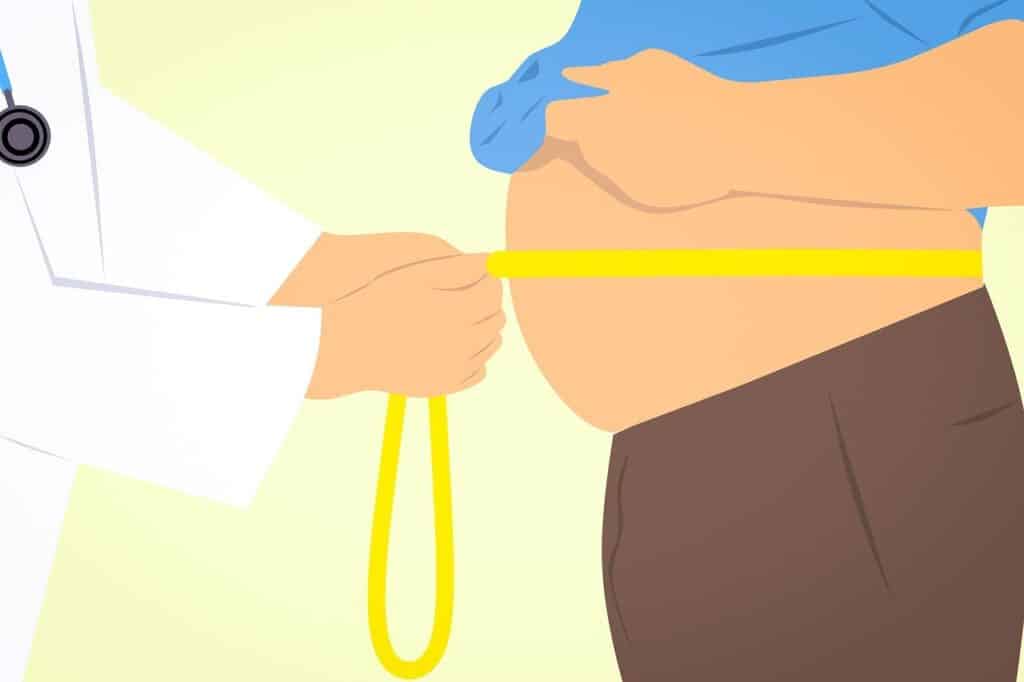
Understanding Weight Loss Techniques
Medical vs. non-medical weight loss
Weight loss clinics offer both medical and non-medical approaches to weight management. Medical weight loss programs are supervised by healthcare professionals and may involve the use of prescription medications or surgical interventions. Non-medical weight loss programs focus on lifestyle modifications, such as dietary changes and exercise, without the use of medications or surgery.
The choice between medical and non-medical weight loss programs depends on factors such as your overall health, weight loss goals, and any underlying medical conditions you may have. Consulting with a healthcare professional at the weight loss clinic can help determine the most appropriate approach for you.
Diet and nutrition counseling
Diet and nutrition counseling play a crucial role in weight loss programs. Weight loss clinics often have registered dietitians on staff who can provide personalized guidance and support in developing a healthy eating plan. These professionals can help you create a well-balanced diet that meets your nutritional needs while promoting weight loss.
During counseling sessions, you can expect to learn about portion control, meal planning, and strategies for making healthier food choices. The dietitian may also address any underlying reasons behind your eating habits and provide strategies to overcome them.
Exercise programs
Exercise is an essential component of any successful weight loss program. Weight loss clinics may offer exercise programs tailored to individual needs, goals, and fitness levels. These programs may include a combination of cardiovascular exercises, strength training, and flexibility exercises.
The clinic’s exercise specialists will work with you to develop a personalized exercise plan that takes into account your current fitness level and any physical limitations or medical conditions. They will also provide guidance on how to effectively incorporate exercise into your daily routine and ensure that you are exercising safely and effectively.
Behavioral therapy and counseling
Behavioral therapy and counseling can help address the psychological and emotional aspects of weight loss. Weight loss clinics often have psychologists or therapists on staff who specialize in behavior change and can provide guidance in developing healthy habits and overcoming barriers to success.
Through counseling sessions, you can explore the underlying factors contributing to your weight gain and develop strategies to modify unhealthy behaviors. This may involve identifying triggers for overeating, learning stress management techniques, or developing coping strategies to overcome emotional eating.
Prescription medications for weight loss
In some cases, weight loss clinics may use prescription medications to assist with weight loss. These medications are typically used in conjunction with dietary and exercise interventions and are prescribed on an individual basis.
Prescription weight loss medications work by suppressing appetite, increasing metabolism, or reducing the absorption of fat. However, it’s important to note that these medications are not suitable for everyone and should only be used under the guidance and supervision of a healthcare professional.
Surgical options for weight loss
For individuals with severe obesity or obesity-related health conditions, weight loss clinics may offer surgical options as a last resort. These procedures, such as gastric bypass or gastric sleeve surgery, work by reducing the size of the stomach or bypassing part of the digestive system, resulting in reduced food intake and nutrient absorption.
Surgical options for weight loss are typically only recommended for individuals who have been unsuccessful with other weight loss methods and who meet certain criteria. These procedures carry risks and require long-term commitment to lifestyle changes to ensure successful weight loss and maintenance.
Features of the Best Weight Loss Clinic
Personalized treatment plans
The best weight loss clinics offer personalized treatment plans tailored to individual needs, goals, and medical conditions. These plans take into account factors such as age, gender, body composition, and any underlying health conditions that may impact weight loss.
By providing individualized treatment plans, the clinic can address your specific needs and goals, increasing the likelihood of successful and sustainable weight loss.
Comprehensive medical assessment
A thorough medical assessment is a vital component of a quality weight loss clinic. The clinic should conduct a comprehensive evaluation of your overall health, including assessments of your current weight, body composition, and any underlying medical conditions that may impact your weight loss journey.
This assessment may involve blood tests, physical examinations, and screenings for conditions such as diabetes, high blood pressure, or sleep apnea. These evaluations help the healthcare professionals at the clinic understand your unique health needs and tailor the treatment plan accordingly.
Monitoring and support
The best weight loss clinics provide ongoing monitoring and support throughout your weight loss journey. This may include regular check-ins with healthcare professionals, such as dietitians or physicians, to track progress, address any challenges, and make necessary adjustments to the treatment plan.
In addition, clinics may offer support groups or counseling sessions to provide emotional support and encouragement. Having a strong support system in place can significantly increase your chances of success and help you overcome any obstacles you may encounter.
Nutritional education
Education on proper nutrition is a key component of any effective weight loss program. The best weight loss clinics prioritize nutritional education and provide resources and guidance on making healthier food choices, meal planning, and portion control.
By understanding the fundamentals of nutrition, you can make informed decisions about your food choices and develop a sustainable and healthy eating pattern for long-term weight management.
Lifestyle modification guidance
Successful weight loss goes beyond simply shedding pounds. The best weight loss clinics recognize the importance of lifestyle modifications and provide guidance on incorporating healthy habits into your daily routine.
This may involve addressing factors such as stress management, sleep hygiene, or meal planning strategies that support long-term weight maintenance. By helping you develop positive lifestyle changes, the clinic sets you up for long-term success and reduces the risk of weight regain.
Long-term weight maintenance strategies
Weight loss is just one part of the equation; maintaining the weight loss long-term is equally important. The best weight loss clinics provide strategies and resources to help you sustain your weight loss achievements over time.
These strategies may include ongoing education, support groups, or periodic check-ins to monitor your progress and provide guidance on maintaining your new healthy lifestyle. By focusing on long-term weight maintenance, the clinic empowers you to sustain the changes you’ve made and prevent weight regain.

The Importance of Accreditation and Certification
Accreditation by recognized organizations
Accreditation is an important indicator of a weight loss clinic’s commitment to high standards of care and patient safety. Accredited clinics undergo a rigorous evaluation process by recognized organizations to ensure that they meet specific quality standards.
When researching weight loss clinics, look for those that are accredited by reputable organizations such as The Joint Commission or the Accreditation Association for Ambulatory Health Care. This accreditation signifies that the clinic has demonstrated its dedication to providing high-quality care and maintaining strict safety measures.
Certification of healthcare professionals
In addition to clinic accreditation, it’s important to consider the certification and qualifications of the healthcare professionals working at the weight loss clinic. Look for clinics that employ professionals who have relevant certifications in their respective areas of expertise.
Certifications such as Registered Dietitian (RD), Certified Exercise Physiologist (EP-C), or Certified Bariatric Nurse (CBN) indicate that the professionals have undergone specialized training and have met specific competency standards in their field. This ensures that you receive care from qualified professionals who understand the complexities of weight management.
Quality assurance and safety measures
A reputable weight loss clinic prioritizes patient safety and quality assurance. This includes implementing safety protocols, maintaining proper infection control measures, and ensuring the privacy and confidentiality of patient information.
For your peace of mind, inquire about the clinic’s safety measures and protocols when researching potential options. Transparency in sharing these measures demonstrates the clinic’s commitment to providing a safe and secure environment for your weight loss journey.
Researching Weight Loss Clinics in Anchorage AK
Online search and reviews
One of the first steps in researching weight loss clinics in Anchorage, AK, is conducting an online search. Start by searching for clinics in your area and reviewing their websites. Look for information about the services they offer, their qualifications, testimonials from previous patients, and any success stories they may highlight.
In addition to the clinic’s website, consider reading online reviews from other patients who have visited the clinic. These reviews can provide valuable insights into the patient experience and the effectiveness of the clinic’s programs.
Referrals from healthcare professionals
Another valuable resource for researching weight loss clinics is referrals from healthcare professionals. Consult with your primary care physician or other healthcare providers, such as a registered dietitian or an endocrinologist, and ask for their recommendations. These professionals may have firsthand knowledge of reputable clinics in the area and can provide insights based on their expertise and experience.
In-person consultations
Once you have narrowed down your options, schedule in-person consultations with the weight loss clinics you are considering. During these consultations, you will have the opportunity to meet the healthcare professionals, tour the facility, and ask any questions you may have.
Use this time to inquire about their treatment approach, success rates, and the support services they provide. Pay attention to their demeanor, professionalism, and willingness to address your concerns. This will help you gauge whether the clinic is the right fit for you.
Patient satisfaction surveys
Some weight loss clinics may conduct patient satisfaction surveys to gather feedback and ensure they are meeting the needs of their patients. If available, consider participating in these surveys or ask the clinic if they have any data on patient satisfaction.
By reviewing patient satisfaction data, you can gain insights into the clinic’s ability to deliver quality care and achieve positive outcomes. Positive patient feedback can be a strong indicator of a reputable clinic worth considering for your weight loss journey.

Success Stories from Weight Loss Clinic Patients
Interviews with successful patients
Success stories from weight loss clinic patients can be a powerful source of inspiration and motivation. Many clinics feature interviews with successful patients on their websites or in promotional materials. Take the time to read or watch these interviews to gain insights into the experiences of others who have achieved their weight loss goals through the clinic’s programs.
If possible, reach out to the clinic to inquire about the possibility of directly speaking with successful patients. Hearing firsthand accounts of their weight loss journey, challenges they faced, and the benefits they experienced can provide valuable perspective and help you make an informed decision about the clinic.
Before-and-after transformations
Before-and-after transformations showcase the physical changes individuals have achieved through a weight loss clinic’s programs. These transformations can be found on the clinic’s website, social media platforms, or in promotional materials.
Examine these transformations to get an idea of the kind of results you can expect and to determine if they align with your own weight loss goals. Keep in mind that everyone’s weight loss journey is unique, and individual results can vary.
Positive impact on health and well-being
Weight loss is not just about aesthetics; it has a profound impact on overall health and well-being. When researching weight loss clinics, look for testimonials or success stories that highlight the positive impact on patients’ physical and mental health.
Stories of improved energy levels, reduced reliance on medications, improved mobility, and increased self-confidence illustrate the transformative power of weight loss. These stories can be a powerful motivator as you seek a weight loss clinic that can help you achieve similar improvements in your own life.
Maintaining weight loss long-term
Another aspect to consider when evaluating success stories is the long-term success of patients in maintaining their weight loss. Sustainable weight loss is the ultimate goal, and success stories that showcase individuals who have been able to maintain their weight loss over an extended period can be an encouraging sign.
Look for testimonials from individuals who have successfully kept the weight off beyond the initial weight loss phase. This indicates that the clinic’s programs not only help individuals achieve short-term success but also provide them with the necessary tools and support to maintain their weight loss in the long run.
Insurance Coverage for Weight Loss Clinics
Understanding insurance policies
Navigating insurance coverage for weight loss clinics can be complex. Start by reviewing your health insurance policy to understand what services may be covered and any limitations or requirements for reimbursement.
Pay attention to any exclusions or limitations related to weight loss programs or treatments. Some insurance policies have specific criteria that must be met, such as a certain body mass index (BMI) or documented medical necessity, for coverage to be granted. Understanding your insurance policy will help you determine what expenses may be covered and what your out-of-pocket costs may be.
Coverage for medical weight loss
Medical weight loss programs, which involve supervision by healthcare professionals and may include prescription medications or surgical options, may be covered by insurance under certain circumstances. However, coverage can vary greatly depending on your specific insurance policy and provider.
If you are considering a medical weight loss program, reach out to your insurance provider to determine what documentation and criteria need to be met for coverage. Some policies may require pre-authorization or documentation from your healthcare provider to demonstrate medical necessity.
Out-of-pocket expenses
Even with insurance coverage, it’s important to budget for out-of-pocket expenses. Weight loss programs often have associated costs, including consultation fees, program fees, and costs for additional services or products such as dietary supplements or meal replacements.
Carefully review the pricing structure of the weight loss clinic and inquire about any additional expenses you may incur throughout the program. This will help you plan your budget and ensure you have the financial resources to fully engage in the treatment plan.
Reimbursement options
If your insurance policy does not provide coverage for weight loss programs or treatments, consider exploring reimbursement options. Some employers offer wellness incentive programs or reimbursement for weight loss programs as part of their employee benefits.
Additionally, certain expenses related to weight loss, such as medical consultations or dietitian visits, may be eligible for reimbursement through a flexible spending account (FSA) or health savings account (HSA). Check with your employer or financial institution to determine if these options are available to you.
Flexible spending accounts (FSA)
If you have access to a flexible spending account (FSA), consider using it to fund eligible weight loss expenses. An FSA allows you to set aside pre-tax dollars from your paycheck to cover qualified medical expenses, including weight loss programs or consultations.
By utilizing an FSA, you can save money on taxes while investing in your health and well-being. Keep in mind that FSAs typically require you to spend the allocated funds within a certain time frame, so plan your weight loss journey accordingly.
Scheduling an Appointment with a Weight Loss Clinic
Contact information
Once you have researched weight loss clinics in Anchorage, AK, and narrowed down your options, it’s time to schedule an appointment. Gather the contact information for each clinic, including phone numbers, email addresses, and clinic addresses.
Make a list of the clinics you are considering, along with their contact information, to keep track of your research and the next steps in the process.
Availability of appointments
Contact each weight loss clinic to inquire about their availability for appointments. Some clinics may have a waitlist, while others may be able to schedule an appointment relatively quickly. Consider your own schedule and availability when discussing appointment options with the clinic.
Additionally, inquire about the frequency and duration of appointments throughout the weight loss program. This will give you an idea of the time commitment required and help you plan accordingly.
Required documentation
Ask the weight loss clinic about any required documentation or paperwork you need to bring to your first appointment. This may include medical records, insurance information, identification, or completed intake forms.
Having all necessary documents prepared ahead of time will make the check-in process smoother and allow for a more efficient initial consultation.
Payment options
Discuss payment options with the weight loss clinic to understand what forms of payment they accept and how they handle payment for services. Some clinics may require payment upfront, while others may bill you after each visit or at regular intervals throughout the program.
Inquire about payment plans or financing options if the cost of the weight loss program is a concern. Some clinics may offer flexible payment arrangements to make their services more accessible to individuals with different budgets.
Cancellation policy
It’s important to understand the weight loss clinic’s cancellation policy before scheduling your appointment. Life can be unpredictable, and you’ll want to know the consequences if you need to reschedule or cancel an appointment.
Ask about the clinic’s cancellation policy, including any fees or notice periods required. Understanding the policies upfront allows you to plan accordingly and ensures a respectful and mutually beneficial relationship with the clinic.
Conclusion
Choosing the best weight loss clinic in Anchorage, AK, is a decision that requires careful research and consideration. By evaluating factors such as location, qualifications of healthcare professionals, range of services offered, success stories, costs, and insurance coverage, you can make an informed decision that aligns with your goals and needs.
Remember, professional guidance and a comprehensive approach to weight loss can significantly improve your chances of success and provide the necessary tools for long-term weight maintenance. By committing to a healthier lifestyle and selecting the best weight loss clinic, you can embark on a journey towards improved health, increased confidence, and a better quality of life.
Whether you opt for medical or non-medical weight loss, prioritize the personalized treatment plans, comprehensive assessments, ongoing monitoring and support, and education provided by the weight loss clinic. By making informed choices and seeking professional assistance, you can achieve sustainable and long-lasting weight loss. Commit to your health and well-being by choosing the best weight loss clinic that fits your needs. Remember, taking the first step is often the hardest, but it’s the most important one towards a healthier and happier life.
In conclusion, investing in your health and choosing a reputable weight loss clinic in Anchorage, AK, can provide the guidance, support, and tools you need to achieve your weight loss goals and improve your overall well-being. With the help of qualified healthcare professionals, personalized treatment plans, and a comprehensive approach to weight management, you can embark on a successful weight loss journey that promotes long-term health and happiness.