Congratulations on the arrival of your little one! As you enter this new phase of motherhood, it’s natural to think about getting back to your pre-pregnancy weight. While shedding those extra pounds is a common goal, it is important to approach weight loss after pregnancy with caution. In this article, we will explore the potential risks and dangers of losing weight too quickly after giving birth, and provide you with helpful tips on how to embark on a safe and healthy weight loss journey. So sit back, relax, and let us guide you through this informative and supportive read.
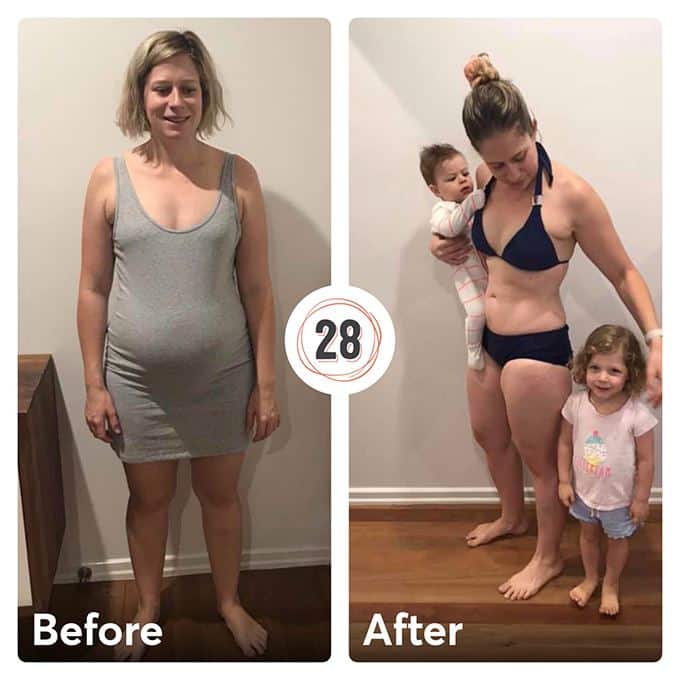

Potential risks of losing weight too fast after pregnancy
1.1 Health complications
Losing weight too quickly after pregnancy can increase the risk of various health complications. The body undergoes significant changes during pregnancy, and rapid weight loss can put excessive strain on the cardiovascular system. It can lead to a higher risk of malnutrition, dehydration, and electrolyte imbalance. Additionally, losing weight too fast can also impact the immune system, making new mothers more susceptible to infections and illnesses.
1.2 Nutritional deficiencies
Rapid weight loss can often result in nutritional deficiencies, which can have long-term consequences on both the mother and the baby. After pregnancy, it is crucial to replenish the body with essential nutrients such as iron, calcium, and vitamins. Losing weight too quickly may prevent new mothers from obtaining these necessary nutrients, leading to various deficiencies. These deficiencies can hinder proper healing, slow down postpartum recovery, and even affect the quality of breast milk.
1.3 Hormonal imbalances
Postpartum hormonal imbalances are common and can persist for months after childbirth. Losing weight too quickly can further disrupt the delicate balance of hormones in the body. Hormonal imbalances can have a significant impact on mood, energy levels, and overall well-being. They can also interfere with breastfeeding by decreasing milk production. Therefore, it is essential to prioritize gradual weight loss to minimize the risk of hormonal imbalances and their accompanying consequences.
Reasons for losing weight too fast after pregnancy
2.1 Societal pressure
Society often places unrealistic expectations on new mothers to rapidly regain their pre-pregnancy weight. The pressure to bounce back quickly can make women feel compelled to shed those extra pounds at a rapid pace. However, succumbing to societal pressure can be detrimental to both physical and mental health. It is crucial to remember that every body is different, and the focus should be on recovering and nourishing oneself rather than conforming to societal beauty standards.
2.2 Unrealistic expectations
Many new mothers have unrealistic expectations about postpartum weight loss. Celebrity endorsements, social media, and various misleading sources often promote quick and easy weight loss methods. However, these methods may not be sustainable or healthy, especially during the postpartum period. Comparing oneself to unrealistic standards can be disheartening and may lead to resorting to unhealthy practices in an attempt to achieve rapid weight loss.
2.3 Misinformation
The abundance of misinformation surrounding postpartum weight loss can also contribute to losing weight too quickly. Well-intentioned family members, friends, or online sources can unknowingly provide inaccurate advice. It’s important to consult reliable sources and healthcare professionals for accurate information and guidance. Sorting through the vast amount of misinformation can be overwhelming, but it’s crucial to prioritize reliable sources and evidence-based information to ensure healthy weight loss after pregnancy.
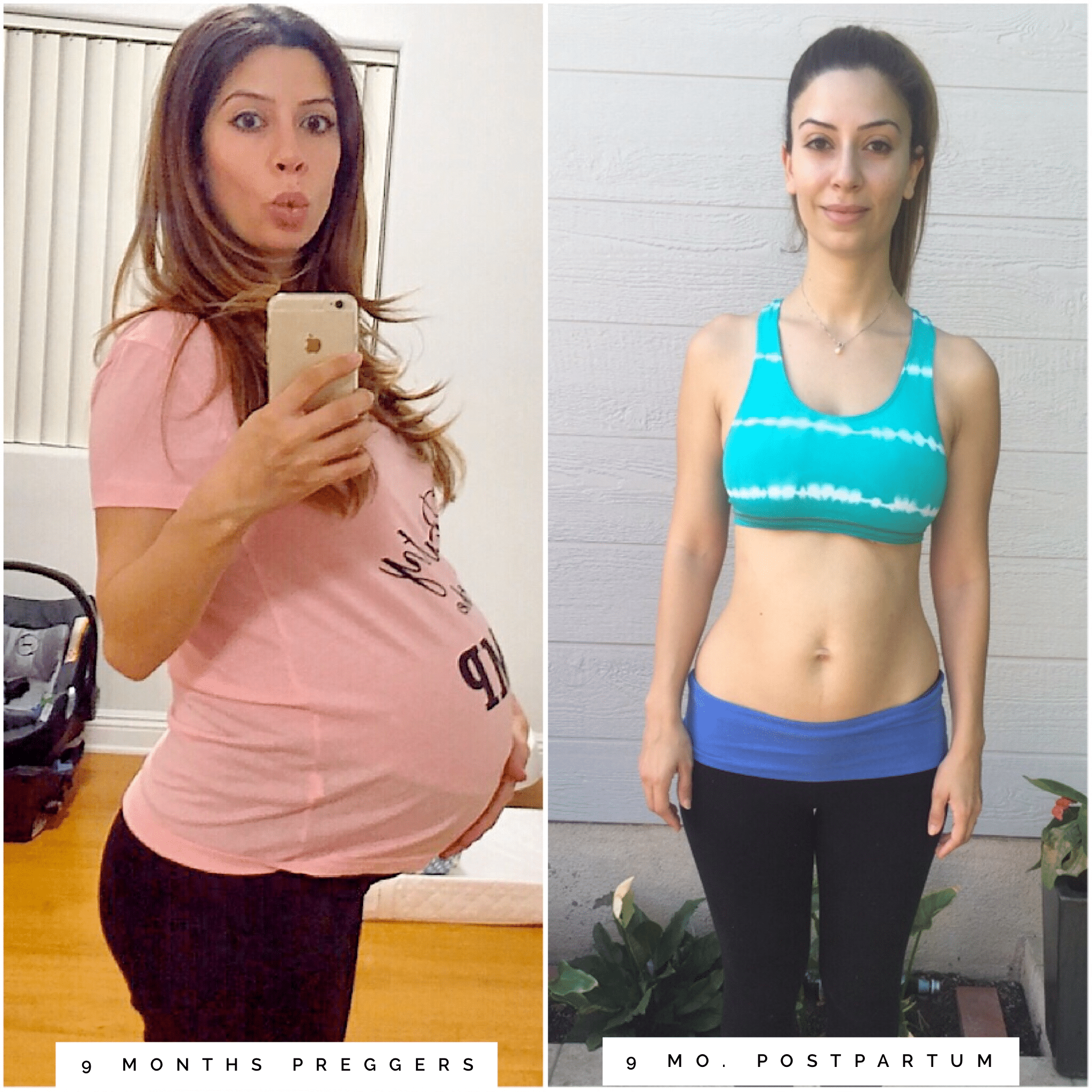

The importance of gradual weight loss
3.1 Maintaining milk supply
Gradual weight loss is crucial for lactating mothers to ensure an adequate milk supply for their babies. Losing weight too fast can jeopardize milk production as the body may not receive enough nutrients to sustain both the mother and the baby. Rapid weight loss can lead to a decrease in prolactin, the hormone responsible for milk production, ultimately affecting the ability to breastfeed.
3.2 Postpartum recovery
The postpartum period is a time of healing, both physically and emotionally. Gradual weight loss allows the body to recover and rebuild strength after the stresses of pregnancy and childbirth. It gives the body time to adjust to the changes and promotes overall postpartum recovery. By focusing on slow and steady weight loss, new mothers can give themselves the opportunity to regain their energy and build a solid foundation for long-term well-being.
3.3 Overall well-being
Rapid weight loss after pregnancy can take a toll on a new mother’s physical and mental health. It can lead to exhaustion, fatigue, and increased stress levels. These factors can have a negative impact on overall well-being and may hinder the ability to care for oneself and the baby. Prioritizing gradual weight loss allows for the adoption of sustainable lifestyle changes that promote long-term health and well-being.
Signs of losing weight too fast
4.1 Rapid weight loss
One of the most apparent signs of losing weight too fast is rapid and excessive weight loss within a short period. While shedding some pounds in the postpartum period is normal, losing more than one to two pounds per week can indicate excessive weight loss. It is important to track your weight loss progress and identify any sudden and drastic changes.
4.2 Fatigue and weakness
Feeling constantly fatigued and weak can be a sign of losing weight too quickly after pregnancy. Rapid weight loss often results in a lack of essential nutrients needed to maintain optimal energy levels. This can leave new mothers feeling drained, lethargic, and unable to handle the demands of caring for a newborn. Pay attention to your energy levels and seek medical advice if you are experiencing prolonged fatigue or weakness.
4.3 Hair loss
Hair loss is a common occurrence after pregnancy, known as postpartum hair shedding. However, losing a significant amount of hair can be a sign of losing weight too fast. Rapid weight loss can trigger hormonal imbalances that impact hair growth cycles. If you notice excessive hair loss or thinning, it’s crucial to consult a healthcare professional to rule out any underlying issues.
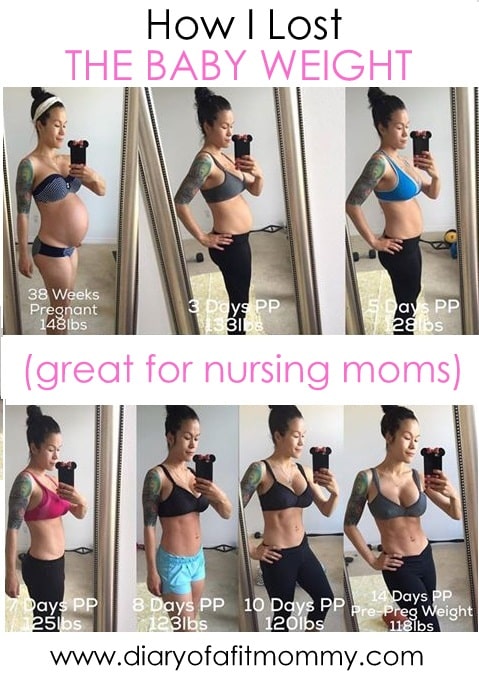
Healthful and sustainable weight loss strategies
5.1 Balanced diet
A balanced diet is the foundation for healthy and sustainable weight loss after pregnancy. Focus on consuming nutrient-dense foods that provide the necessary vitamins, minerals, and calories to support your recovery and breastfeeding journey. Include a variety of fruits, vegetables, lean proteins, whole grains, and healthy fats in your meals. Avoid fad diets or restrictive eating patterns, as they can hinder your ability to obtain essential nutrients.
5.2 Regular exercise
Incorporating regular exercise into your postpartum routine is beneficial for weight loss and overall well-being. Start with low-impact exercises, such as walking or gentle yoga, and gradually increase the intensity as your body heals. Exercise not only aids in weight loss but also boosts mood, energy levels, and promotes better sleep. Consult your healthcare provider before starting any exercise program to ensure it is safe for you and your baby.
5.3 Adequate hydration
Staying adequately hydrated is essential for postpartum weight loss. Drinking sufficient water helps support a healthy metabolism, aids digestion, and keeps you feeling full. It is also important for milk production if you are breastfeeding. Carry a water bottle with you throughout the day and aim to drink at least eight glasses of water. Remember that thirst is not always an accurate indicator of hydration, so make a conscious effort to stay hydrated.
The importance of consulting a healthcare professional
6.1 Medical guidance
Seeking medical guidance is crucial during the postpartum period, especially when it comes to weight loss. A healthcare professional can assess your overall health, provide tailored advice, and monitor any potential risks associated with losing weight too quickly. They can ensure that weight loss efforts align with your specific needs and circumstances, ensuring a healthy and safe approach.
6.2 Individualized advice
Each new mother’s journey is unique, and what works for one may not work for another. Consulting a healthcare professional allows for individualized advice tailored to your specific needs and limitations. They can help create a personalized weight loss plan that aligns with your overall health goals and accounts for any medical conditions or complications you may have experienced during pregnancy.
6.3 Monitoring overall health
Regular check-ups with a healthcare professional during the postpartum period help monitor your overall health as you navigate weight loss. They can address any concerns or complications promptly and ensure that you are on the right track. Monitoring overall health is crucial for successful weight loss and postpartum recovery.
Tips for healthy postpartum weight loss
7.1 Set realistic goals
Rather than focusing on a specific pre-pregnancy weight, set realistic and achievable goals for yourself. Aim to lose weight gradually, around one to two pounds per week, and prioritize overall well-being. Remember that postpartum weight loss is a journey that takes time, so be patient and kind to yourself along the way.
7.2 Prioritize self-care
Self-care is vital during the postpartum period, including the weight loss journey. Make time for activities that nourish your body and soul, such as taking relaxing baths, practicing mindfulness, or engaging in hobbies you enjoy. Prioritizing self-care helps manage stress, enhances well-being, and supports healthy weight loss.
7.3 Seek support
Navigating postpartum weight loss can be challenging, so it’s important to seek support from loved ones, friends, or online communities. Joining a postpartum support group or connecting with other new mothers going through a similar experience can provide encouragement, advice, and a sense of camaraderie. Sharing your journey with others can make the process more enjoyable and less overwhelming.
Managing emotional well-being during postpartum weight loss
8.1 Addressing body image concerns
Postpartum weight loss often evokes body image concerns, and it’s important to address these feelings with compassion and understanding. Remember that your body has gone through significant changes to bring new life into the world. Be kind to yourself and focus on the incredible feat your body has accomplished rather than solely on physical appearance.
8.2 Coping with societal expectations
Societal expectations regarding postpartum weight loss can be overwhelming and unrealistic. It’s crucial to establish clear boundaries and not let societal pressures dictate your self-worth. Surround yourself with a supportive network that values your well-being over societal expectations, and remember that everyone’s postpartum journey is unique.
8.3 Embracing self-love
Practicing self-love during the postpartum weight loss journey is essential for emotional well-being. Treat yourself with kindness, celebrate small victories, and acknowledge the progress you have made. Embrace and appreciate your body at every stage, recognizing that the focus should be on health and self-care rather than a number on the scale.
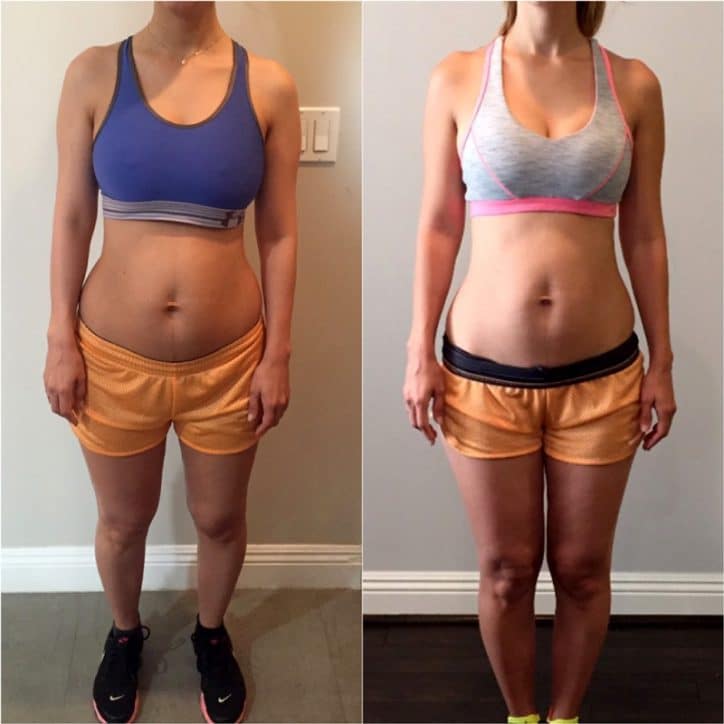
The role of breastfeeding in postpartum weight loss
9.1 Caloric requirements while breastfeeding
Breastfeeding significantly impacts postpartum weight loss, as it requires additional calories to sustain milk production. On average, breastfeeding mothers need an extra 300-500 calories per day. Incorporate nutrient-dense foods into your diet to meet these increased caloric requirements while still focusing on healthy choices.
9.2 Balancing weight loss goals with nutrition
Balancing weight loss goals with nutrition can feel challenging while breastfeeding. It’s crucial to prioritize both weight loss and nourishment to ensure optimal health for yourself and your baby. Focus on consuming a variety of nutrient-dense foods that provide the necessary vitamins and minerals to support your overall well-being and milk production.
9.3 Sustaining milk production
Gradual weight loss is key to sustain milk production while losing weight after pregnancy. Rapid weight loss can lead to a decrease in prolactin levels, hindering milk production. By adopting a gradual weight loss approach, incorporating balanced meals, and staying hydrated, you can support both weight loss and milk production simultaneously.
Seeking professional help for healthy weight loss
10.1 Registered dietitian
Consulting a registered dietitian can provide valuable guidance for healthy weight loss after pregnancy. They can help create individualized meal plans that meet your nutritional needs while supporting weight loss goals. A dietitian can also address any specific dietary concerns or restrictions you may have, ensuring a well-rounded and sustainable approach to postpartum weight loss.
10.2 Certified personal trainer
If you want to incorporate exercise into your postpartum weight loss journey, it’s advisable to seek guidance from a certified personal trainer with expertise in postpartum fitness. They can provide a safe and effective exercise program customized to your needs and limitations. A personal trainer can also help you establish realistic goals and provide accountability and support throughout your fitness journey.
10.3 Postpartum support groups
Consider joining postpartum support groups or seeking counseling services with professionals specializing in postpartum health and well-being. These support systems can provide you with guidance, understanding, and a sense of community as you navigate the challenges of postpartum weight loss. Remember, you are not alone, and seeking support is a sign of strength and self-care.
In conclusion, losing weight too quickly after pregnancy can pose significant risks to both physical and mental health. It is crucial to prioritize gradual and sustainable weight loss to support overall well-being, postpartum recovery, and milk production. Consulting healthcare professionals, setting realistic goals, and seeking support are essential components of a healthy postpartum weight loss journey. Remember to be kind to yourself, embrace self-love, and focus on nourishing your body as you embark on this transformative experience.