Congratulations on your new journey as a mother! With the wonderful experience of breastfeeding comes the question of whether it helps you shed those post-pregnancy pounds faster. Curiosity peaks as you wonder if this natural process of nourishing your baby can also help you attain your weight loss goals. In this article, we’ll explore the potential connection between breastfeeding and weight loss, providing valuable insights to support you along this rewarding path.


Factors that Influence Weight Loss While Breastfeeding
1. Metabolism
Metabolism plays a significant role in weight loss while breastfeeding. Every individual has a unique metabolic rate, which determines how efficiently their body burns calories. Some women may have a faster metabolism, allowing them to lose weight more easily, while others may have a slower metabolism, making weight loss a bit more challenging. It’s essential to understand that metabolism can be influenced by various factors, such as genetics, age, and hormonal changes.
2. Nutrient Intake
When it comes to weight loss and breastfeeding, proper nutrient intake is crucial. As a breastfeeding mother, your body requires additional energy and nutrients to support both your own needs and the production of breast milk. It’s essential to consume a balanced diet that includes a variety of food groups, such as lean protein, whole grains, fruits, vegetables, and healthy fats. This ensures that you receive all the necessary nutrients and helps maintain a healthy weight while breastfeeding.
3. Physical Activity
Engaging in regular physical activity not only contributes to weight loss but also promotes overall health and well-being. However, the extent to which physical activity influences weight loss while breastfeeding can vary based on individual factors. Some women may find that incorporating moderate-intensity exercises, such as walking or swimming, helps them shed pounds more effectively. It’s important to consult with your healthcare provider before starting any exercise routine to ensure it is safe for you and your baby.
4. Breastfeeding Duration
The duration of breastfeeding can impact weight loss. Research suggests that breastfeeding for at least six months or more may lead to a more significant reduction in postpartum weight. Breastfeeding stimulates the release of hormones that promote weight loss, such as oxytocin. Additionally, breastfeeding helps contract the uterus, aiding in the recovery process after childbirth. However, it’s important to note that individual variations may exist, and weight loss patterns can differ for each woman.
5. Pre-pregnancy Weight
Your pre-pregnancy weight can influence weight loss while breastfeeding. Women who start their breastfeeding journey with a higher pre-pregnancy weight may experience more noticeable weight loss. This can be attributed to the fact that their body had more fat stores to use as energy during breastfeeding. On the other hand, women with a lower pre-pregnancy weight may have fewer fat stores, resulting in a slower rate of weight loss. However, it’s important to focus on overall health rather than solely on weight loss, especially during the breastfeeding period.
6. Genetics
Genetics play a significant role in weight loss while breastfeeding. Some women may have genetic factors that make it easier for them to shed pounds, while others may face inherent challenges in losing weight. Genetic factors can influence metabolism, appetite regulation, and how the body stores and utilizes fat. It’s important to remember that weight loss is a complex process influenced by multiple factors, and genetics is just one piece of the puzzle.
7. Hormonal Balance
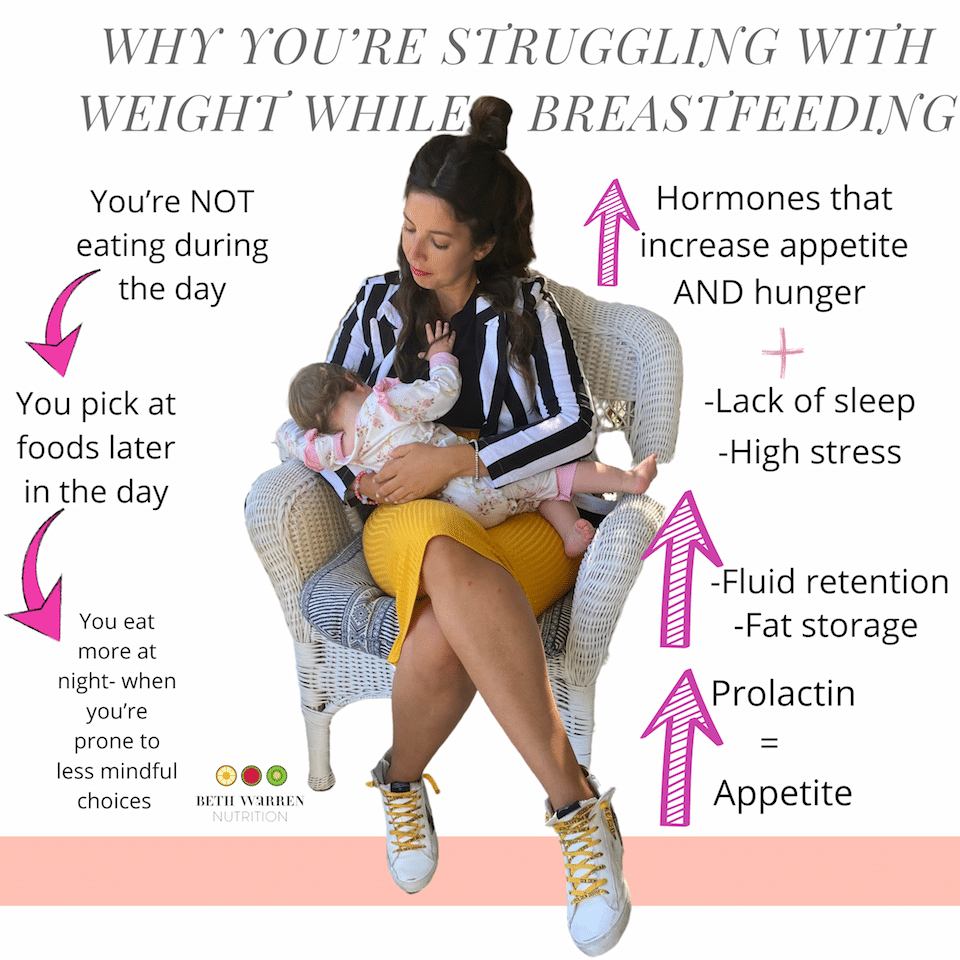
Hormonal balance is essential for maintaining a healthy weight while breastfeeding. Throughout the breastfeeding journey, hormones such as prolactin, estrogen, and progesterone play a vital role in milk production and maternal well-being. These hormones can also affect weight loss. For example, hormonally-driven cravings or imbalances can make it more challenging to maintain a healthy diet and lose weight. Maintaining a healthy hormonal balance through proper nutrition, regular physical activity, and adequate self-care can support weight loss efforts while breastfeeding.
Calorie Burning during Breastfeeding
1. Energy Expenditure
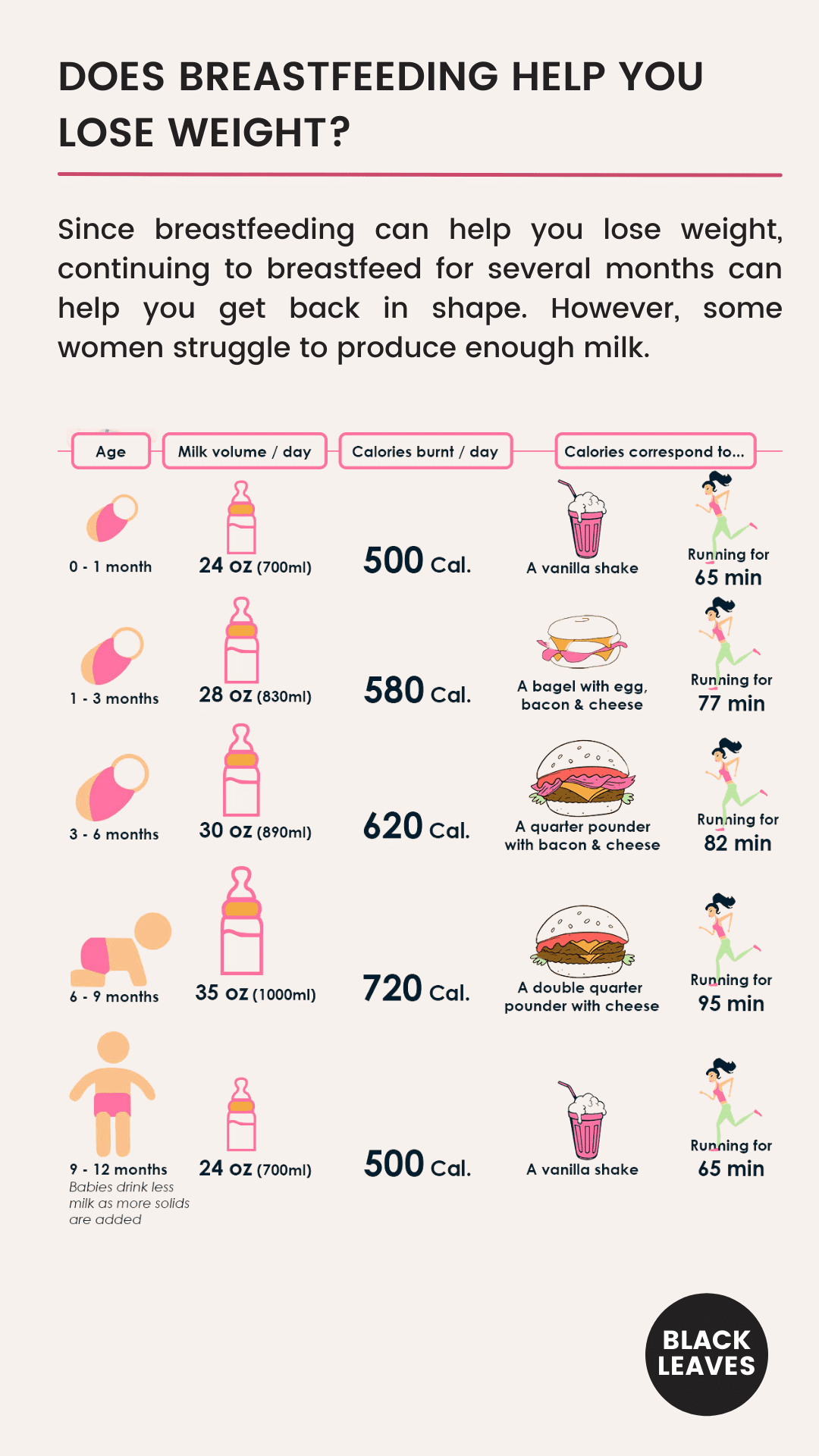
Breastfeeding requires a considerable amount of energy expenditure. Your body uses calories to produce breast milk, and this process can contribute to weight loss. On average, breastfeeding can burn around 300-500 extra calories per day. However, it’s important to note that individual variations exist, and the actual calorie burn can differ depending on factors such as body composition, activity level, and the amount of milk your baby consumes.
2. Milk Production
The production of breast milk itself contributes to calorie burning. As your body produces milk, it uses energy and nutrients stored in your body, including fat cells. This process helps mobilize and utilize these energy stores, promoting weight loss. The more milk your body produces, the more calories you burn in the process. However, it’s important to maintain a balanced nutrient intake to ensure proper milk production and overall maternal health.
3. Lactation Hormones
The release of specific hormones during breastfeeding, such as prolactin, can influence weight loss. Prolactin stimulates milk production and can contribute to increased calorie burning. It also helps the uterus contract, aiding in postpartum recovery. Additionally, the hormone oxytocin, released during breastfeeding, promotes bonding between the mother and baby. These lactation hormones work together to support weight loss and overall well-being during the breastfeeding journey.
4. Caloric Needs
Breastfeeding increases your caloric needs as compared to the non-breastfeeding period. A lactating woman typically requires an additional 300-500 calories per day to meet the energy demands of breastfeeding and support adequate milk production. However, it’s important to ensure these extra calories come from nutrient-dense foods rather than empty calories. Focusing on quality nutrition and consuming a balanced diet will help maintain energy levels and promote healthy weight loss.
5. Additional Calorie Burn
Breastfeeding also provides an opportunity for additional calorie burning through physical activity. You can incorporate light to moderate-intensity exercises, like brisk walking or postnatal yoga, into your routine to help boost calorie burn. However, it’s crucial to start gradually and listen to your body’s signals. High-intensity exercises or excessive physical activity may negatively impact milk production and overall well-being. Consult with your healthcare provider for personalized exercise recommendations.

Weight Loss Patterns and Timing
1. Initial Postpartum Period
The immediate postpartum period is characterized by a relatively rapid loss of weight. This weight loss is primarily due to the expulsion of the baby, amniotic fluid, and placenta. Additionally, the contraction of the uterus plays a significant role in this initial weight loss. It’s important to note that this initial weight loss is unrelated to fat loss and serves as a natural part of returning to pre-pregnancy weight.
2. Exclusive Breastfeeding Period
The exclusive breastfeeding period, typically the first six months after birth, can contribute to more significant weight loss. Breastfeeding stimulates the release of hormones, such as oxytocin, which aids in uterine contraction and fat utilization. The combination of breastfeeding, proper nutrient intake, and regular physical activity during this period can support healthy weight loss. However, individual variations exist, and some women may experience faster weight loss than others.
3. Weaning Process
The weaning process, when you gradually introduce solid foods and reduce the frequency of breastfeeding, can impact weight loss. As breastfeeding reduces, the calorie expenditure associated with milk production decreases. This reduction in energy expenditure may require adjustments to your diet and activity levels to maintain or continue weight loss. It’s important to approach the weaning process gradually and prioritize balanced nutrition and regular physical activity to support a healthy weight.
4. Individual Variations
Weight loss patterns and timing can vary significantly among breastfeeding women. Factors such as genetics, metabolic rate, pre-pregnancy weight, and lifestyle choices contribute to these individual variations. Some women may experience more rapid weight loss during the early months of breastfeeding, while others may have a slower rate of weight loss. It’s crucial to focus on overall health and well-being rather than comparing your weight loss journey with others.
Tips for Safe and Healthy Weight Loss while Breastfeeding
1. Balanced Nutrient Intake
Maintaining a balanced nutrient intake is crucial for safe and healthy weight loss while breastfeeding. Focus on consuming a variety of nutrient-dense foods, such as lean proteins, whole grains, fruits, vegetables, and healthy fats. These foods provide essential nutrients for both you and your baby and support healthy weight loss. Avoid crash diets or extreme restrictions, as they may negatively impact breast milk production and overall well-being.
2. Adequate Hydration
Proper hydration is essential for milk production and overall health. Make sure to drink enough water throughout the day to support adequate breast milk supply and promote weight loss. Staying hydrated can also help manage cravings and control appetite. Aim for at least eight cups of water per day, and adjust your fluid intake based on individual needs and activity levels.
3. Regular Physical Activity
Incorporating regular physical activity into your routine can support weight loss while breastfeeding. Engage in activities that you enjoy, such as brisk walking, swimming, or postnatal exercises. Start gradually and listen to your body’s signals. Consider consulting with a healthcare provider or a postpartum exercise specialist to ensure a safe and effective exercise plan.
4. Gradual Weight Loss
Focus on gradual weight loss rather than quick fixes or drastic measures. Losing weight gradually allows your body to adjust and maintain a healthy milk supply. Aim for a weight loss of one to two pounds per week, which is considered safe and sustainable. Embrace small lifestyle changes and be patient with yourself throughout the breastfeeding journey.
5. Patience and Realistic Expectations
Weight loss while breastfeeding can be a gradual process, and it’s important to have patience and set realistic expectations. Your body has undergone significant changes during pregnancy and childbirth, and it takes time to adjust and shed excess weight. Remember to focus on overall health, self-care, and bonding with your baby rather than solely on the numbers on the scale. Celebrate your progress and be proud of yourself for nourishing your baby through breastfeeding.
Potential Challenges and Considerations
1. Hormonal Changes
Hormonal changes during the breastfeeding period can influence weight loss. Hormones such as prolactin and insulin may affect appetite regulation and metabolism. It’s important to be mindful of hormonally-driven cravings and make conscious choices to maintain a balanced nutrient intake. Additionally, sleep deprivation, common during the early months of breastfeeding, can impact hormonal balance and potentially affect weight loss efforts. Prioritize restful sleep and self-care to support overall hormonal health.
2. Milk Supply
Breastfeeding is primarily aimed at providing optimal nutrition for your baby. It’s important to prioritize milk supply and ensure your baby’s needs are met before focusing on weight loss. Severe caloric restrictions or quick weight loss measures can negatively impact milk supply. Monitor your milk supply and consult with a lactation consultant or healthcare provider if you have concerns.
3. Nutrient Deficiencies
Restrictive diets or extreme weight loss measures can lead to nutrient deficiencies, which can negatively impact both your health and the quality of breast milk. Focus on a balanced and varied diet that provides all essential nutrients. Adequate nutrient intake supports both weight loss and overall well-being. If you have specific dietary restrictions or concerns, consult with a registered dietitian or healthcare provider for personalized guidance.
4. Mental and Emotional Well-being
The postpartum period, combined with the challenges of breastfeeding and weight loss, can sometimes take a toll on mental and emotional well-being. It’s important to prioritize self-care, seek support from friends and family, and consider professional help if needed. Surround yourself with a positive support system and engage in activities that promote relaxation and stress reduction.
5. Body Image and Self-esteem
The breastfeeding period can sometimes bring body image and self-esteem concerns to the forefront. Remember that every body is unique and that your body has undergone incredible changes to nurture and sustain a new life. Focus on celebrating the strength and resilience of your body rather than comparing yourself to unrealistic standards. Embrace self-care practices that promote body positivity and self-acceptance.
Impact of Breastfeeding on Weight Loss
1. Postpartum Hormonal Changes
Breastfeeding influences postpartum hormonal changes, which can impact weight loss. The release of hormones like prolactin and oxytocin during breastfeeding plays a role in fat utilization, uterine contraction, and overall metabolic activity. These hormonal changes support weight loss efforts and contribute to a healthy postpartum recovery.
2. Fat Storage and Energy Utilization
During pregnancy, your body naturally stores extra fat to support the nutritional needs of your growing baby. Breastfeeding allows for the utilization of these fat stores as energy to fuel milk production. This process aids in weight loss and naturally helps your body return to its pre-pregnancy shape. However, it’s important to focus on overall health and well-being rather than solely on weight loss during this period.
3. Lactation Hormones
The release of lactation hormones during breastfeeding plays a significant role in weight loss. These hormones promote fat mobilization, energy expenditure, and the utilization of stored nutrients. The combination of breastfeeding, healthy nutrition, and regular physical activity supports the natural weight loss process while preserving milk supply and overall maternal health.
4. Psychological Benefits
Breastfeeding has positive psychological benefits that can indirectly contribute to weight loss. It promotes bonding between the mother and baby, enhances feelings of love and attachment, and reduces stress levels. These psychological benefits can help maintain a healthy mindset and support healthy lifestyle choices, including proper nutrition and regular physical activity.
5. Longer-term Weight Management
Breastfeeding may have a positive impact on longer-term weight management. Research suggests that women who breastfeed for a longer duration may have a reduced risk of obesity and weight-related health issues later in life. Although breastfeeding alone may not guarantee long-term weight management, it can contribute to a healthy foundation for future weight maintenance efforts.
Preventing Excessive Weight Loss
1. Consultation with Healthcare Provider
If you have concerns about excessive weight loss while breastfeeding, it’s crucial to consult with your healthcare provider. They can evaluate your individual circumstances, monitor your weight loss progress, and provide guidance tailored to your specific needs. Regular check-ups with a healthcare provider help ensure that both you and your baby are healthy throughout the breastfeeding journey.
2. Adequate Nutrient Intake
To prevent excessive weight loss, it’s important to focus on maintaining a balanced and nutrient-dense diet. Ensure that you’re consuming enough calories, proteins, healthy fats, and carbohydrates to support both your own nutritional needs and the production of quality breast milk. Seek guidance from a registered dietitian or healthcare provider if you have concerns about your nutrient intake.
3. Weight Monitoring
Monitoring your weight during the breastfeeding period can help identify any drastic or concerning weight loss. Regularly tracking your weight provides valuable information about your progress and overall health. However, it’s important not to obsess over the numbers on the scale and maintain a healthy perspective on weight loss and overall well-being.
4. Self-care and Support
Self-care and seeking support are essential in preventing excessive weight loss while breastfeeding. It’s important to prioritize your own well-being, both physically and emotionally. Engage in activities that help you relax, reduce stress, and prioritize your own needs. Seek support from your partner, friends, and family, and consider joining breastfeeding support groups to connect with other women going through similar experiences.
5. Professional Guidance
If you’re concerned about weight loss or facing challenges while breastfeeding, seeking professional guidance can be beneficial. Lactation consultants, registered dietitians, and healthcare providers experienced in postpartum care can provide personalized strategies and support to help you navigate any concerns and ensure a healthy weight loss journey.
Misconceptions and Common Myths
1. Breastfeeding Melts away all the Fat
While breastfeeding does contribute to weight loss, it’s important to dispel the misconception that it automatically melts away all the fat. Weight loss is a complex process influenced by various factors, including metabolism, nutrient intake, physical activity, and pre-pregnancy weight. Breastfeeding can aid in weight loss, but it may not solely melt away all the fat.
2. Breastfeeding Causes Weight Gain
Contrary to the myth that breastfeeding causes weight gain, breastfeeding can actually support weight loss. When practiced with adequate nutrient intake, regular physical activity, and healthy lifestyle choices, breastfeeding can contribute to gradual and healthy weight loss. However, individual variations exist, and some women may experience weight fluctuations during the breastfeeding period. It’s important to focus on overall health and well-being rather than solely on weight fluctuations.
3. Rapid Weight Loss Detracts from Milk Quality
A common myth is that rapid weight loss while breastfeeding negatively impacts milk quality. While it’s important to avoid excessive weight loss, gradual weight loss does not generally affect the quality or quantity of breast milk. Ensuring a balanced nutrient intake and a gradual weight loss approach supports both weight loss efforts and the production of nutritious breast milk.
4. All Women Lose Weight at the Same Rate
Weight loss patterns and rates can vary significantly among women while breastfeeding. Each woman’s body is unique, influenced by factors such as genetics, metabolism, nutrient intake, and lifestyle choices. It’s essential to focus on your own health and weight loss journey rather than comparing yourself to others. Embrace your individuality and appreciate the progress you make in your own time.
5. Breastfeeding is the Only Factor Influencing Weight Loss
While breastfeeding plays a significant role in weight loss, it’s important to recognize that it is not the only factor influencing weight loss while breastfeeding. As discussed earlier, factors such as metabolism, nutrient intake, physical activity, pre-pregnancy weight, genetics, and hormonal balance all contribute to weight loss. Embracing a holistic approach that includes multiple factors will support healthy weight loss while breastfeeding.
Crash Diets and Extreme Measures
1. Potential Risks and Side Effects
Engaging in crash diets or extreme weight loss measures while breastfeeding can pose potential risks and side effects. Drastic caloric restrictions can lead to nutrient deficiencies, decreased milk supply, and overall compromised maternal health. It’s important to prioritize a balanced nutrient intake and healthy weight loss strategies rather than resorting to extreme measures.
2. Impact on Milk Supply
Crash diets or extreme measures can negatively impact milk supply. Severely restricting caloric intake can signal to the body that there is a shortage of available resources, potentially leading to a decreased milk supply. To ensure adequate milk production, it’s important to prioritize a balanced diet that considers both weight loss goals and proper nourishment for yourself and your baby.
3. Nutrient Deficiencies
Extreme weight loss measures can lead to nutrient deficiencies. Rapid weight loss may compromise your ability to obtain essential nutrients, which are crucial for both your own health and the quality of breast milk. Nutrient deficiencies can have long-term negative effects on overall health and should be avoided. Focus on a well-rounded and balanced diet that supports both weight loss and proper nutrition.
4. Emotional Toll
Crash diets and extreme weight loss measures can take an emotional toll on breastfeeding mothers. The stress and pressure of strict regimens can negatively impact mental well-being, body image, and overall enjoyment of the breastfeeding journey. Prioritize self-care, mental health, and seek professional help if needed to ensure a positive and healthy experience while breastfeeding.
5. Unsustainable Results
Crash diets and extreme weight loss measures rarely result in sustainable long-term weight loss. While you may initially see quick results, these approaches are often difficult to adhere to in the long run. Gradual and healthy weight loss methods are more sustainable, promoting long-term weight management and overall well-being.
Conclusion
Weight loss while breastfeeding is influenced by a variety of factors, including metabolism, nutrient intake, physical activity, breastfeeding duration, pre-pregnancy weight, genetics, hormonal balance, and more. It’s important to approach weight loss during this period safely and with realistic expectations. Focus on balanced nutrient intake, staying adequately hydrated, engaging in regular physical activity, aiming for gradual weight loss, and practicing patience and self-acceptance. Consult with your healthcare provider for personalized guidance, and remember to prioritize overall health and well-being throughout your breastfeeding journey.