Are you tired of going on diets that leave you feeling hungry and unsatisfied? Look no further than the best meal plan to lose weight fast. This meal plan is designed to provide you with delicious and nutritious meals that will help you shed those extra pounds in no time. Say goodbye to counting calories and hello to a sustainable and enjoyable eating routine. With a variety of meal options, you won’t feel deprived or bored. Get ready to transform your body and achieve your weight loss goals with the best meal plan to lose weight fast.

Understanding Weight Loss
The Basic Principle of Weight Loss
Losing weight comes down to a simple principle: creating a calorie deficit. This means consuming fewer calories than your body needs to maintain its current weight. When your body is in a calorie deficit, it turns to stored fat to make up for the energy shortfall, thus leading to weight loss.
Factors Affecting Weight Loss
While the basic principle of weight loss seems straightforward, there are various factors that can affect the rate at which you shed those extra pounds. These factors include your metabolism, age, overall health, hormonal balance, and genetic predisposition. It’s important to understand that weight loss is not a one-size-fits-all journey, and different individuals may experience different rates of progress.
Setting Realistic Weight Loss Goals
It’s crucial to set realistic weight loss goals to ensure long-term success. Rapid weight loss may seem appealing, but it’s not sustainable and can potentially harm your health. Aim for a gradual and steady weight loss of 1-2 pounds per week. This approach is more achievable and allows your body to adapt to the changes without feeling deprived or overwhelmed.
Designing a Balanced Diet
Determining Daily Caloric Needs
To design a balanced diet for weight loss, it’s important to determine your daily caloric needs. This can be done by calculating your Basal Metabolic Rate (BMR), which represents the number of calories your body requires to sustain basic functions at rest. From there, you can adjust your caloric intake to create the necessary calorie deficit for weight loss.
Importance of Macronutrients
Macronutrients, including carbohydrates, proteins, and fats, play a vital role in a balanced diet. Carbohydrates provide energy, proteins aid in muscle repair and growth, and fats support hormone production and nutrient absorption. It’s important to include a balance of all three macronutrients in your diet to support weight loss and overall well-being.
Choosing the Right Carbohydrates
Not all carbohydrates are created equal. Opt for complex carbohydrates like whole grains, fruits, and vegetables, as they provide essential nutrients and fiber while digesting slowly, keeping you feeling fuller for longer. Avoid refined carbohydrates such as white bread, sugary drinks, and processed snacks, as these can cause blood sugar spikes and lead to weight gain.
Including Sufficient Protein
Protein is a crucial component of any weight loss diet. It helps build and repair tissues, boosts metabolism, and promotes feelings of fullness. Ensure you include lean sources of protein such as chicken, fish, tofu, legumes, and low-fat dairy products in your meals to support weight loss and preserve muscle mass.
Opting for Healthy Fats
Contrary to popular belief, not all fats are bad for you. Healthy fats, such as those found in avocados, nuts, seeds, and olive oil, are important for brain function, hormone production, and nutrient absorption. Including these fats in your diet can help you feel satisfied and enhance the flavor of your meals, making weight loss more enjoyable.
Prioritizing Fiber
Fiber plays a key role in weight loss as it adds bulk to your meals, making you feel full while keeping your digestive system healthy. Incorporate high-fiber foods like whole grains, fruits, vegetables, and legumes into your daily meals. Apart from aiding weight loss, fiber also helps regulate blood sugar levels and supports heart health.
Benefits of Portion Control
Portion control is crucial when it comes to weight loss. Even healthy foods can lead to weight gain if consumed in large quantities. By practicing portion control, you can enjoy a variety of foods while still keeping your caloric intake in check. Use smaller plates and bowls, be mindful of portion sizes, and listen to your body’s hunger and fullness cues.

Creating a Meal Plan
Distribute Calories Throughout the Day
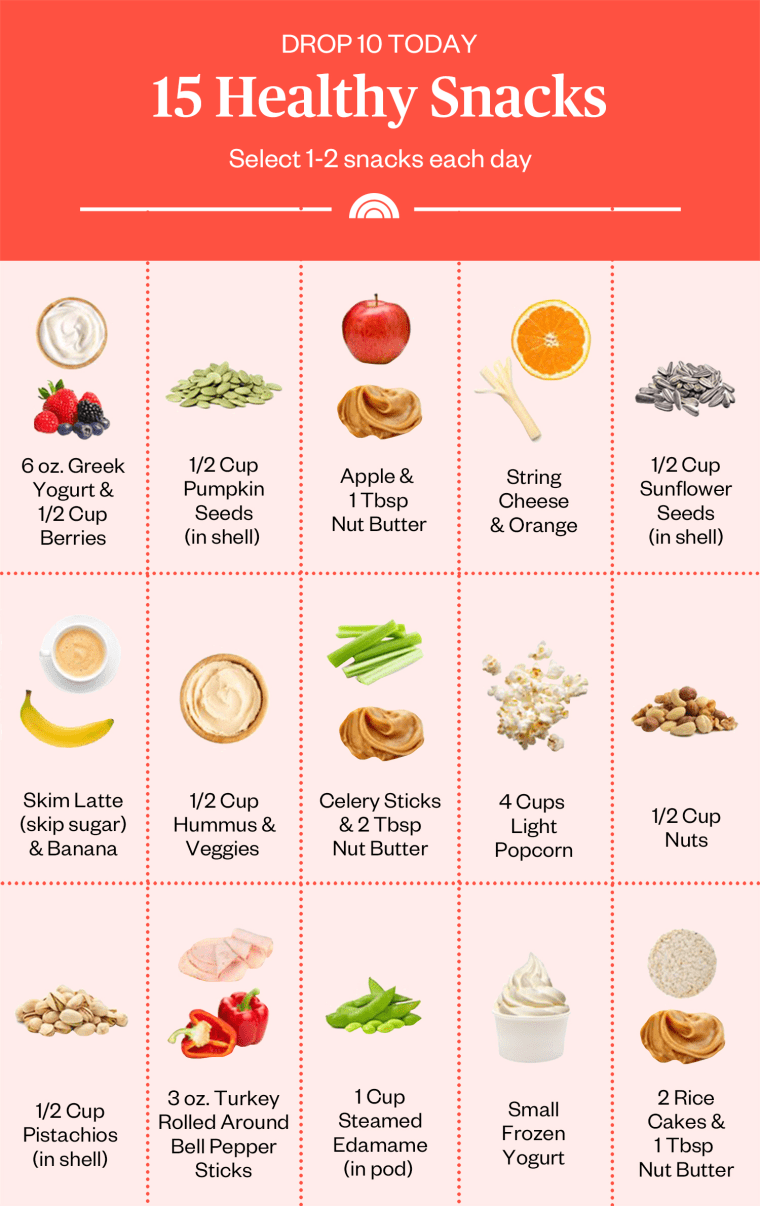
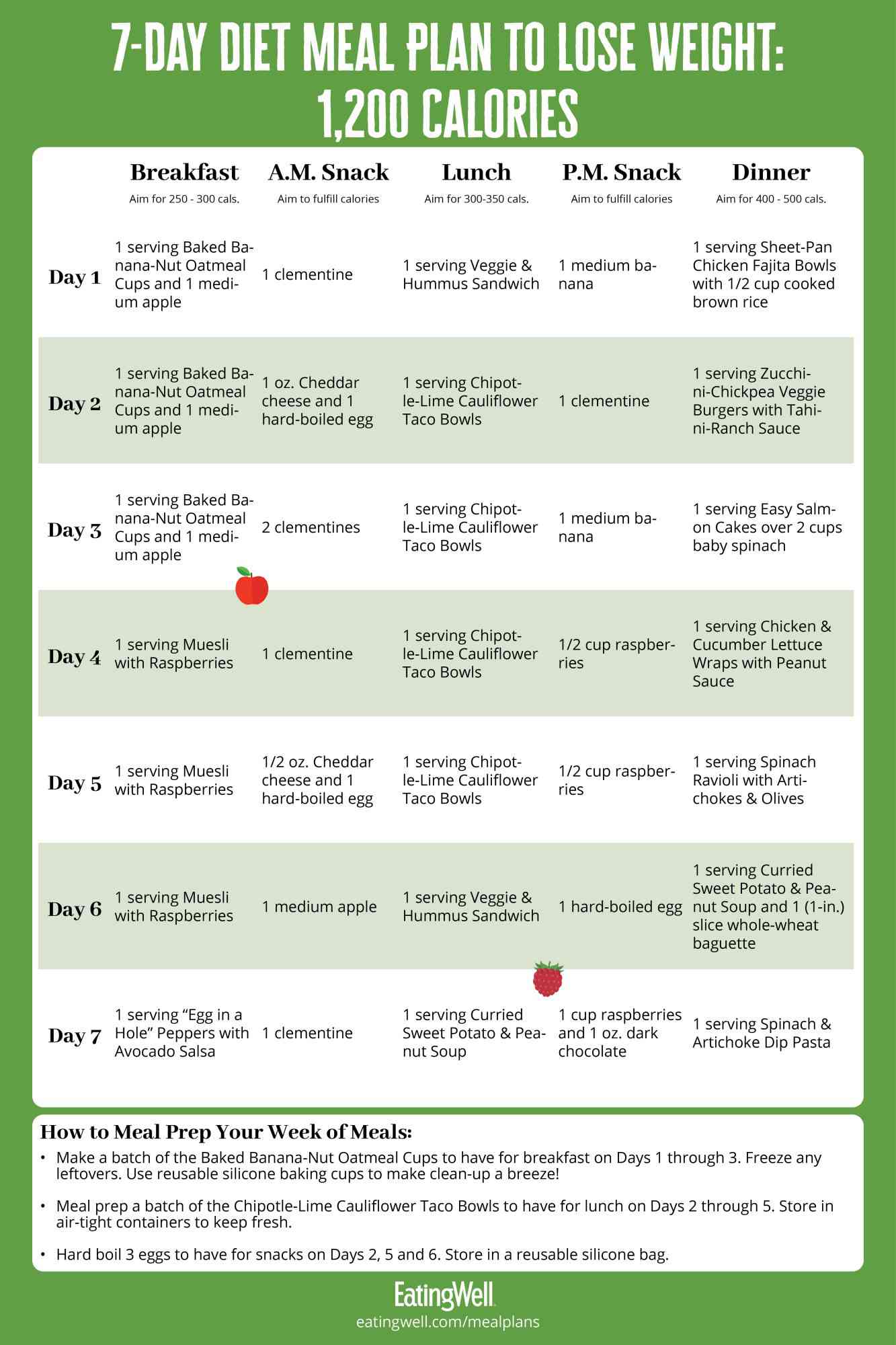
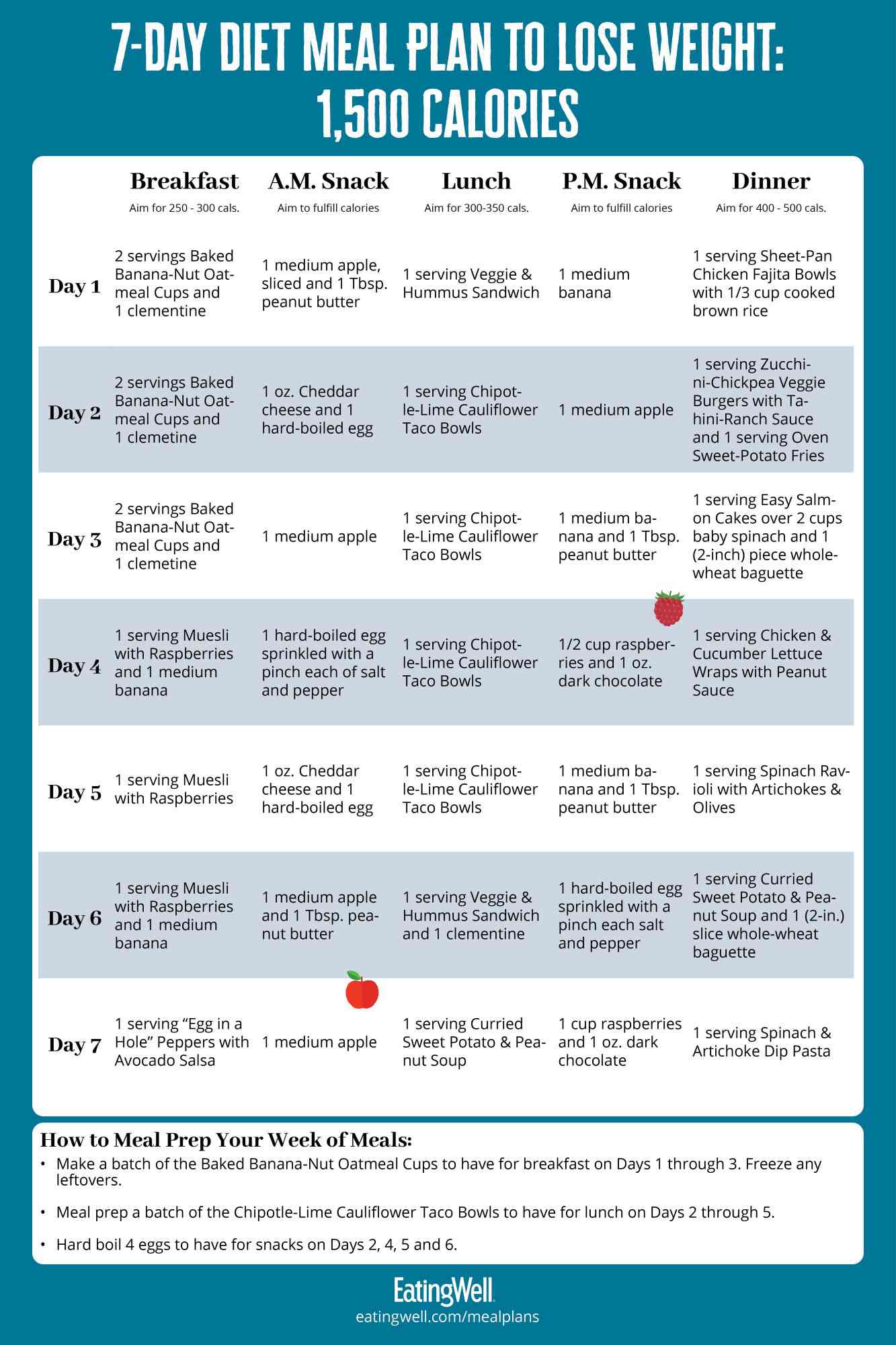
When designing a meal plan for weight loss, it’s important to distribute your calorie intake throughout the day. Aim for three balanced meals and two to three healthy snacks to keep your metabolism active and prevent overeating. By spacing out your meals and snacks, you can maintain stable energy levels and avoid cravings.
Balancing Meals and Snacks
Each meal and snack should consist of a balance of macronutrients. Include protein, carbohydrates, and healthy fats in each meal to keep you feeling satisfied and provide your body with the necessary nutrients. Snacks should be nutrient-dense and portion-controlled to prevent excessive calorie consumption.
Planning Your Shopping List
To create a successful meal plan, it’s essential to plan your shopping list in advance. Take time to choose recipes and identify the ingredients needed. Incorporate a variety of fruits, vegetables, lean proteins, whole grains, and healthy fats into your list. By having a well-planned shopping list, you can avoid impulse purchases and ensure you have everything on hand to prepare nutritious meals.
Meal Prepping for Convenience
Meal prepping can be a game-changer when it comes to sticking to a healthy meal plan. Set aside some time each week to prepare and portion your meals in advance. This not only saves time but also ensures that you have nutritious meals readily available, even on busy days. Invest in storage containers and plan your meals in a way that works best for your schedule and preferences.
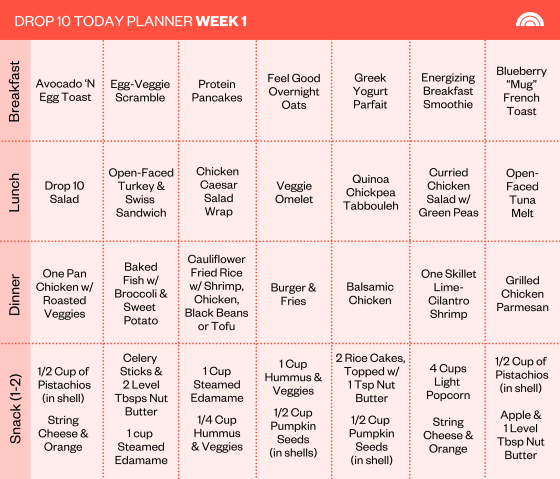
Daily Meal Plan Sample
Breakfast
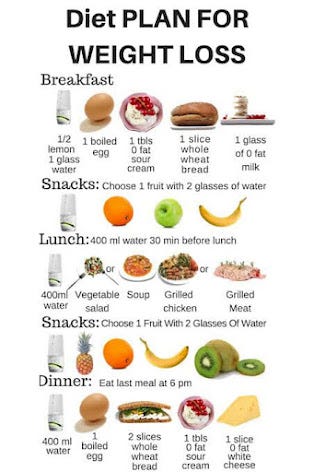
Start your day with a nutritious breakfast that includes a balance of protein, whole grains, and fruits. For example, you could have a spinach and mushroom omelet with whole grain toast and a side of berries.
Morning Snack
For your mid-morning snack, opt for a protein-rich option like Greek yogurt with a sprinkle of nuts and a drizzle of honey.
Lunch
Enjoy a satisfying lunch that combines lean protein, whole grains, and vegetables. A grilled chicken breast salad with mixed greens, quinoa, cherry tomatoes, and avocado makes a delicious and nutritious option.
Afternoon Snack
Keep hunger at bay by having a balanced snack, such as carrot sticks with hummus or a small handful of almonds and a piece of fruit.
Dinner
For dinner, focus on lean protein, non-starchy vegetables, and a healthy carbohydrate source. For example, grilled salmon with roasted vegetables and a side of brown rice provides a well-rounded and tasty meal.
Evening Snack
End your day with a light and healthy snack, such as a cup of herbal tea with a few whole grain crackers or a small serving of low-fat cottage cheese with some sliced fruits.
Incorporating Exercise
Importance of Exercise for Weight Loss
While diet plays a significant role in weight loss, incorporating exercise can further enhance your results. Exercise increases your daily calorie expenditure, builds lean muscle mass, and improves overall fitness. It can also boost your mood and increase your motivation to stick to your weight loss journey.
Determining the Right Type of Exercise
The right type of exercise depends on your preferences, fitness level, and any underlying health conditions. Whether it’s brisk walking, jogging, cycling, swimming, dancing, or weightlifting, find an activity that you enjoy and can consistently engage in. This will make it easier to stay committed to your exercise routine.
Combining Cardio and Strength Training
A balanced exercise routine incorporates both cardiovascular exercise and strength training. Cardio exercises, such as jogging or cycling, help burn calories and improve cardiovascular health. On the other hand, strength training, which includes exercises like weightlifting or bodyweight exercises, helps build and maintain muscle mass, which enhances fat burning and supports long-term weight loss.
Creating a Workout Schedule
To ensure consistency in your exercise routine, create a workout schedule that aligns with your daily activities and preferences. Aim for at least 150 minutes of moderate-intensity aerobic exercise or 75 minutes of vigorous-intensity aerobic exercise per week, along with two or more days of strength training. Plan your workouts ahead of time and treat them as essential appointments to prioritize your health and weight loss goals.
Maintaining Motivation
Keeping Track of Progress
Keeping track of your progress is crucial for staying motivated. Take measurements, weigh yourself regularly, and track your food intake and exercise. Celebrate small victories along the way, such as fitting into a smaller clothing size or completing a challenging workout. Seeing your progress on paper can provide a sense of accomplishment and keep you motivated to continue your weight loss journey.
Seeking Support from Others
Weight loss can be challenging, but having a support system can make a significant difference. Share your goals with friends and family, join online communities or weight loss groups, or even consider seeking professional guidance from a registered dietitian or personal trainer. Surrounding yourself with supportive individuals who understand and encourage your efforts can boost your motivation and keep you on track.
Rewarding Yourself
Rewarding yourself for reaching milestones can be a fantastic way to stay motivated. However, it’s important to choose non-food rewards to avoid derailing your progress. Treat yourself to a spa day, buy yourself a new workout outfit, or plan a fun outing with friends. These rewards will reinforce positive behaviors and make the weight loss journey more enjoyable.
Staying Consistent
Consistency is key when it comes to weight loss. Establish healthy habits and incorporate them into your daily routine. Stick to your meal plan, exercise regularly, prioritize sleep, and manage stress. Remember that small, consistent actions over time lead to significant results. Embrace the lifestyle changes you’ve made and stay committed to them for long-term success.
Dealing with Setbacks
Setbacks are a natural part of any weight loss journey. It’s essential to approach setbacks with resilience and a positive mindset. Instead of getting discouraged, learn from any slip-ups and use them as an opportunity to refine your approach. Remember that weight loss is a marathon, not a sprint, and setbacks can ultimately make you stronger and more determined to reach your goals.
Monitoring and Adjusting
Weighing Yourself Regularly
Weighing yourself regularly can help monitor your progress and provide valuable feedback. However, it’s important to remember that weight can fluctuate daily due to various factors such as water retention or muscle gain. Focus on long-term trends rather than day-to-day fluctuations. Aim to weigh yourself once a week, preferably under consistent conditions, such as in the morning after using the bathroom.
Tracking Food Intake and Exercise
Keeping a food journal or using a tracking app can be immensely helpful in monitoring your food intake and exercise. Log each meal and snack, including portion sizes and ingredients. Additionally, record your exercise sessions, including the type of exercise, duration, and intensity. This tracking can help you identify patterns, pinpoint areas for improvement, and ensure you’re staying on track with your weight loss goals.
Making Necessary Adjustments
As you progress on your weight loss journey, you may need to make adjustments to your meal plan and exercise routine. Plateaus can occur when your body adapts to the changes, leading to a stall in weight loss. If you’re continuously following your plan but not seeing results, consider consulting a healthcare professional or registered dietitian who can provide personalized guidance and help you make the necessary adjustments.
Tips and Considerations
Staying Hydrated
Drinking enough water throughout the day is crucial for weight loss. Water helps boost metabolism, curb appetite, and regulate body temperature. Aim to drink at least eight glasses of water per day. You can also include other hydrating options like herbal tea or infused water for variety.
Limiting Added Sugars
Added sugars can contribute excess calories to your diet without providing much nutritional value. Limit sugary beverages, processed snacks, and desserts. Instead, choose whole fruits for natural sweetness and opt for healthier alternatives like stevia or natural sweeteners for your beverages and recipes.
Avoiding Processed Foods
Processed foods are often high in unhealthy fats, added sugars, and sodium, making them detrimental to weight loss efforts. Focus on whole, unprocessed foods that provide nutrients and fiber while keeping you satisfied. Choose fresh fruits and vegetables, lean proteins, whole grains, nuts, and seeds.
Managing Stress Levels
Chronic stress can hinder weight loss progress. Find healthy ways to manage stress, such as practicing mindfulness, engaging in hobbies, exercising, or seeking support from a therapist or counselor. By managing stress effectively, you can avoid emotional eating and stay on track with your weight loss goals.
Getting Enough Sleep
Adequate sleep is crucial for weight loss. Lack of sleep can disrupt hormones that regulate appetite, leading to increased cravings and a higher likelihood of overeating. Aim for seven to nine hours of quality sleep each night. Establish a consistent sleep routine and create a sleep-friendly environment to promote restful sleep.
Consulting a Healthcare Professional
If you have any underlying health conditions or significant weight loss goals, it’s advisable to consult a healthcare professional or registered dietitian. They can provide personalized guidance based on your unique needs and ensure you’re following a safe and effective weight loss plan.
Potential Risks and Precautions
Avoiding Extremely Low-Calorie Diets
Extreme calorie restriction can lead to nutrient deficiencies, muscle loss, and a slowed metabolism. Avoid crash diets or extremely low-calorie diets. Instead, focus on creating a balanced and sustainable meal plan that supports weight loss while providing all the necessary nutrients your body needs.
Watching out for Nutrient Deficiencies
Weight loss diets can sometimes lead to nutrient deficiencies if not properly planned. Ensure you’re getting a variety of nutrient-dense foods and consider taking a multivitamin or specific supplements under the guidance of a healthcare professional to meet your nutrient needs.
Listening to Your Body
It’s important to listen to your body throughout your weight loss journey. Pay attention to hunger and fullness cues to avoid excessive calorie restriction or overeating. If you experience any persistent negative symptoms, such as extreme fatigue, dizziness, or disordered eating patterns, seek guidance from a healthcare professional.
Conclusion
Consistency is key when it comes to weight loss. By understanding the basic principle of weight loss, designing a balanced diet, creating a meal plan, incorporating exercise, maintaining motivation, monitoring progress, and making necessary adjustments, you can achieve your weight loss goals while embracing a healthy lifestyle. Remember to be patient with yourself, embrace long-term changes, and celebrate your successes along the way. With dedication and perseverance, you can create a healthier, happier you.