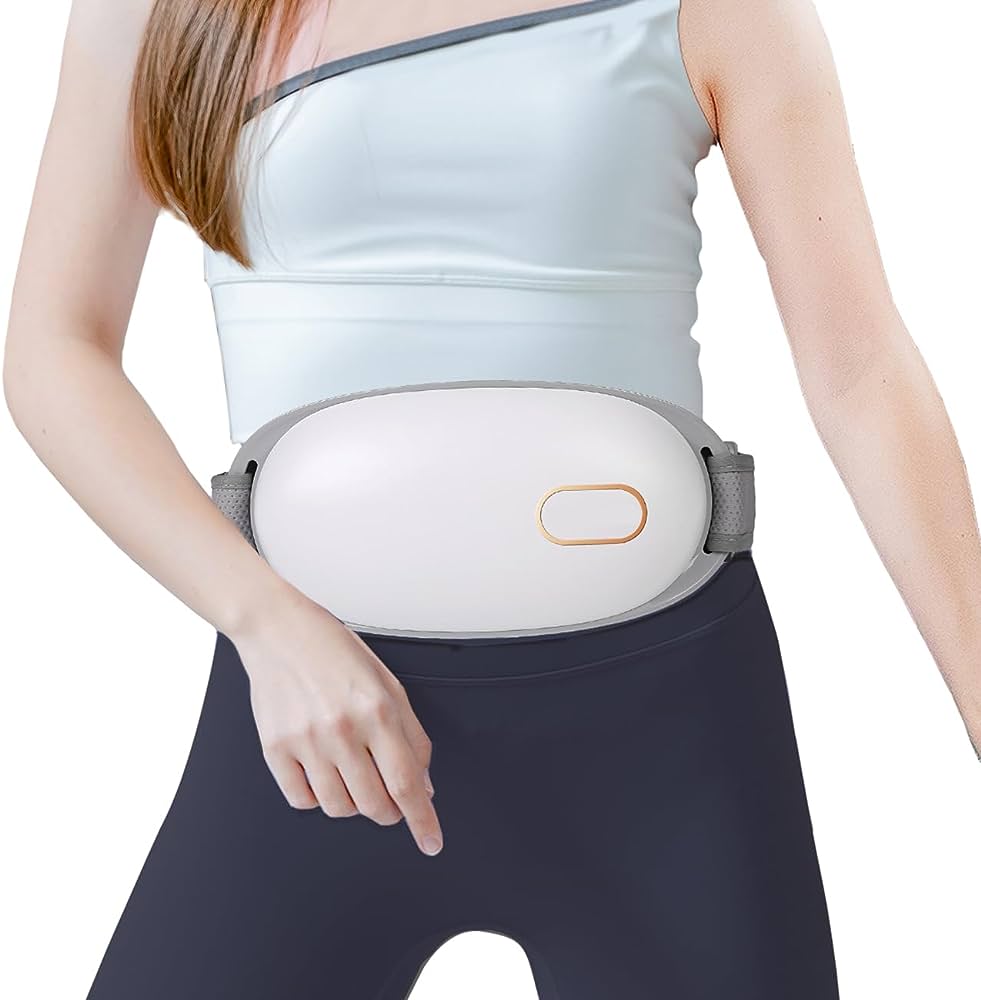
If you’re looking for a simple and effective way to shed those extra pounds, look no further than the Weight Loss Belt. This remarkable product is designed to help you reach your weight loss goals by targeting specific areas of your body. Just strap it on and let the belt do the work for you. Say goodbye to tedious workouts and restrictive diets, and hello to a slimmer, more confident you. Get ready to revolutionize your weight loss journey with the Weight Loss Belt.
1. What is a Weight Loss Belt?
1.1 Definition
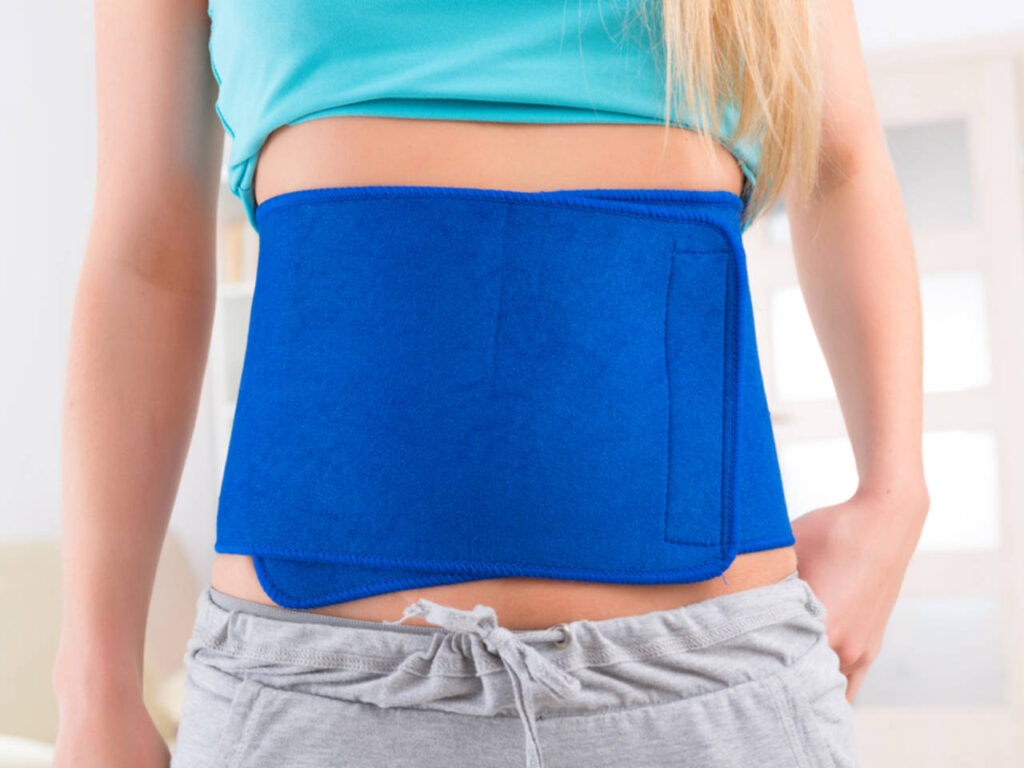
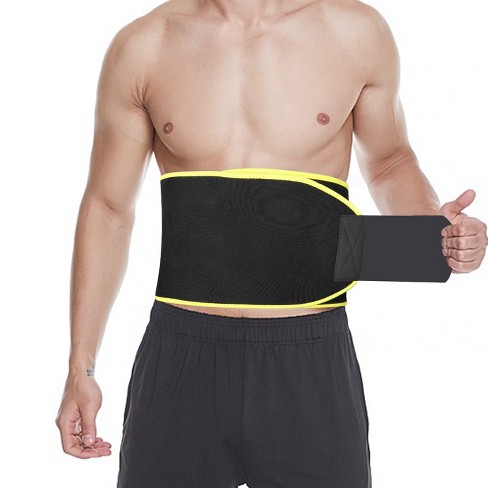
A weight loss belt, also known as a waist trimmer or slimming belt, is a type of fitness accessory designed to aid in weight loss and body toning. It is typically made of neoprene or similar materials and worn around the waist. The belt is secured with a Velcro closure and can be easily adjusted to fit different body sizes.
1.2 Functionality
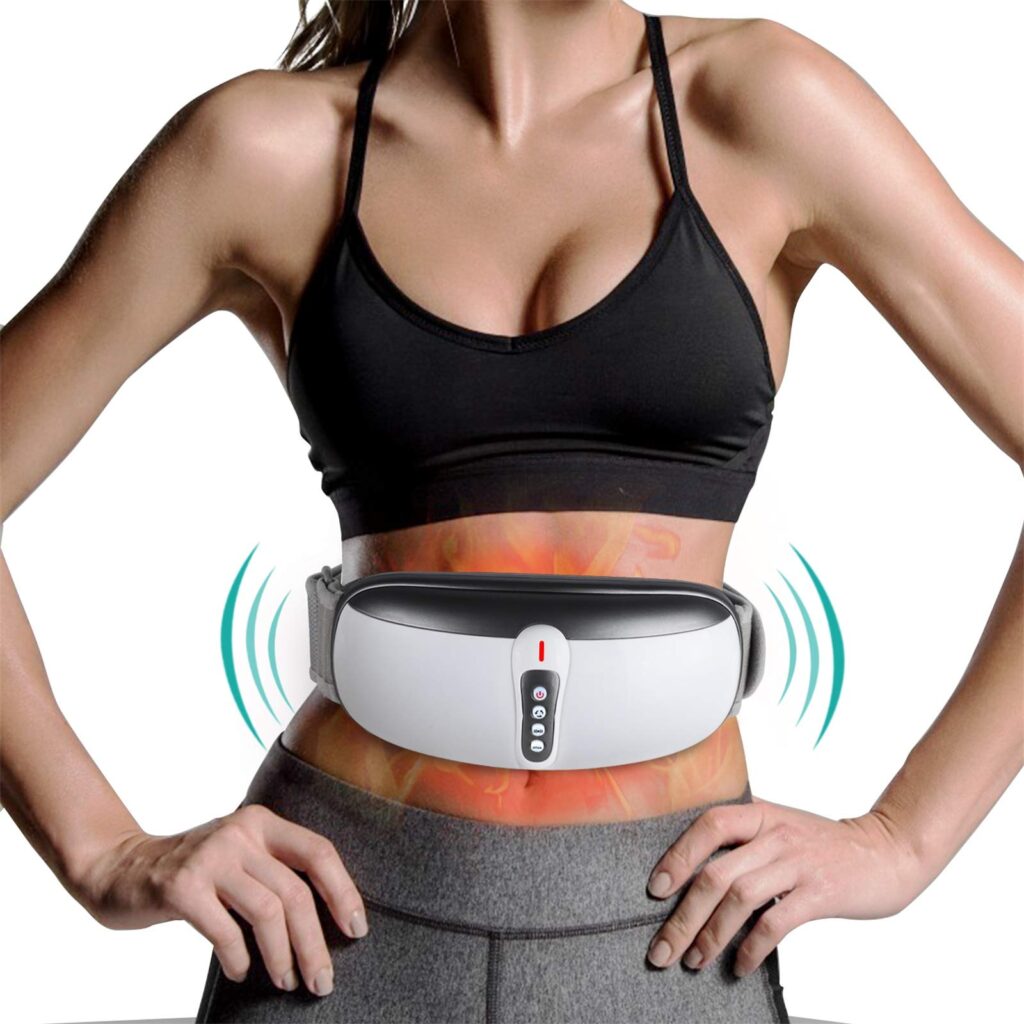
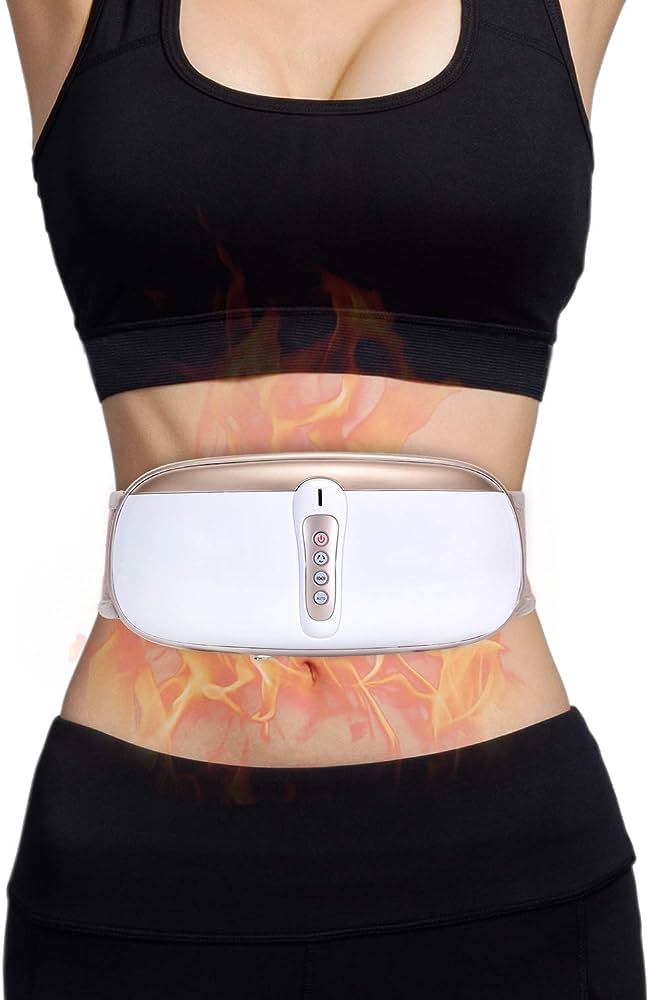
The primary function of a weight loss belt is to create heat and compression around the midsection. This heat and compression can increase sweating and stimulate thermogenesis, which is the process of generating heat in the body. The belt is usually worn during exercise or daily activities to maximize its effectiveness.
1.3 Common Types
There are various types of weight loss belts available in the market today. Some belts are designed to cover the entire midsection, while others target specific areas such as the abdomen or lower back. Additionally, some belts have additional features like built-in waist trainers or vibrating mechanisms to enhance their effectiveness.
2. How Does a Weight Loss Belt Work?
2.1 The Role of Compression
One of the key ways in which weight loss belts work is through compression. When the belt is tightly wrapped around the waist, it creates pressure on the abdominal area. This pressure can help to reduce bloating and water retention, giving the appearance of a slimmer waistline. Additionally, the compression can provide support to the core muscles, which can improve posture and stability during workouts.
2.2 Increased Sweating
Weight loss belts are also believed to increase sweating in the abdominal area. The neoprene material traps heat and retains moisture, creating a sauna-like effect. This increased sweating can lead to temporary weight loss through the loss of water weight. However, it’s important to note that this weight loss is not a true representation of fat loss and is easily regained once fluid levels are replenished.
2.3 Water Weight Loss
As mentioned earlier, weight loss belts can lead to the loss of water weight. This can be beneficial for individuals looking to quickly shed a few pounds for a special occasion or event. However, it’s important to understand that this weight loss is not sustainable and does not result in long-term fat loss. To achieve sustainable weight loss, a combination of a balanced diet, regular exercise, and lifestyle changes is necessary.
3. Benefits of Using a Weight Loss Belt
3.1 Targeted Fat Loss
One of the main benefits often associated with weight loss belts is the idea of targeted fat loss. It is commonly believed that by wearing the belt around the waist, it will specifically reduce fat in that area. However, it’s important to note that spot reduction is not supported by scientific evidence. Fat loss occurs throughout the body as a whole, and no single exercise or product can target fat loss in a specific area.
3.2 Improved Posture and Core Stability
Wearing a weight loss belt can provide support to the core muscles, which can help improve posture and stability during workouts. The compression and added support can also remind individuals to engage their core muscles while performing exercises, leading to better form and reduced risk of injury.
3.3 Appetite Suppression
Some individuals find that wearing a weight loss belt can help suppress their appetite. The compression and heat generated by the belt can create a feeling of fullness and reduce cravings. However, it’s important to note that this effect may vary among individuals, and relying solely on a weight loss belt for appetite control is not recommended. A balanced diet and mindful eating practices are crucial for long-term weight management.
3.4 Temporary Waistline Reduction
Due to the compression and pressure created by weight loss belts, individuals may experience a temporary reduction in waistline size. This can be particularly appealing for those who want to fit into a specific outfit for a special occasion. However, it’s important to understand that this reduction is temporary and not indicative of permanent fat loss. The waistline will return to its original size once the belt is removed.
4. Factors to Consider Before Using a Weight Loss Belt
4.1 Health Conditions or Injuries
Before using a weight loss belt or any fitness accessory, it is essential to consider your overall health condition and any existing injuries. If you have any underlying medical conditions or injuries, it is advisable to consult with a healthcare professional before using a weight loss belt. They can provide personalized advice based on your specific situation.
4.2 Realistic Expectations
It’s important to have realistic expectations when using a weight loss belt. While the belt may provide temporary cosmetic benefits and support during workouts, it is not a magical solution for achieving long-term weight loss. Sustainable weight loss requires a comprehensive and holistic approach that includes a balanced diet, regular exercise, and lifestyle modifications.
4.3 Proper Fit
To maximize the effectiveness and comfort of a weight loss belt, it is crucial to ensure a proper fit. The belt should fit snugly around the waist without being too tight or restrictive. It should be adjustable to accommodate different body sizes. Before purchasing a weight loss belt, refer to the manufacturer’s size guide to determine the appropriate size for your waist measurement.
4.4 Potential Discomfort
Some individuals may experience discomfort or skin irritation when wearing a weight loss belt. This can be due to the neoprene material or the tightness of the belt. If you experience any discomfort or allergic reactions, it is advisable to discontinue use and consult with a healthcare professional.
4.5 Long-Term Results
Weight loss belts are not a long-term solution for achieving sustainable weight loss. While they may provide temporary benefits such as water weight loss and waistline reduction, these effects are short-lived. To achieve long-term weight loss and maintain a healthy weight, it is essential to focus on a balanced diet, regular exercise, and lifestyle changes.
5. Potential Risks and Side Effects
5.1 Dehydration and Electrolyte Imbalance
The increased sweating caused by weight loss belts can lead to dehydration and electrolyte imbalances in some individuals. It is important to stay hydrated by drinking plenty of water before, during, and after wearing the belt. Additionally, replenishing electrolytes by consuming foods or drinks containing electrolytes can help maintain a healthy balance.
5.2 Skin Irritation
The neoprene material used in weight loss belts can cause skin irritation in some individuals, particularly those with sensitive skin. To minimize the risk of skin irritation, it is recommended to wear a thin layer of clothing underneath the belt and to clean and dry the skin thoroughly after use. If persistent skin irritation occurs, it is advisable to discontinue use and consult with a healthcare professional.
5.3 Breathing and Circulation Issues
Wearing a weight loss belt that is too tight or for an extended period can potentially lead to breathing difficulties or hinder proper circulation. It is important to ensure that the belt is not overly tight and to limit usage time as recommended by the manufacturer. If you experience any difficulties in breathing or notice any changes in circulation, remove the belt immediately and seek medical attention if necessary.
5.4 Muscle Weakness
Relying solely on a weight loss belt for abdominal support during exercise can result in muscle weakness. The belt provides external support to the core muscles, which may lead to reduced activation and strengthening of these muscles over time. To maintain overall core strength, it is important to perform exercises that target the abdominal muscles without relying solely on the belt.
5.5 Dependency and Lack of Exercise
Using a weight loss belt as a primary method for weight loss without incorporating exercise and a balanced diet can lead to dependency and lack of progress. It’s important to view weight loss belts as a tool to supplement a comprehensive weight loss plan and not as a sole solution. Regular exercise and a healthy diet are essential for achieving sustainable weight loss.
6. Tips for Using a Weight Loss Belt Safely and Effectively
6.1 Stay Hydrated
To prevent dehydration while wearing a weight loss belt, it is important to stay hydrated by drinking plenty of water. Aim to drink at least 8 glasses of water per day, and increase intake when engaging in physical activities or wearing the belt for an extended period. Hydration is crucial for maintaining overall health and well-being.
6.2 Limit Usage Time
Weight loss belts should not be worn for extended periods. It is recommended to follow the manufacturer’s guidelines for usage time. Typically, 30 to 60 minutes of wear during exercise sessions is sufficient. Wearing the belt for longer durations may lead to discomfort, skin irritation, and potential health risks.
6.3 Listen to Your Body
Pay attention to how your body responds to wearing a weight loss belt. If you experience any discomfort, skin irritation, breathing difficulties, or circulation issues, it is important to remove the belt or adjust it accordingly. Each individual may have different tolerances and needs, so it’s crucial to prioritize your comfort and well-being.
6.4 Pair with Exercise and Balanced Diet
Maximize the benefits of a weight loss belt by incorporating regular exercise and a balanced diet into your weight loss journey. The belt should be viewed as a complement to these healthy lifestyle choices. Engaging in cardiovascular exercises, strength training, and consuming a nutritious diet will provide long-term and sustainable results.
6.5 Choose a Reputable Brand
When purchasing a weight loss belt, it is important to choose a reputable brand. Look for belts that are made with high-quality materials, adjustable for different waist sizes, and have positive customer reviews. Investing in a well-designed and reliable product can ensure optimal safety, effectiveness, and durability.
7. Frequently Asked Questions (FAQs)
7.1 Are Weight Loss Belts Effective?
Weight loss belts may provide temporary benefits such as water weight loss and waistline reduction, but they are not a long-term solution for achieving sustainable weight loss. To achieve lasting results, a combination of regular exercise, a balanced diet, and lifestyle changes is necessary.
7.2 Can Weight Loss Belts Spot Reduce Belly Fat?
No, weight loss belts cannot spot reduce belly fat. Fat loss occurs throughout the body as a whole and cannot be targeted to a specific area. To reduce belly fat, a overall body fat reduction is required, which can be achieved through a combination of exercise, diet, and lifestyle changes.
7.3 How Often Should I Use a Weight Loss Belt?
The usage frequency of a weight loss belt varies depending on the individual and their fitness goals. It is generally recommended to use the belt during exercise sessions for 30 to 60 minutes. However, it’s important to listen to your body and not rely solely on the belt for weight loss. A well-rounded approach that includes exercise, diet, and lifestyle modifications is key for long-term success.
7.4 Are Weight Loss Belts Suitable for Everyone?
Weight loss belts may not be suitable for everyone, especially those with underlying health conditions or injuries. It is important to consult with a healthcare professional before using a weight loss belt, particularly if you have any existing medical conditions or injuries. They can provide personalized advice based on your specific situation.
7.5 Can I Wear a Weight Loss Belt While Exercising?
Yes, weight loss belts are designed to be worn during exercise sessions. The compression and support provided by the belt can help improve posture, stability, and sweat stimulation during workouts. However, it is important to follow manufacturer guidelines for usage time and to listen to your body for any signs of discomfort or strain.
8. Conclusion
Weight loss belts can be a useful tool for individuals looking to enhance their weight loss efforts and improve core stability. While they may provide temporary benefits such as water weight loss and waistline reduction, it is important to understand that they are not a substitute for a balanced diet, regular exercise, and lifestyle changes. Using a weight loss belt should be done with caution, taking into consideration factors such as health conditions, proper fit, and potential risks. By following safety guidelines, listening to your body, and adopting a holistic approach to weight loss, you can achieve sustainable results and maintain a healthy lifestyle.