Losing weight is a goal that many of us aspire to achieve, but the idea of strict diets often turns us off from even trying. However, what if you could shed those extra pounds without having to follow a restrictive diet? In this article, we will explore some simple and effective methods to help you lose weight fast without the need for a traditional diet. By making small but significant changes to your lifestyle, you can achieve your weight loss goals in a sustainable and enjoyable way. Say goodbye to diets and hello to a healthier you!


Reframe Your Mindset and Goals
Focus on overall health instead of just weight loss
When it comes to losing weight, it’s important to shift your focus from solely numbers on the scale to your overall health and well-being. Instead of being fixated on losing a certain amount of pounds, think about the benefits that a healthier lifestyle will bring to your life. By adopting a holistic approach and prioritizing overall health, you’ll not only achieve sustainable weight loss but also enhance your mental and physical wellness.
Set realistic and achievable weight loss goals
Setting realistic and achievable weight loss goals is crucial to your success. Instead of aiming for dramatic weight loss within a short period, focus on losing weight gradually. Losing one to two pounds per week is a healthy and achievable goal. By setting smaller targets, you’ll feel a sense of accomplishment when you reach them, which will keep you motivated and inspired to continue on your weight loss journey.
Find your motivation and reason for wanting to lose weight
Discovering your motivation and reason for wanting to lose weight is essential to stay dedicated and committed throughout the process. Whether it’s improving your health, boosting your self-confidence, fitting into that favorite pair of jeans, or setting a positive example for your loved ones, identify what drives you and keep that motivation at the forefront of your mind. This will serve as a powerful reminder of why you started and help you stay focused when faced with challenges.
Adopt Healthy Eating Habits
Eat a balanced and nutritious diet
Adopting healthy eating habits is a key component of successful weight loss. Instead of following restrictive diets, focus on eating a balanced and nutritious diet. Include a variety of whole foods such as fruits, vegetables, lean proteins, whole grains, and healthy fats. Prioritize foods that are rich in vitamins, minerals, and fiber, which will keep you feeling satisfied and nourished. By nourishing your body with wholesome foods, you’ll not only support your weight loss efforts but also enhance your overall health.
Portion control is key
One of the most effective strategies for weight loss is practicing portion control. Be mindful of your serving sizes and listen to your body’s hunger and fullness cues. Avoid eating until you feel stuffed and instead aim to stop eating when you feel comfortably satisfied. Using smaller plates and bowls, measuring out portions, and being mindful of calorie-dense foods can help you maintain control over your portion sizes. By practicing portion control, you can enjoy a wide variety of foods while still making progress towards your weight loss goals.
Limit or avoid processed and sugary foods
Processed and sugary foods can hinder your weight loss progress and negatively impact your overall health. These foods are often high in added sugars, unhealthy fats, and empty calories. Opt for whole, unprocessed foods instead. Limit your consumption of sugary snacks, desserts, sodas, and processed snacks. Instead, choose nutrient-dense foods that will nourish your body and support your weight loss efforts.
Increase your intake of fruits and vegetables
Fruits and vegetables are not only low in calories but also packed with essential nutrients. By increasing your intake of these nutritious foods, you can support weight loss while ensuring your body receives the vitamins, minerals, and antioxidants it needs. Aim to include a variety of colors in your fruit and vegetable choices to maximize your nutrient intake. Incorporate them into your meals and snacks, and consider experimenting with new flavors and recipes to keep things interesting and satisfying.
Stay hydrated by drinking enough water
Proper hydration is essential for overall health and weight loss. Drinking an adequate amount of water can help control appetite, boost metabolism, and support digestion. Aim to drink at least eight glasses of water per day, or more if you engage in physical activity or live in a hot climate. Carry a water bottle with you wherever you go, and try infusing it with fruits or herbs for added flavor. Staying hydrated will not only support your weight loss efforts but also enhance your energy levels and promote optimal health and well-being.

Incorporate Regular Physical Activity
Choose activities you enjoy
Incorporating regular physical activity into your lifestyle is vital for weight loss and overall health. The key is to choose activities that you genuinely enjoy. Whether it’s walking, swimming, dancing, cycling, or playing a sport, finding something you love will make it easier to stay committed and consistent. If you’re not sure where to start, try different activities until you find one that brings you joy and makes you feel energized.
Start with small steps and gradually increase intensity and duration
When starting a new exercise routine, it’s important to begin with small steps and gradually increase the intensity and duration of your workouts. Pushing yourself too hard too soon can lead to burnout or injury, making it difficult to stay on track. Start with shorter sessions of moderate-intensity exercises, such as brisk walking or light jogging, and gradually build up your fitness level over time. Listen to your body, and if you need to rest or take a break, listen to that signal as well.
Find opportunities to be active throughout the day
In addition to structured workouts, finding ways to be active throughout the day can significantly contribute to your weight loss goals. Take the stairs instead of the elevator, go for a walk during your lunch break, or incorporate short bursts of activity, such as jumping jacks or squats, while watching TV. These small lifestyle changes can add up and make a difference in your overall calorie expenditure.
Combine cardiovascular exercises with strength training
To maximize your weight loss efforts and promote overall fitness, it’s important to combine cardiovascular exercises with strength training. Cardiovascular exercises like running, swimming, or cycling burn calories and increase your heart rate, while strength training exercises like lifting weights or doing bodyweight exercises build lean muscle mass. Muscle mass contributes to a higher metabolism, meaning you burn more calories even at rest. Incorporating both types of exercises into your routine will help you achieve optimal results.
Include flexibility and stretching exercises
Flexibility and stretching exercises should not be overlooked in your weight loss journey. These exercises improve joint mobility, prevent injuries, and promote overall flexibility. Consider incorporating activities like yoga or Pilates into your routine to enhance your flexibility, balance, and mind-body connection. Stretching exercises can also help alleviate muscle soreness and improve recovery after workouts. Prioritizing flexibility will contribute to your overall well-being and support your physical fitness goals.
Manage Stress Levels
Identify and address sources of stress
Managing stress plays a crucial role in weight loss and overall well-being. Take time to identify and address the sources of stress in your life. Whether it’s work-related, personal relationships, or daily responsibilities, finding strategies to cope with stress is essential. Consider talking to a therapist or counselor who can provide guidance and support. By addressing and managing stress, you can prevent emotional eating and maintain a healthy mindset throughout your weight loss journey.
Practice relaxation techniques such as deep breathing and meditation
Incorporating relaxation techniques into your daily routine can help you manage stress and promote emotional well-being. Deep breathing exercises and meditation are powerful tools that can calm your mind, reduce anxiety, and increase self-awareness. Take a few minutes each day to practice deep breathing, focusing on inhaling and exhaling deeply. Meditation can also be done by finding a quiet, comfortable spot, closing your eyes, and focusing on your breath or using guided meditation apps or videos.
Engage in activities that help you unwind and relax
Engaging in activities that help you unwind and relax is crucial for maintaining a balanced and healthy lifestyle. Find hobbies or activities that bring you joy and help you disconnect from your daily stressors. Whether it’s reading, listening to music, gardening, taking a bath, or spending time in nature, make time for these activities in your schedule. By prioritizing self-care and relaxation, you’ll reduce stress levels, enhance your mood, and support your weight loss journey.
Get enough quality sleep
Sleep is often overlooked when it comes to weight loss, but it’s essential for optimal health and well-being. Aim to get at least seven to eight hours of quality sleep each night. Establish a consistent sleep schedule by going to bed and waking up at the same time each day, even on weekends. Create a relaxing bedtime routine to signal your body that it’s time to unwind and prepare for sleep. Avoid screens and stimulating activities before bed, and ensure your sleep environment is comfortable, dark, and cool. Quality sleep will not only support your weight loss efforts but also improve your mood, energy levels, and cognitive function.

Get Support and Accountability
Join a support group or find a weight loss buddy
Having a support system can significantly impact your weight loss journey. Joining a support group or finding a weight loss buddy who shares similar goals can provide accountability, motivation, and encouragement. Connect with people who understand the challenges and triumphs of losing weight, and lean on each other for support. Share experiences, tips, and strategies, and celebrate each other’s milestones along the way. Remember, you’re not alone on this journey, and having someone to share it with can make all the difference.
Share your goals and progress with friends and family
Sharing your weight loss goals and progress with friends and family can provide additional support and motivation. By letting others know about your aspirations, you’ll receive encouragement and perhaps even find others who are interested in joining you on your journey. Sharing your progress, whether it’s through conversations or social media, can also hold you accountable and help you stay focused on your goals.
Consider working with a professional such as a dietitian or personal trainer
If you want additional guidance and expertise, consider working with a professional such as a dietitian or personal trainer. These professionals can offer personalized advice, create meal plans tailored to your needs, and develop exercise routines that are safe and effective. They can provide valuable insight, answer your questions, and help you navigate any challenges that arise during your weight loss journey. Having professional support can enhance your chances of success and ensure that you’re implementing the best strategies for your individual needs.
Track your food intake and exercise using apps or journals
Tracking your food intake and exercise can help you stay accountable and provide valuable insights into your progress. Use apps or journals to record what you eat, including portion sizes, and track your daily physical activity. This will give you a better understanding of your calorie intake, nutrient balance, and exercise habits. You can also identify patterns or triggers that may hinder your weight loss progress. By tracking your habits, you can make adjustments as needed and stay on track towards reaching your goals.
Make Sustainable Lifestyle Changes
Focus on long-term habits rather than quick fixes
Instead of searching for quick fixes or short-term solutions, focus on making sustainable lifestyle changes. Weight loss is not just about reaching a specific number on the scale; it’s about adopting healthy habits that will benefit you in the long run. Understand that changing your lifestyle takes time, and be patient with yourself. Embrace the process of learning and implementing new habits, and trust that the results will follow. By prioritizing long-term habits, you’ll not only achieve weight loss but also create a foundation for a healthier and happier life.
Create a meal plan and grocery list
Meal planning and creating a grocery list can significantly simplify and support your weight loss efforts. Plan your meals for the upcoming week, considering your nutritional needs, preferences, and schedule. Choose recipes that are balanced, nutritious, and enjoyable. Once you’ve planned your meals, create a detailed grocery list to ensure you have all the ingredients you need. This will help you avoid spontaneous and unhealthy food choices during the week and will save you time and stress when it comes to meal preparation.
Cook at home more often
Cooking at home allows you to have full control over your ingredients and portion sizes, making it easier to make healthier choices. Instead of relying on takeout or processed convenience foods, prioritize cooking homemade meals. Experiment with new recipes and ingredients to keep things interesting. Get creative in the kitchen and involve your family or friends in the cooking process. Cooking at home not only supports your weight loss goals but also promotes a stronger connection with your food and a greater appreciation for the nutritional value it provides.
Make healthier choices when dining out
Eating out doesn’t have to sabotage your weight loss efforts. When dining out, make healthier choices by opting for menu items that are grilled, steamed, or baked instead of fried or sautéed. Choose dishes that include plenty of vegetables, lean proteins, and whole grains. Practice portion control by asking for a smaller portion or saving half of your meal for later. Additionally, consider sharing a meal with a friend or family member to reduce the portion size. Be mindful of sauces, dressings, and beverages that may add unnecessary calories, and opt for healthier alternatives.
Find healthier alternatives for your favorite unhealthy foods
Depriving yourself of your favorite unhealthy foods can lead to feelings of restriction and ultimately set you up for failure. Instead, find healthier alternatives for these foods. For example, if you love pizza, consider making homemade pizzas using whole wheat crust, lean proteins, and plenty of vegetables. If you have a sweet tooth, opt for natural sweeteners like stevia or dates instead of refined sugars. By finding healthier alternatives, you can still enjoy your favorite treats in a more nutritious way, without derailing your weight loss progress.
Stay Consistent and Persistent
Stick to your plan even when facing challenges or setbacks
It’s normal to face challenges or setbacks during your weight loss journey, but what’s important is how you respond to them. Stay consistent and committed to your plan, even when things feel difficult. Remember your motivation and the reasons why you started this journey. If you have a setback, acknowledge it, learn from it, and use it as an opportunity for growth. Don’t let setbacks derail you completely. Instead, use them as stepping stones towards progress and stay focused on your long-term goals.
Celebrate small victories along the way
Weight loss is a journey filled with moments of achievement and progress. Celebrate every small victory along the way. Whether it’s fitting into a smaller clothing size, reaching a new milestone in your exercise routine, or receiving compliments on your progress, take the time to acknowledge and celebrate these achievements. Rewarding yourself for your hard work will reinforce positive behavior and keep you motivated to continue making healthy choices.
Don’t get discouraged by slow progress
Weight loss is not a linear process, and progress can often be slow. It’s important not to get discouraged by this. Remember that sustainable weight loss takes time and that slow progress is still progress. Instead of focusing solely on the numbers on the scale, pay attention to other signs of improvement, such as increased energy levels, improved fitness, or better sleep. Keep in mind that everyone’s weight loss journey is unique, and what works for someone else may not work for you. Be patient and trust in the process.
Keep a positive mindset and believe in yourself
Having a positive mindset and believing in yourself are fundamental to successful weight loss. Negative self-talk and self-doubt can hinder your progress and lead to self-sabotage. Cultivate positive thoughts and affirmations that reinforce your capabilities and worthiness of achieving your goals. Surround yourself with uplifting and supportive people who believe in you and your abilities. By maintaining a positive mindset and belief in yourself, you’ll overcome obstacles, stay motivated, and ultimately achieve the weight loss results you desire.
Prioritize Quality Sleep
Maintain a consistent sleep schedule
Prioritizing quality sleep is crucial for weight loss and overall health. To ensure you’re getting enough rest, maintain a consistent sleep schedule. Set a regular bedtime and wake-up time, even on weekends. This consistency will regulate your body’s internal clock and promote better sleep. Aim for seven to eight hours of uninterrupted sleep each night and create a routine that signals to your body that it’s time to wind down and prepare for rest.
Create a relaxing bedtime routine
Establishing a relaxing bedtime routine can help signal to your body that it’s time to unwind and prepare for sleep. Engage in activities that promote relaxation, such as reading a book, taking a warm bath, practicing gentle stretches, or listening to soothing music. Avoid stimulating activities and bright screens close to bedtime, as they can interfere with the quality of your sleep. By creating a calming routine, you’ll enhance the quality of your sleep and set the stage for a restful night.
Avoid screens and stimulating activities before bed
Screens emit blue light, which can interfere with your sleep quality and disrupt your body’s natural sleep-wake cycle. It’s best to avoid screens, including smartphones, tablets, computers, and televisions, for at least one hour before bed. Instead, engage in relaxing activities or hobbies that promote relaxation and preparation for sleep. By disconnecting from screens and stimulants before bed, you’ll create an environment conducive to quality sleep.
Ensure your sleep environment is conducive to restful sleep
Creating a sleep-friendly environment is essential for quality rest. Ensure your sleep environment is cool, dark, and quiet. Use curtains or blinds to block out external light and consider using earplugs or white noise machines if you’re sensitive to noise. Invest in a comfortable mattress and pillow that support your body and promote a good night’s sleep. Keep your bedroom clean and clutter-free to create a peaceful and relaxing atmosphere. By optimizing your sleep environment, you’ll set the stage for restful nights and wake up feeling refreshed and energized.
Stay Hydrated
Drink water throughout the day
Staying hydrated is essential for overall health and successful weight loss. Make it a habit to drink water throughout the day. Carry a reusable water bottle with you and sip on it regularly. Aim to drink at least eight glasses of water per day, or more if you engage in physical activity or live in a hot climate. Drinking water helps control appetite, supports digestion, and improves overall well-being. Make hydration a priority in your daily routine, and your body will thank you.
Avoid sugary beverages and excessive caffeine
While it’s important to stay hydrated, it’s equally important to avoid sugary beverages and excessive caffeine. Sugary drinks like soda, sports drinks, and sweetened juices can contribute to unwanted calories and hinder your weight loss progress. Instead, opt for healthier alternatives like infused water, herbal teas, or unsweetened beverages. Be mindful of the amount of caffeine you consume, as excessive intake can disrupt sleep and impact your energy levels. If you enjoy caffeinated beverages, such as coffee or tea, consume them in moderation and consider choosing decaffeinated options later in the day.
Eat water-rich foods such as fruits and vegetables
In addition to drinking water, you can also increase your hydration by eating water-rich foods. Fruits and vegetables, in particular, are high in water content and provide essential vitamins, minerals, and fiber. Incorporate hydrating foods like cucumbers, watermelon, strawberries, celery, and leafy greens into your diet. These foods not only promote hydration but also support healthy digestion and weight loss. Remember to include a variety of colors to maximize your nutrient intake and make your meals more vibrant and enjoyable.
Monitor your urine color to check hydration level
An easy way to monitor your hydration level is by checking the color of your urine. Ideally, your urine should be light yellow or clear. Dark yellow urine may be an indication that you’re not drinking enough water. If your urine is consistently dark, increase your water intake to ensure proper hydration. Monitoring your urine color is a simple and effective way to gauge your hydration level and make adjustments as needed.
Monitor Your Progress
Weigh yourself regularly or use other measurements
Monitoring your progress is an important aspect of your weight loss journey. While it’s essential not to be solely fixated on the number on the scale, weighing yourself regularly can provide insight into your progress. Choose a consistent day and time to weigh yourself, such as once a week or every two weeks. Keep in mind that weight can fluctuate due to various factors, so focus on long-term trends rather than day-to-day fluctuations. You can also track your progress through other measurements, such as body measurements or how your clothes fit. Find a method that works best for you and helps you stay motivated.
Take progress photos
Progress photos are a visual way to track your transformation and celebrate your success. Take photos of yourself from different angles before starting your weight loss journey, and then periodically take new photos to compare. You may notice changes in your body shape, muscle definition, or overall appearance that the scale may not reflect. Progress photos serve as a powerful reminder of how far you’ve come and can renew your motivation during challenging times.
Track your body measurements
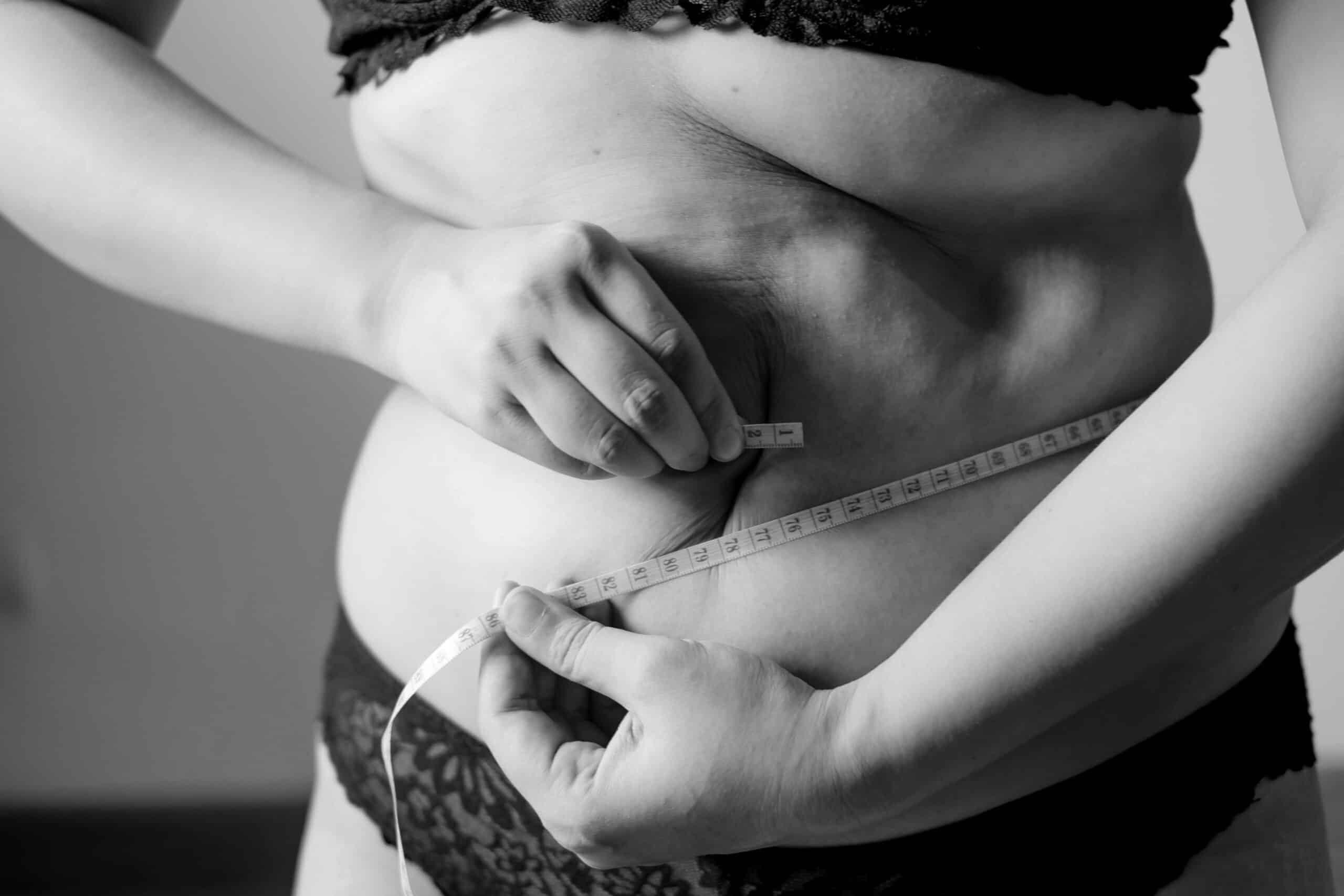
In addition to weighing yourself and taking progress photos, tracking your body measurements is another valuable tool for monitoring your progress. Measure various body parts, such as your waist, hips, thighs, and arms, using a tape measure. Note down these measurements and revisit them periodically to see changes over time. As you lose weight and build muscle, you may notice inches lost even if the scale doesn’t move significantly. Tracking your body measurements can provide a more holistic view of your progress and keep you motivated on your weight loss journey.
Keep a record of your energy levels and overall well-being
While physical changes are important, it’s also essential to track your energy levels and overall well-being throughout your weight loss journey. Pay attention to your energy levels, mood, and overall feelings of well-being as you make lifestyle changes. Notice any improvements in your energy, sleep quality, or mental clarity. Have awareness of how your body is responding to the changes you’re implementing. Keeping a record of these aspects can help you identify patterns and make adjustments as needed. Your overall well-being is just as important as the numbers on the scale, so cultivate a holistic approach to your weight loss journey.