If you’re a parent concerned about your child’s weight and looking for effective ways to help them shed those extra pounds, then this article is for you. In this informative piece, we will explore various methods and strategies to help kids lose weight quickly and safely. From healthy eating habits to fun exercise routines, we’ll provide you with practical tips and advice that will set your child on the path to a healthier lifestyle. So, let’s get started on this journey towards a fitter and happier future for your little one!

Best Practices for Weight Loss
Create a Supportive Environment
When it comes to weight loss, having a supportive environment can make all the difference. Surrounding yourself with people who encourage and motivate you can help you stay on track with your goals. Whether it’s your family, friends, or even an online community, having a support system will provide the encouragement you need when the going gets tough.
Set Realistic Goals
Setting realistic goals is essential for successful weight loss. It’s important to have a clear understanding of what you want to achieve and how you plan to get there. Instead of focusing on a specific number on the scale, aim for small, achievable milestones. Celebrating these milestones along the way will keep you motivated and help you stay committed to your weight loss journey.
Encourage Healthy Eating Habits
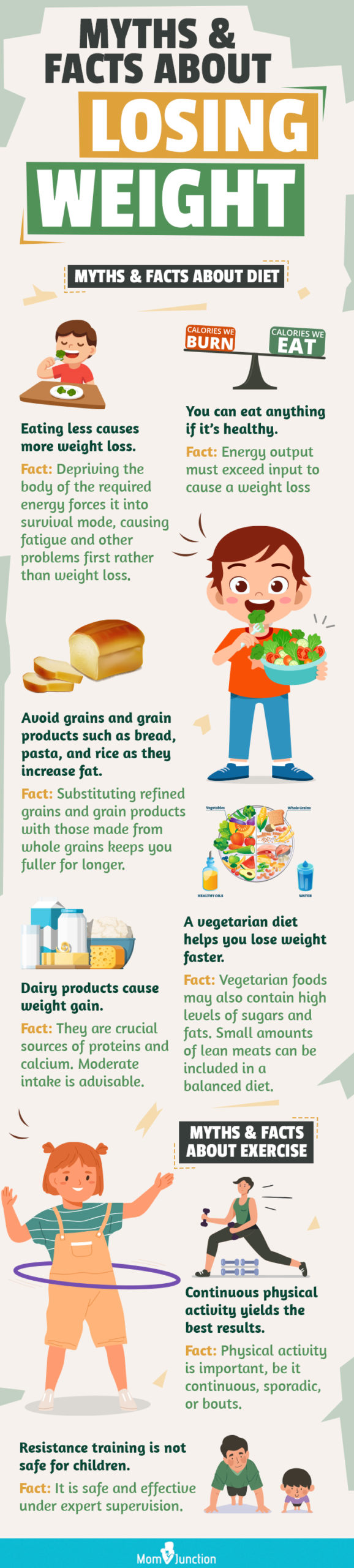
Healthy eating habits are crucial for sustainable weight loss. Encourage yourself to make nutritious choices by filling your plate with fruits and vegetables. These nutrient-rich foods provide essential vitamins, minerals, and fiber to support your overall health. Additionally, incorporating whole grains into your meals can help you feel fuller for longer and provide a steady source of energy.
Promote Regular Physical Activity
Regular physical activity is a key component of any weight loss plan. Engaging in activities that you enjoy, such as walking, dancing, or playing sports, can make exercise feel like less of a chore. Aim for at least 150 minutes of moderate-intensity aerobic activity every week, along with some strength training exercises to build lean muscle. Remember, staying active doesn’t mean you have to go to the gym – find activities that you love and incorporate them into your daily routine.
Balanced Diet for Kids
Include Fruits and Vegetables
A balanced diet for kids should include a variety of fruits and vegetables. These colorful and nutrient-packed foods provide essential vitamins, minerals, and antioxidants that support growth and development. Consider incorporating fresh fruits and vegetables into snacks and meals, making them easily accessible and appealing to your child.
Choose Whole Grains
Whole grains are an important part of a healthy diet for kids. They provide essential carbohydrates for energy, along with fiber, vitamins, and minerals. Opt for whole grain bread, pasta, and cereal instead of refined grains to maximize nutritional value.
Limit Processed and Sugary Foods
Processed and sugary foods can contribute to weight gain and negatively impact your child’s health. Encourage your child to limit their intake of processed snacks, sugary drinks, and desserts. Instead, offer healthier alternatives like homemade snacks, water, and naturally sweetened treats.
Encourage Protein-Rich Foods
Protein is essential for growth, repair, and overall development. Make sure your child is getting enough protein by incorporating lean meats, poultry, fish, dairy products, legumes, and plant-based protein sources into their meals. This will not only provide them with essential nutrients but also help keep them satisfied for longer.
Promote Healthy Snacking
Snacking is a common part of a child’s day, so it’s important to promote healthy snacking habits. Encourage your child to choose nutritious snacks like fruits, vegetables with dips, yogurt, or homemade trail mix. These options provide important vitamins and minerals without adding unnecessary calories.

Effective Exercise Regimens for Kids
Engage in Daily Physical Activities
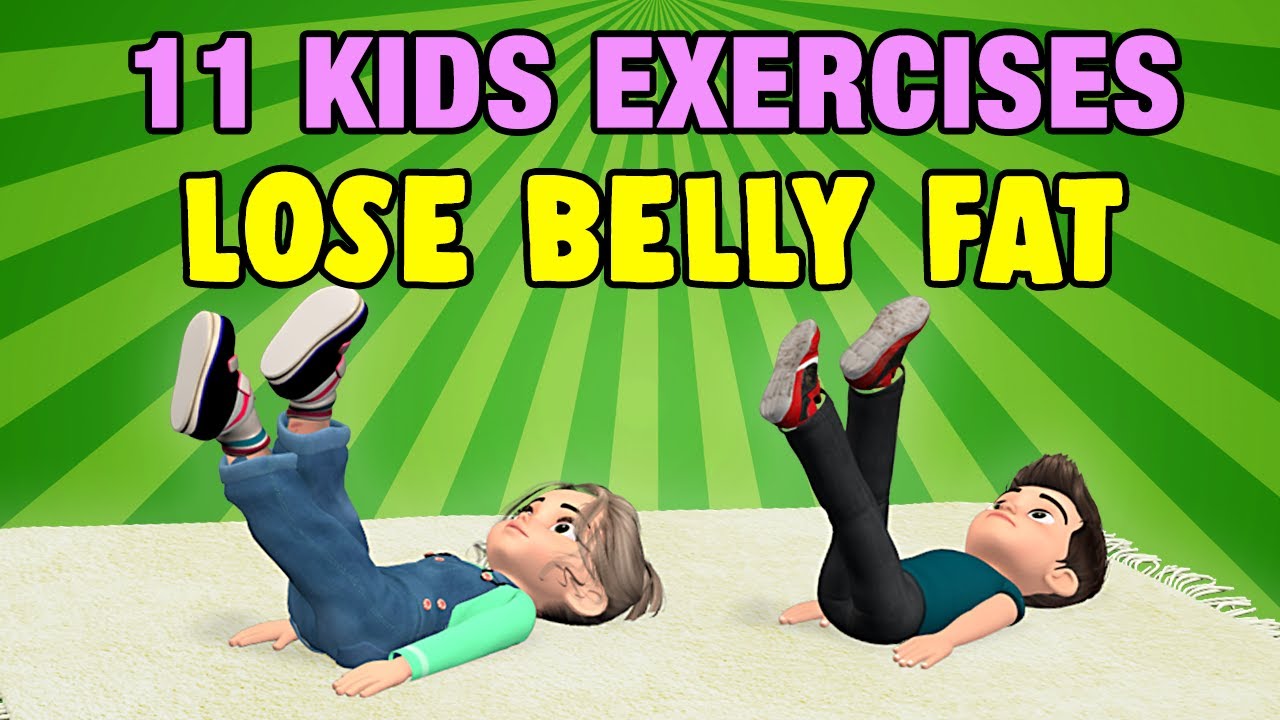
To promote weight loss in kids, it’s important to ensure they engage in daily physical activities. Encourage them to participate in activities like biking, swimming, or playing active games. Aim for at least 60 minutes of moderate to vigorous physical activity every day.
Encourage Active Play
Active play is a fantastic way to make exercise enjoyable for kids. Encourage them to engage in activities like tag, hide-and-seek, or sports that require running and jumping. This will help them burn calories while having fun.
Incorporate Strength Training
Strength training is not just for adults; it can benefit kids too. Incorporate age-appropriate strength training exercises using their body weight or resistance bands. This can help build lean muscle, which in turn boosts metabolism and aids in weight loss.
Try Aerobic Exercises
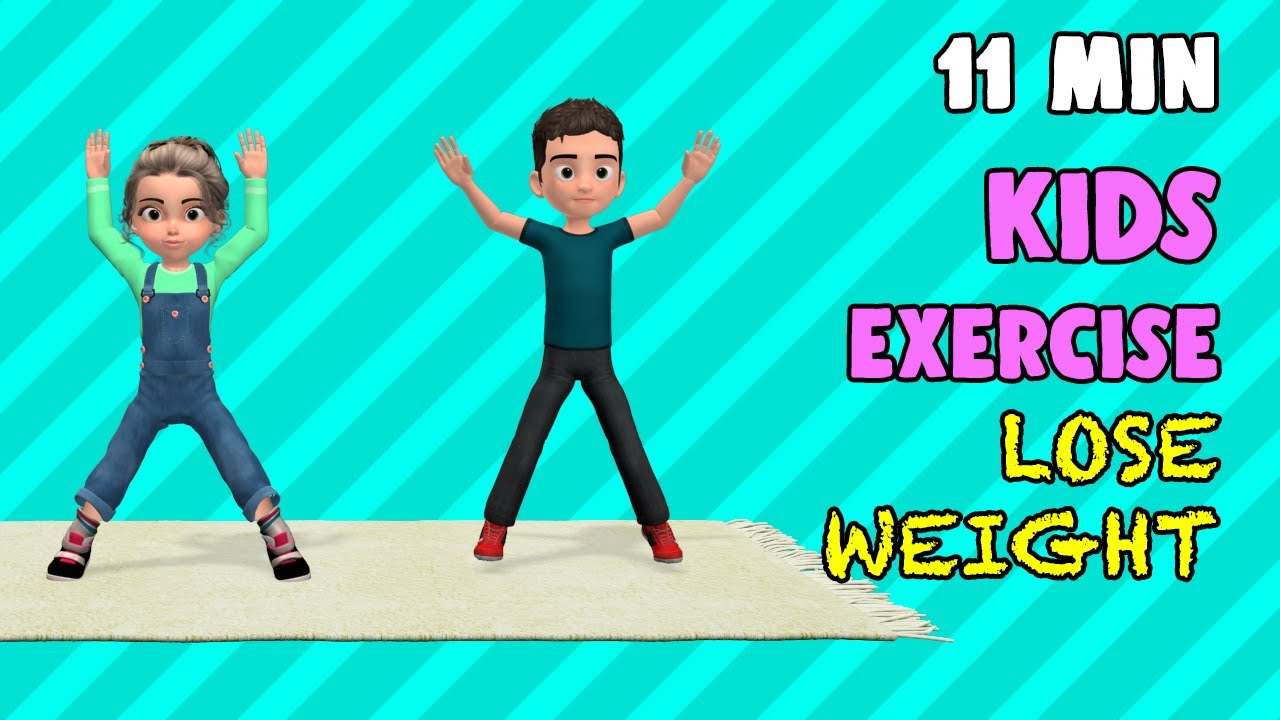
Aerobic exercises like dancing, jumping jacks, or skipping rope can get your child’s heart rate up and burn calories. These activities are not only fun but also help improve cardiovascular health and increase fitness levels.
Focus on Fun and Variety
Keeping exercise fun and varied is essential to keep kids engaged. Instead of sticking to a monotonous routine, offer a wide range of activities and let your child choose what they enjoy. This way, they are more likely to stay active and maintain a healthy weight.
The Role of Water in Weight Loss
Importance of Staying Hydrated
Water plays a vital role in weight loss by keeping your body hydrated and functioning optimally. It helps regulate body temperature, aids in digestion, and keeps your energy levels up. Staying hydrated is especially important during exercise, as it helps prevent fatigue and improves performance.
Encourage Drinking Water Throughout the Day
Encouraging your child to drink water throughout the day is crucial for their overall health and weight loss efforts. Provide them with a reusable water bottle and make sure they have access to clean water at all times. Set a good example by drinking water yourself and teaching them the importance of hydration.
Limit Sugary Beverages
Sugary beverages like soda, juice, and sports drinks can contribute to weight gain and provide empty calories. Encourage your child to limit their intake of these beverages and instead opt for water, herbal tea, or infused water for flavor.
Promote Water as a Healthy Alternative
Promote water as the go-to beverage for hydration. Encourage your child to choose water over sugary drinks and provide them with appealing alternatives, such as adding slices of fruit or herbs to infuse flavor. This way, they can enjoy a refreshing and healthy drink without unnecessary calories.
Effective Role Modeling Strategies
Lead by Example
Leading by example is one of the most effective ways to promote healthy habits in kids. Be a positive role model by practicing healthy eating habits, engaging in regular physical activity, and prioritizing self-care. When kids see you taking care of your health, they are more likely to follow suit.
Create Healthy Family Habits
Creating healthy habits as a family is a great way to promote weight loss in kids. Establish routines that involve healthy meals, regular exercise, and prioritizing sleep. Make these habits a part of your family’s daily life, and they will become second nature to your child.
Involve Kids in Meal Preparation
Involving your child in meal preparation can help them develop an appreciation for nutritious foods and learn valuable cooking skills. Allow them to choose healthy recipes, shop for ingredients, and assist in the kitchen. This hands-on experience will empower them to make healthier choices and take ownership of their health.
Plan Active Family Outings
Planning active family outings is an excellent way to promote physical activity and spend quality time together. Whether it’s going for a hike, bike ride, or playing outdoor games, these activities will help your child associate exercise with fun and create positive memories.
Healthy Habits for Better Sleep
Establish a Consistent Bedtime Routine
A consistent bedtime routine plays a crucial role in ensuring your child gets enough sleep for optimal health and weight management. Set a regular bedtime and create a calming routine leading up to it. This can include activities like reading a book, taking a warm bath, or practicing relaxation exercises.
Create a Calm and Comfortable Bedroom Environment
Creating a calm and comfortable bedroom environment is essential for quality sleep. Make sure your child’s room is dark, quiet, and at a comfortable temperature. Provide them with a cozy bed, comfortable pillows, and bedding that promotes restful sleep.
Limit Screen Time Before Bed
Excessive screen time before bed can disrupt your child’s sleep patterns. Encourage your child to limit their use of electronic devices, such as smartphones or tablets, at least an hour before bed. Instead, promote relaxing activities like reading or listening to soothing music.
Encourage Sufficient Sleep Duration
Adequate sleep duration is crucial for weight management. Encourage your child to get the recommended amount of sleep based on their age. This will help regulate their appetite, support healthy hormone production, and promote overall well-being.
Understanding Portion Control
Teach Proper Portion Sizes
Teaching your child about proper portion sizes is essential for weight management. Help them understand that portion sizes can vary depending on the type of food they are eating. Encourage them to use smaller plates and bowls and listen to their body’s hunger and fullness cues.
Practice Mindful Eating
Mindful eating is a powerful tool for weight loss. Teach your child to eat slowly and pay attention to the flavors, textures, and sensations of the food they are consuming. This can help prevent overeating and promote a healthy relationship with food.
Avoid Using Food as Rewards
Using food as a reward can create unhealthy associations and habits. Encourage your child to find non-food rewards for their accomplishments and successes. This could be getting a small toy, spending quality time with a loved one, or engaging in a favorite activity.
Allow an Occasional Treat
While it’s important to promote healthy eating habits, it’s also essential to allow your child to enjoy treats occasionally. Teach them that balance is key, and enjoying a small treat now and then is a normal part of a healthy lifestyle. This can help prevent feelings of deprivation and promote a positive relationship with food.
Importance of Breakfast
Encourage Eating a Balanced Breakfast
Breakfast is often referred to as the most important meal of the day, especially for kids. Encourage your child to eat a balanced breakfast that includes a mix of carbohydrates, protein, and healthy fats. This will provide them with the energy they need to start their day and support their overall well-being.
Highlight the Benefits of Starting the Day with Food
Explain to your child the importance of starting their day with food. A nutritious breakfast can help improve concentration, enhance cognitive function, and support physical performance. By highlighting these benefits, your child will understand why breakfast is essential for their health and weight management.
Provide Healthy Breakfast Options
Offer a variety of healthy breakfast options for your child to choose from. These can include whole grain cereal, oatmeal topped with fruits and nuts, yogurt with granola, or whole grain toast with avocado. By providing nutritious options, you can ensure they have a well-rounded meal to kickstart their day.
Make Breakfast Enjoyable
Make breakfast an enjoyable experience for your child. Create a warm and inviting atmosphere by setting the table with their favorite breakfast dishes and involve them in the breakfast preparation process. This will not only encourage healthy eating but also foster positive associations with breakfast.
Building a Support System
Involve Family and Friends
Building a support system that includes your family and friends can be incredibly beneficial for weight loss. Share your goals and progress with loved ones and enlist their support. Having someone to turn to for encouragement and accountability can make a significant difference in your weight loss journey.
Consider Professional Support
If you find that you need additional guidance and support, consider seeking professional help. A registered dietitian or a certified personal trainer can provide expert advice and create a personalized plan based on your unique needs and goals. Their knowledge and expertise can ensure you’re on the right track towards successful weight loss.
Engage with Supportive Communities
Joining supportive communities, both in person or online, can provide a sense of belonging and help you stay motivated. Connect with others who are also on a weight loss journey and share experiences, tips, and successes. Having a community to lean on can make the process feel less daunting and more enjoyable.
Celebrate Achievements
Don’t forget to celebrate your achievements along the way. Whether it’s reaching a specific weight loss milestone or making healthier choices consistently, acknowledge and reward yourself for your hard work and dedication. Celebrating achievements boosts motivation and reinforces positive behaviors.
Promoting a Positive Body Image
Foster Self-Acceptance
Promoting a positive body image starts with fostering self-acceptance. Teach your child about body diversity and the importance of loving and appreciating their unique qualities. Encourage them to focus on what their body can do rather than how it looks. This will help cultivate a healthy mindset and promote a positive relationship with their body.
Encourage a Healthy Relationship with Food
Help your child develop a healthy relationship with food by emphasizing the importance of nourishing their body. Teach them that food is fuel and not something to be feared or restricted. Encourage them to enjoy a wide variety of foods in moderation and listen to their body’s hunger and fullness cues.
Highlight the Importance of Inner Qualities
Shift the focus away from appearance and highlight the importance of inner qualities. Teach your child to value kindness, intelligence, creativity, and other positive attributes. By emphasizing these qualities, you help them understand that their worth goes beyond their physical appearance.
Discourage Comparisons
Discourage your child from comparing themselves to others. Help them understand that everyone is unique and that comparisons can be harmful and lead to negative self-perception. Encourage them to celebrate their own achievements and strengths instead of comparing themselves to others.
By following these best practices for weight loss, focusing on building healthy habits, and fostering a positive mindset, you can set yourself and your child up for long-term success. Remember, weight loss is a journey, and it’s important to be patient and kind to yourself along the way. With dedication, support, and a positive attitude, you and your child can achieve your weight loss goals and embrace a healthier lifestyle.