Are you looking to shed those extra pounds and get in shape? Look no further, because we’ve got just the solution for you! In this article, we will share with you the secrets on how to lose weight fast by working out. With our expert tips and guidance, you’ll be on your way to achieving your fitness goals in no time. Say goodbye to crash diets and impractical weight loss methods – it’s time to embrace a healthier and more sustainable approach. So grab your workout gear and let’s get started on this transformative journey together!

Choosing the Right Workout
When it comes to embarking on a fitness journey, one of the first and most crucial steps is choosing the right workout. Identifying your fitness goals is the foundation of this process. Are you looking to lose weight, build muscle, increase endurance, or enhance overall fitness? Understanding what you want to achieve from your workouts will help guide your decision-making.
Consider your physical abilities when selecting a workout. It’s essential to choose exercises that are within your capabilities to avoid injury and ensure a positive experience. If you’re unsure about which activities are suitable for you, consult with a professional trainer. They can assess your fitness level, provide guidance, and help tailor a workout plan that aligns with your goals and abilities.
Evaluate different workout options before committing to one. From yoga and Pilates to aerobic classes and weightlifting, there are countless options available. Consider what type of workout appeals to you and fits your lifestyle. Remember, the key is to find something that you enjoy and that will keep you motivated in the long run.
Creating a Workout Schedule
Once you’ve chosen the right workout, the next step is to create a workout schedule. Determining the frequency of your workouts is important for consistency and progress. Evaluate your availability and commit to a realistic schedule that you can stick to. Consistency is key when it comes to achieving your fitness goals.
Allocate sufficient time for each workout session. Depending on your chosen workout, you may need anywhere from 30 minutes to an hour or more. It’s crucial to set aside enough time to complete your workout without feeling rushed or cutting corners. Prioritize your health and make your workout a non-negotiable part of your daily routine.
To maximize the benefits of your workout, it’s essential to include both cardiovascular exercises and strength training. Cardiovascular exercises like running, cycling, or swimming help improve heart health and burn calories. Strength training, on the other hand, helps build lean muscle mass, increase metabolism, and improve overall strength. A combination of both will yield the best results.
To keep your workouts engaging and avoid monotony, mix up different exercises and activities. Explore various cardio options like interval training, dance fitness classes, or outdoor activities. Incorporate a variety of strength training exercises targeting different muscle groups. Embrace diversity in your workouts to challenge your body, prevent plateaus, and maintain your motivation.

Designing an Effective Cardiovascular Routine
Before diving into your cardio routine, start with a warm-up. Warming up properly is crucial as it prepares your body for the upcoming workout, increases blood flow to your muscles, and reduces the risk of injury. Spend a few minutes performing light cardiovascular exercises such as jogging, jumping jacks, or dynamic stretches.
Choosing the right cardio exercises depends on your preferences and physical capabilities. Running, cycling, swimming, and aerobic classes are popular choices, but there are many options available. Consider low-impact exercises like brisk walking or using an elliptical machine if you have joint issues. Find an activity that gets your heart rate up and makes you break a sweat.
Setting achievable intensity levels is crucial when designing a cardiovascular routine. Start at a moderate intensity that challenges you but still allows for steady progress. As you become more comfortable and your fitness improves, gradually increase the intensity to continue challenging your body. Remember to listen to your body and adjust the intensity as needed.
As with any exercise routine, it’s vital to increase both the duration and the intensity gradually. Pushing yourself too hard or too quickly can lead to burnout or injury. Begin with shorter durations and gradually increase the time spent on cardiovascular exercises. Similarly, gradually increase the intensity by incorporating interval training or adding resistance to your workouts.
Incorporating Strength Training
Understanding the benefits of strength training is important when considering its inclusion in your workout routine. Strength training not only helps build and tone muscles but also increases bone density, improves posture, and boosts metabolism. It is a crucial component of any comprehensive fitness plan.
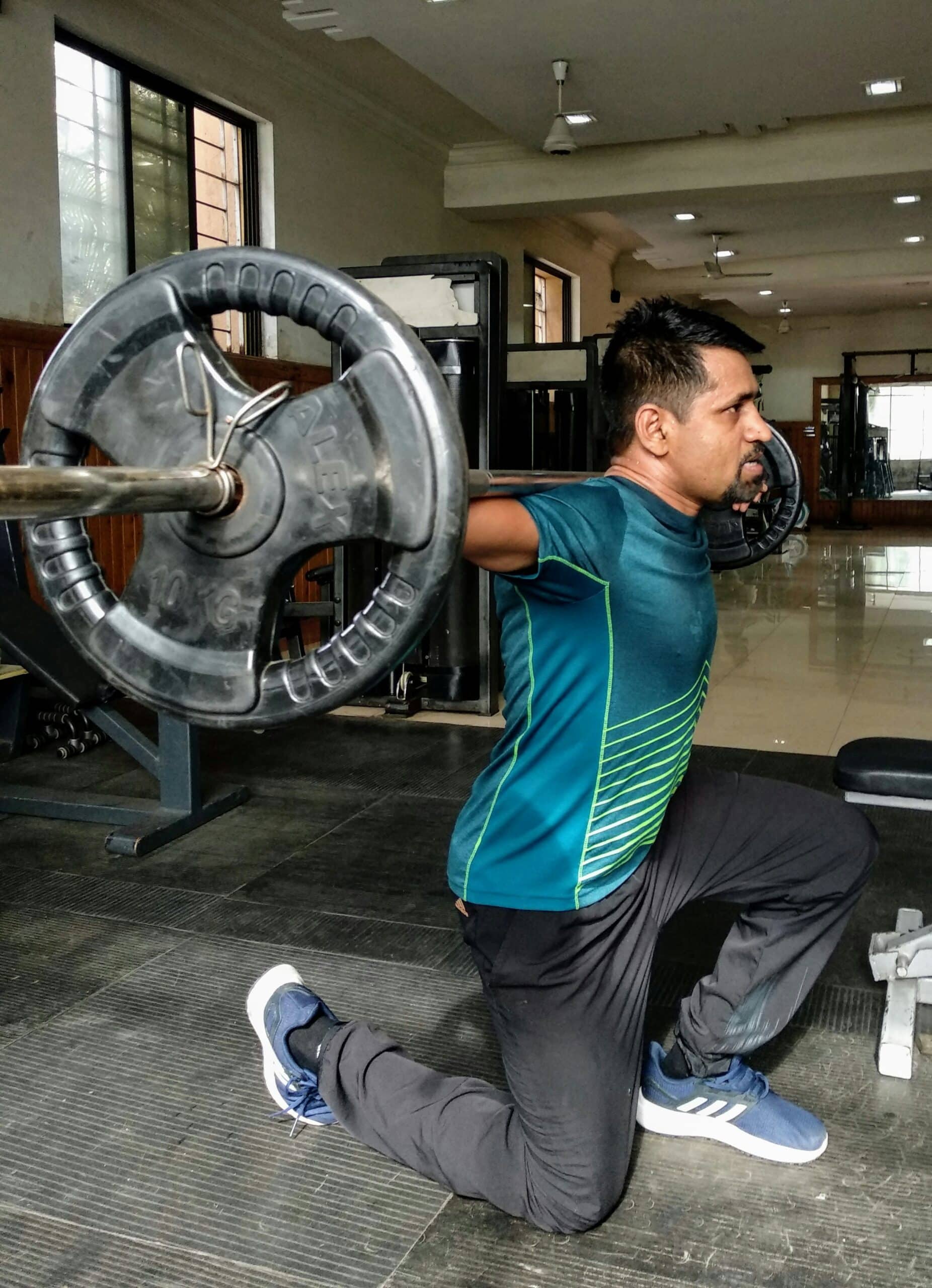
Focus on compound exercises when incorporating strength training into your routine. Compound exercises target multiple muscle groups simultaneously, making them efficient and effective. Squats, deadlifts, lunges, push-ups, and bench presses are examples of compound exercises that engage multiple muscle groups and promote overall strength development.
While performing strength training exercises, it’s important to lift weights that challenge you. Choose weights that allow you to complete the desired number of repetitions with good form, but still, require effort. Gradually increase the weights as you become stronger, ensuring a progressive overload to continue seeing improvements in strength and muscle development.
Remember to include both upper and lower body exercises in your strength training routine for balanced muscle development and overall functional fitness. A well-rounded program will target major muscle groups in both the upper and lower body. Incorporate exercises like bicep curls, overhead presses, leg presses, and hamstring curls to ensure a comprehensive strength training routine.

Implementing High-Intensity Interval Training (HIIT)
High-Intensity Interval Training, commonly known as HIIT, has gained popularity due to its effectiveness in burning calories and improving cardiovascular fitness. Understanding the concept of HIIT is the first step to implementing it into your workout routine. HIIT involves short bursts of intense exercise followed by periods of active recovery.
Identify suitable HIIT exercises based on your fitness level and preferences. HIIT can be performed with various activities, such as running, cycling, jumping rope, or bodyweight exercises. Choose exercises that you enjoy and that target multiple muscle groups for maximum effectiveness.
Alternating between high-intensity exercise and recovery periods is essential in HIIT. During the high-intensity intervals, push yourself to your maximum effort level, giving it your all. Then, during the recovery periods, allow your heart rate to come down slightly before starting the next high-intensity interval. This cycle of intensity and recovery is what makes HIIT so effective.
Gradually increase the duration and intensity of your HIIT workouts over time. Start with shorter intervals, such as 20 seconds of high intensity followed by 40 seconds of recovery, and gradually progress to longer intervals as your fitness level improves. Similarly, increase the intensity by pushing yourself harder during the high-intensity portions of the workout. Progression is key for HIIT workouts to continue being challenging.
Maintaining a Balanced Diet
While working out is an essential component of weight loss, maintaining a balanced diet is equally important. To lose weight fast, one must consume a calorie deficit, which means consuming fewer calories than the body burns. Here are some essential tips for maintaining a balanced diet:
Consume nutrient-dense foods to provide your body with the necessary vitamins, minerals, and antioxidants. Focus on whole grains, lean proteins, fruits, vegetables, and healthy fats. These foods will not only support weight loss but also support overall health and well-being.
Incorporate sufficient protein into your diet as it plays a crucial role in muscle repair and growth. Protein also helps keep you feeling full and satisfied, reducing the likelihood of overeating or snacking on unhealthy foods. Include sources like lean meats, poultry, fish, dairy, legumes, and plant-based proteins in your meals.
Stay hydrated throughout the day by drinking an adequate amount of water. Water not only supports proper bodily functions but also aids in digestion and can help manage hunger. Aim to drink at least 8 cups of water a day and increase your intake if you’re engaging in intense workouts or living in a hot climate.
Supplementing with a Healthy Meal Plan
Creating a meal plan with balanced macronutrients is a valuable tool for weight loss. A well-designed meal plan ensures that you’re providing your body with adequate energy and nutrients while still promoting a calorie deficit. Here are some additional tips for supplementing your workouts with a healthy meal plan:
Include a variety of fruits and vegetables in your meal plan to provide essential vitamins, minerals, and fiber. Different colored fruits and vegetables offer a range of nutrients, so try to incorporate a colorful assortment in your diet. These nutrient-rich foods will help keep you satisfied while also supporting overall health.
Control portion sizes by practicing mindful eating. Be aware of portion sizes and listen to your body’s hunger and fullness cues. Eating slowly, savoring each bite, and stopping when you’re satisfied are all techniques that can help prevent overeating.
Limit processed and sugary foods as they tend to be high in calories, unhealthy fats, and added sugars. These foods provide little nutritional value and can hinder weight loss progress. Aim to consume whole, unprocessed foods as the foundation of your meal plan and use processed foods sparingly.
Monitoring and Tracking Progress
To effectively track your progress, it’s important to monitor various aspects of your fitness journey. Here are some helpful techniques for monitoring and tracking your progress:
Weigh yourself regularly to keep track of changes in your body weight. While the number on the scale is not the sole indicator of progress, it can provide valuable insight into overall weight loss trends. It’s important to remember that weight fluctuates due to various factors, so be consistent with weighing yourself, preferably at the same time of day and under similar conditions.
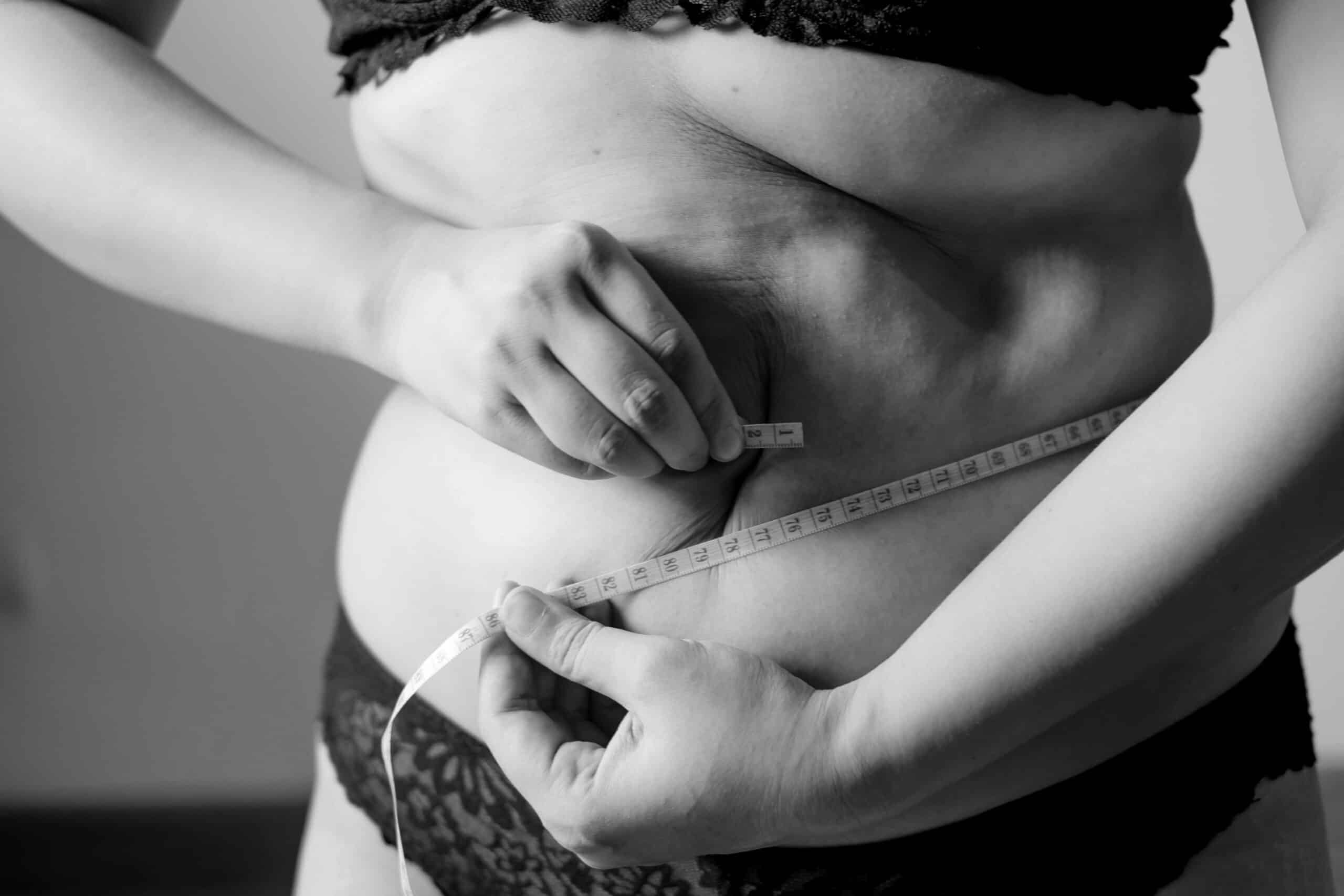
Take body measurements to assess changes in body composition. Measure key areas like your waist, hips, thighs, and arms to track changes in inches lost. This is especially useful as you may be losing fat and gaining muscle, which may not be reflected on the scale.
Track your workouts and progress to ensure consistency and accountability. Whether through a fitness app, a journal, or a personal trainer, keeping a record of your workouts can help you stay on track and identify areas for improvement. Recording the number of sets, repetitions, and weights used can provide a visual representation of your progress.
Consult with a fitness professional if needed. If you’re unsure about how to monitor or track your progress, or if you feel stuck in your fitness journey, it can be beneficial to seek guidance from a professional trainer or coach. They can offer expertise, tailor your workouts and meal plans to your specific needs, and provide the necessary support to help you progress.
Staying Motivated and Overcoming Plateaus
Maintaining motivation and overcoming plateaus are common challenges faced on a weight loss journey. Here are some tips to stay motivated and break through those plateaus:
Set realistic and achievable goals to keep yourself focused and motivated. Break down your ultimate goal into smaller, manageable milestones. Celebrate each milestone achieved, no matter how small, as it will keep you motivated and reinforce your progress.
Find a workout buddy or join a fitness community. Having a partner or a community to share your fitness journey with can provide support, encouragement, and accountability. Workout buddies can help push you during workouts and keep you motivated when you’re feeling less motivated.
Try new exercises and activities to avoid boredom and monotony. The same routine can become repetitive, leading to a lack of motivation. Incorporate new exercises, try different fitness classes, or engage in outdoor activities to keep your workouts exciting and enjoyable.
Seek professional guidance for overcoming plateaus. Plateaus are normal in any fitness journey, but they can be frustrating. Consulting with a personal trainer or fitness professional can help identify areas for improvement, adjust your workout routine, and provide new challenges to break through plateaus.
Considering Additional Tips for Weight Loss
In addition to the above strategies, there are a few additional tips to consider for faster weight loss:
Get enough sleep for optimal recovery. Sleep plays a crucial role in muscle repair, hormone regulation, and overall well-being. Aim for 7-9 hours of quality sleep each night, as it supports weight loss efforts and enhances overall health.
Manage stress levels effectively. Chronic stress can hinder weight loss progress by increasing cortisol levels, which can lead to increased appetite and weight gain. Practice stress-management techniques such as meditation, yoga, or engaging in hobbies that bring you joy.
Avoid excessive alcohol consumption as it provides empty calories and can hinder weight loss efforts. Alcoholic beverages are often high in calories and sugar, and they can also lower inhibitions, leading to poor food choices. Limiting alcohol consumption or choosing healthier alternatives can support weight loss progress.
Listen to your body and avoid overtraining. Pushing your body beyond its limits can lead to burnout and injury. Rest days are just as important as workout days, allowing your body to recover and repair. Ensure that you’re providing your body with adequate rest, proper nutrition, and practicing self-care to support your weight loss journey.
In conclusion, losing weight fast by working out requires a comprehensive approach that includes choosing the right workout, creating a workout schedule, incorporating cardio and strength training, implementing HIIT, maintaining a balanced diet, monitoring progress, staying motivated, and considering additional weight loss tips. By following these steps, you’ll be on your way to achieving your fitness goals and embarking on a healthier, more vibrant lifestyle. Remember, consistency, patience, and self-care are key to long-term success. Start your journey today and enjoy the transformative benefits that working out can bring to your life.