Are you ready to finally shed those extra pounds and achieve your weight loss goals? Look no further than the Weight Loss Intermittent Fasting Calculator. This handy tool is designed to help you determine the optimal fasting window for your body in order to maximize your weight loss efforts. By simply inputting your basic information and weight loss goals, the calculator will generate a personalized fasting schedule tailored to your needs. Say goodbye to complicated diet plans and hello to a simple and effective approach to weight loss. Start your journey towards a healthier you today with the Weight Loss Intermittent Fasting Calculator.

Overview
What is intermittent fasting?
Intermittent fasting is a dietary approach that involves cycling between periods of fasting and eating. It has gained popularity in recent years as an effective method for weight loss and improving overall health. During the fasting periods, you restrict calorie intake while allowing your body to tap into its fat stores for energy.
How does intermittent fasting work for weight loss?
Intermittent fasting works for weight loss by creating a calorie deficit. When you intermittently fast, you reduce the amount of time spent eating, leading to a decrease in overall calorie intake. Additionally, fasting promotes the production of human growth hormone, which can aid in fat burning and muscle gain. By limiting the window of time in which you eat, you’re more likely to consume fewer calories than you burn, resulting in weight loss.
What is a weight loss intermittent fasting calculator?
A weight loss intermittent fasting calculator is a tool that helps determine your fasting and eating schedules based on various factors such as age, weight, height, activity level, and fasting method. It takes into account your individualized goals and provides you with a tailored plan to achieve your desired weight loss.
Types of Intermittent Fasting
16/8 method
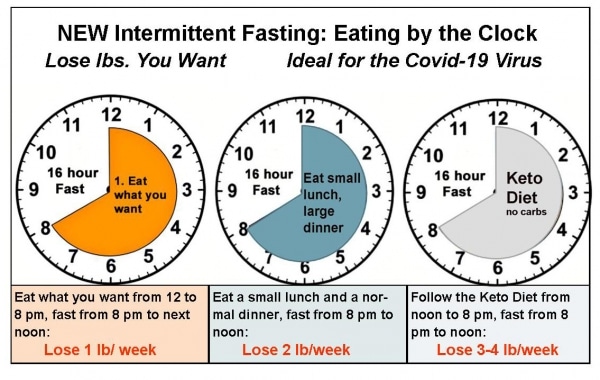
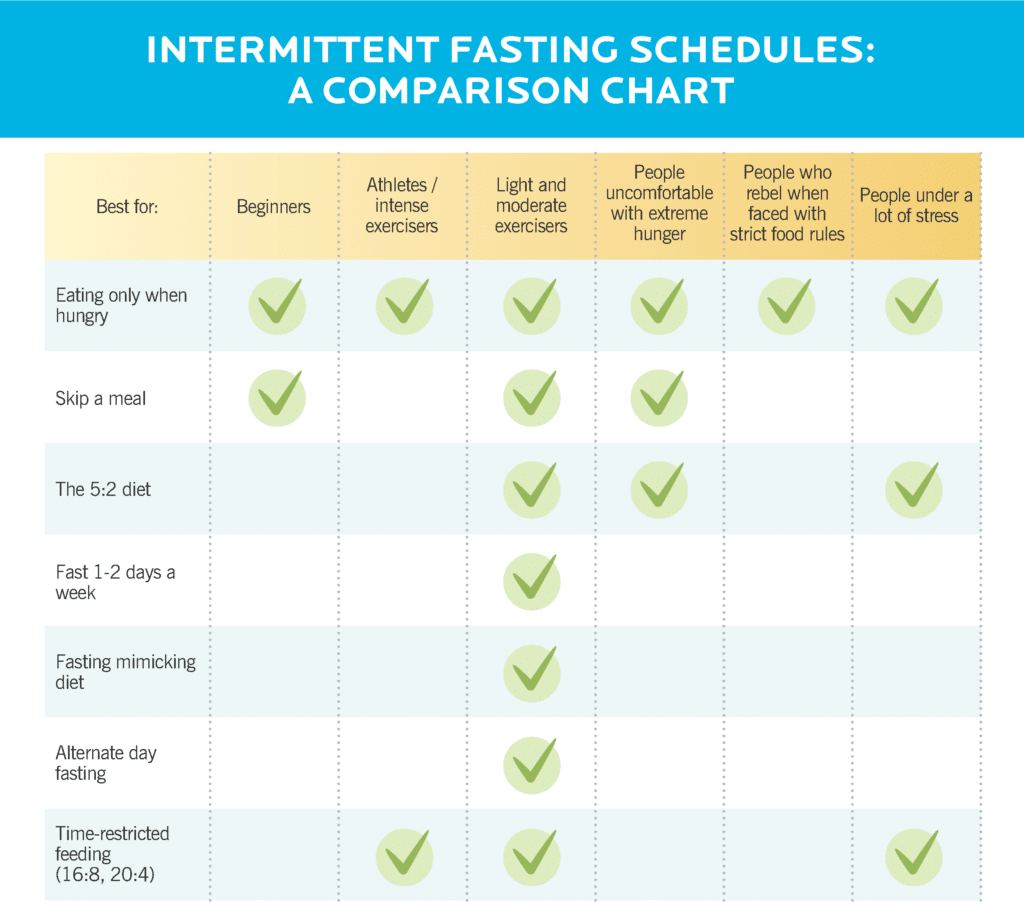
The 16/8 method of intermittent fasting involves fasting for 16 hours a day and consuming all your calories within an 8-hour window. Most people choose to skip breakfast and start their eating window around noon, ending it around 8 pm. This method is popular due to its simplicity and ease of implementation.
5:2 diet
The 5:2 diet is another form of intermittent fasting where you eat normally for 5 days of the week and restrict your calorie intake to 500-600 calories on the remaining two days. These fasting days can be non-consecutive and spread throughout the week. This approach allows for flexibility, as it doesn’t entirely eliminate certain foods but rather limits overall calorie intake.
Alternate day fasting
Alternate day fasting involves fasting every other day, where you consume little to no calories on fasting days and eat normally on non-fasting days. This method may be more challenging for beginners, but it can provide significant weight loss results if followed consistently. It’s important to listen to your body and ensure you’re meeting your nutritional needs on feeding days.

Benefits of Intermittent Fasting for Weight Loss
Improved insulin sensitivity
Intermittent fasting has been shown to improve insulin sensitivity, which is beneficial for weight loss. By reducing insulin resistance, your body is better able to regulate blood sugar levels and utilize stored fat as a source of energy. This can lead to improved metabolic function and increased weight loss over time.
Increased fat burning
During fasting periods, your body’s insulin levels drop, allowing fat cells to release stored fatty acids for energy. As a result, intermittent fasting can increase fat burning and promote weight loss. By adopting this approach, you’re tapping into your body’s natural ability to utilize stored fat as a fuel source.
Reduced calorie intake
One of the primary reasons intermittent fasting is effective for weight loss is the reduction in overall calorie intake. By limiting the time in which you eat, it’s easier to stay within your calorie goals and create a calorie deficit. This approach eliminates mindless snacking and unnecessary calorie consumption, making it a sustainable method for weight loss.
Factors to Consider before Using a Weight Loss Intermittent Fasting Calculator
Individual health conditions
Before starting any weight loss journey, including intermittent fasting, it’s important to consider your individual health conditions. If you have any underlying medical conditions or are taking medication, it’s recommended to consult with a healthcare professional to ensure that intermittent fasting is safe for you. They can provide guidance on how to adjust the fasting and eating schedules to meet your specific needs.
Fitness goals
Your fitness goals play a significant role in determining the type of intermittent fasting method that may be most suitable for you. If you’re primarily focused on weight loss, a more aggressive fasting approach may be appropriate. However, if you’re looking to maintain muscle mass or improve athletic performance, a less restrictive fasting method that prioritizes nutrient timing may be more beneficial.
Dietary preferences
Consider your dietary preferences when choosing an intermittent fasting method. Some individuals may prefer the 16/8 method because it allows for more flexibility in food choices, while others may thrive on the structure of the 5:2 diet. It’s important to select a method that aligns with your lifestyle and eating preferences to ensure long-term adherence.
How to Use a Weight Loss Intermittent Fasting Calculator
Enter your details
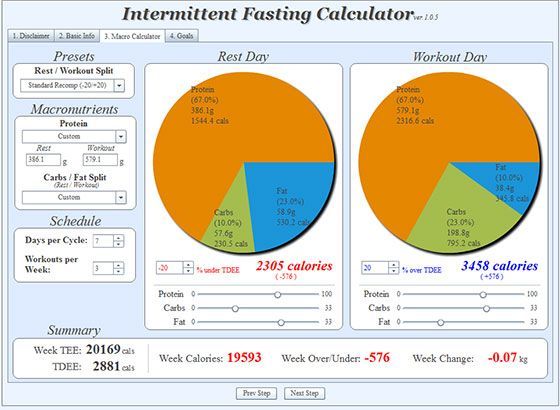
To use a weight loss intermittent fasting calculator, you’ll typically be required to enter your age, weight, height, activity level, and fasting method preference. These details are essential to personalize your fasting and eating schedule based on your specific needs and goals.
Select the fasting method
Once you’ve entered your details, you’ll need to select the fasting method you want to follow. Whether you choose the 16/8 method, 5:2 diet, or alternate day fasting, the calculator will take this into account when generating your plan.
Receive personalized fasting and eating schedules
After inputting your information and selecting the fasting method, the weight loss intermittent fasting calculator will generate personalized fasting and eating schedules for you. These schedules will outline the duration of your fasting periods and the recommended window for consuming your meals. It’s important to follow these schedules consistently to maximize the benefits of intermittent fasting for weight loss.
Calculating Weight Loss Goals
Determining daily calorie deficit
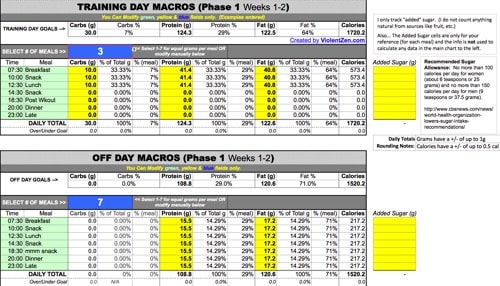
To lose weight, it’s important to create a daily calorie deficit. The weight loss intermittent fasting calculator can help determine your recommended daily calorie intake based on your goals and activity level. By strategically implementing fasting periods and adjusting your eating habits, you can achieve a calorie deficit and promote weight loss.
Setting realistic weight loss targets
When using a weight loss intermittent fasting calculator, it’s crucial to set realistic weight loss targets. Rapid weight loss is often unsustainable and can lead to muscle loss and nutrient deficiencies. It’s generally recommended to aim for a gradual and steady weight loss of 1-2 pounds per week.
Monitoring progress
Regularly monitoring your progress is essential when using a weight loss intermittent fasting calculator. This allows you to assess your results and make any necessary adjustments to your fasting and eating schedules. Keep track of your weight, body measurements, and how you feel both physically and mentally to ensure you’re on track towards your weight loss goals.
Tips for Successful Intermittent Fasting
Stay hydrated
During fasting periods, it’s important to stay hydrated to support overall health and well-being. Drink plenty of water, herbal tea, and other non-caloric beverages throughout the day. Hydration can help curb hunger pangs and keep you feeling energized during fasting periods.
Choose nutrient-dense foods
When breaking your fast, focus on consuming nutrient-dense foods that provide your body with essential vitamins, minerals, and macronutrients. Opt for whole foods such as lean proteins, fruits, vegetables, whole grains, and healthy fats to ensure you’re meeting your nutritional needs.
Listen to your body
Pay attention to your body’s hunger and fullness cues while practicing intermittent fasting. It’s essential to listen to your body and eat when you’re hungry, rather than restricting calories excessively. Intermittent fasting should not be used as an excuse to ignore your body’s signals of hunger and satisfaction.
Supplements and Intermittent Fasting
Consult with a healthcare professional
If you’re considering taking supplements while practicing intermittent fasting, it’s important to consult with a healthcare professional. They can assess your specific needs and recommend appropriate supplements to support your overall health and well-being.
Consider electrolyte supplements
During fasting periods, electrolyte imbalances may occur, especially if you’re engaging in intense exercise. Consider incorporating electrolyte supplements to maintain proper hydration and support optimal muscle function. However, it’s important to choose supplements that do not contain added sugars or calories.
Avoid excessive reliance on supplements
While supplements can be beneficial, it’s essential to prioritize whole foods to meet your nutritional needs. Intermittent fasting should not be an excuse for relying solely on supplements. Focus on consuming a variety of nutrient-dense foods to ensure you’re providing your body with the necessary vitamins and minerals.
Common Mistakes to Avoid
Skipping meals excessively
One common mistake when practicing intermittent fasting is excessively skipping meals. It’s important to listen to your body and ensure you’re providing it with adequate nourishment. If you find yourself constantly skipping meals or feeling excessively hungry, it may be necessary to adjust your fasting and eating schedule.
Overeating during feeding windows
Another mistake to avoid is overeating during your feeding windows. While intermittent fasting allows for flexibility with meal timing, it’s still crucial to practice portion control and make healthy food choices. Overeating can hinder weight loss progress and lead to a surplus of calories that your body may store as fat.
Neglecting balanced nutrition
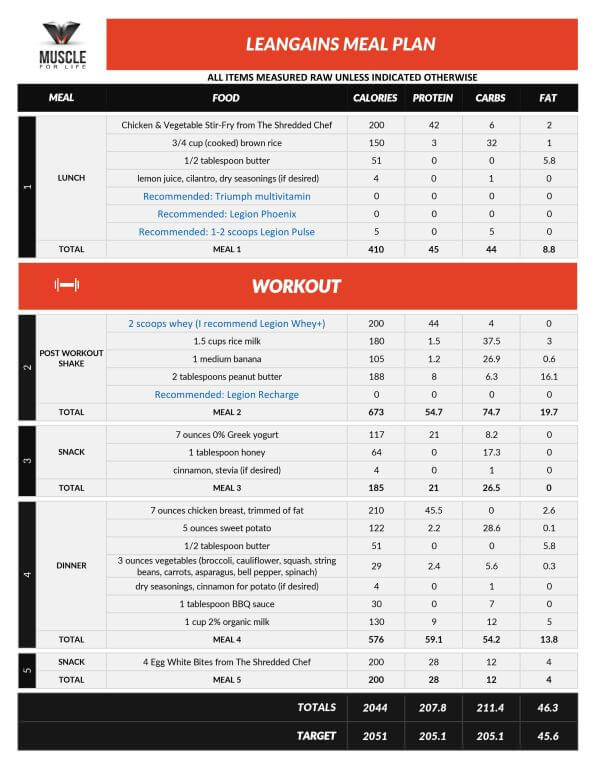
Intermittent fasting is not an excuse to neglect balanced nutrition. It’s important to consume a variety of foods that provide your body with essential nutrients. Ensure your meals include a balance of protein, carbohydrates, and healthy fats to support overall health and well-being.
Combining Intermittent Fasting with Exercise
Optimal exercise timing
When combining intermittent fasting with exercise, it’s important to consider the timing of your workouts. Some individuals find it beneficial to exercise during their fasting periods, while others prefer to work out during their eating windows. Experiment with different timings to determine what works best for your body and energy levels.
Choosing appropriate workouts
Selecting appropriate workouts is essential when incorporating exercise into your intermittent fasting routine. Focus on workouts that align with your fitness goals and that you enjoy. Whether it’s strength training, cardio, or yoga, as long as you’re moving your body and challenging yourself, you’re likely to see positive results.
Listening to your body’s needs
Always listen to your body’s needs when combining intermittent fasting with exercise. If you’re feeling fatigued or low on energy, it may be necessary to adjust your workout intensity or timing. Rest and recovery are essential components of any exercise routine, so be sure to honor your body’s signals and take time to rest when needed.
By understanding the different types of intermittent fasting, the benefits it provides for weight loss, and how to use a weight loss intermittent fasting calculator, you can embark on a successful weight loss journey. Remember to stay hydrated, choose nutrient-dense foods, and listen to your body throughout the process. Avoid common mistakes, consult with healthcare professionals when needed, and combine intermittent fasting with appropriate exercise for optimal results. With dedication and consistency, you can achieve your weight loss goals and improve your overall health.