Are you struggling to shed those extra pounds and looking for quick results? Well, in this article, you’ll discover the causes behind fast weight loss and why it might not be the healthiest approach in the long run. While it may seem tempting to go all out and lose weight as quickly as possible, understanding the underlying triggers can help you make informed decisions regarding your weight loss journey. So, let’s explore the various factors that contribute to rapid weight loss and uncover why sustainable and healthy methods should be the priority.

Physical Causes
Caloric Deficit
One of the main physical causes of losing weight fast is having a caloric deficit. This means that you are consuming fewer calories than your body needs to maintain its current weight. When you consistently have a caloric deficit, your body is forced to use its stored fat as an energy source, resulting in weight loss. However, it is important to ensure that you are still consuming enough calories to meet your body’s nutritional needs.
Increased Physical Activity
Another physical cause of losing weight fast is an increase in physical activity. When you engage in activities that raise your heart rate and make you break a sweat, you burn calories. This increased physical activity can help you create a caloric deficit and accelerate weight loss. Incorporating activities such as walking, running, cycling, or strength training can all contribute to significant weight loss over time.
Metabolic Rate
Your metabolic rate, or the rate at which your body burns calories at rest, plays a significant role in weight loss. Some individuals naturally have a higher metabolic rate, which means their bodies burn more calories even at rest. On the other hand, individuals with a slower metabolic rate have a harder time losing weight because their bodies naturally burn fewer calories. While you cannot change your metabolic rate drastically, making healthy choices such as increasing physical activity and consuming a balanced diet can give your metabolism a boost.
Muscle Loss
Losing weight fast can sometimes be accompanied by muscle loss. This can occur when your body is not receiving enough protein and essential nutrients to maintain muscle mass. To prevent this, it is crucial to incorporate strength training exercises into your fitness routine and consume an adequate amount of protein. Building and maintaining muscle not only helps with weight loss but also increases your overall strength and improves your body composition.
Water Weight
Another factor that can contribute to fast weight loss is the loss of water weight. When you first start a weight loss journey, you may notice a significant drop in weight, which is primarily due to your body shedding excess water. While losing water weight can be motivating, it is essential to remember that it is temporary and not necessarily a reflection of fat loss. It is crucial to focus on sustainable, long-term weight loss strategies rather than relying solely on water weight loss.
Psychological Causes
Motivation
Psychological factors can also play a vital role in losing weight fast. Having strong motivation and a clear goal can drive you to make healthier choices and stay committed to your weight loss journey. Whether your motivation stems from wanting to improve your health, fit into a certain wardrobe, or boost your self-confidence, staying motivated can help you overcome challenges and achieve sustainable weight loss.
Emotional Eating
Emotional eating is a common psychological cause of weight gain and can hinder weight loss efforts. Using food as a coping mechanism for stress, boredom, or other emotions can lead to overeating and consuming excess calories. Recognizing and addressing emotional triggers for eating can help you break this cycle and develop healthier coping strategies, ultimately supporting your weight loss goals.
Stress
Stress can have a significant impact on weight loss. When you are stressed, your body releases cortisol, a hormone that can increase appetite and cause fat to be stored in the abdominal area. Additionally, stress can lead to emotional eating, as mentioned earlier. Finding healthy ways to manage stress, such as practicing relaxation techniques or engaging in physical activity, can help you maintain a caloric deficit and support your weight loss efforts.
Body Image
Body image issues can also contribute to fast weight loss efforts. Individuals who have a negative body image may be more motivated to lose weight quickly in an attempt to achieve a certain body shape or size. However, it is important to approach weight loss in a healthy and realistic manner, focusing on overall health and well-being rather than solely on appearance. Building a positive body image and practicing self-acceptance can lead to more sustainable weight loss.
Self-esteem
Low self-esteem can also be a psychological cause of rapid weight loss. Some individuals may believe that achieving a certain weight or body shape will boost their confidence and self-esteem. However, true self-esteem should come from within and be based on a variety of factors, not just physical appearance. Working on building self-esteem through self-care, positive affirmations, and surrounding yourself with a supportive network can have a positive impact on both your mental well-being and weight loss journey.

Dietary Causes
Restrictive Diets
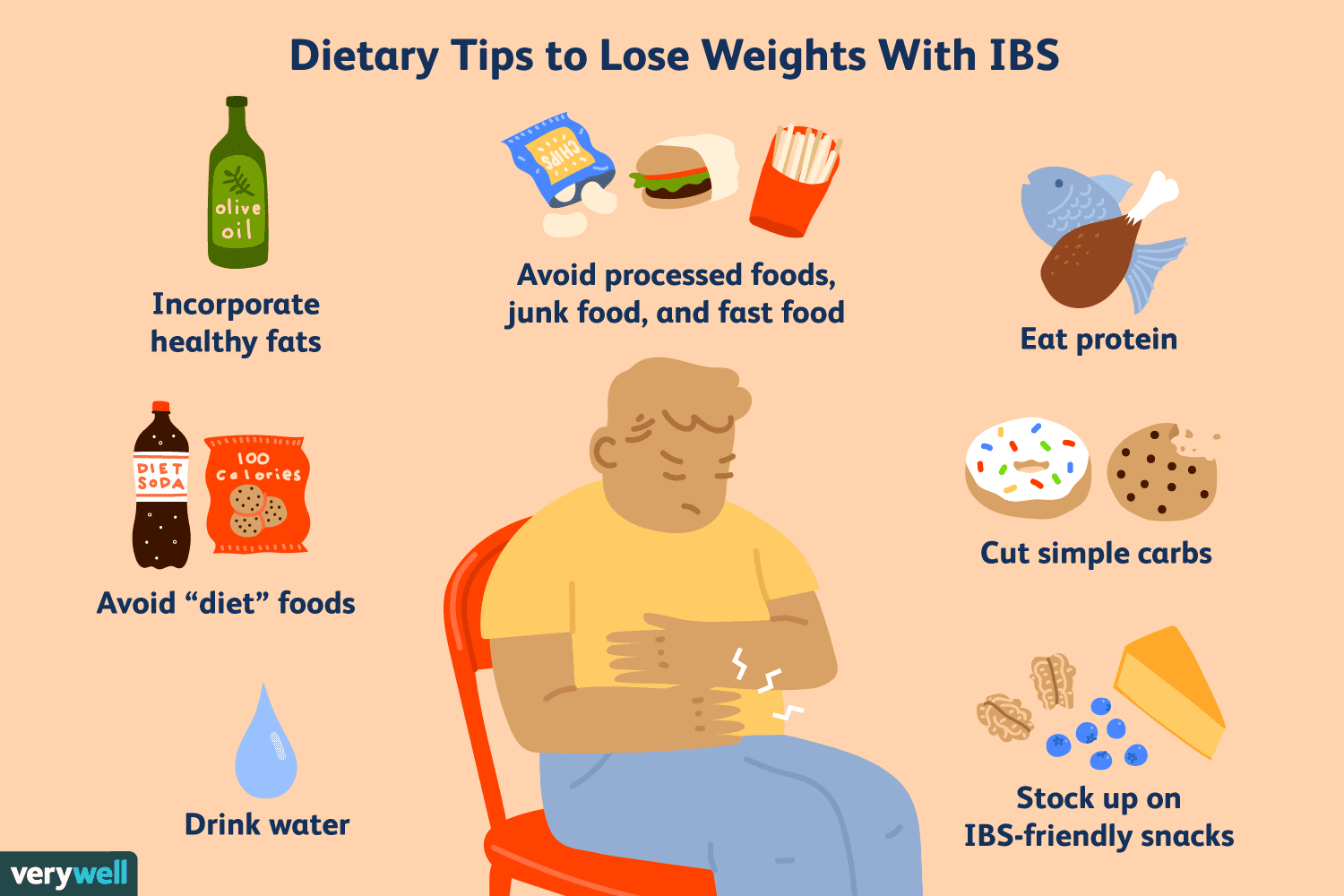
Restrictive diets, such as those that severely limit calorie intake or eliminate entire food groups, can be a dietary cause of losing weight fast. While these diets may initially result in rapid weight loss, they are often difficult to sustain in the long term and can be detrimental to overall health. Restrictive diets can lead to nutrient deficiencies and may even trigger disordered eating patterns. It is crucial to focus on balanced, sustainable eating patterns that provide all the necessary nutrients for optimal health.
Low-Calorie Intake
Consuming a low calorie intake is a common dietary cause of fast weight loss. While creating a caloric deficit is necessary for weight loss, it is essential to ensure that you are still consuming enough calories to meet your body’s needs. Severely restricting calorie intake can slow down your metabolism, lead to muscle loss, and negatively impact your overall energy levels and well-being. Consulting with a registered dietitian can help you determine the appropriate calorie intake for your weight loss goals.
Fad Diets
Fad diets, characterized by their extreme and often unsustainable nature, can also contribute to rapid weight loss. These diets typically promise quick results but are based on restrictive eating patterns or questionable weight loss methods. Examples of fad diets include the cabbage soup diet, the grapefruit diet, or the baby food diet. While you may see initial weight loss with these diets, they are not a long-term solution and may result in nutrient deficiencies and other health complications. It is important to focus on making lifestyle changes that promote sustainable weight loss rather than relying on fad diets.
Skipping Meals
Skipping meals is another dietary cause of fast weight loss. While it may seem like a simple way to reduce calorie intake, skipping meals can lead to overeating later in the day and disrupt your body’s natural hunger and fullness cues. It is important to prioritize regular, balanced meals to provide your body with the necessary nutrients and support your weight loss goals. Eating a combination of protein, complex carbohydrates, and healthy fats can help you stay satisfied and energized throughout the day.
Lack of Nutrients
A lack of nutrients in your diet can hinder weight loss efforts and negatively impact overall health. When you are not providing your body with the necessary vitamins, minerals, and other essential nutrients, you may experience low energy levels, nutrient deficiencies, and a weakened immune system. It is crucial to focus on consuming a variety of nutrient-dense foods to support your weight loss journey and ensure optimal well-being.
Health Conditions
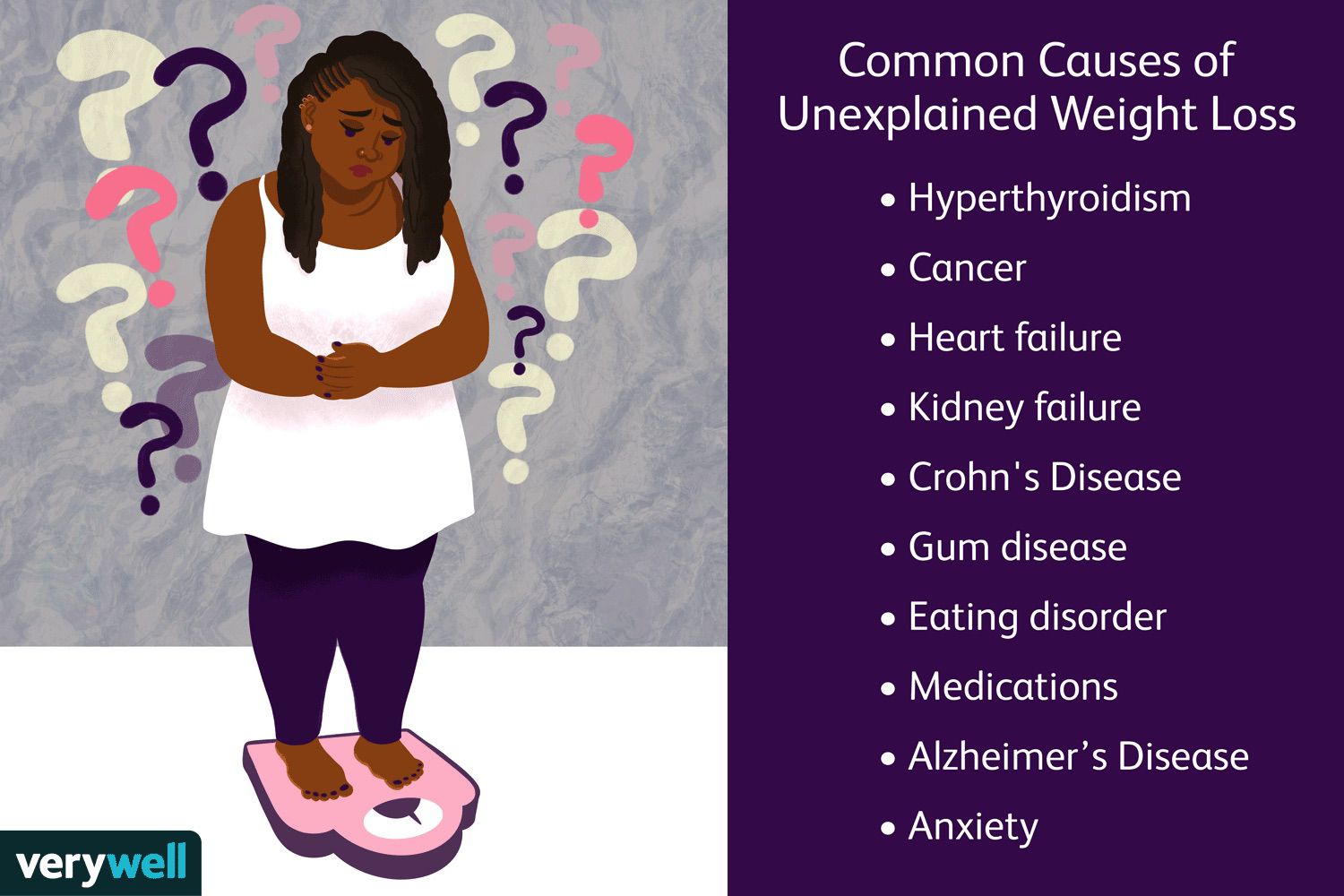
Hyperthyroidism
Hyperthyroidism, a condition characterized by an overactive thyroid gland, can lead to rapid weight loss. The excessive production of thyroid hormones speeds up the body’s metabolism, causing increased calorie burning and weight loss. Along with weight loss, individuals with hyperthyroidism may experience symptoms such as increased appetite, fatigue, and irritability. Managing hyperthyroidism requires medical treatment to regulate hormone levels and restore balance in the body.
Cancer
Cancer and cancer treatments can also contribute to rapid weight loss. The disease itself can increase your body’s energy needs, leading to weight loss. Additionally, certain cancer treatments, such as chemotherapy or radiation, can cause nausea, loss of appetite, and difficulty eating, resulting in weight loss. It is crucial for individuals with cancer to work closely with their healthcare team to manage weight loss and address any underlying causes.
Diabetes
Uncontrolled diabetes can lead to rapid weight loss. When your body does not produce enough insulin or is unable to use it effectively, glucose cannot enter the cells to be used as energy. As a result, your body starts breaking down fat and muscle tissue for fuel, leading to weight loss. Other symptoms of uncontrolled diabetes include frequent urination, increased thirst, and fatigue. Managing diabetes through medication, proper nutrition, and regular exercise is key to preventing rapid weight loss.
Digestive Disorders
Certain digestive disorders can interfere with nutrient absorption and lead to rapid weight loss. Conditions such as Crohn’s disease, celiac disease, or ulcerative colitis can cause inflammation in the intestines, leading to malabsorption of nutrients. This can result in weight loss, along with symptoms such as diarrhea, abdominal pain, and fatigue. Treatment for digestive disorders typically involves medication, dietary modifications, and lifestyle changes to manage symptoms and support proper nutrient absorption.
Drug Side Effects
Certain medications can cause rapid weight loss as a side effect. For example, some antidepressant medications may affect appetite and lead to decreased food intake, resulting in weight loss. Other medications, such as certain stimulants or medications used to treat attention deficit hyperactivity disorder (ADHD), can suppress appetite as well. It is important to closely monitor your weight and discuss any significant changes with your healthcare provider to determine if medication adjustments are necessary.

Unhealthy Habits
Yo-yo Dieting
Yo-yo dieting, or repeatedly losing and regaining weight, can be an unhealthy habit that leads to fast weight loss followed by weight gain. When individuals engage in extreme dieting measures to lose weight quickly, they often find it difficult to maintain those changes over time. As a result, they may revert to old eating habits and regain the lost weight. This cycle of weight loss and regain can be detrimental to overall health and make it harder to achieve sustainable weight loss.
Binge Eating
Binge eating, characterized by consuming large amounts of food in a short period and feeling a loss of control, can lead to weight gain or, in some cases, rapid weight loss. Some individuals may engage in restrictive eating in response to the guilt, shame, or discomfort caused by binge episodes. This restrictive behavior can result in rapid weight loss, but it is not a healthy or sustainable approach to weight management. Seeking support from a healthcare professional or therapist can help address the underlying emotional issues associated with binge eating and promote healthier eating habits.
Sedentary Lifestyle
Living a sedentary lifestyle, characterized by a lack of physical activity or prolonged sitting, can hinder weight loss efforts. When you spend a significant amount of time sitting or have a limited amount of physical activity, you burn fewer calories. This can contribute to weight gain or make it harder to lose weight. Incorporating regular physical activity into your daily routine, such as walking, strength training, or participating in group fitness classes, can help counteract the effects of a sedentary lifestyle and support weight loss.
Lack of Sleep
Lack of sleep can have a detrimental impact on weight loss efforts. When you do not get enough sleep, it can disrupt hormonal balance and increase appetite, leading to overeating. Additionally, inadequate sleep can affect your energy levels and motivation to engage in physical activity. It is recommended to aim for seven to nine hours of quality sleep per night to support weight loss and overall well-being.
Excessive Alcohol Consumption
Excessive alcohol consumption can contribute to rapid weight gain or hinder weight loss efforts. Alcoholic beverages are high in calories and provide little to no nutritional value. When consumed in excess, alcohol can contribute to a significant increase in calorie intake and impair judgment, leading to poor food choices. Limiting alcohol consumption and opting for healthier alternatives, such as water or herbal tea, can support weight loss efforts.
Medical Procedures
Bariatric Surgery
Bariatric surgery, such as gastric bypass or gastric sleeve surgery, is a medical procedure that can result in rapid weight loss. These surgeries involve reducing the size of the stomach or rerouting the digestive system to limit food intake and nutrient absorption. While bariatric surgery can be an effective weight loss tool for individuals with severe obesity and related health conditions, it is essential to work closely with a healthcare team to ensure proper recovery and long-term success.
Liposuction
Liposuction is a cosmetic procedure that physically removes excess fat from specific areas of the body. While liposuction can result in a significant reduction in body fat, it is important to note that it is not a weight loss procedure. Liposuction targets localized areas of fat and is often used to contour the body rather than achieve overall weight loss. It is crucial to maintain a healthy lifestyle, including regular physical activity and a balanced diet, after liposuction to optimize results and maintain a healthy weight.
Gastric Banding
Gastric banding, another type of bariatric surgery, involves placing a band around the upper part of the stomach, creating a smaller pouch to limit food intake. This procedure can result in rapid weight loss by reducing the amount of food that can be consumed at one time. However, similar to other bariatric surgeries, it requires long-term commitment to lifestyle changes and regular monitoring by a healthcare team to ensure safety and effective weight management.
Gastric Bypass
Gastric bypass surgery involves creating a small stomach pouch and bypassing a portion of the small intestine, resulting in reduced calorie absorption and limited food intake. This surgical procedure can lead to significant weight loss in a short period. However, it is crucial to follow a strict post-surgery diet, take necessary supplements, and regularly participate in follow-up appointments to ensure proper healing and long-term success.
CoolSculpting
CoolSculpting, a non-surgical fat reduction procedure, uses controlled cooling to freeze and eliminate fat cells in targeted areas of the body. While CoolSculpting can provide visible results and reduce localized fat, it is not a treatment for overall weight loss. It is important to maintain a healthy lifestyle, including regular physical activity and a balanced diet, to support long-term weight management.

Genetics
Family History
Family history can play a role in determining your predisposition to certain body types and weight-related conditions. If you have a family history of obesity or other weight-related health conditions, you may be more prone to rapid weight gain or have a harder time losing weight. While genetics can influence your body composition and metabolism, it is important to remember that lifestyle factors, such as diet and exercise, also play a significant role in weight management.
Genetic Disorders
Certain genetic disorders can contribute to weight gain or rapid weight loss. Conditions such as Prader-Willi syndrome or Bardet-Biedl syndrome can affect appetite regulation and metabolism, leading to excessive weight gain or difficulties with weight loss. Managing these genetic disorders typically requires a multidisciplinary approach involving medical professionals and registered dietitians to address nutritional needs and support optimal weight management.
Slow Metabolism
Some individuals may naturally have a slower metabolism, which can make weight loss more challenging. Metabolism refers to the processes in your body that convert food into energy. While you cannot significantly change your metabolic rate, incorporating regular physical activity and building muscle through strength training can help boost your metabolism and support weight loss efforts.
Fat Storage
The way your body stores fat can be influenced by genetics. Some individuals may have a genetic predisposition to store fat in certain areas of the body, such as the abdomen or hips. This can make it harder to lose weight in those specific areas. However, with a combination of overall weight loss and targeted exercises, it is possible to reduce fat in these areas and achieve a more balanced body composition.
Muscle Composition
Genetic factors can also influence your muscle composition, which can impact weight loss efforts. Individuals with a higher percentage of lean muscle mass tend to have a higher metabolic rate and burn more calories at rest. If you have a lower percentage of muscle mass, incorporating strength training exercises into your fitness routine can help build muscle, increase your metabolism, and support weight loss.
Medications
Appetite Suppressants
Appetite suppressants are medications that can reduce hunger and help control calorie intake, resulting in weight loss. These medications typically work by affecting certain chemicals in the brain that regulate appetite. While appetite suppressants can be useful in jump-starting weight loss efforts, they should only be used under the guidance of a healthcare professional. It is important to be mindful of potential side effects and work on developing sustainable, healthy eating habits alongside medication usage.
Thyroid Medication
Thyroid medication, often prescribed to individuals with an underactive thyroid (hypothyroidism), can help normalize thyroid hormone levels and support weight loss efforts. When thyroid hormone levels are low, your metabolism slows down, making it harder to lose weight. By balancing thyroid hormone levels with medication, individuals with hypothyroidism can improve their metabolic rate and potentially experience weight loss.
Antidepressants
Some antidepressant medications can cause weight gain or hinder weight loss efforts. While the exact mechanisms are not fully understood, it is believed that certain antidepressants can affect appetite, metabolism, and hormonal balance. It is important to work closely with your healthcare provider to find the right medication and dosage that manages your mental health while minimizing side effects that may impact weight.
Diuretics
Diuretics are medications primarily used to treat conditions such as high blood pressure or edema by increasing urine output and reducing fluid retention. While diuretics can result in temporary weight loss due to water loss, it is important to remember that this weight loss is not fat loss. Long-term use of diuretics for weight loss purposes is not recommended and can lead to dehydration, electrolyte imbalances, and other health complications. It is best to focus on sustainable weight loss strategies that promote overall well-being.
Steroids
Some medications, such as corticosteroids or oral contraceptives, may cause weight gain or hinder weight loss efforts. Corticosteroids can affect metabolism and increase appetite, while some oral contraceptives may lead to fluid retention. If you are taking medications that impact your weight, it is important to discuss any concerns or challenges with your healthcare provider. They can help assess the potential impact on your weight and work with you to develop strategies to manage it effectively.

Social Influences
Peer Pressure
Peer pressure can have a significant impact on your weight loss journey. Being surrounded by individuals who engage in unhealthy eating habits or have different weight loss goals can make it challenging to stay committed to your own journey. It is important to find a supportive network of friends, family, or even online communities that share similar goals and values. Having a support system can provide motivation, accountability, and encouragement throughout your weight loss journey.
Media Influence
The media plays a powerful role in shaping societal ideals of beauty and body image. Constant exposure to images of unrealistic body standards can lead to feelings of inadequacy and a desire to lose weight quickly to achieve a certain appearance. It is important to remind yourself that these representations are often highly curated and do not reflect the diversity of body types and sizes. Focusing on your own health and well-being, rather than comparison to unrealistic standards, can foster a more positive relationship with your body and support sustainable weight loss.
Social Media
Social media can both positively and negatively influence weight loss efforts. On one hand, it can provide a platform for sharing success stories, fitness inspiration, and healthy recipes. On the other hand, it can also expose you to unrealistic body standards, unhealthy diet trends, and harmful comparison. It is important to curate your social media feeds to include positive, science-based accounts that promote body positivity, healthy habits, and sustainable weight loss strategies.
Diet Culture
Diet culture, characterized by the relentless pursuit of weight loss, often promotes extreme and unsustainable methods to achieve a certain body shape or size. It can perpetuate harmful beliefs and behaviors surrounding food, exercise, and body image. Recognizing and challenging diet culture can help you shift your focus to more balanced and realistic approaches to weight loss. It is important to prioritize health and well-being over societal expectations and recognize that bodies come in diverse shapes and sizes.
Weight Stigma
Weight stigma, or the discrimination and judgment based on body weight, can have a negative impact on weight loss efforts. Individuals who experience weight stigma may face barriers to accessing healthcare, encounter negative stereotypes, and internalize feelings of shame or inadequacy. Addressing weight stigma and promoting body positivity can help create a more inclusive and supportive environment for individuals on their weight loss journey.
Lack of Education
Misinformation
Misinformation surrounding weight loss can hinder progress and result in unrealistic or harmful practices. With a vast amount of conflicting information available, it is essential to seek evidence-based resources and consult with healthcare professionals or registered dietitians. Educating yourself on proper nutrition, healthy eating habits, and sustainable weight loss strategies can empower you to make informed choices and set realistic goals.
Lack of Knowledge
Lack of knowledge about proper nutrition, portion control, and healthy lifestyle habits can impede weight loss efforts. Understanding the basics of nutrition, including macronutrients and micronutrients, can help you make better food choices and create balanced meals. Additionally, educating yourself about portion sizes, reading food labels, and learning to listen to your body’s hunger and fullness cues can support your weight loss journey.
Ineffective Strategies
The adoption of ineffective weight loss strategies can hinder progress and discourage individuals from continuing their weight loss journey. Examples of ineffective strategies include crash diets, excessive exercise without proper rest and recovery, or relying solely on fad diets or weight loss supplements. It is important to focus on evidence-based strategies that promote sustainable lifestyle changes, such as regular physical activity, balanced nutrition, and proper sleep.
Lack of Support
The absence of a supportive network can make it challenging to achieve sustainable weight loss. Surrounding yourself with individuals who encourage and support your goals can provide motivation, accountability, and emotional support. Seek out support groups, online communities, or even enlist a workout buddy or a registered dietitian to help you on your weight loss journey. Having someone to share your challenges and successes with can make all the difference in staying committed and achieving your goals.
Lack of Sustainable Lifestyle Changes
Weight loss efforts are most successful when accompanied by sustainable lifestyle changes. Engaging in crash diets or extreme exercise routines may result in rapid weight loss, but these methods are often difficult to maintain and can be detrimental to overall health. Instead, focus on making gradual, sustainable changes to your eating habits, physical activity levels, and overall lifestyle. Aim for balance, moderation, and consistency to achieve long-term weight loss success.