If you’re looking to shed those extra pounds without having to hit the gym or break a sweat, then this article is for you. In “Lose Weight Really Fast Without Exercise,” we’ll explore some simple yet effective tips that will help you achieve your weight loss goals in no time. From mindful eating to portion control, we’ve got you covered. So, get ready to say goodbye to those extra pounds and hello to a healthier, happier you!

Overview of Losing Weight without Exercise
Understanding the concept
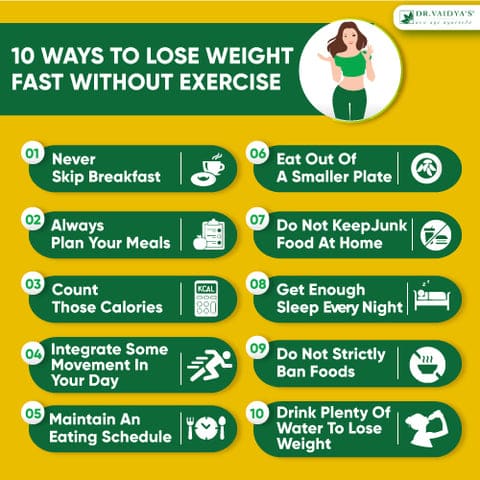
Losing weight without exercise refers to the process of reducing body weight solely through dietary changes and lifestyle adjustments, without engaging in physical activity. While exercise is generally recommended for its numerous health benefits, it is not always feasible or accessible for everyone. Understanding how to effectively lose weight without exercise provides an alternative approach for individuals looking to achieve their weight loss goals.
Exploring the benefits
There are several benefits to losing weight without exercise. Firstly, it allows individuals with physical limitations or health conditions that prevent them from engaging in physical activity to still achieve weight loss. Additionally, some people may simply have a preference for not exercising or find it difficult to incorporate into their busy schedules. By focusing on diet and other lifestyle factors, they can still experience the positive effects of weight loss, such as improved overall health, increased energy levels, boosted self-confidence, and reduced risk of chronic diseases.
Clarifying misconceptions
It is important to address and clarify misconceptions surrounding losing weight without exercise. While exercise can contribute to weight loss by burning calories, it is not the sole determinant of weight loss. Weight loss mainly occurs when there is a calorie deficit, which means consuming fewer calories than the body needs to maintain its current weight. By understanding the principles of calorie deficit and making appropriate dietary and lifestyle changes, it is possible to achieve weight loss without exercise in a healthy and sustainable manner.
Importance of Diet in Weight Loss
Choosing the right type of diet
When aiming for weight loss, it is crucial to choose a diet that is sustainable, balanced, and suits individual preferences and dietary restrictions. There is no one-size-fits-all approach to dieting, as different diets work differently for different people. Some popular options include low-carbohydrate diets, ketogenic diets, intermittent fasting, and plant-based diets. It is recommended to consult with a healthcare professional or registered dietitian to find the best diet plan that aligns with personal goals and needs.
Creating a calorie deficit
Achieving weight loss without exercise revolves around creating a calorie deficit. This means consuming fewer calories than the body needs to maintain its current weight, forcing it to utilize stored fat as an energy source. This can be accomplished through various dietary strategies, such as portion control, reducing overall calorie intake, or incorporating intermittent fasting. It is important to strike a balance that ensures adequate nutrient intake while still achieving the desired calorie deficit for sustainable weight loss.
Incorporating nutrients and vitamins
While reducing calorie intake is crucial for weight loss, it is equally important to ensure that the body receives adequate nutrients and vitamins for optimal health. A well-balanced diet should include a variety of fruits, vegetables, whole grains, lean proteins, and healthy fats. These provide essential nutrients, vitamins, and minerals that the body needs to function properly. Incorporating nutrient-dense foods into the diet helps maintain overall health and supports weight loss efforts.

Effective Dietary Strategies for Rapid Weight Loss
Intermittent fasting
Intermittent fasting is an eating pattern that cycles between periods of fasting and eating. This approach can help promote weight loss by restricting the time window during which food is consumed, effectively reducing overall calorie intake. Popular intermittent fasting methods include the 16/8 method (fasting for 16 hours and consuming all calories within an 8-hour window), alternate-day fasting, and the 5:2 diet (eating normally for five days and restricting calorie intake on two non-consecutive days). It is important to consult with a healthcare professional before embarking on an intermittent fasting regimen.
Reducing carbohydrate intake
Reducing carbohydrate intake can be an effective dietary strategy for rapid weight loss. Carbohydrates, especially refined carbohydrates and sugars, can cause spikes in blood sugar levels and lead to increased hunger and cravings. By opting for complex carbohydrates, such as whole grains, and reducing consumption of processed foods and sugary beverages, it is possible to lower overall calorie intake and promote weight loss.
Increasing protein consumption
Protein is an essential macronutrient that plays a crucial role in weight loss. It helps increase satiety, boost metabolism, and preserve lean muscle mass during periods of calorie restriction. Incorporating protein-rich foods, such as lean meats, poultry, fish, tofu, legumes, and Greek yogurt, can help promote feelings of fullness and support weight loss efforts.
Mindful eating
Practicing mindful eating involves paying attention to the body’s hunger and fullness cues, eating slowly, and savoring each bite. This approach can help prevent overeating and promote greater satisfaction from meals. By being present and mindful while eating, individuals can develop a healthier relationship with food, make better food choices, and better control portions.
Portion control
Controlling portion sizes is a critical aspect of weight loss. It is easy to consume more calories than necessary when portions are oversized. Using smaller plates and bowls, measuring food portions, and being mindful of serving sizes can help regulate calorie intake and support weight loss efforts.
Healthy Food Choices for Quick and Sustainable Weight Loss
Whole grains
Choosing whole grains over refined grains is a healthier choice when aiming for weight loss. Whole grains, such as quinoa, brown rice, whole wheat bread, and oatmeal, are rich in fiber and other nutrients, promoting feelings of fullness and helping to regulate blood sugar levels. They are also more nutrient-dense compared to refined grains, which have been stripped of their fiber and natural nutrients.
Fresh fruits and vegetables
Incorporating fresh fruits and vegetables into the diet is essential for quick and sustainable weight loss. They are low in calories, high in fiber, and packed with essential vitamins, minerals, and antioxidants. Fruits and vegetables can be enjoyed as snacks, added to meals, or used in smoothies and salads to increase overall nutrient intake while keeping calories in check.
Lean protein sources
Choosing lean protein sources, such as skinless poultry, fish, tofu, legumes, and low-fat dairy products, is beneficial for weight loss. Protein helps promote feelings of fullness and supports the body’s muscle preservation during calorie restriction. Including lean proteins in meals and snacks can help satisfy hunger and prevent overeating.
Plant-based alternatives
Plant-based alternatives, such as tofu, tempeh, seitan, and legumes, can be excellent choices for individuals looking to lose weight without exercise. These alternatives are often lower in calories and saturated fats compared to animal-based products. Additionally, they provide plant-based protein, fiber, and various vitamins and minerals.
Healthy fats
Incorporating healthy fats into the diet is important for overall health and weight loss. While fats are often associated with weight gain, it is the type and amount of fat that matters. Opting for sources of unsaturated fats, such as avocados, nuts, seeds, and olive oil, can provide essential fatty acids and promote satiety. These fats can be included in moderation as part of a balanced diet for sustainable weight loss.
Meal Planning and Preparation Tips
Meal prepping for convenience
Meal prepping involves preparing meals and snacks in advance to ensure quick and easy access to healthy options throughout the week. This can help avoid impulsive food choices and make it easier to stick to a weight loss plan. By dedicating a specific day or time to meal prepping, individuals can save time and effort while ensuring they have nutritious meals readily available.
Balancing macronutrients
Balancing macronutrients, such as carbohydrates, proteins, and fats, is essential for weight loss and overall health. Each meal should aim to include a combination of these macronutrients to provide a well-rounded nutritional profile. This helps control hunger, regulate blood sugar levels, and optimize energy levels throughout the day.
Including variety in meals
Incorporating a variety of foods into meals ensures a wide range of essential nutrients and prevents dietary boredom. Experimenting with different flavors, textures, and cuisines can make healthy eating more exciting and enjoyable. Including a variety of fruits, vegetables, whole grains, proteins, and healthy fats in meals helps provide a diverse and nutrient-rich diet.
Avoiding processed foods
Processed foods, such as fast food, sugary snacks, and packaged convenience meals, tend to be high in added sugars, unhealthy fats, and sodium. These foods often lack essential nutrients and can hinder weight loss efforts. Opting for whole, unprocessed foods allows for greater control over ingredients and ensures a higher nutrient content.
Mindful grocery shopping
Making conscious choices while grocery shopping is crucial for successful weight loss. Planning the shopping list in advance, focusing on fresh produce and whole foods, and avoiding impulse purchases of unhealthy snacks can help maintain a healthy eating routine. Shopping the perimeter of the grocery store, where fresh produce, lean meats, and dairy products are typically located, can help limit exposure to processed foods and unhealthy temptations.
Importance of Hydration in Weight Loss
Drinking enough water
Staying hydrated is not only important for overall health but also plays a significant role in weight loss. Drinking enough water helps regulate appetite, improve digestion, and support metabolism. It is recommended to consume at least 8 cups (64 ounces) of water per day, although individual needs may vary based on activity level and climate.
Beneficial effects of staying hydrated
Maintaining proper hydration offers several benefits for weight loss. Drinking water before meals can help promote feelings of fullness and prevent overeating. Additionally, adequate hydration supports bodily functions such as nutrient absorption, waste elimination, and energy production. Staying hydrated also helps prevent water retention and bloating, which can be mistaken for weight gain.
Replacing sugary beverages with water
Replacing sugary beverages, such as soda, energy drinks, and flavored juices, with water is a simple yet effective way to reduce overall calorie intake and support weight loss. These sugary beverages are often high in empty calories and contribute to weight gain. Choosing water as the primary beverage helps hydrate the body without adding unnecessary calories.
Incorporating herbal teas and infused water
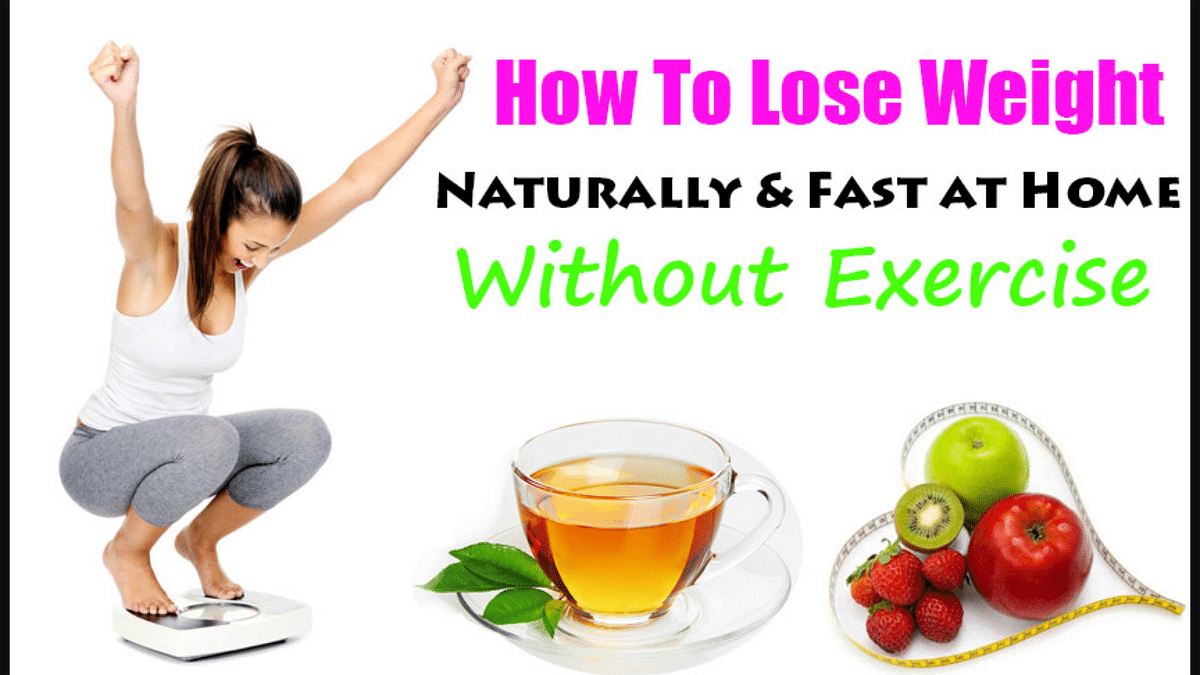
In addition to plain water, incorporating herbal teas and infused water can add variety and flavor while supporting hydration. Herbal teas, such as green tea and chamomile tea, provide antioxidants and have been linked to potential weight loss benefits. Infusing water with fruits, herbs, or vegetables can enhance the flavor and encourage increased water consumption. Lemon, cucumber, mint, and berries are popular choices for infused water.
Lifestyle Adjustments to Boost Weight Loss
Getting sufficient sleep
Sufficient sleep is essential for weight loss and overall well-being. Lack of sleep can disrupt hormonal balance, increase appetite, and contribute to cravings for unhealthy foods. Aim for 7-9 hours of quality sleep per night to support weight loss efforts and promote optimal health.
Managing stress levels
Chronic stress can sabotage weight loss efforts by triggering emotional eating and promoting the accumulation of belly fat. Engaging in stress-reducing activities, such as meditation, deep breathing exercises, yoga, or engaging in hobbies, can help manage stress levels and prevent emotional eating.
Practicing mindful eating
Mindful eating involves being fully present and attentive while eating, paying attention to hunger and fullness cues, and savoring the flavors and textures of food. It helps develop a healthier relationship with food and prevents overeating. Take time to enjoy meals, chew slowly, and listen to your body’s signals of hunger and satiety.
Including physical activity in daily routines
While this article focuses on losing weight without exercise, it is important to note that incorporating physical activity into daily routines can further support weight loss and overall health. Engaging in activities such as walking, taking the stairs, gardening, or dancing can help increase calorie expenditure and improve cardiovascular fitness. Find activities that are enjoyable and feasible to sustain long-term.
The Role of Supplements in Weight Loss
Understanding the need for supplements
Supplements can be a helpful addition to a weight loss plan, but they should not be considered a magic solution. While a well-rounded diet typically provides all necessary nutrients, certain individuals may benefit from specific supplements, especially when nutrient deficiencies are present. It is crucial to understand that supplements should be used to complement a healthy lifestyle and not as a replacement for a balanced diet.
Consulting a healthcare professional
When considering supplements for weight loss, it is recommended to consult with a healthcare professional or registered dietitian. They can assess individual needs, identify potential nutrient deficiencies, and provide personalized recommendations based on health history and goals. This ensures that supplements are safe, effective, and suitable for each individual’s unique circumstances.
Exploring safe and effective options
There is a wide range of supplements marketed for weight loss, making it essential to choose safe and effective options. Commonly used supplements for weight loss include fiber supplements, green tea extract, conjugated linoleic acid (CLA), and forskolin. However, it is important to note that individual responses to these supplements may vary, and proper dosage and usage instructions should be followed.
Avoiding overuse or dependency
It is crucial to approach supplements with caution and avoid overuse or dependency. Relying excessively on supplements for weight loss may lead to an unbalanced diet and hinder long-term success. Supplements should always be used in conjunction with a healthy eating plan and lifestyle modifications.
Monitoring and Evaluating Weight Loss Progress
Setting realistic goals
Setting realistic and achievable weight loss goals is important for long-term success. It is advisable to aim for gradual weight loss, typically 1-2 pounds per week, to ensure sustainable results. Setting overly ambitious goals can lead to frustration and discouragement if they are not met within a certain timeframe.
Weighing and measuring regularly
Tracking progress through regular weigh-ins and measurements can provide valuable feedback on weight loss efforts. However, it is important to remember that weight fluctuates naturally and can be influenced by factors such as fluid retention and muscle gain. It may be more informative to focus on non-scale victories, such as improved energy levels, increased physical fitness, or looser-fitting clothes, as indicators of progress.
Keeping track of food intake
Keeping a food journal or using a smartphone app to track food intake can help increase awareness of eating habits and identify areas for improvement. Record each meal and snack, including portion sizes and ingredients, to gain a comprehensive understanding of calorie intake and nutrient composition. This can help identify patterns, trigger foods, and areas where changes can be made to support weight loss.
Seeking professional guidance
If struggling to achieve weight loss goals or experiencing challenges along the journey, it is beneficial to seek professional guidance. Consulting with a registered dietitian, nutritionist, or weight loss specialist can provide personalized advice, support, and tailored recommendations. They can address individual needs and help develop a realistic and sustainable approach to weight loss.
Maintaining Weight Loss in the Long Run
Adopting a sustainable lifestyle
To maintain weight loss in the long run, it is important to adopt a sustainable lifestyle. This involves making permanent changes to dietary habits, activity levels, and overall health behaviors. Rather than viewing weight loss as a temporary endeavor, focus on creating lifelong habits that promote overall well-being and weight maintenance.
Continuing healthy eating habits
After achieving weight loss goals, it is crucial to continue practicing healthy eating habits. This includes consuming a well-balanced diet that is rich in fruits, vegetables, whole grains, lean proteins, and healthy fats. Consistency and moderation are key in maintaining weight loss and preventing weight regain.
Regular physical activity
Incorporating regular physical activity into daily routines is essential for weight maintenance. Engaging in activities that are enjoyable and sustainable, such as walking, swimming, cycling, or group fitness classes, helps burn calories, improve fitness levels, and support overall health. Aim for at least 150 minutes of moderate-intensity aerobic activity or 75 minutes of vigorous-intensity aerobic activity per week, along with strength training exercises twice a week.
Building a support system
Having a support system can greatly contribute to successful weight maintenance. Surround yourself with family, friends, or a community that supports your health goals and encourages positive behaviors. Sharing insights, challenges, and triumphs with others who have similar goals can provide motivation, accountability, and a sense of belonging.
Celebrating milestones
As you continue your weight loss journey and maintain your progress, remember to celebrate milestones along the way. Recognize and reward yourself for achievements, whether it be reaching a certain weight, fitting into a smaller clothing size, or completing a physical challenge. Celebrating milestones reinforces positive behaviors and boosts motivation to continue living a healthy and fulfilling lifestyle.
Losing weight without exercise is possible through strategic dietary choices, lifestyle adjustments, and maintaining a balanced approach to overall health. By understanding the principles and strategies outlined in this comprehensive article, you can embark on a successful weight loss journey and achieve your goals in a sustainable and enjoyable way. Remember to consult with healthcare professionals and seek personalized guidance when necessary to ensure safe and effective weight loss practices.