
Are you tired of feeling bloated and uncomfortable after a meal? Do you often find yourself overeating and regretting it later? Well, look no further! In this article, you will learn all about the Fullness Factor and how it can help you avoid overeating and feel more satisfied after every meal. By understanding the Fullness Factor and incorporating it into your eating habits, you can enjoy a healthier relationship with food and say goodbye to the post-meal guilt. So, let’s dive in and discover the secret to a more satisfying dining experience!
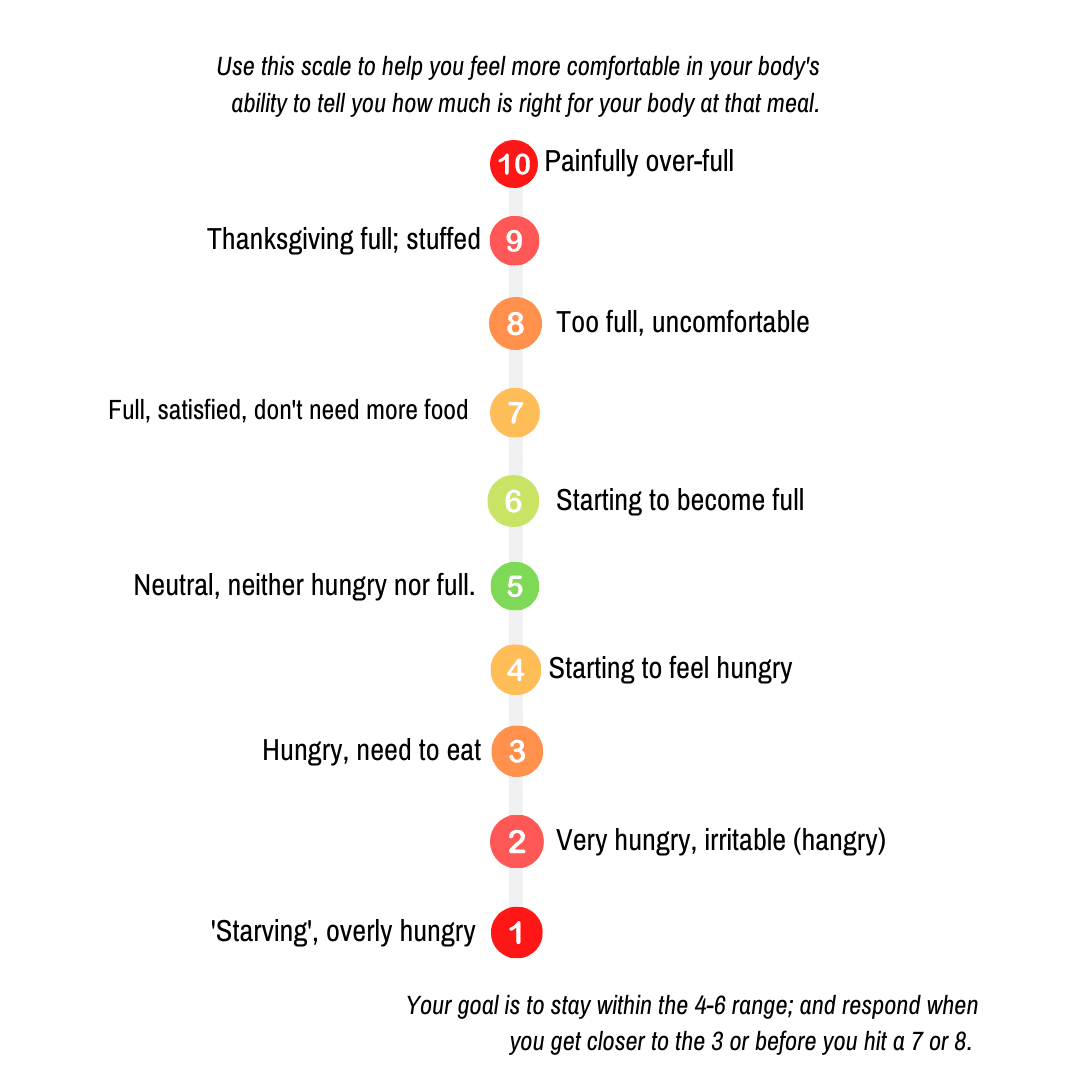
Understanding the Fullness Factor
What is the Fullness Factor?
The Fullness Factor is a concept that helps individuals understand and manage their feelings of satiety after a meal. It is a measure of how satisfied and full you feel after consuming a particular food or meal. The Fullness Factor takes various factors into account, such as the composition of the food, its nutrient density, and the portion size.
Why is it important?
Understanding the Fullness Factor is important because it can help individuals make healthier food choices and manage their weight more effectively. By considering the Fullness Factor, you can select foods that have a higher satiety value, meaning they keep you feeling fuller for longer, reducing the likelihood of overeating or snacking between meals.
How does it help with weight management?
The Fullness Factor plays a crucial role in weight management. Choosing foods with a higher Fullness Factor can help you control your calorie intake by naturally reducing the amount of food you consume. By selecting foods that keep you feeling satisfied for a longer duration, you are less likely to engage in mindless snacking or overeating, resulting in weight loss or weight maintenance.
Factors that influence the Fullness Factor
Several factors influence the Fullness Factor of a food or meal. The composition of the food, including its protein, fiber, and water content, significantly impacts how full it makes you feel. Nutrient density, which refers to the overall nutritional value of a food in relation to its calorie content, also influences the Fullness Factor. Additionally, portion size and eating speed can affect how satisfied you feel after a meal.
Mindful Eating
Practicing mindful eating
Mindful eating is a practice that involves being fully present and aware of the food you are consuming. By practicing mindful eating, you pay attention to your senses, thoughts, and emotions associated with eating. This practice helps you slow down, savor each bite, and tune in to your body’s hunger and fullness cues.
Benefits of mindful eating
Mindful eating has numerous benefits beyond just enhancing the Fullness Factor. It allows you to develop a healthier relationship with food, reduces emotional and mindless eating, and promotes better digestion. By being more in tune with your body’s signals, you can make informed choices about portion sizes and food selections, leading to improved weight management and overall well-being.
Techniques to enhance mindful eating
To enhance your mindful eating practice, start by creating a calm and distraction-free eating environment. Take your time to eat, chew slowly, and savor the flavors and textures of your food. Pause between bites to assess your level of fullness. Avoid multitasking while eating and focus solely on enjoying your meal. Additionally, practicing gratitude for the food you are eating can help cultivate a positive relationship with eating.
How mindful eating affects the Fullness Factor
Mindful eating enhances the Fullness Factor by allowing you to fully experience and appreciate your food. By paying attention to your body’s cues, you can recognize when you are starting to feel satisfied and avoid overeating. Mindful eating encourages you to eat in a calm and relaxed manner, promoting better digestion and nutrient absorption. When you eat mindfully, you are more likely to make satisfying and nourishing food choices, contributing to a higher Fullness Factor.
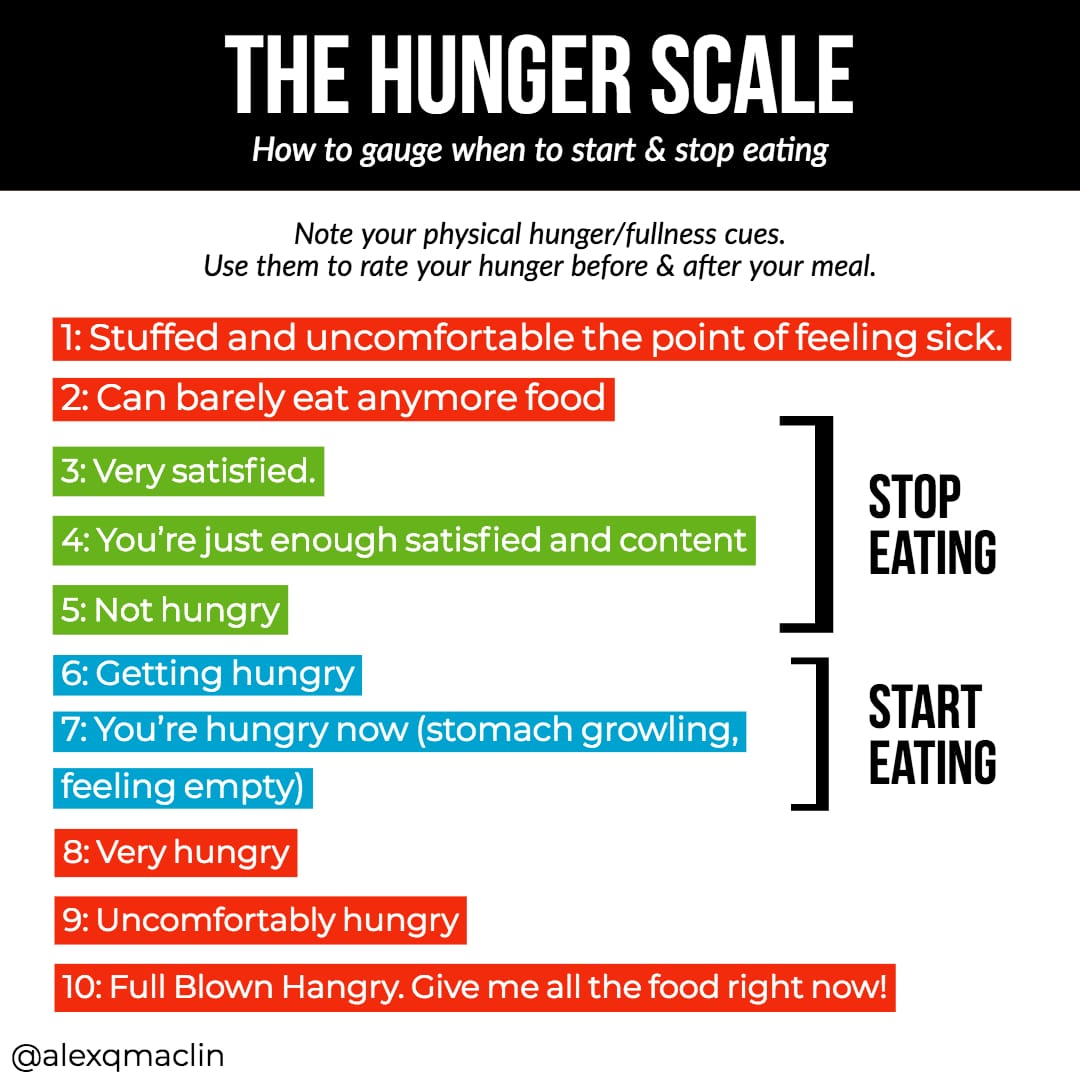
Choosing Nutrient-Dense Foods
Definition of nutrient-dense foods
Nutrient-dense foods are those that provide a high amount of essential nutrients, such as vitamins, minerals, and antioxidants, relative to their calorie content. These foods are rich in vitamins, minerals, and other beneficial compounds that support optimal health. Nutrient-dense foods are generally less processed and contain fewer added sugars and unhealthy fats.
Benefits of consuming nutrient-dense foods
Consuming nutrient-dense foods is beneficial for overall health and well-being. These foods provide your body with the necessary nutrients to function at its best, support immune function, and maintain optimal energy levels. Additionally, nutrient-dense foods are often more filling due to their high fiber, protein, and water content, contributing to a higher Fullness Factor.
Examples of nutrient-dense foods
Examples of nutrient-dense foods include fruits and vegetables, whole grains, lean proteins, legumes, nuts, and seeds. These foods are packed with vitamins, minerals, fiber, and antioxidants, while being relatively low in calories. By incorporating a variety of these foods into your diet, you can enhance the Fullness Factor and promote a healthy weight.
How nutrient-dense foods contribute to satiety
Nutrient-dense foods contribute to satiety by providing a combination of fiber, protein, and essential nutrients. Fiber adds bulk to your meals, promoting a feeling of fullness. Protein helps regulate hunger hormones and slows down digestion, helping you feel more satisfied. By consuming nutrient-dense foods, you are nourishing your body while naturally controlling your appetite and promoting a higher Fullness Factor.
Including Protein in Meals
Role of protein in satiety
Protein plays a crucial role in satiety due to its effect on appetite-regulating hormones. When you consume protein-rich foods, they stimulate the release of hormones, such as peptide YY and glucagon-like peptide 1, that suppress hunger and increase feelings of fullness. Including an adequate amount of protein in your meals can help you feel satisfied for a longer duration.
Recommended protein intake
The recommended protein intake varies based on factors such as age, sex, activity level, and overall health. However, a general guideline suggests that adults should aim for around 0.8 grams of protein per kilogram of body weight. Athletes or individuals with specific health conditions may require higher protein intake. Consulting with a healthcare professional or registered dietitian can provide personalized protein recommendations.
Sources of high-quality protein
High-quality protein sources include lean meats, poultry, fish, eggs, dairy products, legumes, tofu, tempeh, and seitan. These foods provide all the essential amino acids required by the body. By including a variety of high-quality protein sources in your meals, you can enhance the Fullness Factor and ensure optimal muscle repair and growth.
Combining protein with other nutrients for optimal fullness
To further enhance the Fullness Factor, consider combining protein-rich foods with sources of dietary fiber and healthy fats. This combination creates a well-rounded meal that promotes feelings of fullness and sustained energy. For example, pairing grilled chicken breast with a side of roasted vegetables and a small serving of quinoa provides a balanced meal that keeps you satisfied for longer.

Fiber for Satiety
Importance of dietary fiber
Dietary fiber plays a vital role in maintaining overall health and promoting satiety. It is the indigestible part of plant foods that adds bulk to your diet, aids in digestion, and supports regular bowel movements. Consuming an adequate amount of dietary fiber is essential for optimal gut health and overall well-being.
Different types of dietary fiber
There are two main types of dietary fiber: soluble and insoluble fiber. Soluble fiber dissolves in water and forms a gel-like substance in the digestive tract. It helps slow down digestion and promotes feelings of fullness. Insoluble fiber does not dissolve in water and adds bulk to your stool, aiding in regular bowel movements.
Foods rich in fiber
Foods rich in fiber include fruits, vegetables, whole grains, legumes, nuts, and seeds. It is important to include a variety of these foods in your diet to ensure an adequate fiber intake. For example, incorporating foods like oats, berries, broccoli, lentils, almonds, and chia seeds provides a diverse range of fiber sources that can help enhance the Fullness Factor.
How fiber aids in feeling satisfied
Dietary fiber aids in feelings of satisfaction by adding bulk to your meals without adding excessive calories. When you consume fiber-rich foods, they absorb water and expand in the stomach, promoting a feeling of fullness. Additionally, fiber slows down the emptying of the stomach, keeping you feeling satisfied for longer periods. Including fiber in your meals contributes to a higher Fullness Factor and supports weight management.
Hydration and Fullness
The link between hydration and satiety
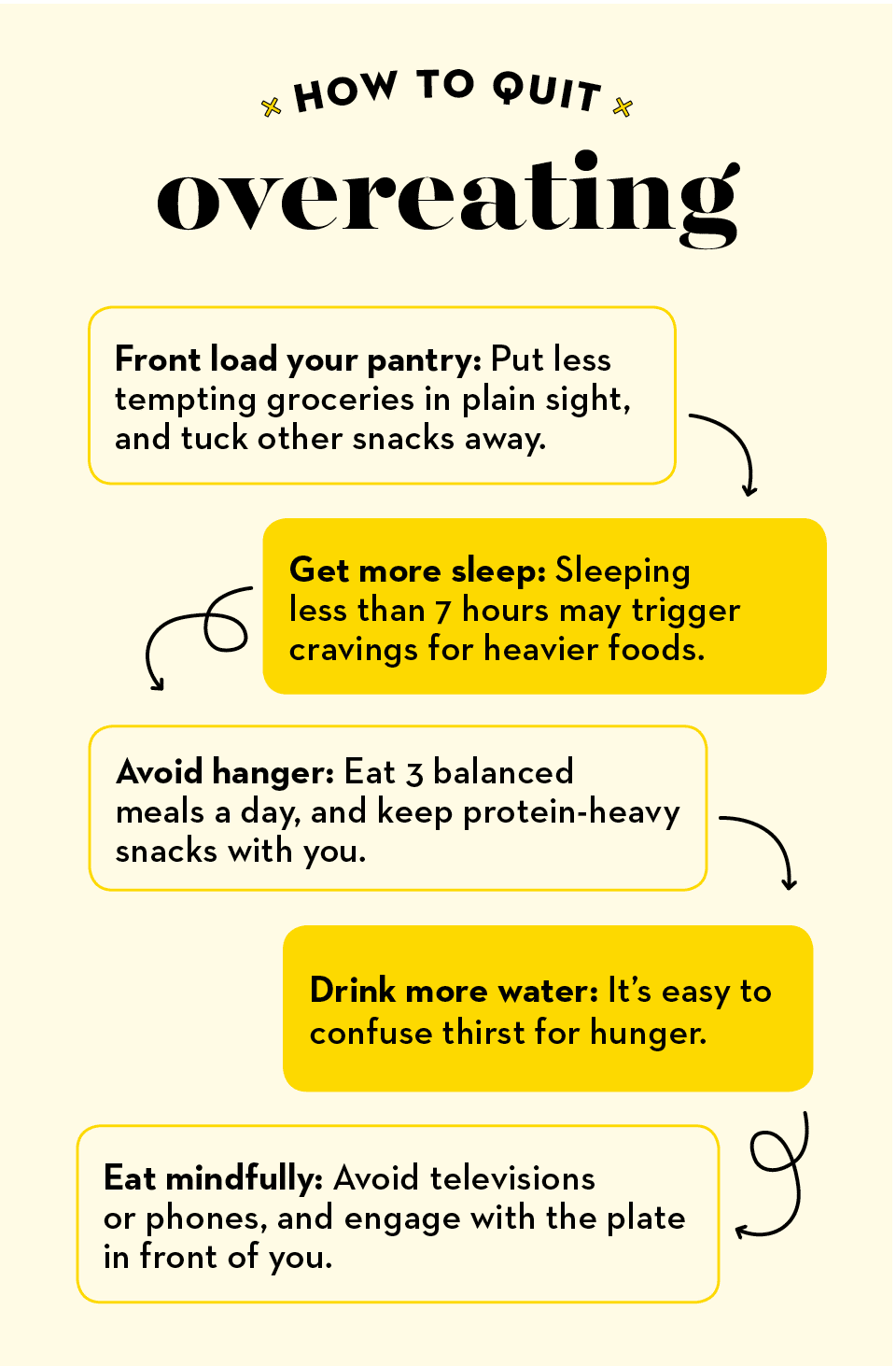
Hydration plays a significant role in satiety and overall well-being. Dehydration can often masquerade as hunger, leading to unnecessary snacking or overeating. By staying adequately hydrated, you can differentiate between genuine hunger and thirst, preventing excessive calorie intake.
Benefits of drinking water before meals
Drinking water before meals has several benefits when it comes to enhancing the Fullness Factor. By consuming a glass of water before a meal, you create a sense of fullness in your stomach, reducing the amount of food you consume. Water also helps with digestion, ensuring that your body properly absorbs the nutrients from the meal. Additionally, staying hydrated can help optimize your body’s metabolic processes, supporting weight management efforts.
Other hydrating beverages to consider
While water is the best choice for hydration, other beverages can also contribute to your fluid intake. Herbal teas, iced tea, sparkling water, and infused water are refreshing options that can keep you hydrated without added sugars or excessive calories. Be mindful of sugary beverages, as they may have a negative impact on the Fullness Factor and overall health.
The effectiveness of liquid calories in achieving fullness
Liquid calories, such as sugary drinks or fruit juices, are typically less effective in promoting fullness compared to whole foods. Drinking calories does not provide the same level of satiety as consuming solid foods. It is important to consider the calorie content of any beverages you consume and choose options that support the Fullness Factor rather than hinder it.
Savoring Each Bite
The art of savoring
Savoring each bite is about fully experiencing and appreciating the flavors, textures, and aromas of your food. By practicing the art of savoring, you bring mindfulness to your eating experience and enhance the enjoyment of your meals.
Benefits of slow eating
Eating slowly has several benefits when it comes to the Fullness Factor. When you eat slowly, you give your body enough time to send signals of fullness to your brain. This can prevent overeating, as you are more likely to feel satisfied with smaller portions. Slow eating also aids in proper digestion, allowing your body to extract maximum nutrients from the food.
Techniques to savor every bite
To savor every bite, start by chewing your food thoroughly and paying attention to the flavors and textures in your mouth. Take a moment to pause between bites and notice any sensations or changes in your level of fullness. Engage your senses by appreciating the aroma of your food, the visual appeal of the dish, and the sound of each bite. By practicing these techniques, you can fully immerse yourself in the eating experience and enhance the Fullness Factor.
How savoring enhances the Fullness Factor
Savoring each bite enhances the Fullness Factor by allowing you to fully experience and enjoy your meal. By slowing down and being present in the moment, you become more attuned to your body’s cues of hunger and fullness. This awareness makes it easier to recognize when you are satisfied and prevent overeating. Savoring also promotes mindful eating, creating a positive relationship with food and enhancing overall satisfaction with your meals.
Portion Control and Fullness
Understanding portion sizes
Portion sizes refer to the amount of food you choose to eat at a given time. Understanding portion sizes is essential for managing your calorie intake and optimizing the Fullness Factor. It is common for portion sizes to be larger than what is necessary for physiological satiety, leading to overeating.
Strategies for portion control
To practice portion control, start by becoming familiar with recommended serving sizes for different foods. Use measuring cups, food scales, or visual cues to accurately portion your meals. Learn to listen to your body’s hunger and fullness cues, stopping eating when you feel satisfied rather than continuing to finish what is on your plate. Reducing plate sizes and using smaller bowls or plates can also help naturally limit portion sizes.
Plate composition for ultimate satisfaction
When it comes to plate composition, aim to include a balance of macronutrients and colors. Fill half of your plate with colorful non-starchy vegetables, one quarter with lean proteins, and one quarter with whole grains or starchy vegetables. Including a small amount of healthy fats, such as olive oil or avocado, can enhance the flavors and promote a higher Fullness Factor.
How portion control impacts the Fullness Factor
Practicing portion control has a direct impact on the Fullness Factor by ensuring you consume an appropriate amount of food for your needs. By controlling and reducing portion sizes, you are more likely to eat in alignment with your body’s energy requirements, reducing the risk of overeating. Portion control promotes mindful eating, allowing you to fully enjoy your meals while maintaining a healthy weight.

Minimizing Distractions
The impact of distractions on overeating
Eating while distracted, such as watching TV, scrolling through your phone, or working, can lead to mindless eating and overeating. When your attention is divided, you may not fully notice or register the amount of food you are consuming, resulting in excessive calorie intake.
Creating an environment free from distractions
To minimize distractions during meals, create an environment that promotes focused eating. Designate specific areas, such as a dining table or kitchen counter, for eating and avoid eating in places associated with work or screen time. Turn off electronic devices and create boundaries for mealtime, allowing yourself the opportunity to fully engage with your food and enhance the Fullness Factor.
Practices to promote mindful eating without distractions
Practices such as setting a designated mealtime, using mealtime rituals, and engaging in conversation with loved ones can promote mindful eating without distractions. Use mealtime as an opportunity to connect with others and savor your food. Chew slowly, appreciate the flavors, and focus on the nourishment you are providing your body. By incorporating these practices, you can increase the Fullness Factor and foster a healthier relationship with food.
Effect of minimized distractions on the Fullness Factor
Minimizing distractions during meals has a positive effect on the Fullness Factor. By focusing solely on your food, you can better recognize your body’s signals of hunger and fullness. This allows you to tune in to your body’s needs and make informed decisions about portion sizes and the timing of your meals. Minimizing distractions fosters mindful eating, helping you avoid overeating and feel more satisfied with your meals.
Conclusion
Understanding the Fullness Factor and implementing strategies such as mindful eating, choosing nutrient-dense foods, including protein and fiber in meals, staying hydrated, savoring each bite, practicing portion control, and minimizing distractions can help you avoid overeating and feel satisfied with your meals. By incorporating these practices into your lifestyle, you can optimize the Fullness Factor, support weight management efforts, and promote overall well-being. Remember that everyone’s journey to finding the right balance is unique, so experiment with different techniques and listen to your body’s signals to determine what works best for you.