
Are you looking for an effective way to shed those extra pounds and achieve a fitter, healthier body? Look no further than HIIT workouts! High-Intensity Interval Training, or HIIT, has gained considerable popularity in recent years for its ability to burn fat and boost overall fitness levels. In this article, we’ll explore the benefits of HIIT workouts for weight loss and provide you with some helpful tips to incorporate this challenging yet rewarding training method into your fitness routine. Get ready to sweat, push your limits, and achieve your weight loss goals with HIIT!
What is HIIT?
Definition
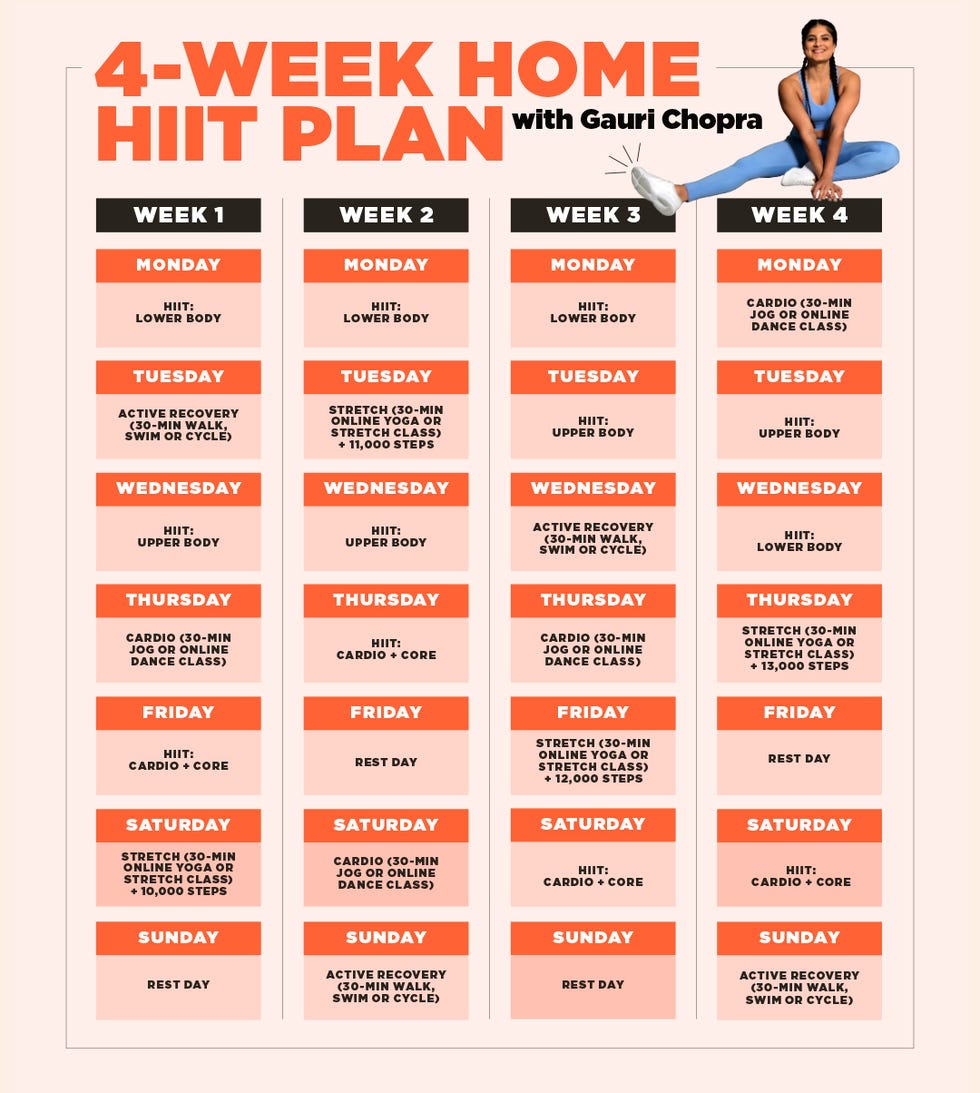
HIIT, or High-Intensity Interval Training, is a type of exercise that involves short bursts of high-intensity activity followed by periods of rest or lower-intensity exercise. This workout method is designed to push your body to its limits and maximize calorie burn in a shorter amount of time compared to traditional cardio workouts. By alternating between high-intensity exercises and recovery periods, HIIT workouts challenge your cardiovascular system, increase your metabolism, and help you achieve your weight loss goals.
Benefits
There are numerous benefits to incorporating HIIT into your fitness routine. Firstly, HIIT workouts are extremely time-efficient. With our busy lives, finding the time for lengthy workouts can be a challenge, but with HIIT, you can reap the same benefits in less time. Additionally, this training style helps to boost your metabolism, allowing you to continue burning calories even after you finish your workout. HIIT also helps to improve your cardiovascular and respiratory health, increase your endurance, and build lean muscle mass. Furthermore, HIIT workouts can be adapted to various fitness levels and can be done with minimal equipment.
How HIIT Works for Weight Loss
Increased Caloric Burn
HIIT workouts are known for their ability to burn a significant amount of calories in a short period of time. By engaging in high-intensity exercises, such as sprinting or burpees, you create an oxygen debt in your body. This debt prompts your body to continue burning calories even after you finish your workout, leading to increased calorie burn throughout the day. In fact, studies have shown that HIIT workouts can result in up to 25% more calories burned compared to other forms of exercise.
Post-Exercise Calorie Burn
One of the key benefits of HIIT is the afterburn effect, also known as excess post-exercise oxygen consumption (EPOC). After completing a HIIT workout, your body continues to work hard to restore oxygen levels, repair tissue, and replenish energy stores. This means that even when you’re done exercising, your body is burning calories at an accelerated rate. This post-exercise calorie burn can last for up to 24 hours, making HIIT an effective tool for weight loss.
Preservation of Muscle Mass
Unlike some forms of cardio exercises that may lead to muscle loss along with fat loss, HIIT workouts are effective at preserving muscle mass. The high-intensity nature of HIIT activates both aerobic and anaerobic systems, allowing you to burn fat while also stimulating muscle growth. This preservation of muscle mass is crucial for weight loss, as muscles are metabolically active tissues that burn calories even at rest. By maintaining and building muscle through HIIT, you can boost your metabolism and enhance your overall weight loss efforts.
Choosing HIIT Exercises
Identifying Your Fitness Level
When selecting HIIT exercises, it’s important to consider your current fitness level. HIIT workouts can be intense, so if you’re new to exercise or have any underlying health conditions, it’s best to start with low-impact exercises and gradually increase the intensity as you become more comfortable and stronger. This will help prevent injuries and make your HIIT experience more enjoyable.
Considering Your Preferences
To ensure you stick to your HIIT routine, it’s important to choose exercises that you enjoy. HIIT can be done using a variety of exercises, such as running, cycling, jumping jacks, or bodyweight exercises like squats and push-ups. By selecting activities that you find fun and engaging, you’ll be more motivated to continue with your workouts and increase your chances of achieving long-term success.
Mixing Cardio and Strength Training
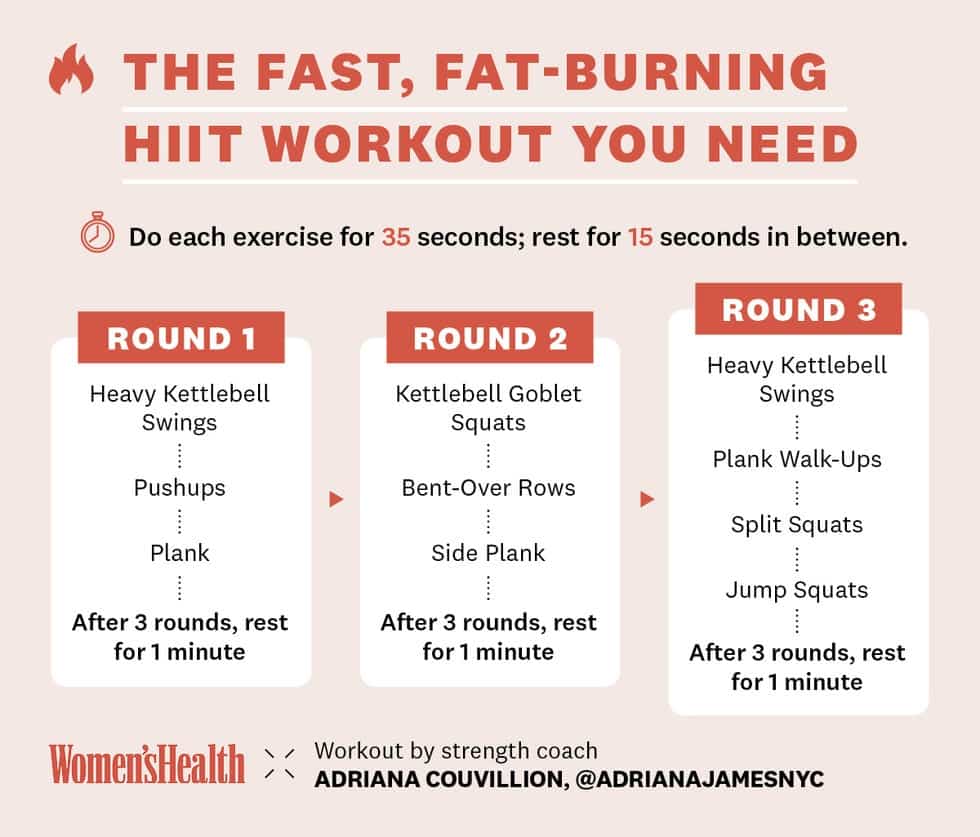
For a well-rounded HIIT workout that promotes weight loss, it’s beneficial to mix both cardio and strength training exercises. Cardio exercises like jumping rope or high knees elevate your heart rate and improve cardiovascular endurance, while strength training exercises like lunges or kettlebell swings help build muscle strength and tone your body. By incorporating both types of exercises into your routine, you can maximize your calorie burn, improve overall fitness, and achieve balanced weight loss results.
Sample HIIT Workout Routine
Warm-Up
Before diving into a high-intensity workout, it’s crucial to prepare your body by warming up. A proper warm-up increases blood flow to the muscles, improves flexibility, and reduces the risk of injuries. Start with 5-10 minutes of light cardio, such as jogging in place or brisk walking. Then, perform dynamic stretches to target major muscle groups, such as arm circles, leg swings, or trunk rotations.
Workout Intervals
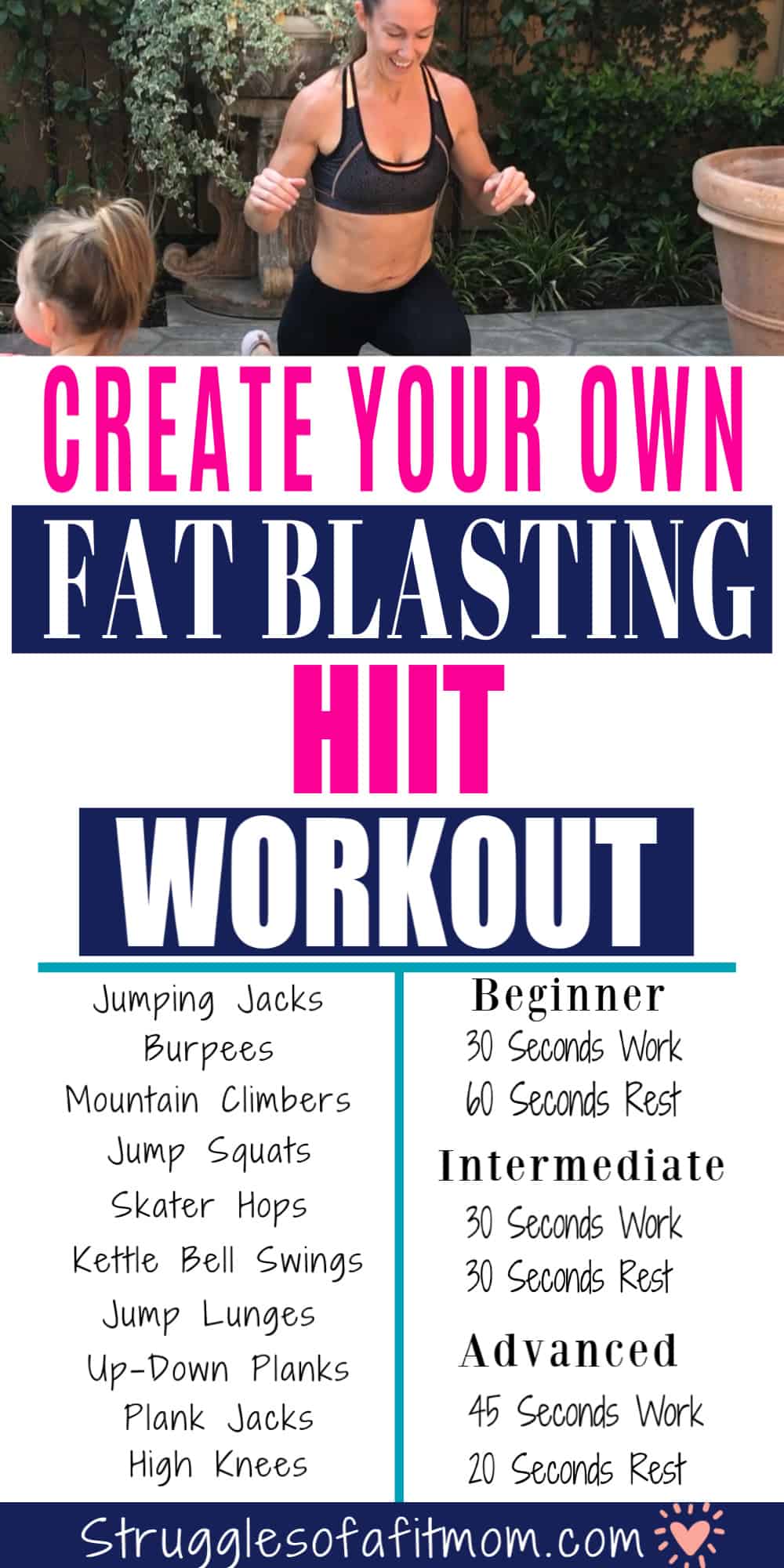
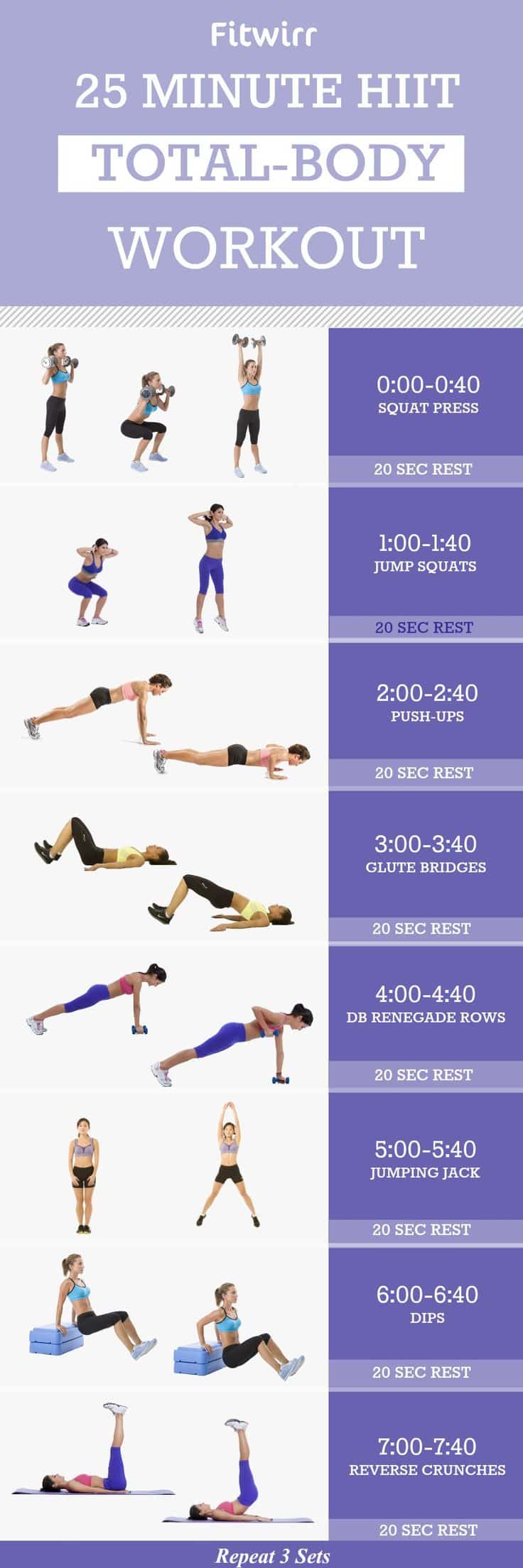
The core of a HIIT workout consists of alternating periods of high-intensity exercise with short recovery periods. A typical HIIT session can range from 20 to 40 minutes, including warm-up and cool-down. During the high-intensity intervals, aim to push yourself to about 80-90% of your maximum effort. This could involve exercises like sprinting, squat jumps, or burpees. Perform each exercise for 20-30 seconds, followed by a 10-20 second rest or active recovery, such as walking or jogging in place.
Cool Down
After completing the high-intensity intervals, it’s important to allow your body to gradually return to its resting state. This can be done through a cool-down routine consisting of 5-10 minutes of light cardio, followed by static stretches targeting major muscle groups. Stretching helps to reduce muscle soreness, improve flexibility, and promote better recovery.
Proper Form and Technique
Breathing
Proper breathing technique is essential during HIIT workouts to optimize performance and prevent dizziness or lightheadedness. Focus on inhaling deeply through your nose during the recovery periods, and exhale forcefully through your mouth during the high-intensity intervals. This allows for efficient oxygen exchange and helps you maintain a steady rhythm throughout your workout.
Correct Body Alignment
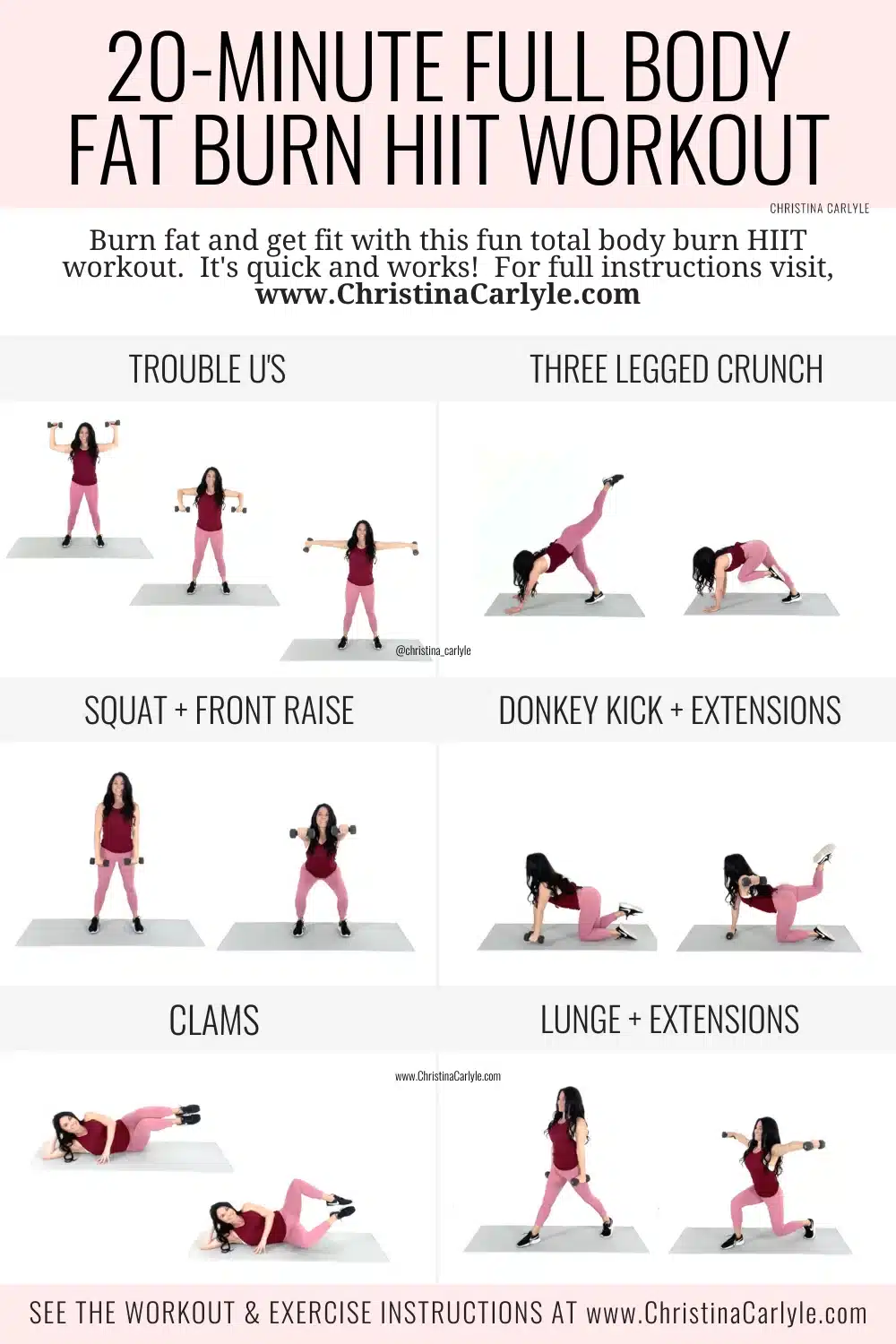
Maintaining correct alignment during HIIT exercises is crucial for preventing injuries and maximizing the effectiveness of each movement. Pay attention to your posture, keeping your core engaged and shoulders relaxed. Keep your knees aligned with your toes during exercises that involve lower body movements, and ensure a neutral spine position. If you’re unsure about proper form, consider working with a certified fitness professional who can guide you and provide feedback.
Modifications for Safety
HIIT workouts can be intense, and it’s important to listen to your body and make modifications as needed. If an exercise feels too challenging or causes pain, consider modifying the movement or opting for a lower-impact variation. For example, if squat jumps are too intense, you can switch to regular squats. Always prioritize safety and choose exercises that allow you to maintain proper form and stay within your fitness level.
Tips for Effective HIIT Workouts
Progressive Overload
To continue seeing progress in your HIIT workouts, it’s important to incorporate progressive overload. This means gradually increasing the intensity, duration, or complexity of your workouts over time. By continually challenging your body, you promote muscle growth, keep your metabolism elevated, and prevent plateaus in your weight loss journey. This can be achieved by increasing the intensity of your intervals, adding resistance, or incorporating new exercises into your routine.
Consistency
Consistency is key when it comes to reaping the benefits of HIIT workouts. Aim for at least 3-4 HIIT sessions per week to achieve noticeable results. Consistency not only helps you build endurance and improve your fitness levels, but it also creates a habit that becomes easier to maintain in the long run. Remember, even short, high-intensity workouts can make a significant impact on your weight loss goals when done consistently.
Recovery and Rest
While pushing yourself during HIIT workouts is important, so is allowing your body time to recover. HIIT places a significant demand on your muscles and cardiovascular system, so it’s crucial to incorporate rest days into your routine. Rest and recovery allow your body to repair and rebuild, preventing fatigue, overtraining, and injuries. On your rest days, focus on gentle activities like yoga or stretching to promote flexibility and mobility.
Common HIIT Mistakes to Avoid
Skipping Warm-Up and Cool Down
It can be tempting to jump right into the intense part of your workout, especially if you’re short on time. However, skipping the warm-up and cool-down can increase your risk of injury and hinder your overall performance. Always make time for a proper warm-up and cool-down to prepare your body and facilitate recovery.
Lack of Variety
Repeating the same exercises over and over can lead to boredom and a plateau in results. Keep your HIIT workouts fun and exciting by incorporating a variety of exercises and workout formats. This not only keeps you engaged but also challenges your body in different ways, leading to better overall progress.
Overtraining
While HIIT can be highly effective for weight loss, it’s important to listen to your body and avoid overtraining. Overtraining can lead to excessive fatigue, decreased performance, and an increased risk of injuries. Be mindful of how your body feels and prioritize rest and recovery as needed. If you experience persistent muscle soreness, extreme fatigue, or any unusual pain, consider taking a break or consulting with a healthcare professional.
Safety Considerations
Consulting with a Doctor
Before starting any new exercise program, especially if you have any pre-existing health conditions or injuries, it’s important to consult with your doctor. They can assess your overall health and provide guidance on whether HIIT workouts are suitable for you, and if any modifications are necessary. Your doctor can also help you determine the appropriate intensity and duration of your workouts based on your individual needs.
Start Slowly
If you’re new to HIIT or exercise in general, it’s important to start slowly and gradually increase the intensity and duration of your workouts. This allows your body to adapt to the demands of HIIT and reduces the risk of injuries. Begin with shorter intervals and longer rest periods, gradually increasing the intensity and decreasing the rest time as your fitness improves.
Listening to Your Body
One of the most important safety considerations during HIIT workouts is listening to your body. Pay attention to any pain, discomfort, or signs of exhaustion. It’s normal to push yourself during high-intensity intervals, but you should still be able to breathe properly and maintain good form. If something feels off or you experience excessive fatigue or dizziness, it’s important to take a break and modify your workout if necessary.
Nutrition for HIIT Workouts and Weight Loss
Pre-Workout Fuel
To optimize your performance during HIIT workouts, it’s important to fuel your body properly. About 1-2 hours before your workout, consume a balanced meal or snack that includes carbohydrates for energy and protein to support muscle repair and growth. Examples of pre-workout fuel can include a banana with peanut butter or yogurt with granola.
Post-Workout Recovery
After a demanding HIIT workout, your body needs nutrients to replenish energy stores and aid in muscle recovery. Include a post-workout meal or snack within 30-60 minutes of exercising. Aim for a combination of protein and carbohydrates to support muscle repair and replenish glycogen stores. Examples of post-workout recovery meals can include a chicken breast with sweet potatoes or a protein smoothie with fruits and vegetables.
Balanced Diet
While HIIT workouts can aid in weight loss, it’s important to remember that nutrition plays a significant role in overall health and weight management. While HIIT can increase calorie burn, a balanced diet consisting of whole foods, lean proteins, healthy fats, and complex carbohydrates will further support your weight loss efforts. Be sure to prioritize nutrient-dense foods and avoid excessive calorie restriction, as it can negatively impact your energy levels and overall well-being.
Conclusion
HIIT workouts are a highly effective and time-efficient way to burn fat, improve cardiovascular health, and achieve your weight loss goals. By incorporating HIIT into your fitness routine, you can increase your calorie burn, preserve muscle mass, and enjoy the many benefits of this exercise method. Remember to choose exercises that align with your fitness level and preferences, focus on proper form and technique, and listen to your body for optimal results. With consistency, progressive overload, and proper nutrition, HIIT can contribute to a successful weight loss journey and help you get fit. So grab your sneakers, get ready to sweat, and start reaping the rewards of HIIT today!