
Are you constantly battling with cravings that derail your healthy eating goals? In this article, you will uncover the secrets behind your cravings and learn effective strategies to manage them. By understanding the underlying factors that contribute to your appetite, you can take control of your cravings and make healthier choices. Get ready to decode the mysteries of your cravings and pave the way for a more balanced and fulfilling relationship with food.
The Science of Cravings
Cravings are a fascinating aspect of human physiology and psychology. They can be described as intense desires for specific foods or flavors that can be difficult to resist. Understanding how cravings are formed and the factors that influence them can help us gain control over our eating habits. In this article, we will explore the science behind cravings, including the role of neurotransmitters and hormones, as well as the connection between cravings and emotions.
How Cravings Are Formed
Cravings are often a result of the brain’s reward system. When we eat certain foods, especially those high in sugar, fat, or salt, our brain releases dopamine, a neurotransmitter associated with pleasure and reward. This dopamine release creates a positive association with the food, making us crave it again in the future.
Another factor in the formation of cravings is conditioning. If we repeatedly consume a particular food in response to certain stimuli, such as stress or boredom, our brain associates that food with those emotions or situations, leading to cravings whenever we encounter them.
The Role of Neurotransmitters in Cravings
Neurotransmitters play a crucial role in the formation and regulation of cravings. Dopamine, as mentioned earlier, is responsible for the pleasurable feelings associated with eating certain foods. Serotonin, another neurotransmitter, helps regulate mood and appetite. Low serotonin levels have been linked to increased carbohydrate cravings, as consuming carbs can temporarily boost serotonin levels and improve mood.
GABA, another neurotransmitter, is involved in regulating cravings and impulse control. When GABA levels are low, cravings for alcohol, sugar, and other addictive substances may be more potent.
The Impact of Hormones on Cravings
Hormones also play a significant role in cravings. Ghrelin, often referred to as the hunger hormone, is primarily responsible for signaling hunger to the brain. It increases before meals and decreases after eating. However, certain factors like stress and lack of sleep can disrupt the normal regulation of ghrelin, leading to increased cravings.
Leptin, known as the satiety hormone, signals to the brain when we are full and should stop eating. Leptin resistance, commonly seen in individuals with obesity, can lead to constant feelings of hunger and an increased risk of cravings.
The Connection Between Cravings and Emotions
Cravings and emotions are closely intertwined. Many people turn to food for comfort or as a coping mechanism when they are experiencing stress, sadness, or boredom. Emotional triggers, such as relationship issues or work-related stress, can prompt cravings for specific foods that provide temporary relief or distraction.
The brain’s reward system, with its release of dopamine, further reinforces the association between specific foods and positive emotions. This connection can make it challenging to differentiate between genuine hunger and emotional cravings.
Common Types of Cravings
Cravings can manifest in various forms, each associated with different types of foods. By understanding these common types of cravings, we can better address our specific dietary requirements and manage our food choices.
Sugar Cravings
Sugar cravings are one of the most prevalent types of cravings experienced by individuals. These cravings often stem from fluctuations in blood sugar levels and can be triggered by stress, fatigue, or emotional factors. Consuming sugary foods causes a rapid release of dopamine, temporarily boosting mood and energy levels. However, indulging in excessive sugar consumption can lead to energy crashes, weight gain, and other health issues.
Salty Cravings
Salty cravings typically arise from a combination of factors such as dehydration, electrolyte imbalances, or a natural preference for savory flavors. Consuming salty snacks can also trigger the release of dopamine, leading to a cycle of craving and indulgence. However, it is essential to balance salt intake as excessive consumption can contribute to high blood pressure and other health complications.
Carbohydrate Cravings
Carbohydrate cravings often occur as a result of low serotonin levels in the brain. Consuming carbohydrates triggers the release of insulin, which helps transport tryptophan to the brain. Tryptophan is a precursor to serotonin production, making carbohydrates a quick way to temporarily boost serotonin levels and improve mood. However, it’s crucial to opt for complex carbs like whole grains, as simple sugars can lead to energy crashes and disrupt blood sugar levels.
Chocolate Cravings
Chocolate cravings are particularly common among individuals. Chocolate contains a variety of compounds that can affect mood, including theobromine, caffeine, and anandamide. These compounds can stimulate the release of endorphins and serotonin, leading to a temporary mood boost. However, it is essential to choose dark chocolate with a high cocoa content to minimize added sugars and maximize potential health benefits.
Junk Food Cravings
Junk food cravings can be a combination of different factors, including the high levels of fat, salt, and sugar present in these foods, as well as the conditioning of the brain’s reward system. The highly palatable nature of junk food and clever marketing tactics further contribute to cravings and addictive eating patterns. Recognizing these cravings and finding healthier alternatives can lead to better long-term health outcomes.
Causes of Cravings
Cravings can be triggered by a variety of factors, from emotional triggers to nutritional deficiencies. Understanding these causes can help us address the root of our cravings and make healthier choices.
Emotional Triggers
Emotional triggers are one of the most common causes of cravings. Stress, sadness, and boredom can lead to an increased desire for comfort foods, as our brain seeks temporary relief or distraction from negative emotions. Identifying these emotional triggers and finding alternative coping mechanisms can be crucial in managing emotional eating.
Nutritional Deficiencies
Nutritional deficiencies can also contribute to specific cravings. For example, a craving for red meat could indicate an iron deficiency, while a desire for salty foods might suggest an electrolyte imbalance. Paying attention to our body’s signals and ensuring a balanced diet can help minimize these types of cravings.
Habitual Cravings
Habits play a significant role in cravings. If we are accustomed to consuming certain foods at specific times or in response to certain triggers, our brain associates those habits with cravings. Breaking these unhealthy habits and replacing them with healthier alternatives can be essential in managing cravings.
Sleep Deprivation
Sleep deprivation can disrupt hormonal regulation, making us more prone to cravings. Lack of sleep increases ghrelin, the hunger hormone, and decreases leptin, the satiety hormone, leading to increased appetite and cravings for high-calorie foods. Prioritizing quality sleep can help manage cravings and promote overall well-being.
Understanding Emotional Eating
Emotional eating refers to the act of turning to food for comfort or solace rather than addressing the underlying emotions or issues. It can be a challenging habit to break, but with awareness and proper strategies, it is possible to overcome emotional eating.
Identifying Emotional Triggers
The first step in managing emotional eating is to identify the emotional triggers that prompt the desire to eat. Keeping a food and mood journal can help pinpoint patterns and specific stressors, allowing us to develop alternative coping mechanisms.
The Link Between Emotions and Food
Understanding the connection between emotions and food can help us recognize when we are using food as a way to regulate our emotions. Emotional eating may temporarily alleviate negative feelings, but it does not address the underlying issues. Exploring other ways to manage and express emotions, such as through exercise, art, or therapy, can be beneficial in breaking the cycle of emotional eating.
Strategies to Cope with Emotional Eating
Developing healthy strategies to cope with emotional eating is essential. Engaging in activities that provide comfort or relaxation, such as taking a bath, practicing mindfulness or meditation, or engaging in hobbies, can help distract from food-focused thoughts. Finding healthy outlets for emotions, such as talking to a trusted friend or seeking professional help, can also aid in managing emotional eating.
The Role of Nutritional Deficiencies
Nutritional deficiencies can influence cravings by creating imbalances in the body’s nutrient levels. Understanding these deficiencies and addressing them can help reduce the intensity of cravings.
Common Deficiencies Leading to Cravings
Certain nutrient deficiencies can lead to specific cravings. For example, a lack of magnesium can contribute to chocolate cravings, while a deficiency in omega-3 fatty acids might result in a desire for fatty foods. Identifying these deficiencies through blood tests and working with a healthcare professional can help tailor a balanced diet and potentially reduce cravings.
Vitamins and Minerals for Hunger Regulation
Several vitamins and minerals have been shown to play a role in hunger regulation. B vitamins, such as B6 and B12, are involved in energy metabolism and mood regulation. Adequate levels of vitamin D have also been associated with reduced appetite and cravings. Ensuring a varied diet that includes foods rich in these nutrients can help promote satiety and mitigate cravings.
Balancing Macronutrients to Reduce Cravings
Balancing macronutrients, specifically protein, carbohydrates, and fats, can be key in managing cravings. Consuming adequate protein helps promote feelings of fullness and can minimize cravings for unhealthy snacks. Including healthy fats and complex carbohydrates in meals can also help stabilize blood sugar levels and prevent energy crashes, thereby reducing the likelihood of cravings.
Recognizing Habitual Cravings
Habitual cravings can be challenging to recognize, as they may feel automatic and ingrained in our daily routines. However, with mindfulness and awareness, we can identify these patterns and develop strategies to break them.
Identifying Patterns and Triggers
By paying attention to our cravings and the circumstances surrounding them, we can identify patterns and triggers. For example, if you always reach for a sugary snack in the afternoon when feeling tired, it may indicate a habit you can work on breaking. Recognizing these patterns allows us to implement alternative actions or healthier choices in response to those triggers.
Breaking Unhealthy Habits
Breaking unhealthy habits requires commitment and effort. By gradually replacing the unhealthy craving-triggering actions with new, healthier habits, we can help rewire our brain’s neural pathways. This might involve finding alternative sources of pleasure or distraction, such as going for a walk, practicing a hobby, or engaging in social activities.
Implementing Healthier Alternatives
Replacing unhealthy cravings with healthier alternatives is an effective strategy. If you crave something sweet, opt for a piece of fruit instead of sugary snacks. For savory cravings, try roasted chickpeas or air-popped popcorn instead of greasy chips. By gradually incorporating these alternatives into our daily routine, we can break the cycle of unhealthy cravings and develop a preference for nourishing options.
Effects of Sleep Deprivation on Appetite
Lack of sleep can have a profound impact on appetite regulation and cravings. Understanding this connection and adopting strategies to improve sleep quality can help manage cravings and support overall well-being.
The Connection Between Sleep and Hunger Hormones
Sleep deprivation disrupts the regulation of hunger hormones, primarily ghrelin and leptin. Ghrelin levels increase, leading to an increased appetite and cravings, while leptin levels decrease, making it harder for our body to recognize satiety. This hormonal imbalance can drive us to seek high-calorie foods and contribute to weight gain.
How Lack of Sleep Influences Food Choices
Sleep deprivation affects our food choices in several ways. Firstly, it impairs our judgment and decision-making abilities, making us more susceptible to giving in to cravings for unhealthy foods. Secondly, sleep deprivation decreases the activity in the pre-frontal cortex of the brain, which is responsible for self-control and inhibiting impulsive behaviors. This can make it harder to resist unhealthy food choices and indulge in cravings.
Tips for Improving Sleep and Managing Cravings
Improving sleep quality is crucial for managing cravings. Establishing a consistent sleep routine, creating a relaxing sleeping environment, and practicing good sleep hygiene can promote better sleep. Avoiding caffeine and stimulating activities before bed, sticking to a regular bedtime, and managing stress can also contribute to better sleep quality. By prioritizing sleep, we can support healthy appetite regulation and reduce the likelihood of cravings.
Strategies to Manage Cravings
Managing cravings requires a multifaceted approach that addresses the underlying causes and incorporates practical strategies to resist temptation.
Mindful Eating Practices
Practicing mindful eating can help develop a healthier relationship with food and promote conscious food choices. This involves paying attention to the taste, texture, and sensations of every bite and eating slowly to fully savor the food. Mindful eating helps us tune in to our body’s hunger and fullness cues, preventing overeating and impulsive cravings.
Plan and Prepare Meals in Advance
Planning and preparing meals in advance reduces reliance on convenience foods and reduces the likelihood of impulsive food choices. By having healthy meals and snacks readily available, we can maintain stable blood sugar levels and reduce the urge to indulge in cravings. It also allows us to include a variety of nutritious foods in our diet, ensuring adequate nutrient intake and reducing specific cravings associated with deficiencies.
Stress Management Techniques
Stress is a common trigger for cravings, making stress management a crucial tool in managing cravings. Engaging in activities that reduce stress, such as practicing yoga, meditation, deep breathing exercises, or spending time in nature, can help alleviate stress and reduce the desire for comfort foods. Finding healthy outlets for stress and prioritizing self-care are essential for long-term cravings management.
Seeking Support from Friends or Professionals
Addressing cravings can be challenging on our own, but seeking support from friends, family, or professionals can provide invaluable guidance and accountability. Sharing our goals and challenges with someone who understands and supports us can help us navigate the process of managing cravings and develop sustainable habits.
Healthy Snack Alternatives
Opting for healthy snack alternatives can satisfy cravings while providing essential nutrients for optimal health.
Choosing Nutrient-Dense Options
When choosing snacks, it’s essential to prioritize nutrient-dense options. Opt for whole foods such as fruits, vegetables, nuts, and seeds, which are rich in vitamins, minerals, fiber, and antioxidants. These snacks provide sustained energy, promote satiety, and help meet the body’s nutritional needs.
Satisfying Sweet Cravings with Fruit
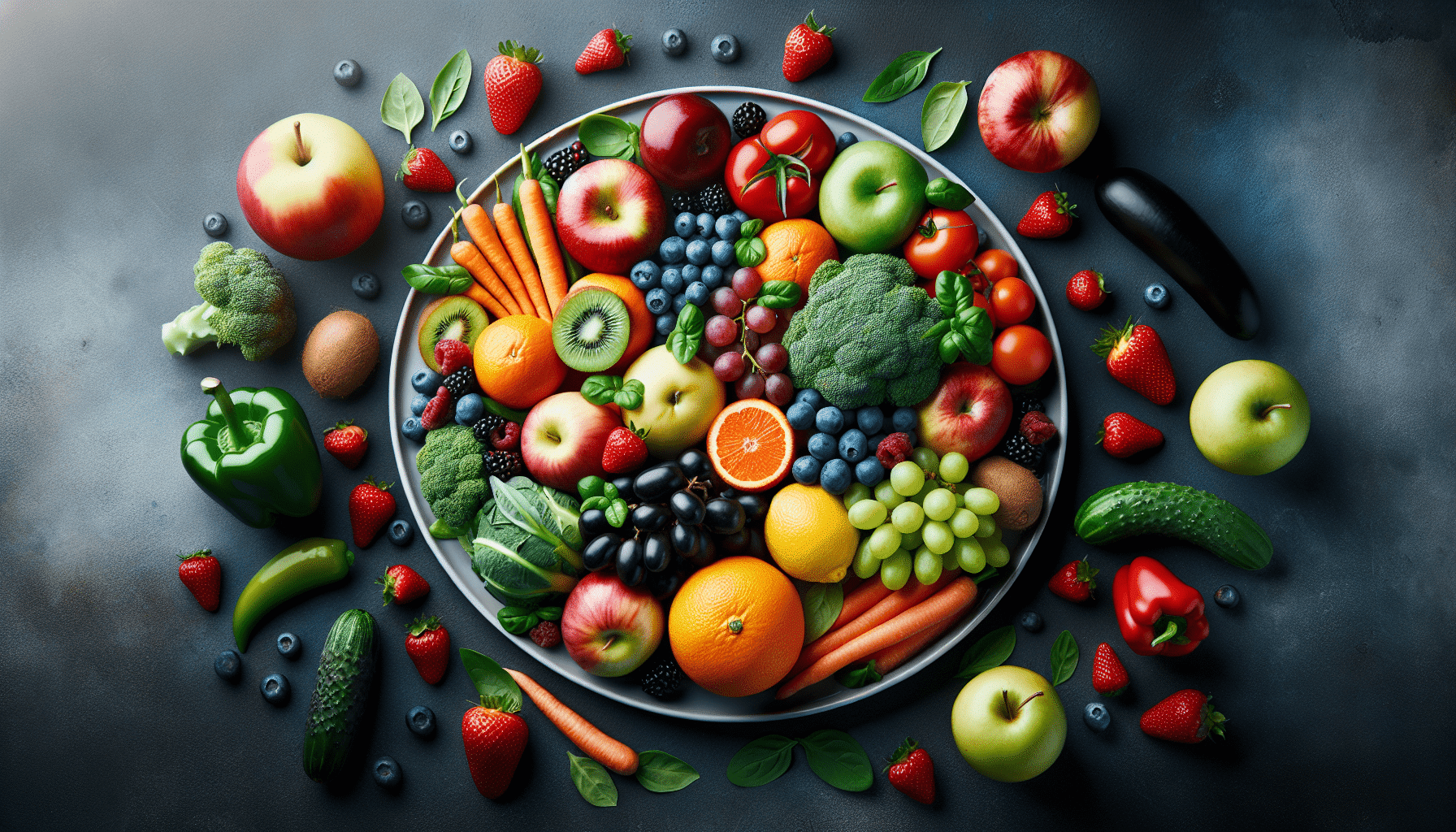
Fruit can be an excellent alternative to satisfy sweet cravings. Not only do fruits provide natural sugars, but they also offer essential vitamins, minerals, and fiber. Whether it’s a juicy apple, a handful of berries, or a slice of watermelon, fruits can fulfill cravings while providing nourishment.
Opting for Whole Grains and Protein-Rich Snacks
When craving carbohydrates or savory snacks, whole grains and protein-rich options can be a healthier choice. Whole grain crackers or rice cakes topped with nut butter or hummus provide a satisfying crunch while offering a balance of macronutrients. Greek yogurt or hard-boiled eggs can provide a protein-rich snack that supports satiety and minimizes cravings.
Creating a Balanced Meal Plan
Creating a balanced meal plan is essential for overall well-being and can help prevent excessive cravings.
Incorporating All Essential Nutrients
A balanced meal plan should incorporate all essential nutrients, including proteins, carbohydrates, healthy fats, vitamins, and minerals. Prioritize lean proteins, such as poultry, fish, tofu, or legumes, and include a variety of colorful fruits and vegetables for optimal nutrition. Healthy fats from sources like avocados, nuts, and olive oil provide satiety while supporting brain health.
Including Fiber-Rich Foods to Promote Satiety
Fiber is crucial for maintaining healthy digestion and promoting satiety. Include fiber-rich foods like whole grains, legumes, fruits, and vegetables in each meal. These foods help slow down digestion, stabilize blood sugar levels, and reduce the likelihood of cravings.
Balancing Portion Sizes
Portion control is essential to prevent overeating and minimize cravings. Using smaller plates and bowls, measuring portions, and being mindful of hunger and fullness cues can help maintain balanced portion sizes. Aim to fill half your plate with vegetables, one-quarter with lean protein, and one-quarter with whole grains or starchy vegetables.
Avoiding Restrictive Diets
Restrictive diets can often lead to an increased obsession with food and more intense cravings. Instead of following strict rules or eliminating entire food groups, focus on adopting a balanced and flexible approach to eating. Including a wide variety of foods allows for enjoyment and satisfaction, reducing cravings for specific items.
Cravings can be a complex combination of physical, psychological, and emotional factors. By understanding the science behind cravings and implementing practical strategies to manage them, we can develop a healthier relationship with food and make conscious choices that support our overall well-being. Remember, managing cravings is a journey, and it’s essential to be patient and kind to yourself as you navigate this process. With time, practice, and support, you can regain control over your appetite and create lasting habits that promote a balanced and nourishing lifestyle.