
Are you ready to get moving and embark on your fitness journey? In this article, we will explore the importance of tailoring workouts to your individual fitness level. Whether you are a seasoned gym-goer or just starting out, finding the right exercises for your body is crucial in achieving your fitness goals. We will discover how to determine your fitness level, understand the benefits of customizing your workouts, and provide tips on how to create a workout routine that is both effective and enjoyable. Grab your gym clothes and let’s get started on this exciting adventure towards a healthier, stronger you!
Importance of Tailoring Workouts
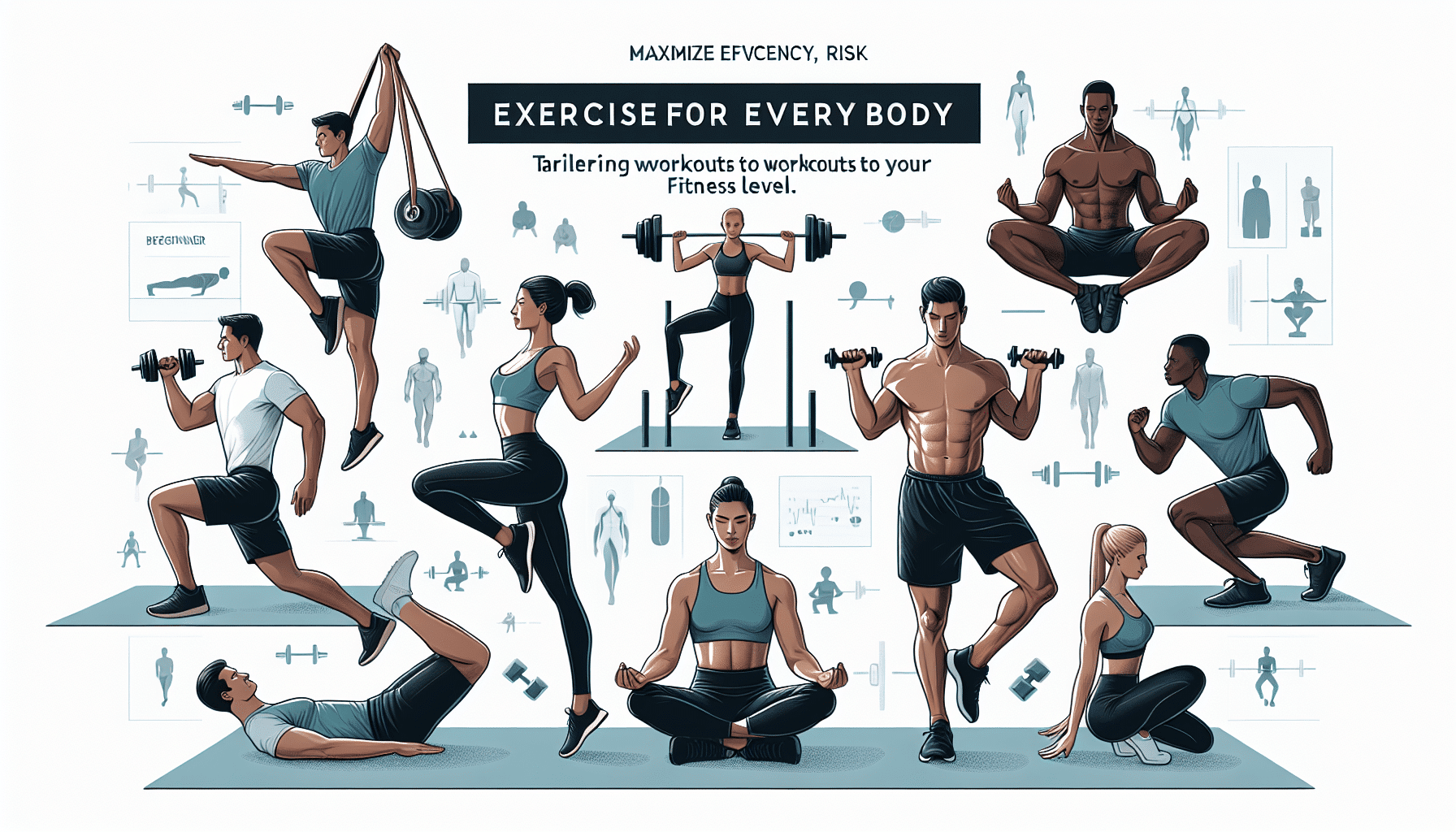
When it comes to staying fit and healthy, one size does not fit all. Tailoring workouts to your fitness level is crucial for achieving your goals and maintaining a sustainable exercise routine. By understanding your fitness level, you can avoid injury, maximize results, and find the perfect balance between pushing yourself and staying safe. Whether you’re a beginner, an intermediate, or an advanced exerciser, there are specific considerations and modifications that can be made to ensure that your workouts are effective and enjoyable. Additionally, special considerations need to be taken for older adults, those with medical conditions, pregnant women, and people with disabilities. Let’s explore how to tailor workouts to different fitness levels and unique circumstances.
Determining Your Fitness Level
Before customizing your workouts, it’s important to have a clear understanding of your current fitness level. This helps you set realistic goals and create a workout routine that is appropriate for your abilities. There are two primary methods for determining your fitness level: consulting with a fitness professional and conducting a self-assessment.
Consulting with a Professional
Seeking guidance from a fitness professional, such as a personal trainer or exercise physiologist, can provide valuable insights into your abilities and limitations. These professionals can assess your fitness level through various tests, including cardiovascular endurance, muscular strength, flexibility, and body composition. They can also consider your specific goals, preferences, and any medical conditions you may have to design a personalized workout plan that suits your needs.
Self-Assessment
If you prefer a self-assessment approach, there are several key factors you can consider to gauge your fitness level. These include your endurance, strength, flexibility, balance, and body composition. For example, you can evaluate your endurance by monitoring how long you can sustain moderate-intensity cardiovascular activity, such as brisk walking or jogging. Assessing your strength can involve determining how many repetitions of bodyweight exercises, such as push-ups or squats, you can perform with proper form. Additionally, assessing your flexibility, balance, and body composition can provide further insights into your fitness level.
Designing Workouts for Beginners
Starting a new exercise routine can be both exciting and challenging, especially for beginners. It’s important to ease into your workouts and focus on building a solid foundation. When designing workouts for beginners, there are several key considerations to keep in mind.
Starting with Low-Impact Activities
For beginners, it’s recommended to start with low-impact activities that are gentle on the joints and muscles. Walking, swimming, cycling, and yoga are excellent options. These activities can help you build cardiovascular endurance, improve flexibility, and gradually introduce your body to physical activity.
Gradual Progression
As a beginner, it’s essential to progress gradually to avoid overwhelming your body and risking injury. Start with shorter workout durations and lower intensity levels, and gradually increase both as your fitness level improves. This approach allows your body to adapt and gradually build strength and endurance.
Incorporating Strength Training
Strength training should not be overlooked, even for beginners. Incorporating bodyweight exercises, resistance bands, or light dumbbells can help improve muscle tone and strength. Start with basic exercises that target major muscle groups, such as squats, lunges, push-ups, and planks. Proper form and technique should always be prioritized to prevent injury.
Monitoring Heart Rate
For beginners, monitoring heart rate can provide valuable insights into the intensity of their workouts. Aim for a target heart rate range between 50% and 70% of your maximum heart rate. This range ensures that you’re challenging yourself enough without pushing too hard. Heart rate monitors and fitness trackers can be useful tools for tracking and staying within your target heart rate zone.
Workouts for Intermediate Level
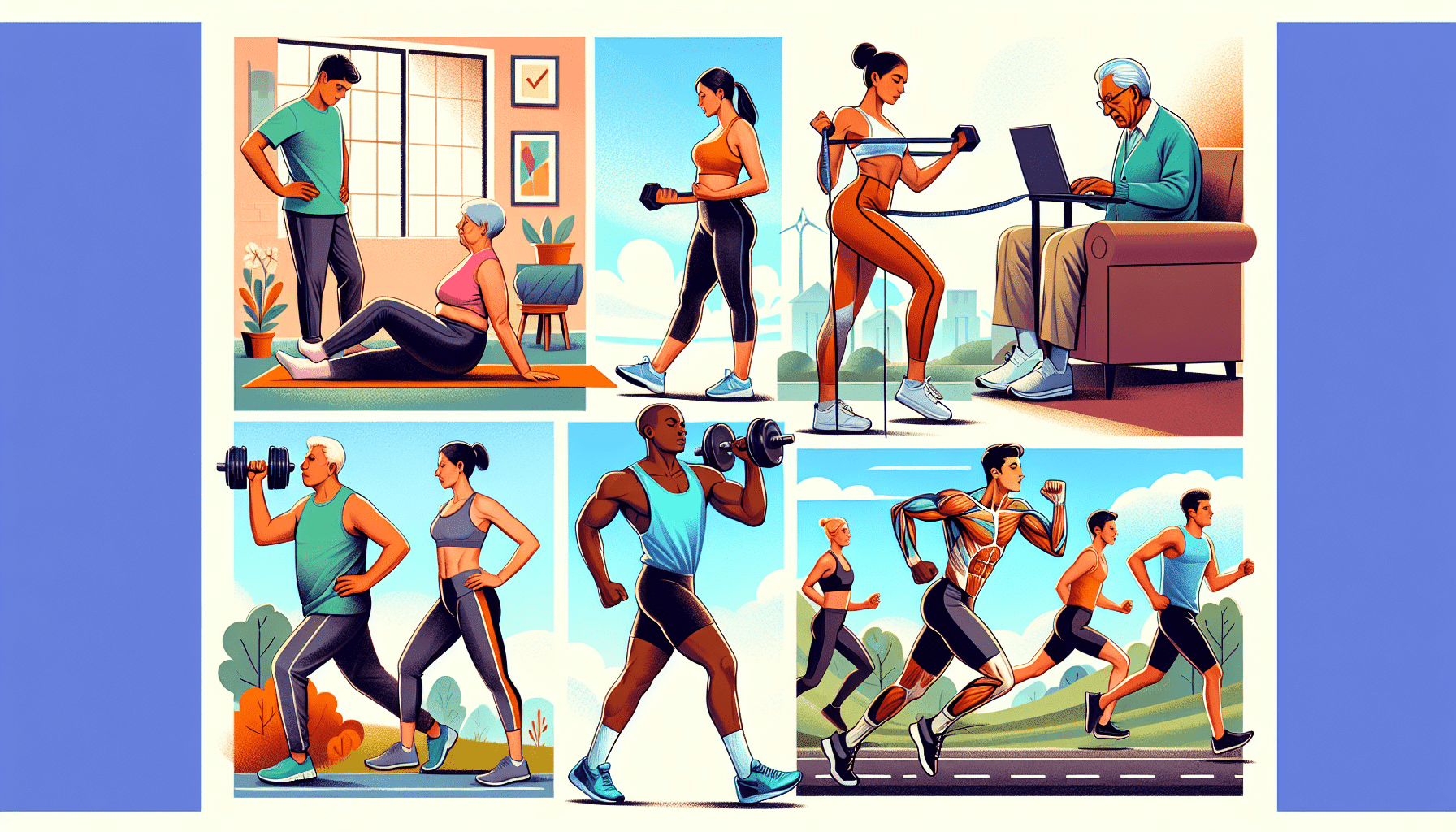
Once you have established a solid foundation and are comfortable with basic exercises, you can advance to an intermediate level. This stage focuses on further challenging your body and increasing the intensity of your workouts.
Adding High-Intensity Interval Training (HIIT)
High-Intensity Interval Training (HIIT) is an excellent way to boost your fitness level and burn calories efficiently. This form of exercise involves alternating between short bursts of intense activity and brief recovery periods. For example, sprinting for 30 seconds followed by a 60-second brisk walk or jog. HIIT workouts can be incorporated into various cardio activities such as running, cycling, or jumping rope.
Increasing Resistance and Intensity
To continue progressing, it’s important to increase the resistance and intensity of your workouts. This can include using heavier weights, increasing the incline on a treadmill, or incorporating more challenging bodyweight exercises. Gradually pushing your limits will help build strength, endurance, and improve overall fitness.
Diversifying Workout Routine
To prevent boredom and continue challenging your body, it’s important to diversify your workout routine. Incorporating different types of exercises, such as cardio, strength training, and flexibility exercises, can help create a well-rounded workout regimen. Try new activities like dance classes, kickboxing, or Pilates to keep your workouts interesting and engaging.
Challenges for Advanced Level
For advanced exercisers, maintaining progress and breaking through plateaus can be challenging. It’s essential to introduce new techniques and modalities to keep pushing your boundaries and continue seeing results.
Plateau Breaking Techniques
When progress starts to stagnate, it’s crucial to incorporate plateau-breaking techniques into your workouts. This can involve changing the exercise order, increasing the intensity or volume, trying new training methods, or incorporating advanced training principles such as supersets or drop sets. By continuously challenging your body in new ways, you can overcome plateaus and continue progressing.
Expanding Training Modalities
To enhance your fitness level, it’s beneficial to explore and incorporate different training modalities into your workouts. This can include activities such as Olympic weightlifting, CrossFit, TRX training, or circuit training. By expanding your training modalities, you engage different muscle groups and challenge your body in unique ways, promoting maximum gains.
Incorporating Advanced Strength and Conditioning
As an advanced exerciser, focusing on advanced strength and conditioning exercises can take your fitness level to the next level. This can involve incorporating complex compound movements, such as snatches or clean and jerks, into your strength training routine. Additionally, plyometric exercises, agility drills, and advanced core stabilization exercises can help enhance your overall athletic performance.
Special Considerations for Older Adults
Older adults have unique considerations when it comes to exercise. Maintaining flexibility, balance, and cardiovascular health becomes crucial for overall well-being. By focusing on specific aspects of fitness, older adults can continue to lead active and independent lives.
Focusing on Flexibility and Balance
Maintaining flexibility and balance is essential for older adults to reduce the risk of falls and maintain mobility. Incorporating exercises like yoga, tai chi, and stretching can help improve flexibility and balance. These activities also promote relaxation, stress reduction, and overall well-being.
Low-Impact Cardio Options
Older adults should opt for low-impact cardiovascular activities that are gentle on the joints. Walking, swimming, cycling, or using an elliptical machine are excellent options. These activities provide cardiovascular benefits without putting excessive strain on the body.
Modifying Exercises for Joint Health
Older adults may have joint issues or conditions like arthritis that require special modifications to their workouts. Using proper form, modifying exercises to reduce joint impact, and choosing low-impact alternatives can help protect joints while still allowing for an effective workout. Consulting with a fitness professional or physical therapist can provide valuable guidance in designing joint-friendly exercise routines.
Addressing Medical Conditions
For individuals with medical conditions, it’s crucial to approach exercise with caution and seek guidance from medical professionals. Exercise can play a significant role in managing various health conditions, but modifications and safety considerations must be made.
Consulting with Medical Professionals
Before beginning an exercise program, consulting with medical professionals, such as your primary care physician or a specialist, is essential. They can provide specific recommendations and guidelines based on your medical condition, medications, and overall health. These professionals can help you understand any potential risks and design a workout routine that is safe and beneficial for your condition.
Adapting Exercises for Specific Conditions
Each medical condition comes with its own set of considerations and precautions. It’s important to understand how exercise can impact your specific condition and adapt exercises accordingly. For example, individuals with diabetes may need to monitor their blood sugar levels during exercise, while those with heart conditions may need to avoid high-intensity activities. By working closely with medical professionals, you can safely modify exercises and create a workout routine that supports your overall health.
Tailored Workouts for Pregnant Women
Pregnancy is a unique time when exercise can have numerous benefits for both the mother and the baby. However, it’s crucial to exercise safely and modify workouts to suit the changing needs of the body.
Safe and Effective Exercises during Pregnancy
Maintaining regular physical activity during pregnancy can help improve mood, reduce pregnancy discomfort, and promote overall well-being. Safe exercises during pregnancy include walking, swimming, stationary cycling, low-impact aerobics, and prenatal yoga. These activities provide cardiovascular benefits and help maintain muscle tone without putting excessive stress on the joints.
Modifying Intensity and Duration
As pregnancy progresses, the body undergoes various changes and limitations. It’s important to modify the intensity and duration of workouts to accommodate these changes. Listening to your body and avoiding exercises that cause discomfort or excessive fatigue is crucial. Additionally, avoiding exercises that involve lying flat on the back or activities with a high risk of falls or abdominal trauma is recommended.
Considering Pregnancy Trimester
Throughout pregnancy, the changing needs of the body require adjustments to workout routines. During the first trimester, exercising as usual is generally safe unless otherwise advised by a medical professional. As pregnancy progresses into the second and third trimesters, low-impact activities become more suitable. Focusing on exercises that strengthen the pelvic floor muscles and improve posture can also be beneficial.
Workout Modifications for People with Disabilities
Exercise is important for individuals with disabilities as well, as it can improve overall health, mobility, and quality of life. However, it’s vital to make appropriate modifications to accommodate individual needs and abilities.
Adaptive Equipment and Techniques
To make exercise accessible for individuals with disabilities, adaptive equipment and techniques can be utilized. This can involve using specialized equipment, such as wheelchair treadmills or hand cycling machines, to allow for safe and efficient exercise. Additionally, modifying exercises to target specific muscle groups or adjusting range of motion can be beneficial.
Targeting Specific Muscle Groups
For individuals with disabilities, it’s crucial to target specific muscle groups that may require additional attention. This can involve focusing on strengthening the upper body for individuals with lower limb disabilities or focusing on strengthening the core for individuals with limited mobility. By customizing workouts to target specific muscle groups, individuals with disabilities can improve overall strength, function, and mobility.
Choosing Inclusive Exercise Settings
Creating an inclusive exercise environment is essential for individuals with disabilities. It’s important to choose exercise settings that are welcoming, accessible, and accommodating to a variety of needs. Fitness facilities that offer specialized programs or trainers experienced in working with individuals with disabilities can provide a supportive and inclusive exercise environment.
Tracking Progress and Making Adjustments
Regardless of your fitness level or unique circumstances, tracking progress and making adjustments to your workouts is key to continued improvement. This not only helps you stay motivated but also ensures that your workouts remain challenging and effective.
Setting Realistic Goals
Setting realistic and achievable goals is important for maintaining motivation and tracking progress. Whether it’s increasing endurance, improving strength, or achieving a specific fitness milestone, having clear goals helps provide direction and a sense of accomplishment. Start with small goals and celebrate each milestone along the way.
Regularly Monitoring Performance
To assess your progress, it’s crucial to regularly monitor your performance. This can involve tracking workout duration, intensity, weight lifted, or the number of repetitions performed. Keeping a workout journal or using fitness tracking apps can help you easily track your progress and identify areas for improvement.
Reassessing Fitness Level
As you continue to improve and challenge yourself, it’s important to periodically reassess your fitness level. This can involve repeating fitness tests or self-assessments to gauge improvements in endurance, strength, flexibility, and balance. Reassessing your fitness level allows you to readjust your goals and modify your workouts accordingly.
Tailoring workouts to your fitness level is essential for achieving optimal results and maintaining a lifelong exercise routine. By understanding your fitness level, seeking guidance from professionals, and making appropriate modifications, you can create a workout routine that is safe, effective, and enjoyable. Whether you’re a beginner, intermediate, advanced exerciser, older adult, have a medical condition, are pregnant, or have a disability, there are specific considerations and modifications that can help you make exercise a part of your daily life. Remember to listen to your body, stay consistent, and celebrate your progress along the way. You’ve got this!