
Are you tired of the same old fitness routine? Look no further! In this article, we will explore a world of adventure and excitement through hiking, biking, and other outdoor activities that not only promote weight loss but also enhance your overall well-being. Discover the joys of exploring nature as you shed those extra pounds and improve your physical and mental health. Get ready to embark on a journey of self-discovery and vitality as we uncover the hidden treasures of outdoor activities for weight loss and wellness.
Hiking
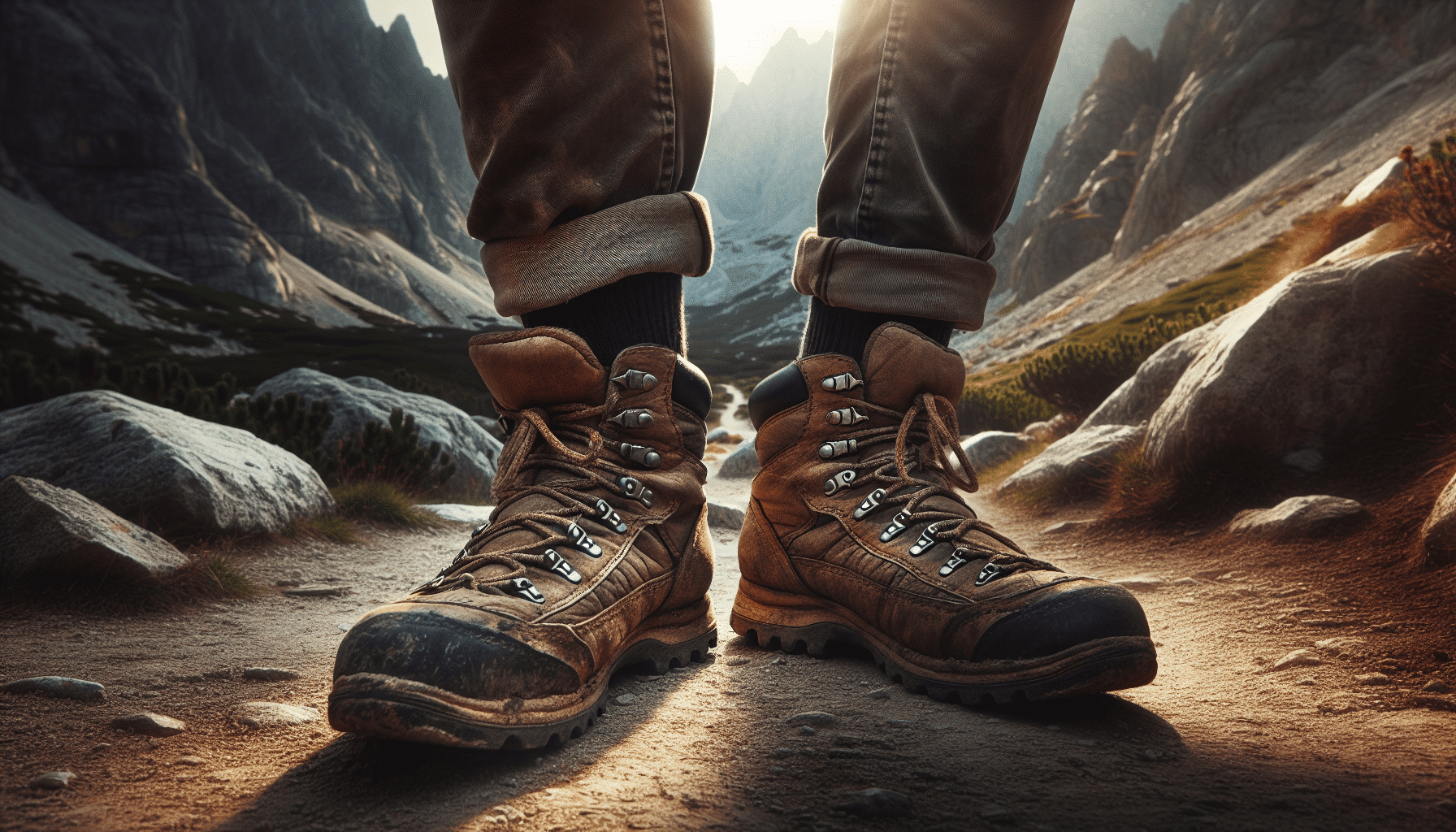
Hiking is not only a great way to connect with nature and enjoy the outdoors, but it can also be an effective way to lose weight and improve your overall wellness. Not only does hiking provide a full-body workout, but it also allows you to explore new trails and experience breathtaking views. Whether you’re a beginner or an experienced hiker, here are some benefits and tips to help you make the most of your hiking adventures.
Benefits of Hiking for Weight Loss
Hiking is a fantastic exercise for weight loss because it combines cardiovascular activity with resistance training. When you hike, you engage your leg muscles, core, and upper body, making it a full-body workout. Additionally, hiking can help you burn a significant number of calories depending on the intensity and duration of your hike. By consistently incorporating hiking into your routine, you can boost your metabolism and shed those extra pounds.
Essential Gear and Clothing for Hiking
To ensure a safe and enjoyable hiking experience, it’s crucial to have the right gear and clothing. Start with a sturdy pair of hiking boots or shoes that provide excellent traction and ankle support. Opt for moisture-wicking and breathable clothing to keep you comfortable on the trail. Don’t forget essentials like a backpack, water bottle, a hat, sunscreen, and insect repellent. Additionally, consider packing a map, compass, and a first aid kit for emergencies.
Choosing the Right Hiking Trail
When it comes to choosing a hiking trail, consider your fitness level, experience, and personal preferences. If you’re a beginner, opt for well-marked and shorter trails with moderate elevation gains. As you gain more experience, you can tackle more challenging trails with steeper inclines or longer distances. Additionally, research the trail difficulty, distance, and elevation gain beforehand to ensure it aligns with your fitness goals and abilities.
Tips for Beginners
If you’re new to hiking, it’s important to start slowly and gradually increase your intensity. Begin with shorter hikes on well-maintained trails and slowly work your way up to more challenging terrain. It’s also essential to listen to your body and take breaks when needed. Stay hydrated, fuel your body with nutritious snacks, and always let someone know your hiking plans. As you gain confidence and experience, you can progress to longer and more strenuous hikes.
Advanced Hiking Techniques
For experienced hikers looking to take their skills to the next level, there are several advanced hiking techniques to explore. These may include backpacking and overnight camping, which allow you to tackle longer and more remote trails. Additionally, you can incorporate uphill sprints, interval training, and high-intensity hiking to further challenge yourself and increase your calorie burn. Always ensure you have the necessary skills, gear, and knowledge before attempting advanced hiking techniques.
Biking
Biking is an enjoyable and low-impact activity that offers numerous benefits for weight loss and overall wellness. Whether you prefer road cycling or mountain biking, this activity can be tailored to your fitness level and goals. Here’s a closer look at the benefits of biking and some tips to get started.
Benefits of Biking for Weight Loss
Biking is a fantastic aerobic exercise that can help you burn calories and lose weight. It provides a gentle form of cardio that is easy on the joints while still challenging your cardiovascular system. Cycling regularly can also boost your metabolism, improve your cardiovascular health, and increase your muscle tone. Whether you’re biking outdoors or using a stationary bike, this activity can be a fun and effective way to shed those extra pounds.
Types of Bikes for Different Terrains
Before hitting the trails or roads, it’s important to choose the right type of bike for your intended terrain. Road bikes are designed for smooth pavement and offer speed and efficiency. Mountain bikes are built to handle off-road trails and rough terrains, with wider tires and more durable frames. Hybrid bikes are versatile options that can be used for a mixture of road and trail riding. It’s important to select a bike that suits your preferences and the terrain you’ll be cycling on.
Safety Precautions for Biking
Safety should always be a top priority when biking. Before heading out on a ride, make sure your bike is in good working condition and that you’re wearing a properly fitted helmet. Follow all traffic rules and signals, and use hand signals to communicate with other cyclists and motorists. Always ride defensively and be aware of your surroundings. If biking off-road, be mindful of the trail conditions and adhere to any rules or guidelines specific to that area.
Biking Trails and Routes
When it comes to finding the perfect biking trail or route, there are plenty of options available. Look for local parks, nature trails, or bike paths in your area. Many cities also have designated bike lanes or cycling-friendly roads that you can explore. If you prefer off-road biking, research nearby mountain biking trails or bike parks. Joining a local biking group or club can also provide valuable insight into popular routes and trails in your area.
Cycling for Beginners
If you’re new to biking, it’s important to start slowly and gradually increase your mileage and intensity. Begin with shorter rides on flat terrain to build your endurance and confidence. As you progress, you can gradually increase the distance and tackle more challenging routes. Remember to listen to your body and take rest days for recovery. Incorporating a variety of terrain and incorporating interval training can help you maximize your weight loss and fitness gains.
Running
Running is a popular and convenient outdoor activity that can help you achieve your weight loss and fitness goals. Whether you’re a seasoned runner or a beginner, running offers a wide range of benefits for both your physical and mental well-being. Here’s a closer look at the benefits of running, as well as some tips and techniques to ensure a successful running journey.
Benefits of Running for Weight Loss
Running is one of the most effective exercises for burning calories and losing weight. It is a high-impact cardiovascular activity that engages multiple muscle groups, helping you build endurance and strength. Regular running can boost your metabolism, improve your cardiovascular health, and contribute to a caloric deficit necessary for weight loss. Additionally, running outdoors allows you to enjoy nature and fresh air, which can have a positive impact on your mental well-being.
Proper Running Form and Techniques
Maintaining proper running form is essential for maximizing your performance and reducing the risk of injury. Focus on maintaining an upright posture with a slight forward lean. Engage your core muscles and keep your arms relaxed and swinging naturally. Land softly on your midfoot and roll through your toes with each step. Avoid overstriding and maintain a consistent cadence. Gradually increase your pace and distance as your fitness improves.
Creating a Running Schedule
To make your running journey effective and enjoyable, it’s important to create a running schedule. Start by setting goals for yourself, whether it’s running for a certain distance or improving your pace. Determine the number of days per week you can commit to running and allocate specific times for your workouts. Cross-training and rest days should also be included in your schedule to allow for recovery and prevent overuse injuries.
Running Gear and Accessories
Having the right gear and accessories can enhance your running experience and promote safety. Invest in a good pair of running shoes that provide proper support and cushioning for your feet. Moisture-wicking clothing will keep you comfortable and dry during your runs. Don’t forget essentials like a well-fitted sports bra, socks, and a hat for sun protection. Consider using a running app or GPS watch to track your distance, pace, and progress.
Overcoming Running Challenges
While running can be highly rewarding, it’s not without its challenges. It’s common to experience periods of low motivation, fatigue, or even injuries throughout your running journey. When faced with challenges, it’s important to stay positive and focus on your long-term goals. Gradually increase your mileage and intensity to avoid overtraining. Incorporate strength training exercises to build overall muscle strength and prevent imbalances. Listen to your body and take rest days when needed to avoid burnout.
Swimming
Swimming is a low-impact, full-body workout that offers numerous physical and mental benefits. Not only does swimming help with weight loss, but it also improves cardiovascular health, builds muscle strength, and reduces stress. Whether you’re a beginner or an experienced swimmer, incorporating swimming into your fitness routine can be a refreshing and effective way to reach your goals. Here’s a closer look at the benefits of swimming, along with tips and techniques to get started.
Benefits of Swimming for Weight Loss
Swimming is a highly effective exercise for weight loss because it engages multiple muscle groups and provides a cardiovascular workout. The resistance of the water adds an extra level of intensity to your movements, helping you burn calories and build lean muscle. Swimming is also a low-impact activity, making it ideal for individuals with joint pain or injuries. Regular swimming sessions can help improve your metabolism, reduce body fat, and contribute to long-term weight loss.
Different Swimming Strokes and Their Impact
There are several swimming strokes to choose from, each offering unique benefits. The freestyle stroke is the most common and efficient stroke, providing a full-body workout that engages your arms, legs, and core. The backstroke targets your back, shoulders, and legs while promoting good posture. Breaststroke primarily works your chest, triceps, and quads, providing a slower and more relaxed swim experience. The butterfly stroke is the most challenging but offers a high-intensity workout for your upper body, core, and legs.
Swimming Techniques for Beginners
If you’re new to swimming, it’s important to start slowly and gradually build your skills and endurance. Begin by learning basic water safety and swimming techniques. Familiarize yourself with floating, kicking, and basic arm movements. Focus on your breathing technique and practice rhythmic breathing to maintain a steady pace. Consider taking swimming lessons or joining a swim club to improve your technique and gain confidence in the water.
Accessories for Swimming
Having the right accessories can enhance your swimming experience and improve your performance. A well-fitted swim cap can help reduce drag and keep your hair in place. Goggles are essential for clear vision and protection against chlorine or saltwater. Invest in a comfortable and supportive swimsuit that allows freedom of movement. Additionally, consider using swim fins, kickboards, or resistance bands to add variety and challenge to your workouts.
Swimming Workouts for Weight Loss
To make the most of your swimming sessions for weight loss, consider incorporating interval training and different swim strokes. Interval training involves alternating between high-intensity sprints and recovery periods, boosting your calorie burn and cardiovascular fitness. Mix up your swim strokes to engage different muscle groups and add variety to your workouts. Experiment with different swimming drills and techniques to keep your workouts challenging and enjoyable.
Camping
Camping offers a unique opportunity to disconnect from the hustle and bustle of everyday life and immerse yourself in nature. It’s not only a fun and enjoyable activity, but also a great way to support your weight loss and overall wellness goals. Whether you prefer backpacking, car camping, or glamping, here are some benefits and tips to make the most of your camping experience.
Benefits of Camping for Weight Loss and Wellness
Camping provides a range of benefits for weight loss and overall wellness. Spending time outdoors exposes you to natural light, which can boost your mood and improve your sleep quality. Being in nature also offers various physical activities like hiking, fishing, and swimming, which contribute to calorie burn and muscle engagement. Camping can also help reduce stress levels, promote relaxation, and encourage a sense of mindfulness. Additionally, camping allows you to disconnect from technology and reconnect with yourself and loved ones.
Essential Camping Equipment and Supplies
To ensure a successful camping trip, it’s important to gather the essential camping equipment and supplies. A durable tent, sleeping bag, and sleeping pad are necessary for a good night’s sleep. Invest in a quality camping stove and utensils for cooking meals. Pack warm and comfortable clothing, including layers for varying weather conditions. Don’t forget essentials like a flashlight, extra batteries, a first aid kit, a map, and a compass.
Choosing the Right Campsite
When choosing a campsite, consider factors such as accessibility, amenities, and the type of camping experience you desire. Established campgrounds provide amenities like toilets, picnic tables, and running water, making them suitable for beginners or those seeking more comfort. If you’re looking for a more rugged camping experience, consider backcountry camping or dispersed camping. Research and book your campsite in advance to ensure availability and check for any restrictions or permits required.
Healthy Camping Meals and Snacks
Camping doesn’t mean sacrificing nutritious meals and snacks. Plan your meals ahead of time and pack ingredients that are easy to prepare and store. Opt for whole foods like fruits, vegetables, lean proteins, and whole grains. Prepping meals in advance, using foil packs, or investing in a portable camping stove can make cooking easier and more enjoyable. Don’t forget to bring plenty of nutritious snacks like trail mix, granola bars, and fresh fruits to keep you fueled throughout your camping adventure.
Outdoor Activities to Do While Camping
Camping opens up a world of outdoor activities to enjoy. Hiking is a popular choice, as it allows you to explore the surrounding nature and experience breathtaking views. Consider fishing, kayaking, or paddleboarding if you’re camping near a lake or river. Set up a campfire and enjoy storytelling, stargazing, or cooking over an open flame. Remember to follow Leave No Trace principles and respect the environment while engaging in outdoor activities.
Kayaking
Kayaking is an exhilarating and adventurous outdoor activity that offers numerous benefits for weight loss and overall fitness. Whether you prefer calm lakes, fast-flowing rivers, or ocean kayaking, this activity can be tailored to your skill level and desired intensity. Here’s a closer look at the benefits of kayaking, the different types of kayaks, and some tips to get started.
Benefits of Kayaking for Weight Loss
Kayaking is a fantastic way to engage your entire body and burn calories. Paddling requires the use of your arms, shoulders, back, and core muscles, providing an excellent upper body and core workout. The resistance of the water adds an extra challenge, helping you burn more calories and build strength. Kayaking also offers a low-impact exercise option that is easy on the joints, making it suitable for individuals with joint pain or injuries.
Types of Kayaks and Their Features
When it comes to kayaks, there are various types and designs to choose from, each catering to different environments and skill levels. Sit-on-top kayaks are popular for recreational kayaking and are great for beginners. They offer stability, easy entry and exit, and are self-draining. Sit-inside kayaks are more traditional and offer better protection from the elements. They are suitable for both recreational and touring purposes. Sea kayaks are designed specifically for coastal waters and ocean paddling, with features like increased length and storage space.
Safety Tips for Kayaking
Safety should always be a top priority when kayaking. Before heading out on the water, ensure you have the necessary safety gear, including a properly fitted life jacket, whistle, and a bilge pump. Check the weather conditions and tides beforehand to avoid any potential hazards or surprises. It’s also crucial to inform someone of your kayaking plans, including your intended route and estimated return time. Finally, ensure you have the necessary skills and experience for the type of kayaking you will be doing.
Choosing the Right Kayaking Location
The location you choose for kayaking will depend on your skill level and desired experience. Beginners may prefer calm lakes, slow-moving rivers, or sheltered coastal areas with minimal currents. Intermediate and advanced kayakers may seek more challenging environments like whitewater rapids or open ocean paddling. Research and familiarize yourself with the location’s conditions, including water currents, tides, and any specific rules or regulations that may be in place. Consider taking guided kayaking tours or lessons to gain experience and knowledge.
Kayaking Techniques for Beginners
If you’re new to kayaking, it’s essential to learn and practice proper paddling techniques. Start by familiarizing yourself with the basic strokes, including the forward stroke, reverse stroke, and sweep stroke. Maintain a relaxed grip on the paddle and engage your core muscles for stability. Practice turning the kayak and performing rescue techniques in case of capsizing. Consider taking lessons or joining a kayaking group to receive proper instruction and guidance.
Rock Climbing
Rock climbing is a thrilling and physically demanding outdoor activity that offers numerous benefits for weight loss and strength development. It challenges both your physical and mental abilities, promoting full-body strength, agility, and mental focus. Whether you’re climbing at an indoor gym or tackling outdoor routes, rock climbing can be a rewarding and challenging activity. Here’s a closer look at the benefits of rock climbing, gear recommendations, and some essential safety precautions.
Benefits of Rock Climbing for Weight Loss and Strength
Rock climbing provides a unique and intense form of resistance training that engages multiple muscle groups simultaneously. It requires full-body strength, balance, and flexibility, making it an excellent exercise for building muscle and burning calories. Climbing challenges your grip strength, core stability, and upper body strength. The mental focus and problem-solving skills required during climbing also provide mental and cognitive benefits. Overall, rock climbing offers a comprehensive and effective workout for weight loss and strength development.
Types of Rock Climbing and Their Difficulty Levels
Rock climbing encompasses various types and difficulty levels, offering something for climbers of all skill levels. Bouldering involves climbing short and challenging routes without the use of ropes or harnesses. It focuses on problem-solving and technical skills. Sport climbing involves ascending pre-determined routes with the use of ropes and protection bolts. Traditional climbing relies on placing protective gear as you ascend, requiring more technical skills and experience. Choose a climbing style that aligns with your skill level and preferences.
Essential Gear for Rock Climbing
Having the right gear is crucial for a safe and enjoyable rock climbing experience. Start with a well-fitting climbing harness that distributes your body weight and provides stability. Climbing shoes should fit snugly and offer good traction on the rock surface. A climbing helmet is essential for protecting your head from falling rocks or impacts. Other important gear includes carabiners, quickdraws, slings, and a belay device. Consider consulting with experienced climbers or seeking professional advice to ensure you have the appropriate gear for your climbing style and skill level.
Safety Precautions for Rock Climbing
Rock climbing can be a dangerous activity, so it’s essential to take proper safety precautions. Always climb with a partner and use appropriate belay techniques and equipment. Perform regular safety checks on your gear, including ropes, knots, and harnesses. Familiarize yourself with proper climbing techniques, including proper hand and foot placements, weight distribution, and rope management. It’s also crucial to assess the rock quality, weather conditions, and potential hazards before starting your climb.
Rock Climbing Techniques for Beginners
If you’re new to rock climbing, it’s important to start with beginner-friendly routes and gradually progress as your skills and strength improve. Take advantage of indoor climbing gyms, which offer a controlled and safe environment for honing your techniques. Focus on building your climbing-specific muscles through regular strength and conditioning exercises. Practice proper footwork and body positioning, and learn efficient techniques for ascending and descending the climbing route. Consider taking lessons or hiring a certified climbing instructor to receive personalized instruction and guidance.
Yoga
Yoga is a holistic practice that combines physical movement, breathwork, and meditation to promote overall health and well-being. Not only can yoga help with weight loss and toning, but it also offers mental benefits such as stress reduction and improved mindfulness. Whether you’re a beginner or an experienced practitioner, incorporating yoga into your fitness routine can enhance your physical and mental wellness. Here’s a closer look at the benefits of yoga, different types of yoga, and some tips to get started.
Benefits of Yoga for Weight Loss and Mental Wellness
Yoga offers numerous benefits for weight loss, toning, and mental well-being. The physical poses, or asanas, help build strength, flexibility, and endurance. The continuous flow of movements in yoga sequences elevates the heart rate, leading to increased calorie burn and fat loss. Additionally, yoga promotes a mind-body connection, focusing on breath control and mindfulness, which can help reduce stress and improve mental clarity.
Different Types of Yoga and Their Focuses
There are various types of yoga, each with its own focus and intensity level. Hatha yoga is a gentle form of yoga suitable for beginners, emphasizing proper alignment and breathing techniques. Vinyasa yoga is a faster-paced style that focuses on flowing movements and linking breath to movement. Ashtanga yoga is a more intense and physically demanding practice that follows a set sequence of poses. Other popular styles include Bikram yoga, Yin yoga, and Restorative yoga, each offering unique benefits and focuses.
Basic Yoga Poses for Beginners
If you’re new to yoga, it’s important to start with basic poses and gradually build your strength and flexibility. Some beginner-friendly poses include Mountain Pose, Downward-Facing Dog, Warrior I and II, Tree Pose, and Child’s Pose. These poses help improve balance, flexibility, and muscular endurance. Always listen to your body and modify poses as needed to avoid injury. Consider attending beginner’s yoga classes or following online tutorials to receive proper instruction and guidance.
Yoga Equipment and Accessories
Yoga requires minimal equipment and can be practiced almost anywhere. A non-slip yoga mat provides stability and cushioning during your practice. Comfortable and breathable clothing allows for a full range of motion. Props such as blocks, straps, and bolsters can assist with alignment and provide support during challenging poses. Essential accessories include a water bottle, towel, and a yoga bag to carry your gear. Invest in good-quality equipment to ensure comfort and durability.
Creating a Yoga Routine for Weight Loss
To reap the weight loss benefits of yoga, it’s important to create a consistent and well-rounded yoga routine. Aim for at least three to four yoga sessions per week, gradually increasing the duration and intensity as you progress. Incorporate a variety of yoga styles and poses to engage different muscle groups. Combine flowing sequences with static poses and focus on core-strengthening poses like Plank, Boat Pose, and Side Plank. Practice mindfulness and relaxation techniques during your yoga sessions to reduce stress and emotional eating.
Trail Running
Trail running combines the cardiovascular benefits of running with the exhilaration of being in nature. It offers a challenging yet rewarding experience that can enhance your fitness and promote weight loss. Whether you’re a beginner or an experienced runner, trail running provides unique opportunities to explore new trails and boost your aerobic capacity. Here’s a closer look at the benefits of trail running, choosing the right trail running shoes, and some tips for safe and enjoyable trail running.
Benefits of Trail Running for Weight Loss
Trail running is a fantastic way to elevate your heart rate and burn calories, making it an effective exercise for weight loss. The variation in terrain, such as inclines, declines, and uneven surfaces, engages different muscles and requires more effort compared to road running. The natural surroundings and fresh air can also have a positive impact on your mental well-being, reducing stress and increasing motivation. Additionally, trail running challenges your balance and coordination, contributing to overall functional fitness.
Choosing the Right Trail Running Shoes
Investing in a good pair of trail running shoes is essential for comfort, stability, and injury prevention. Trail running shoes are designed to provide better traction, protection, and stability on uneven and slippery terrains. Look for shoes with a durable outsole, a cushioned midsole, and a supportive upper. Consider the type of trail you’ll be running on, the weather conditions, and your running style (forefoot, midfoot, or heel striker) when choosing your trail running shoes. It’s advisable to consult with a knowledgeable salesperson or podiatrist to ensure a proper fit.
Trail Running Techniques for Different Terrains
Different terrains require varying techniques and approaches when trail running. When running uphill, focus on maintaining an efficient stride and rhythm. Shorten your steps, engage your core, and use your arms to help propel you forward. When running downhill, lean slightly forward, use smaller strides, and let gravity assist your descent. Be cautious of obstacles and always look a few steps ahead to plan your foot placement. On uneven or technical trails, slow down, focus on stability, and use shorter strides.
Safety Tips for Trail Running
Trail running presents unique challenges and hazards that require proper safety precautions. Always let someone know your running plans, including the trail you’ll be on and your estimated return time. Familiarize yourself with the trail map and any potential hazards or wildlife in the area. Dress appropriately for the weather conditions and bring necessary safety gear like a whistle, a headlamp, and a small first aid kit. Stay hydrated, carry proper nutrition, and be prepared for unexpected changes in weather or trail conditions.
Trail Running Workouts for Beginners
If you’re new to trail running, it’s important to start gradually and build your endurance and strength over time. Begin by incorporating shorter, less technical trails into your routine and gradually increase the distance and elevation gain. Aim for a combination of running and hiking to gradually introduce your body to the demands of trail running. Utilize interval training by alternating between running and walking or incorporating bursts of high-intensity sprints. Remember to listen to your body, take rest days, and gradually increase the intensity and duration of your workouts.
Conclusion
Incorporating outdoor activities into your fitness routine is not only a great way to lose weight but also to enhance your overall wellness. Activities like hiking, biking, running, swimming, camping, kayaking, rock climbing, yoga, and trail running offer unique benefits for physical fitness, mental health, and spiritual well-being. By choosing activities that align with your interests and fitness level, you can make your weight loss journey enjoyable and sustainable. Remember to always prioritize safety, listen to your body, and seek professional guidance when necessary. So, lace up your hiking boots, hop on your bike, or roll out your yoga mat, and start reaping the many benefits of outdoor activities for weight loss and wellness.