Have you ever wondered how to shed those extra pounds quickly at the gym? Look no further because in this article, we will share some effective tips and strategies to help you achieve your weight loss goals in no time. Whether you’re a seasoned gym-goer or just starting out, we’ve got you covered with practical advice on exercises, diet, and mindset. Say goodbye to crash diets and fad workouts, and say hello to a healthier, fitter you. So grab your workout gear and get ready to discover how you can lose weight fast at the gym!

Choosing the Right Gym
Choosing the right gym is crucial when it comes to achieving your weight loss goals. It’s important to research different gym options and evaluate them based on several factors. One of the first things you should consider is the location and convenience of the gym. It should be easily accessible from your home or workplace to ensure that you can stick to your workout routine without any unnecessary hurdles. Take into account the distance you need to travel and whether the gym provides parking facilities or is close to public transportation.
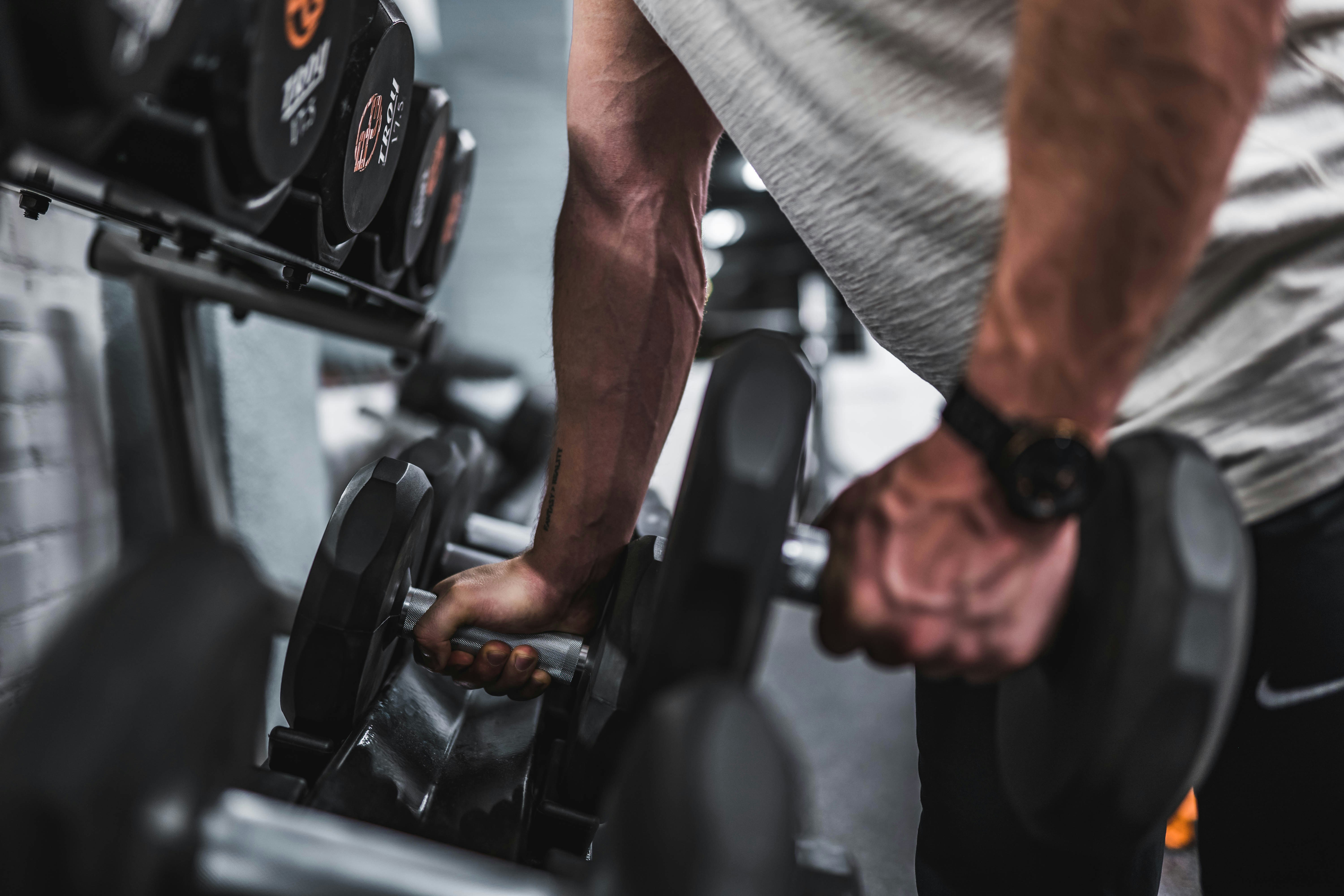
Apart from the location, evaluating the gym equipment and facilities is equally important. Check if the gym has a wide range of equipment that suits your workout preferences. Are there enough cardio machines like treadmills and stationary bikes? Do they have a variety of weight machines and free weights for strength training? Additionally, take a look at the gym’s overall cleanliness and ambiance. A clean and well-maintained gym creates a positive environment that motivates you to work out consistently.
Setting Realistic Goals
Before starting your weight loss journey at the gym, it’s essential to set realistic goals. Begin by analyzing your current weight and body composition. Understanding where you currently stand will help you establish a baseline and track your progress effectively. Consider consulting with a fitness professional or nutritionist who can provide valuable insights into your weight loss journey. They can assess your body composition, advise on an appropriate weight loss target, and guide you on the best approach to achieve your goals.
When setting goals, it’s important to establish a reasonable timeline for weight loss. Remember that sustainable weight loss is a gradual process and aiming for unrealistic, rapid weight loss can be detrimental to your overall health. Consult with professionals who can help you set a timeline that works for your body and lifestyle. Patience is key, and focusing on long-term, sustainable results will ensure you maintain a healthy weight in the future.


Creating an Effective Workout Plan
Once you have set realistic goals, it’s time to create an effective workout plan that incorporates various exercises and routines. A well-rounded plan should include a combination of cardiovascular exercises, strength training exercises, and high-intensity interval training (HIIT).
Cardiovascular exercises are essential for weight loss as they help burn calories and improve cardiovascular health. Running on the treadmill is a popular choice for many gym-goers as it is a high-intensity exercise that engages multiple muscle groups. Cycling on the stationary bike is another effective cardio exercise that increases heart rate and burns a significant amount of calories. If you prefer a low-impact option, using the elliptical machine provides a full-body workout while putting less stress on your joints.
Strength training exercises play a crucial role in weight loss as they help build lean muscle mass and increase metabolism. Using free weights for compound exercises, such as squats and deadlifts, engages multiple muscle groups at once, resulting in more efficient calorie burning. Weight machines are beneficial for targeting specific muscle groups and can be a great addition to your workout routine. Additionally, incorporating bodyweight exercises like push-ups and planks helps improve overall strength and stability.
Another effective method to consider is high-intensity interval training (HIIT). HIIT involves short bursts of intense exercises followed by short periods of rest. It has been shown to be highly effective in burning calories and fat, even after your workout is completed. Understanding the benefits of HIIT and choosing suitable exercises that suit your fitness level and preferences is crucial. Designing a HIIT workout routine that includes exercises like burpees, mountain climbers, and kettlebell swings can help boost your metabolism and accelerate weight loss.
Following a Healthy Diet Plan
While working out at the gym is important for weight loss, it’s equally essential to follow a healthy diet plan that complements your exercise routine. Consulting with a nutritionist or dietitian can provide valuable guidance in creating a diet plan tailored to your specific needs and preferences.
Understanding macronutrients and portion control is key when it comes to maintaining a balanced diet. Macronutrients include carbohydrates, proteins, and fats, and each plays a vital role in supporting your body’s functions. A nutritionist can help you identify the right balance of macronutrients for your weight loss goals. Additionally, portion control is essential to ensure you are consuming the right amount of calories to support your weight loss journey.
Incorporating lean proteins, fruits, and vegetables into your diet is crucial for weight loss. Lean proteins, such as chicken, fish, and tofu, provide essential amino acids for muscle repair and growth. Fruits and vegetables are packed with vitamins, minerals, and dietary fiber, which aid in digestion and provide important nutrients while keeping you full.

Tracking Progress and Making Adjustments
Tracking your progress is an important aspect of weight loss at the gym. Keeping a weight loss journal can help you monitor your food intake, track your workouts, and note any changes in your body measurements. This journal serves as a helpful tool to track your progress and identify areas for improvement.
It’s also important to regularly monitor changes in your body measurements. This includes tracking your weight, waist circumference, and body fat percentage. These measurements can provide valuable insights into your progress and help you understand which areas of your body are responding well to your workouts and diet.
Consulting with a fitness professional is crucial when it comes to making adjustments to your workout or diet plan. They can guide you on modifications that may be necessary to overcome any plateaus or challenges you may encounter along the way. Regular check-ins with a professional can help you stay on track and ensure that you are making the necessary adjustments to continue progressing towards your weight loss goals.
Staying Motivated and Consistent
Weight loss requires consistency and motivation. Setting short-term and long-term weight loss goals can provide the motivation needed to stay focused on your journey. Short-term goals, such as losing a certain amount of weight in a month or fitting into a specific pair of jeans, can help you celebrate milestones along the way. Long-term goals, such as reaching your target weight or completing a certain number of workouts, give you something to work towards over a longer period.
Finding a workout buddy or joining group fitness classes can also help you stay motivated. Exercising with a friend or participating in classes creates a sense of community and accountability. It’s easier to stay committed to your workouts when you have someone to share the journey with and cheer you on.
Rewarding yourself for achieving milestones is also a great way to stay motivated and treat yourself for your hard work. Choose non-food rewards, such as a new workout outfit or a relaxing massage, to celebrate your progress. Small rewards along the way can help you stay positive and continue working towards your overall weight loss goals.
Seeking Professional Guidance
For those who prefer personalized guidance, seeking professional help can be beneficial. Hiring a personal trainer can provide expert guidance and tailor workouts specifically to your needs and goals. They can create a customized workout plan, monitor your progress, and make adjustments to ensure you’re on the right track.
Attending fitness classes or group sessions can also be a great option, especially for individuals who enjoy the energy and support of a group setting. Group classes can provide a structured workout routine, motivation from the instructor, and camaraderie with fellow participants. Whether it’s a spin class, yoga session, or dance workout, finding a class that aligns with your interests can make your weight loss journey more enjoyable.
Joining support groups or weight loss programs can provide additional resources and support throughout your journey. These groups can offer a community of individuals who are also working towards their weight loss goals, allowing you to share experiences, gain motivation, and learn from others.
Remember, there is no one-size-fits-all approach to weight loss. It’s important to find what works best for you and your body. By choosing the right gym, setting realistic goals, creating an effective workout plan, following a healthy diet, tracking progress, staying motivated, and seeking professional guidance, you’ll be well on your way to achieving your weight loss goals at the gym.