So you’ve recently had a C-section and now you’re wondering how long it will take to shed that stubborn belly fat? Well, we’re here to provide you with some answers. In this article, we’ll explore the timeline for losing belly fat after a C-section and share some tips to help you speed up the process. Whether you’re a new mom or you’re just curious about postpartum weight loss, we’ve got you covered. So let’s get started and help you on your journey to a flatter tummy!

Factors Affecting Belly Fat Loss
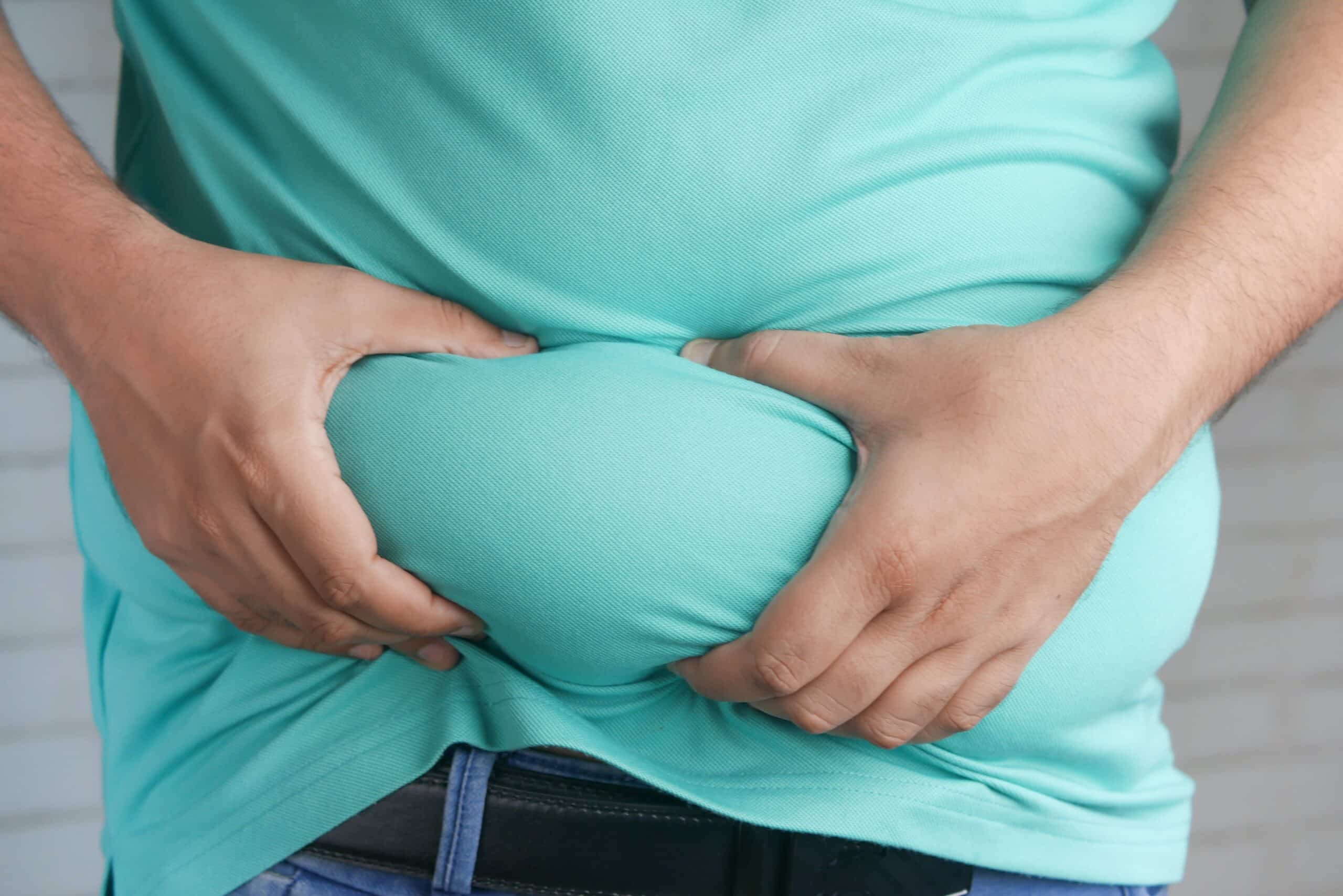
Losing belly fat after a C-section can be a challenge, but understanding the factors that affect this process can help you navigate your postpartum journey successfully. Several factors contribute to the rate at which you lose belly fat, including the type of C-section you had, your postpartum recovery, hormonal changes, your diet and lifestyle, and physical activity.
Type of C-section and Belly Fat Loss Timeline
The type of C-section you had can impact the timeline for losing belly fat. There are three main types of C-section: scheduled, emergency, and C-section with complications.
Scheduled C-section
If you had a scheduled C-section, it means that the procedure was planned in advance. This can allow for better preparation and recovery time, which may positively affect your ability to lose belly fat. Typically, it takes around 6-8 weeks to fully recover from a scheduled C-section and start focusing on losing belly fat.
Emergency C-section
In cases where an emergency C-section is required, the recovery timeline may differ. Emergency C-sections are typically performed due to unexpected complications during labor. It may take longer to recover from an emergency C-section, as your body needs time to heal from any additional trauma that occurred during the procedure. It is important to listen to your body and prioritize rest during the initial postpartum period, which can range from 8-12 weeks for full recovery.
C-section with complications
If you experienced complications during your C-section, such as infection or excessive bleeding, the recovery process may be longer and more challenging. In such cases, it is crucial to work closely with your healthcare provider and follow their guidance for a safe recovery. Recovery may take up to 12-16 weeks or even longer, depending on the severity of the complications.

Postpartum Recovery and Belly Fat Loss Timeline
Postpartum recovery plays a significant role in how quickly you can lose belly fat. There are several key factors that contribute to your postpartum recovery and the timeline for belly fat loss.
Healing of incision
The incision made during a C-section requires time to heal. It is essential to keep the incision clean and dry to prevent infection. The healing process can take anywhere from 4-6 weeks. During this time, it is crucial to prioritize rest and avoid strenuous activities that may strain the incision area.
Recovery of uterus
After giving birth, your uterus goes through a process called involution, where it returns to its pre-pregnancy size. This process takes approximately 6-8 weeks. As your uterus contracts and returns to its original shape, it can help flatten your belly by reducing its size. However, keep in mind that belly fat loss is not solely dependent on uterine recovery, and other factors need to be considered as well.
Resumption of normal activities
As your body gradually recovers, you can begin resuming your normal activities. Starting with light exercises and gradually increasing intensity is recommended. This gradual approach helps prevent complications and supports the healing process. It is advised to consult with your healthcare provider before engaging in any exercise routine.
Breastfeeding
Breastfeeding has been shown to aid in postpartum weight loss, including the reduction of belly fat. The milk production process requires additional calories, which can help burn fat stores accumulated during pregnancy. Breastfeeding, combined with a balanced diet and regular exercise, can significantly contribute to belly fat loss. However, it is essential to remember that every individual’s journey is unique, and results may vary.
Hormonal Changes and Belly Fat Loss
Hormonal changes that occur after giving birth can impact belly fat loss. Understanding these changes can help you make informed decisions and adjust your lifestyle accordingly.
Estrogen and progesterone levels
During pregnancy, estrogen and progesterone levels increase significantly. After childbirth, these hormone levels start to decline gradually. The decrease in estrogen and progesterone can impact your metabolism, potentially leading to weight retention in the belly area. However, with time, the hormone levels stabilize, and the body adjusts to the new hormonal balance.
Thyroid hormone fluctuations
Fluctuations in thyroid hormones, specifically the thyroid-stimulating hormone (TSH), can affect metabolism and lead to weight gain or difficulty losing weight. It is essential to monitor thyroid function in the postpartum period, as imbalances can impact belly fat loss. Consulting with your healthcare provider and receiving regular thyroid function tests can help ensure optimal hormonal balance.
Insulin resistance
Some women may develop insulin resistance after pregnancy, which can impact the body’s ability to effectively use glucose. Insulin resistance can lead to increased fat storage, particularly in the abdominal area. Maintaining a healthy diet and engaging in regular physical activity can help improve insulin sensitivity, aiding in belly fat loss.
Role of cortisol
Cortisol, commonly known as the stress hormone, can affect belly fat accumulation. High stress levels can lead to elevated cortisol levels, which may contribute to increased belly fat. Adopting stress management techniques such as mindfulness, meditation, or engaging in activities that promote relaxation can help control cortisol levels and support belly fat loss.
Diet and Lifestyle for Belly Fat Loss
Your diet and lifestyle choices play a vital role in losing belly fat after a C-section. Incorporating healthy habits into your daily routine can support your weight loss goals and overall well-being.
Healthy eating patterns
Adopting healthy eating patterns is key to losing belly fat. Prioritize nutrient-dense foods such as fruits, vegetables, whole grains, lean proteins, and healthy fats. Focus on portion control and listen to your body’s hunger and fullness cues.
Calorie deficit and portion control
To lose belly fat, you need to create a calorie deficit by consuming fewer calories than you expend. However, it is essential to approach calorie reduction with caution, as extreme caloric restriction can negatively impact your energy levels and overall health. Aim for a gradual and sustainable weight loss approach.
Nutrient-rich foods
Ensure that your meals and snacks are rich in essential nutrients. Include foods that are high in fiber, vitamins, and minerals to support your body’s healing and optimal function.
Hydration
Staying hydrated is crucial for overall health and weight loss. Adequate water intake can help control appetite, support metabolism, and promote optimal digestion. Aim to drink at least 8 cups of water per day.
Stress management
Chronic stress can contribute to belly fat accumulation. Incorporating stress management techniques such as deep breathing exercises, meditation, or engaging in activities you enjoy can help reduce stress levels and promote overall well-being.
Adequate sleep
Getting enough sleep is vital for weight loss and overall health. Aim for 7-9 hours of quality sleep per night. Sufficient sleep supports hormone regulation, including those involved in appetite control and metabolism.
Physical Activity and Belly Fat Loss
Physical activity is an essential component of losing belly fat after a C-section. Incorporating regular exercise can help burn calories, improve cardiovascular health, strengthen muscles, and support overall well-being.
Postpartum exercise guidelines
It is crucial to consult with your healthcare provider before starting any exercise routine postpartum. Depending on your individual circumstances, you may need to wait for clearance before engaging in certain activities.
Cardiovascular exercises
Cardiovascular exercises, such as walking, jogging, cycling, or swimming, can help increase heart rate and burn calories. Start gradually and aim for at least 150 minutes of moderate-intensity cardio per week.
Strength training
Incorporating strength training exercises helps build lean muscle mass and increase metabolism. Focus on compound exercises that target multiple muscle groups, such as squats, lunges, and planks.
Abdominal exercises
Specific abdominal exercises can help strengthen the core muscles and tone the belly area. Pelvic tilts, seated leg lifts, and modified crunches are examples of exercises that can be safely performed after a C-section.
Pelvic floor exercises
The pelvic floor muscles undergo stress during pregnancy and childbirth, making it essential to prioritize their recovery. Pelvic floor exercises, such as Kegels, can help strengthen these muscles, providing support to the abdominal area and overall core strength.
Tips for Losing Belly Fat After C-section
Here are some practical tips to help you achieve your belly fat loss goals after a C-section:
Consultation with healthcare provider
Before starting any weight loss journey, it is essential to consult with your healthcare provider. They can assess your individual situation and provide personalized guidance.
Gradual weight loss approach
Adopting a gradual weight loss approach is key for long-term success. Aim for a steady weight loss of 1-2 pounds per week.
Incorporating regular exercise
Make physical activity a priority and find activities that you enjoy. Incorporating regular exercise into your routine helps burn calories, build muscle, and support overall health.
Balanced and nutritious diet
Focus on a balanced and nutritious diet that includes a variety of foods from all food groups. Prioritize whole, unprocessed foods and be mindful of portion sizes.
Avoiding crash diets
Avoid falling into the trap of crash diets or extreme calorie restriction. These approaches can be unsustainable and harmful to your overall well-being.
Using waist trainers or support garments with caution
While waist trainers and support garments can provide temporary shaping and support, they are not a substitute for a healthy lifestyle. Use them with caution and consult with your healthcare provider if you have any concerns.
Seeking social support and motivation
Surround yourself with a supportive network of friends, family, or fellow new moms who can provide encouragement and motivation on your weight loss journey.
Tracking progress and celebrating milestones
Keep track of your progress by recording measurements, weight, or physical fitness achievements. Celebrate milestones along the way to stay motivated and positive.
Managing expectations and being patient
Losing belly fat takes time and patience. Avoid comparing your progress to others and focus on your individual journey. Results will vary, and staying consistent is key.
Self-care and mental well-being
Prioritize self-care activities that promote mental well-being. Engaging in hobbies, spending time with loved ones, and practicing mindfulness can support your overall health and weight loss journey.
Combining Strategies for Effective Belly Fat Loss
To effectively lose belly fat after a C-section, it is important to combine different strategies that address various aspects of your lifestyle.
Creating a personalized plan
Work with your healthcare provider or a registered dietitian to create a personalized plan that takes into account your individual needs and goals.
Integration of diet, exercise, and lifestyle changes
Incorporate healthy eating habits, regular physical activity, stress management, and self-care activities into your daily routine. These lifestyle changes work synergistically to support belly fat loss.
Setting realistic goals
Set realistic and attainable goals to avoid feeling overwhelmed or discouraged. Break down larger goals into achievable milestones to celebrate along the way.
Monitoring progress and making adjustments
Regularly assess your progress and make adjustments as needed. If you notice a plateau or need guidance, consider seeking professional help from a healthcare provider, dietitian, or personal trainer.
Seeking professional guidance
If you are unsure about the best strategies for losing belly fat after a C-section, consider seeking professional guidance. A healthcare provider, registered dietitian, or certified personal trainer can provide individualized advice and support.
When to Seek Medical Advice
While losing belly fat after a C-section is a common goal, it is important to listen to your body and seek medical advice if you experience any concerning symptoms.
Persistent abdominal pain or discomfort
If you are experiencing persistent or severe abdominal pain or discomfort, it is crucial to consult with your healthcare provider. They can evaluate your symptoms and ensure there are no complications requiring medical attention.
Excessive or prolonged bleeding
While some bleeding is normal after giving birth, excessive or prolonged bleeding may indicate a problem. If you are concerned about your bleeding patterns, reach out to your healthcare provider for advice.
Signs of infection
Watch for signs of infection around the C-section incision site, such as increasing redness, swelling, tenderness, or the presence of pus. These could be indications of an infection and should be evaluated by your healthcare provider.
Irregular or absent menstrual periods
Due to hormonal changes and breastfeeding, menstrual periods may be irregular or even absent in the postpartum period. However, if you have concerns or experience extremely irregular or prolonged periods, it is best to consult with your healthcare provider.
Unexplained weight gain or inability to lose weight
If you are experiencing unexplained weight gain or are struggling to lose weight despite following a healthy lifestyle, consult with your healthcare provider. They can help evaluate potential underlying factors or provide additional guidance.
Conclusion
Losing belly fat after a C-section requires patience, dedication, and a holistic approach to address various factors that influence the process. Understanding the impact of the type of C-section, postpartum recovery, hormonal changes, diet and lifestyle choices, and physical activity can help you create a plan that supports your weight loss goals while prioritizing your overall well-being. Remember to consult with your healthcare provider and make choices that are suitable for your individual circumstances. With time, consistency, and self-care, you can achieve your belly fat loss goals and embrace a healthier, happier postpartum journey.