Congratulations on the birth of your baby! Now that you have entered a new phase of motherhood, you may be wondering about when and how to start shedding those extra pounds gained during pregnancy, particularly after a C-section. In this article, we will explore the topic of weight loss specifically one week after a C-section, providing you with essential tips and insights to help you kickstart your fitness journey post-delivery. So, let’s dive in and discover the key to regaining your pre-pregnancy shape in a healthy and manageable way!
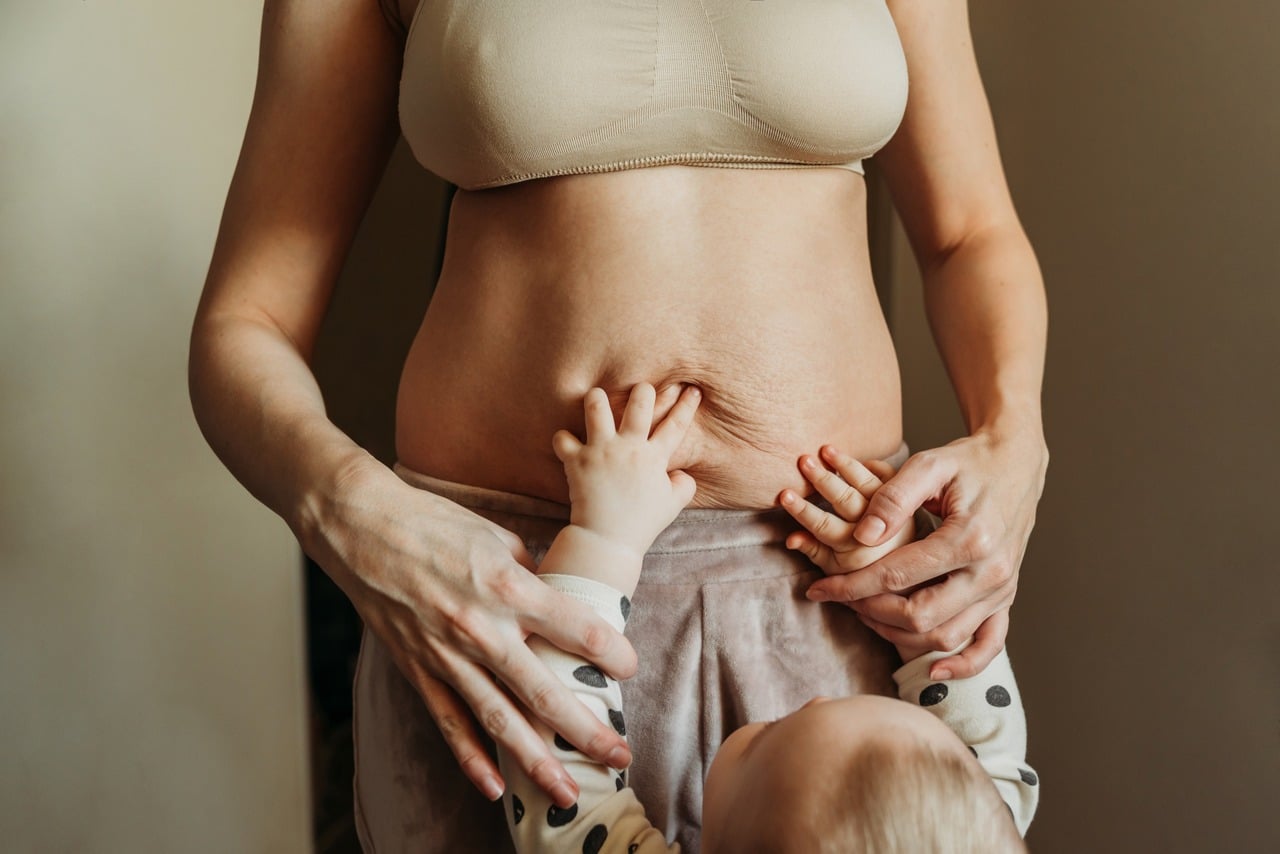

Importance of Weight Loss After C Section
Your journey of weight loss after a cesarean section (C section) is incredibly important for your overall health and well-being. While it’s natural to focus on caring for your newborn, it’s equally vital to prioritize your own physical and mental health during the postpartum period. Losing weight after a C section not only helps you regain your pre-pregnancy body, but it also reduces the risk of several potential health complications.
Maintaining a healthy weight post C section
After a C section, your body undergoes significant changes, and it’s essential to maintain a healthy weight to support your recovery. Excess weight gained during pregnancy can put additional strain on your healing incision and abdominal muscles. By losing weight, you can alleviate this strain and decrease the likelihood of complications related to wound healing. Moreover, maintaining a healthy weight ensures that you have the energy and stamina required to adjust to the demands of motherhood.
Benefits of weight loss after C section
Losing weight after a C section comes with numerous benefits for both your physical and mental well-being. In addition to reducing the risk of wound complications, weight loss can also improve your cardiovascular health and lower the likelihood of developing chronic conditions such as diabetes and high blood pressure. Furthermore, shedding extra pounds can boost your self-esteem and confidence, allowing you to feel more comfortable and at ease in your own skin.
Risks of not losing weight after C section
Failing to lose weight after a C section can have detrimental effects on your overall health. Prolonged excess weight can increase the risk of developing conditions such as obesity, which is associated with a higher likelihood of cardiovascular disease, diabetes, and joint problems. Additionally, carrying excess weight can strain your back and joints, leading to discomfort and decreased mobility. It’s crucial to prioritize weight loss after a C section to minimize these risks and optimize your long-term health.
Factors Affecting Weight Loss After C Section
Several factors play a significant role in weight loss after a C section. Understanding these factors can help you develop realistic expectations and formulate effective strategies for achieving your weight loss goals.
Hormonal changes
Your body undergoes significant hormonal changes during and after pregnancy, which can impact your weight loss journey. Hormones like estrogen and progesterone influence your metabolism and fat storage, making it somewhat challenging to shed weight immediately after giving birth. However, as your hormone levels stabilize over time, weight loss becomes more achievable.
Breastfeeding
If you choose to breastfeed, it can have a positive impact on your weight loss efforts. Breastfeeding burns calories and helps your uterus return to its normal size more quickly. The act of breastfeeding also promotes the release of oxytocin, a hormone that aids in uterine contractions and weight loss. Incorporating breastfeeding into your weight loss plan can be beneficial for both you and your baby.
Postpartum recovery
The recovery period after a C section is crucial and affects your ability to engage in physical activity and initiate a weight loss plan. Your body needs time to heal, so it’s essential to follow your healthcare provider’s instructions regarding restrictions on physical exertion. Gradually easing into exercise and allowing your body to recover adequately will set the stage for a healthier and more effective weight loss journey.
Diet and nutrition
Nutrition plays a vital role in weight loss after a C section. A balanced and nutritious diet is crucial for providing your body with the essential nutrients it needs while also promoting weight loss. Fueling your body with whole, unprocessed foods and limiting the intake of empty calories from sugary treats and unhealthy snacks will contribute to your weight loss success. It’s important to consult with a healthcare professional or registered dietitian for personalized guidance and meal planning.
Exercise and physical activity
Engaging in regular physical activity is an integral part of any weight loss journey after a C section. However, it’s essential to approach exercise with caution and consult your healthcare provider before starting any postnatal exercise regimen. Low-impact exercises help strengthen your core and pelvic floor muscles, aiding in your recovery and promoting weight loss. Gradually increasing the intensity of your workouts over time will ensure that you progress safely and effectively.
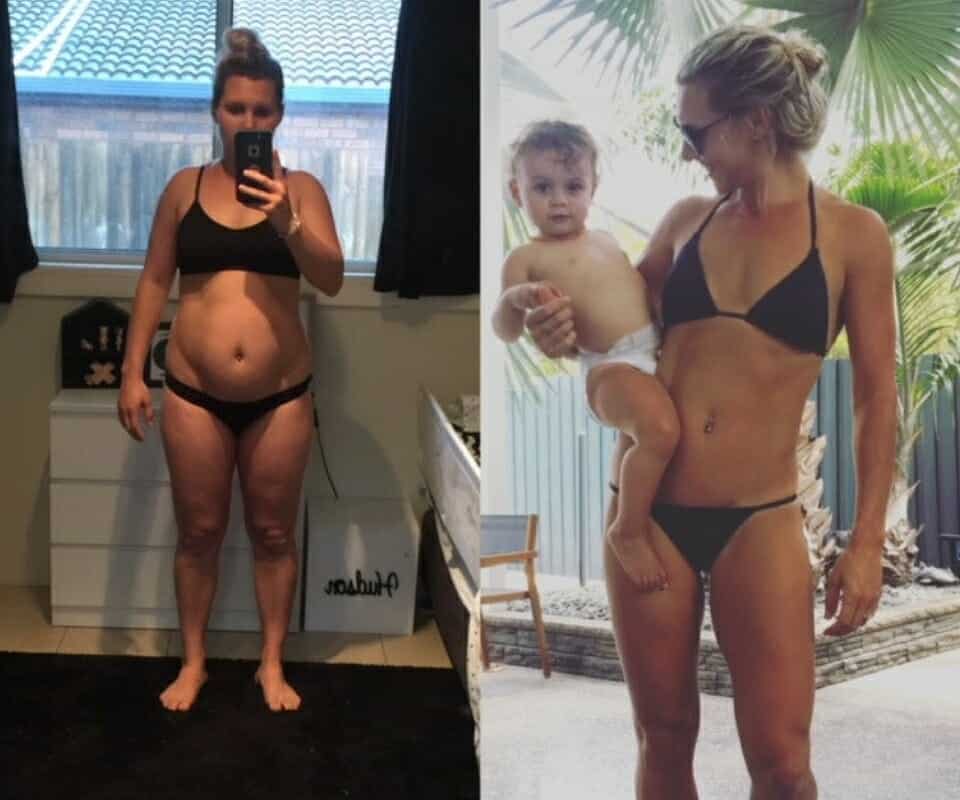

Safe and Effective Weight Loss Strategies
When it comes to losing weight after a C section, it’s important to choose safe and effective strategies that will support your overall health and well-being. These strategies will help you shed pounds gradually while minimizing any potential risks or complications.
Balanced and nutritious diet
Eating a balanced and nutritious diet is the foundation of successful weight loss after a C section. Focus on incorporating a variety of fruits and vegetables, lean sources of protein, whole grains, and high-fiber foods. These nutrient-dense choices will provide you with the energy you need while also promoting weight loss. Avoid crash diets or restrictive eating plans, as they can be detrimental to your health and may compromise your ability to recover fully.
Meal planning and portion control
Meal planning and portion control are valuable tools in your weight loss journey. Planning your meals in advance helps you make healthier choices and reduces the likelihood of reaching for convenient, processed foods. Additionally, practicing portion control allows you to enjoy a wide variety of foods while managing your calorie intake. Using smaller plates, measuring portions, and being mindful of your hunger and fullness cues can assist you in achieving your weight loss goals.
Hydration and water intake
Staying well-hydrated is key for weight loss success. Drinking an adequate amount of water not only helps boost your metabolism but also aids in digestion and keeps you feeling full. Make it a habit to carry a water bottle with you and sip throughout the day. Avoid sugary beverages and excessive caffeine, as they can add unnecessary calories and interfere with hydration.
Breastfeeding and calorie expenditure
If you choose to breastfeed, it can be an additional tool in your weight loss arsenal. Breastfeeding burns calories, and the process of nursing can help you shed weight more efficiently. In order to maintain a healthy milk supply, it’s important to consume enough calories and consult with a healthcare provider or lactation consultant to ensure you are meeting both your nutritional needs and your baby’s needs.
Low impact exercises
Starting with low-impact exercises is essential for your post C section recovery and weight loss journey. Activities such as walking, swimming, and prenatal yoga can help you build strength and increase your fitness level without placing excessive stress on your body. As you progress, you can gradually increase the intensity and duration of your workouts, incorporating aerobic exercises and strength training to further enhance your weight loss efforts.
Postnatal exercises
Specifically designed postnatal exercises can also aid in weight loss after a C section. These exercises target your core and pelvic floor muscles, which may have weakened during pregnancy and childbirth. Strengthening these muscles not only promotes better posture and stability but also aids in weight loss by increasing muscle mass. Consult with a certified postnatal exercise specialist or a physiotherapist to ensure you are performing these exercises safely and effectively.
Consulting a Healthcare Professional
Throughout your weight loss journey after a C section, it’s crucial to seek guidance from a healthcare professional. They will provide valuable support, monitor your progress, and help tailor a weight loss plan that suits your individual needs and circumstances.
Importance of medical guidance
Seeking medical guidance is essential to ensure that your weight loss plan is safe and appropriate for your specific situation. Your healthcare provider will consider factors such as your overall health, any underlying conditions, and the specifics of your C section recovery. They will help you create a customized weight loss plan that is both effective and sustainable.
Customized weight loss plans
Every individual is unique, and what works for one person may not work for another. That’s why customized weight loss plans are crucial for success. A healthcare professional can help tailor a plan that takes into account your lifestyle, dietary preferences, and any medical considerations. This personalized approach increases the likelihood of achieving your weight loss goals and maintaining your progress in the long term.
Monitoring health and progress
Regular monitoring of your health and progress is essential throughout your weight loss journey. A healthcare professional can track important markers such as your weight, body measurements, and vital signs to ensure that you are progressing in a healthy and safe manner. If any concerns or challenges arise, they can provide the necessary guidance and support to help you overcome them.
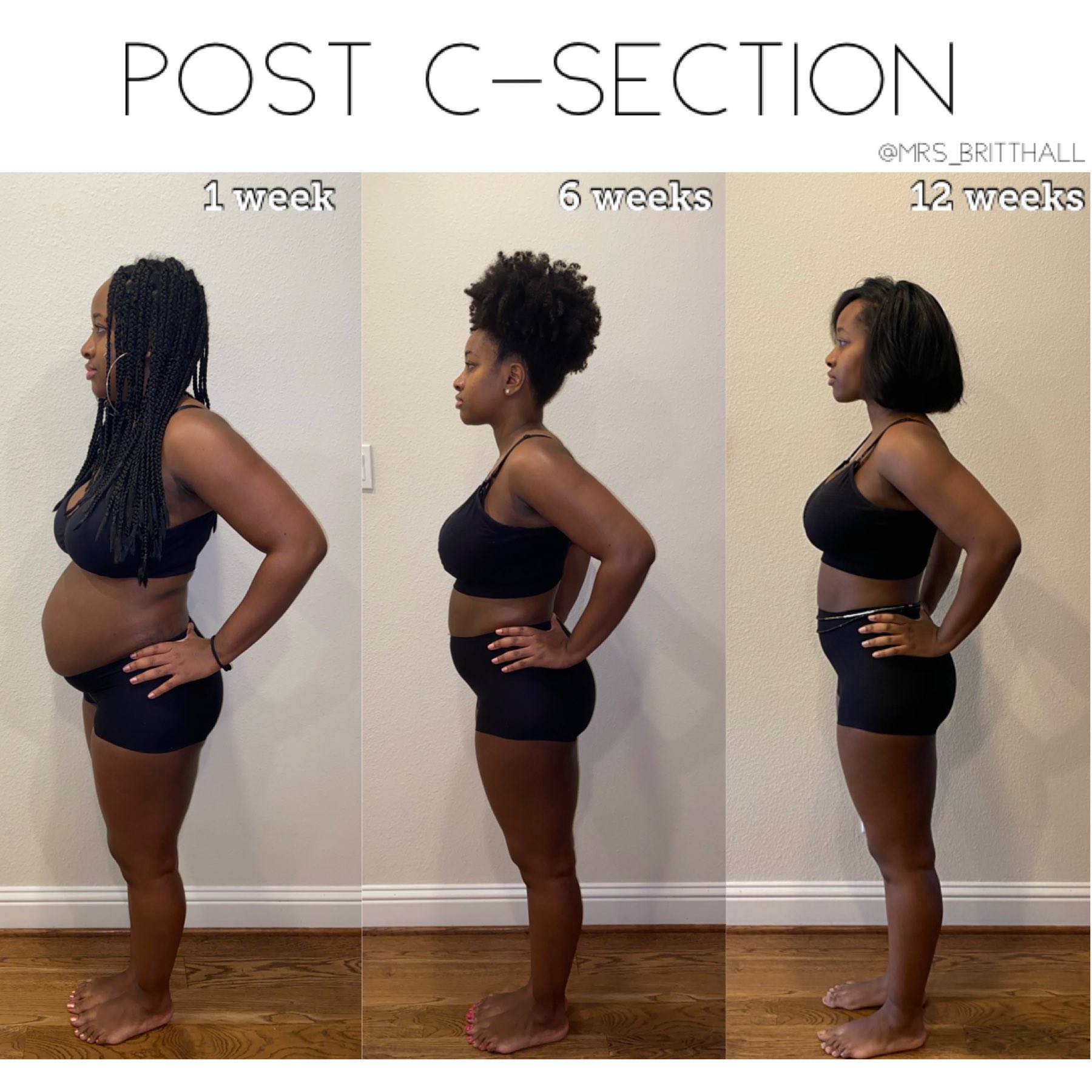
Healthy Diet and Nutrition Tips
Maintaining a healthy diet and providing your body with the nutrients it needs is crucial for successful weight loss after a C section. Incorporate the following diet and nutrition tips into your weight loss plan to optimize your results.
Include a variety of fruits and vegetables
Fruits and vegetables are essential for a balanced diet and weight loss. They are rich in vitamins, minerals, and fiber while being low in calories. Aim to include a variety of colors in your meals, as different fruits and vegetables offer various health benefits. Whether it’s adding berries to your breakfast or incorporating leafy greens into your lunch, make it a priority to consume these nutrient-packed foods every day.
Choose lean sources of protein
Protein is an essential macronutrient that supports muscle growth and repair. Opt for lean sources of protein such as chicken, fish, tofu, legumes, and low-fat dairy products. They provide high-quality protein while keeping saturated fat intake in check. Including protein in each meal can promote satiety and help you stay fuller for longer, reducing the likelihood of overeating or reaching for unhealthy snacks.
Incorporate whole grains and high-fiber foods
Whole grains and high-fiber foods provide essential nutrients and contribute to a healthy digestive system. These foods, such as whole wheat bread, brown rice, oats, and quinoa, are more filling than their refined counterparts, which aids in weight loss. By incorporating these fiber-rich foods into your meals, you’ll feel satisfied and less likely to overeat.
Limit processed and sugary foods
Processed foods often contain high amounts of unhealthy fats, added sugars, and empty calories. These foods offer little nutritional value and can hinder your weight loss efforts. Aim to limit or avoid processed snacks, sugary beverages, and foods high in saturated and trans fats. Instead, focus on whole, unprocessed foods to nourish your body and support your weight loss goals.
Stay well-hydrated
Proper hydration is essential for overall health and weight loss. Drinking an adequate amount of water not only keeps you hydrated but also helps regulate your metabolism and digestion. Make it a habit to drink water throughout the day and listen to your body’s thirst cues. If you struggle to drink plain water, infuse it with fruits or herbs for a refreshing twist.
Avoid crash diets
Crash diets or extreme calorie restrictions may offer quick results, but they are not sustainable or healthy in the long term. These diets can deprive your body of essential nutrients and hinder your recovery after a C section. Instead, focus on adopting a balanced and sustainable approach to weight loss that incorporates whole, nourishing foods and promotes overall well-being.
Appropriate Exercise Regimen
Exercise plays a vital role in weight loss after a C section. However, it’s essential to approach exercise with caution and choose appropriate activities that support your recovery and weight loss goals.
Consulting a physiotherapist
Consulting a physiotherapist who specializes in postpartum recovery and exercise is highly recommended. They can guide you in selecting appropriate exercises and help you develop a workout plan that takes into account your C section recovery and any other considerations. A physiotherapist can also provide valuable insights on maintaining proper form and technique to prevent injuries.
Start with gentle exercises
Right after a C section, it’s important to start with gentle exercises to allow your body to heal properly. Walking is an excellent low-impact exercise that promotes blood circulation, strengthens your muscles, and aids in weight loss. Begin with short walks and gradually increase the duration and intensity as your body adjusts and heals.
Gradually increase intensity
As your recovery progresses, gradually increase the intensity of your workouts. This can include activities such as swimming, cycling, or aerobic exercises. Increasing the intensity challenges your body and promotes further weight loss. However, always listen to your body and avoid pushing yourself too hard or ignoring any signs of discomfort or pain.
Focus on core and pelvic floor muscles
After a C section, it’s important to focus on strengthening your core and pelvic floor muscles. These muscles play a crucial role in supporting your abdomen and pelvic organs, which may have been strained during pregnancy and childbirth. Exercises such as pelvic tilts, Kegels, and gentle abdominal exercises can aid in the recovery process and help you regain strength and stability in these areas.
Incorporate cardio and strength training
Cardiovascular exercises, such as brisk walking, jogging, or dancing, can increase your heart rate and help burn calories. Combining cardio with strength training exercises, such as using resistance bands or free weights, can help build muscle mass and increase your metabolic rate, supporting weight loss. Aim for a well-rounded exercise routine that incorporates both cardio and strength training for optimal results.
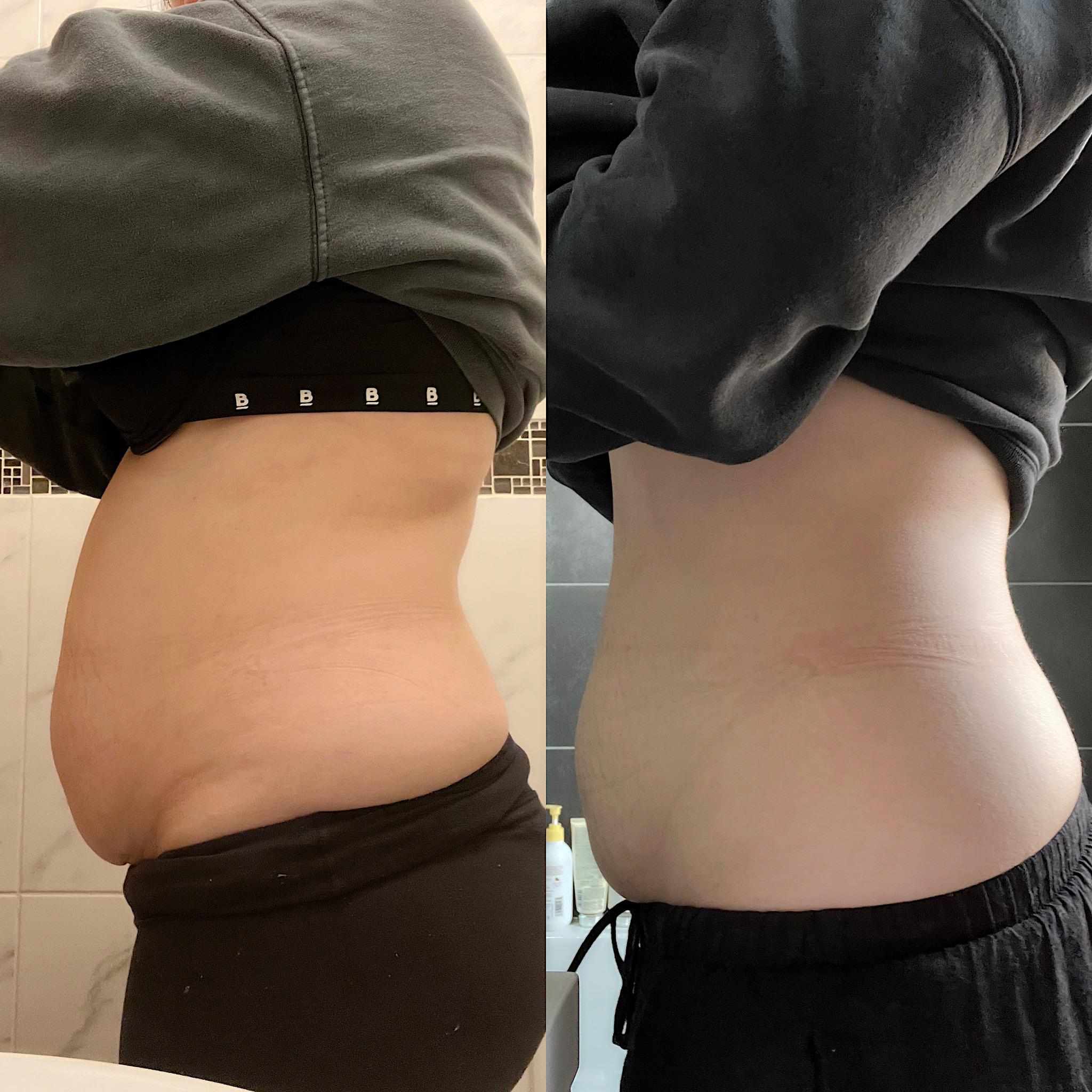
Managing Emotional Well-being
Taking care of your emotional well-being is just as important as taking care of your physical health. The postpartum period can be challenging, and it’s essential to prioritize self-care and seek support when needed.
Addressing postpartum emotions
Many women experience a wide range of emotions after giving birth, including joy, anxiety, and sadness. It’s essential to address these emotions and seek help if needed. Talk openly with your partner, family, or close friends about your feelings, and consider joining a postpartum support group. Remember that it’s normal to experience a mix of emotions, and seeking support is a strength, not a weakness.
Seeking support from loved ones
Relying on your loved ones for support is crucial during the postpartum period. Whether it’s assistance with childcare, household chores, or simply providing a listening ear, don’t hesitate to lean on your support system. Having a strong network of family and friends can alleviate some of the stress and challenges associated with weight loss after a C section.
Joining support groups
Joining a postpartum support group or seeking out online communities can be immensely beneficial. These groups provide a safe space to share experiences, ask questions, and connect with other mothers who are going through similar journeys. Hearing others’ stories and receiving encouragement and advice can be incredibly empowering and motivating.
Prioritizing self-care
It’s important to prioritize self-care during your weight loss journey after a C section. Set aside time each day for activities that nurture your mental and physical well-being. Whether it’s taking a relaxing bath, practicing mindfulness or meditation, or indulging in a hobby you enjoy, self-care helps reduce stress levels and promotes overall happiness.
Managing stress and sleep
Stress can hinder your weight loss progress and overall well-being. Finding healthy ways to manage stress is crucial for your success. Engage in activities that help you relax and unwind, such as deep breathing exercises, gentle yoga, or listening to calming music. Additionally, prioritizing quality sleep is essential for weight loss and postpartum recovery. Develop a consistent bedtime routine and create a comfortable sleep environment to optimize your sleep patterns.
Tracking and Monitoring Progress
Keeping track of your progress is essential for staying motivated and celebrating your achievements. The following strategies can help you monitor your weight loss journey effectively.
Setting realistic goals
Setting realistic and achievable goals is crucial for maintaining motivation and staying on track. Avoid setting unrealistic expectations or comparing yourself to others. Instead, focus on small, attainable goals that align with your overall health and weight loss objectives. Celebrate each milestone along the way to keep yourself motivated.
Monitoring weight and measurements
Regularly weighing yourself and tracking your measurements can provide valuable insights into your progress. Keep in mind that weight fluctuates naturally due to various factors, including water retention and hormonal changes. Focus on the overall trend rather than day-to-day fluctuations, and consider measuring other indicators of progress, such as body measurements or changes in clothing size.
Keeping a food and exercise journal
Maintaining a food and exercise journal can help you stay accountable and identify any patterns or behaviors that may be affecting your weight loss progress. Record your meals, snacks, and beverages, including portion sizes, to gain a better understanding of your overall nutrition. Additionally, tracking your exercise routine can help you see how different activities impact your weight loss efforts.
Celebrating milestones
Recognize and celebrate your milestones along the way. Losing weight after a C section takes time and dedication, so it’s important to acknowledge your progress. Whether it’s fitting into a favorite pair of jeans or noticing an increase in energy and stamina, take the time to celebrate both big and small achievements. Reward yourself with non-food-related treats, such as a relaxing massage or a new workout outfit.
Adjusting strategies as needed
It’s important to be flexible and willing to adjust your strategies as needed. Weight loss is not a linear process, and it’s natural to encounter plateaus or challenges along the way. If you find that your progress has stalled, don’t become discouraged. Seek guidance from a healthcare professional, re-evaluate your nutrition and exercise regimen, and consider trying new approaches to reignite your weight loss journey.
Potential Challenges and Tips to Overcome Them
Weight loss after a C section may present certain challenges, but with the right strategies and mindset, you can overcome them and achieve your goals.
Limited time for meal preparation
Finding time to prepare healthy meals can be challenging as a new mother. However, with careful planning and utilizing time-saving strategies, you can overcome this obstacle. Consider meal prepping on weekends or cooking larger quantities to have leftovers for quick and nutritious meals throughout the week. Additionally, rely on simple recipes and utilize kitchen gadgets such as slow cookers or instant pots to minimize prep time.
Lack of sleep affecting food choices
Sleep deprivation is common in the early months of motherhood and can influence your food choices and overall energy levels. In order to combat this, prioritize sleep whenever possible, even if it means asking for help with nighttime feedings or household tasks. When it comes to food choices, focus on quick and convenient options that provide nourishment. Stock your pantry with healthy snacks, such as nuts, fruits, or yogurt, and prepare grab-and-go meals in advance.
Finding childcare for exercise routines
Finding childcare for exercise routines can be a challenge for new mothers. However, there are solutions available. Consider joining exercise classes specifically designed for postpartum women that offer on-site or nearby childcare services. Alternatively, involve your baby in your workouts by investing in a jogging stroller or using carriers or wraps that allow you to engage in exercises while keeping your little one close.
Dealing with body image concerns
Body image concerns are common after giving birth, and it’s important to address them with compassion and self-acceptance. Focus on embracing the incredible changes your body has gone through to bring life into the world. Surround yourself with positive influences and avoid comparing yourself to unrealistic standards portrayed in the media. Remember that true beauty and strength come in all shapes and sizes.
Staying motivated
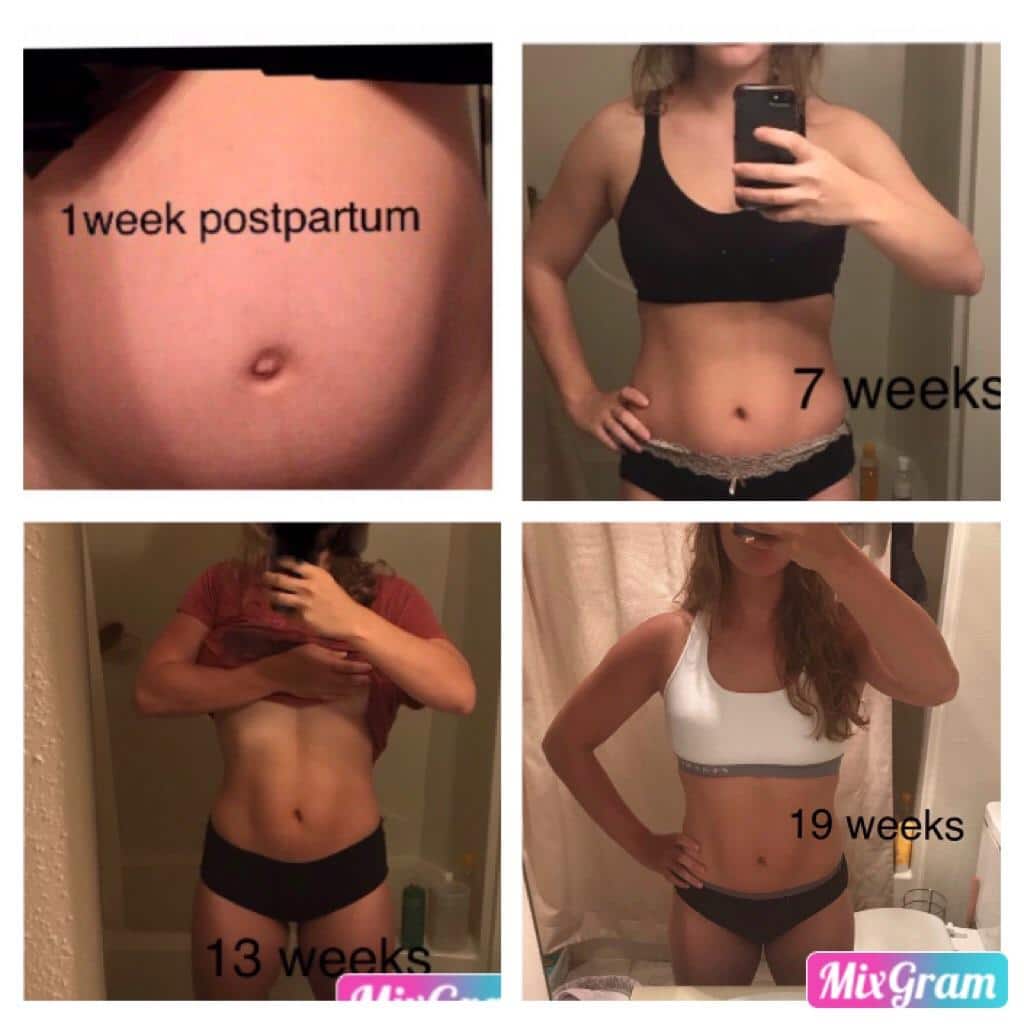
Staying motivated throughout your weight loss journey can be challenging, especially when faced with setbacks or plateaus. Find what motivates you personally, whether it’s tracking your progress, engaging in activities you enjoy, or seeking support from others. Set short-term goals and use visual reminders, such as progress photos or motivational quotes, to keep you focused and inspired. Surround yourself with a supportive community of individuals who share similar goals, and celebrate every accomplishment along the way.
Conclusion
Losing weight after a C section is an important step towards reclaiming your physical and mental health. The journey may present unique challenges, but with the right strategies and a supportive mindset, you can achieve your weight loss goals and feel proud of your accomplishments. Remember to consult a healthcare professional for personalized guidance and support, and embrace the process as an opportunity to prioritize your well-being while adjusting to the joys and demands of motherhood.