Are you tired of trying various diets and exercise routines without seeing any significant weight loss results? Look no further – the How To Lose Weight Fast App is here to help you achieve your weight loss goals! This user-friendly app is designed to provide you with practical tips, personalized meal plans, and effective workouts, all conveniently accessible from the palm of your hand. With a variety of features tailored to suit your unique needs, this app is your ultimate companion on your journey towards a healthier, happier you. Say goodbye to endless frustration and hello to a transformative weight loss experience with the How To Lose Weight Fast App.


Choosing the Right Weight Loss App
Researching Different Weight Loss Apps
When it comes to choosing a weight loss app, it’s essential to start by conducting thorough research. There is a wide variety of apps available, each with its own features and benefits. Take the time to explore different apps and understand their functionalities before making a decision.
Reading Reviews and Ratings
One of the most effective ways to gauge an app’s efficacy is by reading reviews and ratings from other users. These reviews can provide valuable insights into the app’s pros and cons, allowing you to make an informed decision. Pay attention to reviews that mention user experiences and whether the app helped them achieve their weight loss goals.
Considering App Features and Functionality
Different weight loss apps offer various features and functionalities to assist you on your journey. Take into account what aspects are essential to you, such as the ability to track your food and exercise, personalized meal suggestions, or progress reports. Consider your specific needs and preferences when evaluating different apps.
Checking the Credibility of the App
With the abundance of weight loss apps available, it’s crucial to check the credibility of the app and the developers behind it. Look for apps that have been created by reputable companies or organizations. Pay attention to whether the app has been endorsed or recommended by experts in the field of fitness and nutrition.
Consulting Fitness Professionals for Recommendations
If you’re unsure which weight loss app to choose, don’t hesitate to seek recommendations from fitness professionals. These experts can provide valuable guidance based on their knowledge and experience. They may have insights into which apps have helped their clients achieve successful weight loss. Consulting with professionals ensures you’re receiving reliable advice.
Setting Realistic Weight Loss Goals
Understanding the Importance of Realistic Goals
When embarking on a weight loss journey, it is crucial to set realistic goals. Unrealistic expectations can lead to frustration and disappointment, making it harder to stay motivated. Realistic goals are attainable and sustainable, allowing for steady progress along the way.
Determining Your Current Weight and Ideal Weight
To set realistic weight loss goals, you first need to determine your current weight and ideal weight. Understanding your starting point and desired outcome will provide a clear direction for your weight loss journey. Be honest with yourself and consider what weight is healthy and realistic for your body.
Setting a Target Weight Loss
Once you have an understanding of your current weight and ideal weight, it’s time to set a target weight loss. This should be a specific and measurable goal that aligns with your overall objectives. Aim to lose weight at a rate of 1-2 pounds per week, which is considered healthy and sustainable.
Breaking Down the Goal into Smaller Achievable Targets
Large weight loss goals can feel overwhelming, so breaking them down into smaller, achievable targets is essential. Set milestones along the way, such as losing 5 pounds in a month or fitting into a certain clothing size. These milestones will give you a sense of accomplishment and motivate you to keep going.
Considering a Timeframe for Achieving the Goal
In addition to setting smaller milestones, it’s important to consider a timeframe for achieving your overall weight loss goal. This will provide a sense of urgency and prevent procrastination. However, be realistic and allow yourself enough time to make sustainable changes to your lifestyle.


Creating a Personalized Weight Loss Plan
Assessing Your Current Lifestyle and Habits
To create a personalized weight loss plan, start by assessing your current lifestyle and habits. Take a close look at your eating patterns, exercise routine, and daily activities. Identifying areas where you can make improvements will help you develop a plan that suits your specific needs.
Identifying Areas for Improvement
Once you’ve assessed your current lifestyle, it’s time to identify areas that need improvement. This could include reducing your intake of unhealthy foods, increasing physical activity, or adopting a more regular sleep schedule. Focus on making changes that you feel comfortable with and can sustain in the long term.
Incorporating Healthy Eating Habits
A healthy eating plan is crucial for successful weight loss. Start by incorporating more whole foods, such as fruits, vegetables, lean proteins, and whole grains, into your diet. Avoid processed foods, sugary drinks, and excessive amounts of added sugars and fats. Practice portion control and listen to your body’s hunger and fullness cues.
Designing a Balanced Meal Plan
Considering your preferred foods and dietary restrictions, design a balanced meal plan that meets your nutritional needs. Include a variety of nutrients from different food groups, ensuring you’re getting a balance of carbohydrates, proteins, and healthy fats. Plan your meals in advance to avoid impulsive and unhealthy food choices.
Including Regular Physical Activity in Your Routine
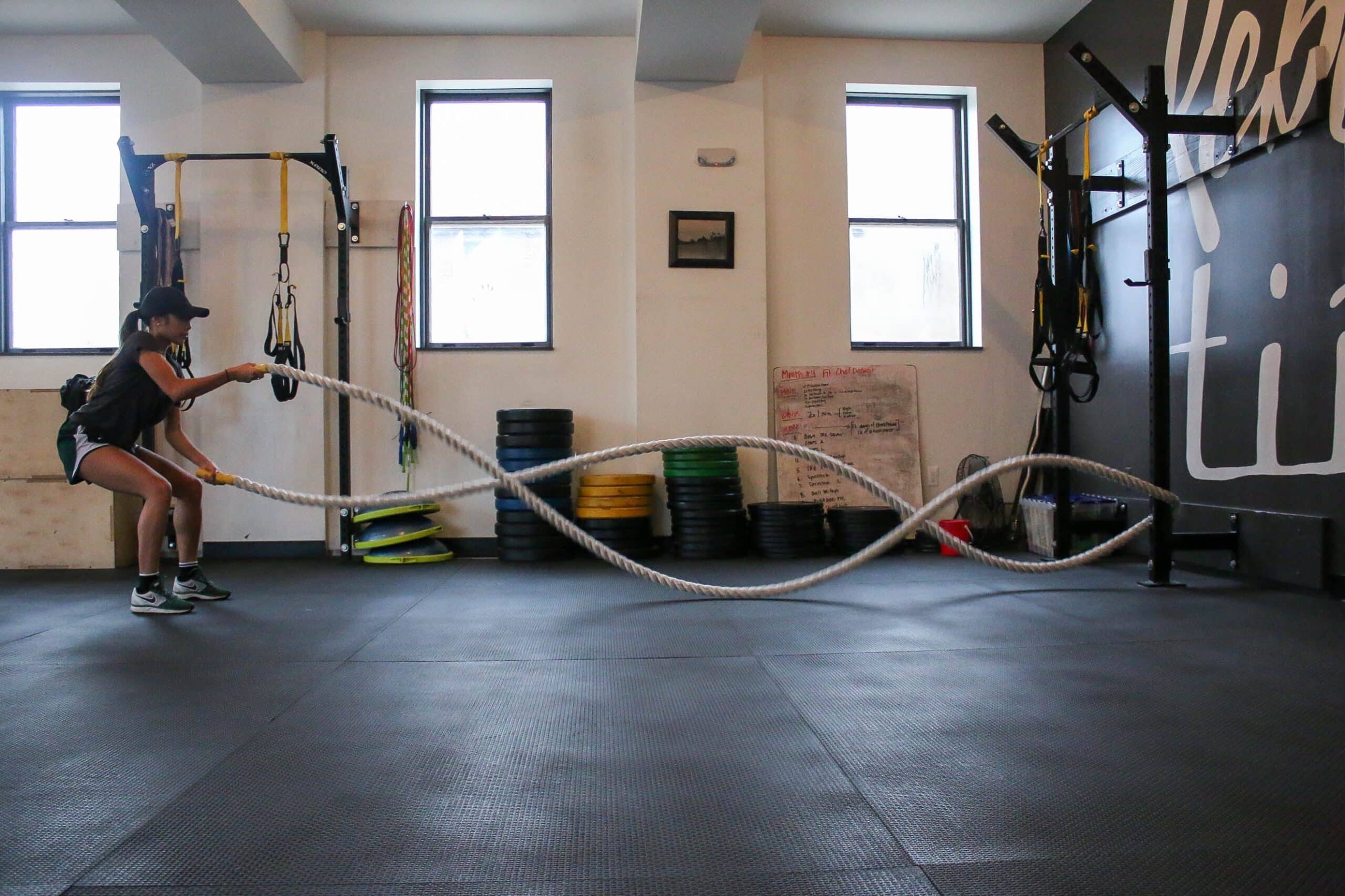
Regular physical activity plays a crucial role in weight loss. Choose activities that you enjoy and that align with your fitness level. Aim for a combination of cardiovascular exercises, such as brisk walking or cycling, and strength training exercises to build lean muscle and boost your metabolism. Make exercise a regular part of your routine.
Tracking Your Food and Exercise
Understanding the Importance of Tracking
Tracking your food and exercise is essential for weight loss as it provides you with valuable data and insights. It helps you become more aware of your eating habits and allows you to identify patterns or areas that may need improvement. Tracking also helps hold you accountable and enables you to make adjustments as needed.
Exploring Different Food and Exercise Tracking Options
There are numerous options available for tracking your food and exercise, ranging from handwritten journals to sophisticated mobile apps. Explore different options and choose one that suits your preferences and lifestyle. Consider factors like ease of use, customization features, and the ability to sync with other apps or devices.
Using Apps to Monitor Caloric Intake
Many weight loss apps offer the ability to track your caloric intake, making it easier to monitor your daily calorie consumption. These apps typically have extensive food databases that allow you to search and log your meals and snacks. Tracking calories can help you maintain a calorie deficit for weight loss.
Logging Physical Activity and Exercise
In addition to monitoring your food intake, it’s crucial to log your physical activity and exercise as well. Many weight loss apps have features that allow you to track the duration and intensity of your workouts. By logging your exercise, you can monitor your progress, set new goals, and ensure you’re meeting recommended activity guidelines.
Reviewing Your Progress and Identifying Areas for Improvement
Regularly reviewing your tracking data is essential for tracking progress and identifying areas for improvement. Pay attention to trends or patterns in your eating and exercise habits. Use this information to make adjustments to your plan and set new goals. Tracking allows you to course-correct if needed and stay on track towards your weight loss goals.
Leveraging Features and Tools of Weight Loss Apps