Congratulations on the arrival of your little one! Now that your baby is here, you may be wondering how quickly you can shed those extra pregnancy pounds and get back to your pre-baby body. In this article, we’ll explore the topic of post-pregnancy weight loss and provide you with some valuable insights on how fast you should aim to lose weight while still ensuring both your health and your baby’s well-being are a top priority. So, let’s get started on this exciting journey towards a healthier and more confident you!

Factors to Consider
Your individual circumstances
When it comes to weight loss after pregnancy, it’s important to consider your individual circumstances. Factors such as your age, overall health, and lifestyle can all play a role in determining the most suitable approach for you. Remember, it’s not a one-size-fits-all solution, and what may work for someone else might not work for you.
Type of delivery
The type of delivery you had can also impact your weight loss journey. Women who had a vaginal delivery may find it easier to start engaging in physical activity sooner compared to those who had a Cesarean section. However, it’s essential to remember that each body is unique, and it’s crucial to listen to your body’s signals before starting any intense exercise regimen.
Amount of weight gained during pregnancy
The amount of weight gained during pregnancy can vary greatly from woman to woman. It is important to keep in mind that some weight gain during pregnancy is normal and healthy, but excessive weight gain may require a more diligent approach to weight loss. Consulting with your healthcare provider can help determine a healthy target weight to aim for after pregnancy.
Overall health and well-being
Your overall health and well-being should be a top priority when considering weight loss after pregnancy. It’s essential to ensure you are physically and mentally ready to embark on a weight loss journey. If you’re experiencing any postpartum complications or health concerns, it’s important to address those first before focusing on weight loss. Always consult with your healthcare provider to assess your readiness and develop a personalized plan.
The Importance of Patience
Gradual weight loss is safer
When it comes to postpartum weight loss, it’s crucial to prioritize safety. Gradual weight loss is not only safer but also more sustainable in the long run. Crash diets or extreme restrictions can be harmful to your overall health and may negatively impact your milk supply if you’re breastfeeding. Slow and steady wins the race when it comes to shedding those postpartum pounds.
Allows time for the body to recover
Your body has gone through significant changes during pregnancy and childbirth. It’s important to give your body the time it needs to recover before diving into an intense weight loss regimen. Your organs, muscles, and hormones need time to readjust and heal. Patience is key during this postpartum period.
Prevents muscle loss
Losing weight too quickly can result in muscle loss. By taking a gradual approach to weight loss, you can preserve your muscle mass, which is important for overall strength and health. Building and maintaining muscle can also help boost your metabolism, making it easier to lose weight in the long run.
Promotes long-term success
Focusing on slow and steady weight loss is not only safer but promotes long-term success. Rapid weight loss often leads to yo-yo dieting and weight regain once the restrictive approach is no longer sustainable. By taking the time to establish healthy habits and make sustainable changes, you’ll have a better chance of not only losing the weight but keeping it off for good.

Recommended Weight Loss Timeline
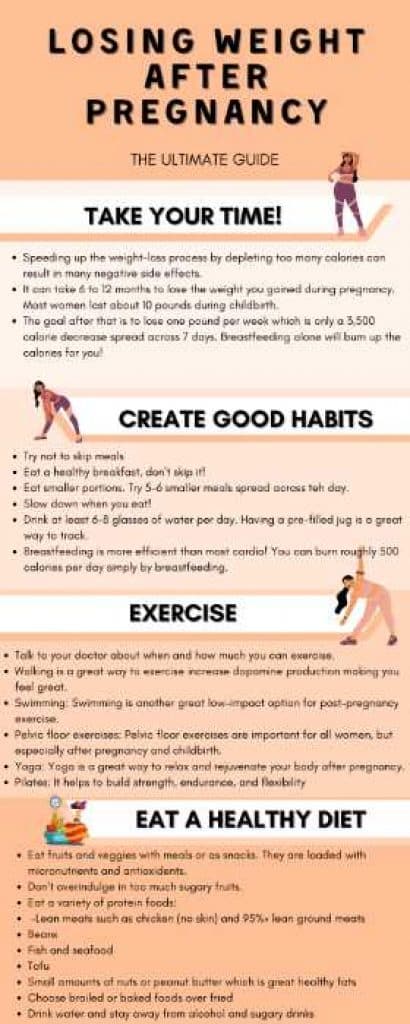
First 6-8 weeks postpartum: Focus on recovery
In the first 6-8 weeks after giving birth, it’s essential to focus on recovery rather than weight loss. Your body needs time to heal, and adjusting to life with a newborn is already challenging enough. Give yourself permission to rest, bond with your baby, and establish breastfeeding if you choose to do so. Adequate nutrition and sleep are key during this period.
Afterwards: Aim for 1-2 pounds per week
Once you’ve passed the initial recovery period, you can start focusing on weight loss. Aiming to lose 1-2 pounds per week is a realistic and healthy goal. This gradual rate of weight loss allows you to maintain proper nutrition, energy levels, and milk supply (if breastfeeding). Remember, the emphasis should be on overall health and well-being rather than just the number on the scale.
Consider individual needs and resources
While the general recommendation is to aim for 1-2 pounds of weight loss per week, it’s important to consider your individual needs and resources. Factors such as your breastfeeding status, support system, and personal motivation can all influence the speed at which you lose weight. It’s essential to be realistic and flexible with your goals to ensure long-term success.
Consult a healthcare professional
To ensure you’re on the right track for a healthy postpartum weight loss journey, it’s recommended to consult a healthcare professional. They can provide personalized advice based on your unique circumstances and help monitor your progress. Your healthcare provider can also address any concerns or questions you may have along the way.
Healthy Strategies for Weight Loss
Breastfeeding and nutrition
Breastfeeding can play a significant role in postpartum weight loss. It burns extra calories and helps the uterus contract faster. However, it’s important to prioritize proper nutrition to support breastfeeding and maintain overall health. Now is not the time for extreme diets or restrictive eating. Focus on consuming nutrient-dense foods, including a variety of fruits, vegetables, whole grains, lean proteins, and healthy fats.
Physical activity and exercise
Regular physical activity is vital for postpartum weight loss, but it’s essential to start slowly and gradually increase intensity. Begin with gentle exercises such as walking or gentle yoga, and as you regain strength and endurance, you can gradually incorporate more challenging workouts. Finding activities you enjoy will make it easier to stick with a consistent exercise routine.
Adequate sleep and self-care
Getting enough sleep and practicing self-care are crucial for overall well-being and weight loss. While it may be challenging with a newborn, try to prioritize rest whenever possible. Delegate tasks and ask for help from your partner, family, or friends. Taking time for yourself, whether it’s a hot bath, reading a book, or going for a walk, can go a long way in reducing stress and promoting weight loss.
Stress management and support
Stress can hinder weight loss efforts, so it’s important to prioritize stress management techniques. This could include practicing mindfulness, deep breathing exercises, or engaging in activities that bring you joy. Additionally, having a strong support system can make a significant difference. Joining a postpartum support group, confiding in a close friend, or seeking professional help can provide much-needed support and guidance.
Dietary Considerations
Focus on nutrient-dense foods
When it comes to postpartum weight loss, the quality of your food matters just as much as the quantity. Focus on consuming nutrient-dense foods that provide essential vitamins, minerals, and fiber. This includes fruits, vegetables, whole grains, lean proteins, and healthy fats. These foods will help keep you full and satisfied while providing your body with the nourishment it needs.
Ensure calorie intake meets needs
While it’s important to be mindful of your calorie intake, it’s equally important to ensure you’re fueling your body adequately. Your body needs extra calories if you’re breastfeeding, so it’s essential to consult with a healthcare professional to determine your individual needs. Restricting calories too much can negatively impact your milk supply and leave you feeling drained.
Include a variety of food groups
Eating a varied diet is important for overall health and weight loss. Including a variety of food groups ensures you’re getting a wide range of essential nutrients. Experiment with different recipes, spices, and cooking methods to keep your meals interesting and enjoyable. Remember, a balanced diet is key to nourishing both yourself and your baby.
Avoid crash diets or extreme restrictions
While it may be tempting to turn to crash diets or extreme restrictions to lose weight quickly, these approaches are not sustainable or healthy. They can leave you feeling deprived, low on energy, and can negatively impact your milk supply if you’re breastfeeding. Instead, focus on making long-term, sustainable changes to your eating habits and finding a healthy balance that works for you.
Exercise Recommendations
Start with gentle exercises
After getting the green light from your healthcare provider, it’s important to start with gentle exercises. This is especially true if you’ve had a Cesarean section, as your body needs extra time to heal. Walking, yoga, or gentle stretching can help improve circulation, promote healing, and increase energy levels. Start slowly and listen to your body’s cues.
Gradually increase intensity and duration
As you regain strength and endurance, you can gradually increase the intensity and duration of your workouts. Incorporate activities such as swimming, cycling, or running, depending on your preference and physical capabilities. Progress at your own pace, keeping in mind that it’s crucial to prioritize safety and avoid overexertion.
Incorporate strength training and aerobic activities
A combination of strength training and aerobic activities is ideal for postpartum weight loss. Strength training helps build muscle, which can increase your metabolism and contribute to overall weight loss. Incorporate exercises such as weightlifting, resistance band workouts, or bodyweight exercises. Additionally, aerobic activities such as brisk walking, dancing, or aerobics classes can help burn calories and boost cardiovascular health.
Listen to your body and adjust
It’s important to listen to your body throughout your postpartum exercise journey. If you feel any pain or discomfort, it’s crucial to take a step back and assess if you’re pushing yourself too hard. Remember, the goal is to gradually build strength and endurance, not to overexert yourself. Stay in tune with your body’s signals and make adjustments accordingly.
Support Systems
Find a postpartum support group or community
Finding a postpartum support group or community can make a world of difference in your weight loss journey. Surrounding yourself with other individuals who are going through similar experiences can provide a sense of camaraderie and emotional support. You can share struggles, ask for advice, and celebrate victories together.
Seek help from healthcare professionals
Don’t be afraid to seek help from healthcare professionals such as a registered dietitian, personal trainer, or therapist. These professionals have the expertise and knowledge to guide you through your weight loss journey safely and effectively. They can provide personalized advice, address any concerns or questions, and keep you accountable.
Involve your partner and family
Involving your partner and family in your weight loss journey can provide much-needed support and motivation. Communicate your goals and how they can assist you. This could include preparing healthy meals together, going on walks as a family, or offering encouragement and praise. Remember, you don’t have to go through this alone.
Prioritize self-care
Taking care of yourself is crucial during the postpartum period. Make self-care a priority, whether it’s taking a relaxing bath, reading a book, or enjoying a hobby. When you prioritize self-care, you’re better equipped to take care of your baby and focus on your weight loss goals.
Common Challenges
Lack of time and energy
Time and energy are common challenges faced by new moms. Caring for a newborn is demanding, leaving little time and energy for exercise and self-care. It’s important to be realistic and flexible with your expectations. Incorporate short bursts of physical activity throughout the day, such as doing squats while holding your baby or going for a brisk walk during nap time. Remember, every little bit counts.
Mental and emotional obstacles
Weight loss after pregnancy is not just a physical journey; it’s also a mental and emotional one. Hormonal changes, sleep deprivation, and the stress of adjusting to a new life can all impact your emotional well-being. It’s important to be gentle with yourself and seek support when needed. Reach out to friends, family, or professionals who can provide guidance and understanding.
Body image concerns
Dealing with body image concerns after pregnancy is completely normal. It’s important to remember that your body has undergone incredible changes to bring a new life into the world. Embrace the journey and practice self-love and acceptance. Surround yourself with positive influences and focus on the amazing things your body has accomplished.
Social pressures and comparison
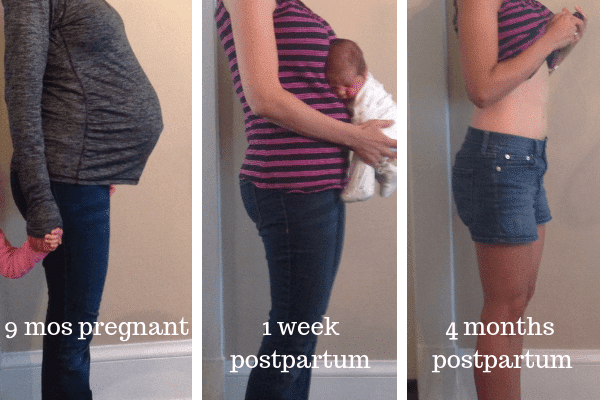
In today’s society, there can be immense pressure to bounce back quickly post-pregnancy. It’s crucial to remember that everyone’s journey is unique, and it’s not a race. Avoid comparing yourself to others and instead focus on your own progress and well-being. Celebrate each milestone, no matter how small, and don’t let societal pressures dictate your worth.
When to Seek Medical Advice
Extreme weight loss or gain
If you notice extreme weight loss or gain that is not consistent with your goals or individual circumstances, it’s important to seek medical advice. This could be a sign of an underlying health condition that needs to be addressed.
Persistent symptoms or discomfort
If you experience persistent symptoms or discomfort during your postpartum weight loss journey, it’s essential to consult with a healthcare professional. They can help determine the cause of the symptoms and provide appropriate guidance or treatment.
Mental health issues
Mental health is just as important as physical health. If you’re experiencing symptoms of postpartum depression, anxiety, or any other mental health concerns, reach out to a healthcare professional for support. They can provide the necessary resources and treatment options to help you navigate these challenges.
Questions regarding specific situations
If you have any specific questions or concerns regarding your postpartum weight loss journey, it’s always best to consult with a healthcare professional. They can provide personalized advice based on your unique circumstances and help guide you in the right direction.
Conclusion
Importance of a healthy and balanced approach
When it comes to postpartum weight loss, it’s important to prioritize a healthy and balanced approach. Remember that your body has undergone significant changes, and it needs time to recover. Slow and steady weight loss is not only safer but promotes long-term success.
Every journey is unique
It’s important to remember that every postpartum weight loss journey is unique. What works for one person may not work for another. Embrace your individual circumstances, strengths, and challenges. Listen to your body, adjust as needed, and be kind to yourself throughout the process.
Focus on overall well-being
Weight loss is just one aspect of overall well-being. Remember to prioritize your mental and emotional health, ensure adequate nutrition, engage in regular physical activity, and practice self-care. Don’t lose sight of the bigger picture – your overall health and happiness.
Celebrate small victories
Every step towards your postpartum weight loss goals should be celebrated, no matter how small. Losing weight after pregnancy takes time and dedication, so remember to acknowledge your progress and be proud of your accomplishments. Each small victory brings you closer to your desired outcome. Keep going, and remember that you’re doing an amazing job.