Congratulations on your new addition to the family! If you’re wondering how to shed those extra post-pregnancy pounds quickly and safely, you’ve come to the right place. In this article, we will explore effective strategies and tips to help you find your pre-pregnancy body again. With a focus on healthy habits, exercise, and proper nutrition, you’ll be well on your way to achieving your weight loss goals and feeling confident in no time. So let’s get started on this exciting journey towards a healthier and happier you!

Setting Realistic Goals
Consulting with Your Healthcare Provider
When it comes to losing weight after pregnancy, it’s essential to start by consulting with your healthcare provider. They can evaluate your specific needs, considering factors such as your overall health, any pre-existing conditions, and the details of your pregnancy and delivery. Your healthcare provider can offer guidance and support, ensuring that you approach postpartum weight loss in a safe and healthy manner.
Understanding Postpartum Weight Loss
Understanding postpartum weight loss is crucial for setting realistic goals. It’s common for women to lose about 10 to 12 pounds immediately after giving birth, which includes the weight of the baby, placenta, and other fluids. Over the next few weeks, you can expect to gradually lose an additional 5 to 10 pounds.
Keep in mind that every woman’s body is unique, and weight loss may vary depending on factors such as genetics, lifestyle, and overall health. It’s essential to focus on progress rather than comparing yourself to others or succumbing to unrealistic expectations.
Setting a Healthy Rate of Weight Loss
Setting a healthy rate of weight loss is important for your overall well-being and to avoid potential complications. It’s generally recommended to aim for a gradual weight loss of around 1 to 2 pounds per week. This sustainable approach allows your body to adjust to the changes and ensures that you’re losing fat rather than muscle.
Rapid weight loss can have negative effects on your energy levels, milk supply if breastfeeding, and can increase the risk of nutrient deficiencies. Remember, the goal is to achieve long-term success rather than quick fixes.
Breastfeeding for Weight Loss
Benefits of Breastfeeding for Weight Loss
Breastfeeding provides numerous benefits for both you and your baby, and weight loss is one of them. When you breastfeed, your body burns additional calories to produce milk. This can help accelerate postpartum weight loss while providing essential nutrition for your baby.
Calories Burned while Breastfeeding
On average, breastfeeding can help you burn around 300 to 500 calories per day. However, it’s important to note that individual calorie expenditure can vary depending on factors such as your body weight, the duration and intensity of breastfeeding sessions, and your overall metabolism. Discussing specific calorie needs with your healthcare provider can help you determine the appropriate intake for your weight loss goals.
Tips for Maximizing Weight Loss through Breastfeeding
To maximize weight loss while breastfeeding, it’s essential to focus on nourishing your body adequately. Aim to consume a balanced and nutritious diet that includes a variety of foods from different food groups. Avoid excessively restricting your calorie intake, as this can negatively impact your milk supply and overall energy levels.
Additionally, maintaining a healthy lifestyle through regular exercise and getting sufficient rest will support your weight loss efforts. Remember to be patient and kind to yourself as your body adjusts to the changes.

Eating a Balanced and Nutritious Diet
Focus on Nutrient-Dense Foods
When it comes to postpartum weight loss, it’s vital to prioritize nutrient-dense foods. These foods are rich in essential vitamins, minerals, and other beneficial compounds, providing your body with the fuel it needs while promoting optimal health and weight loss.
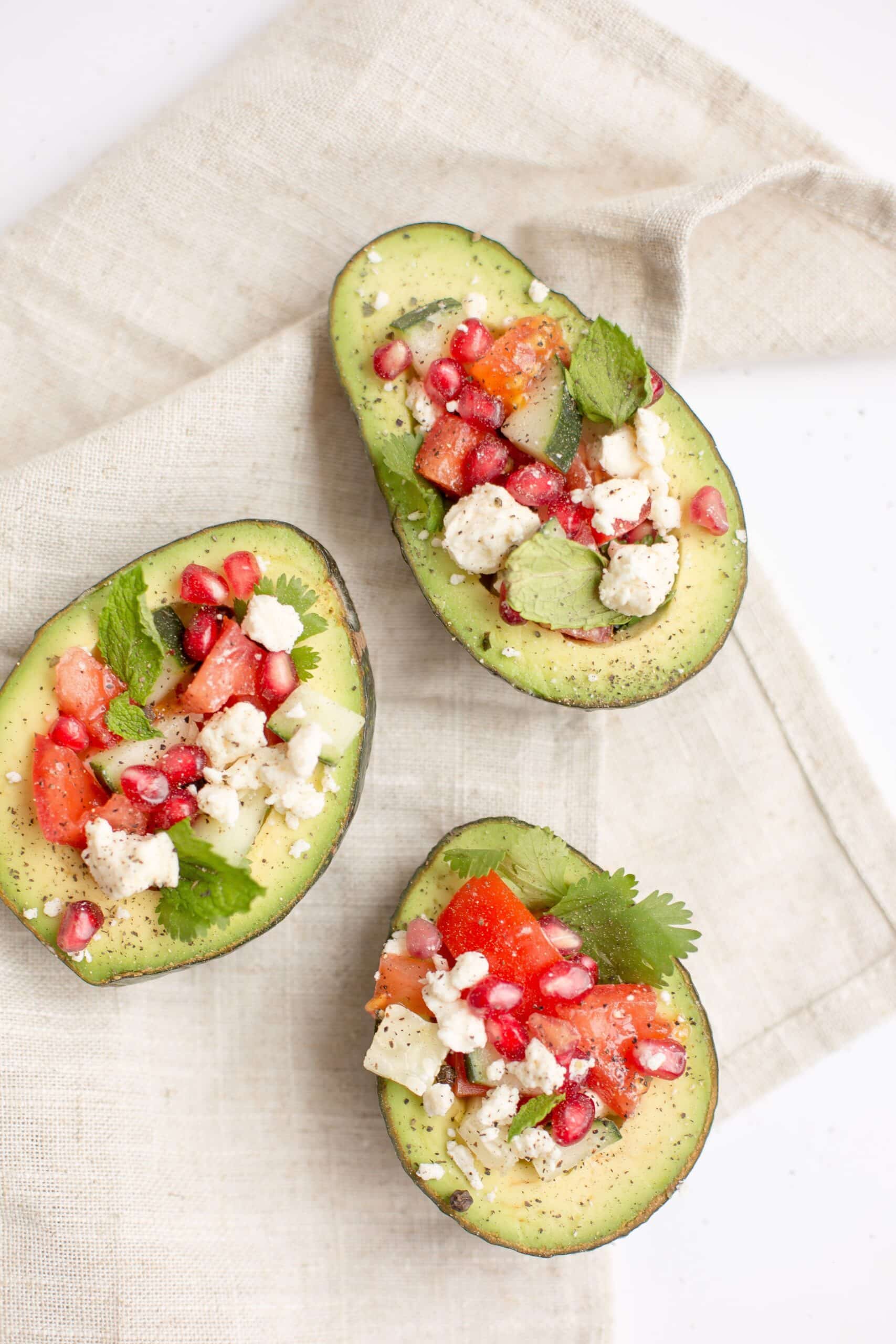
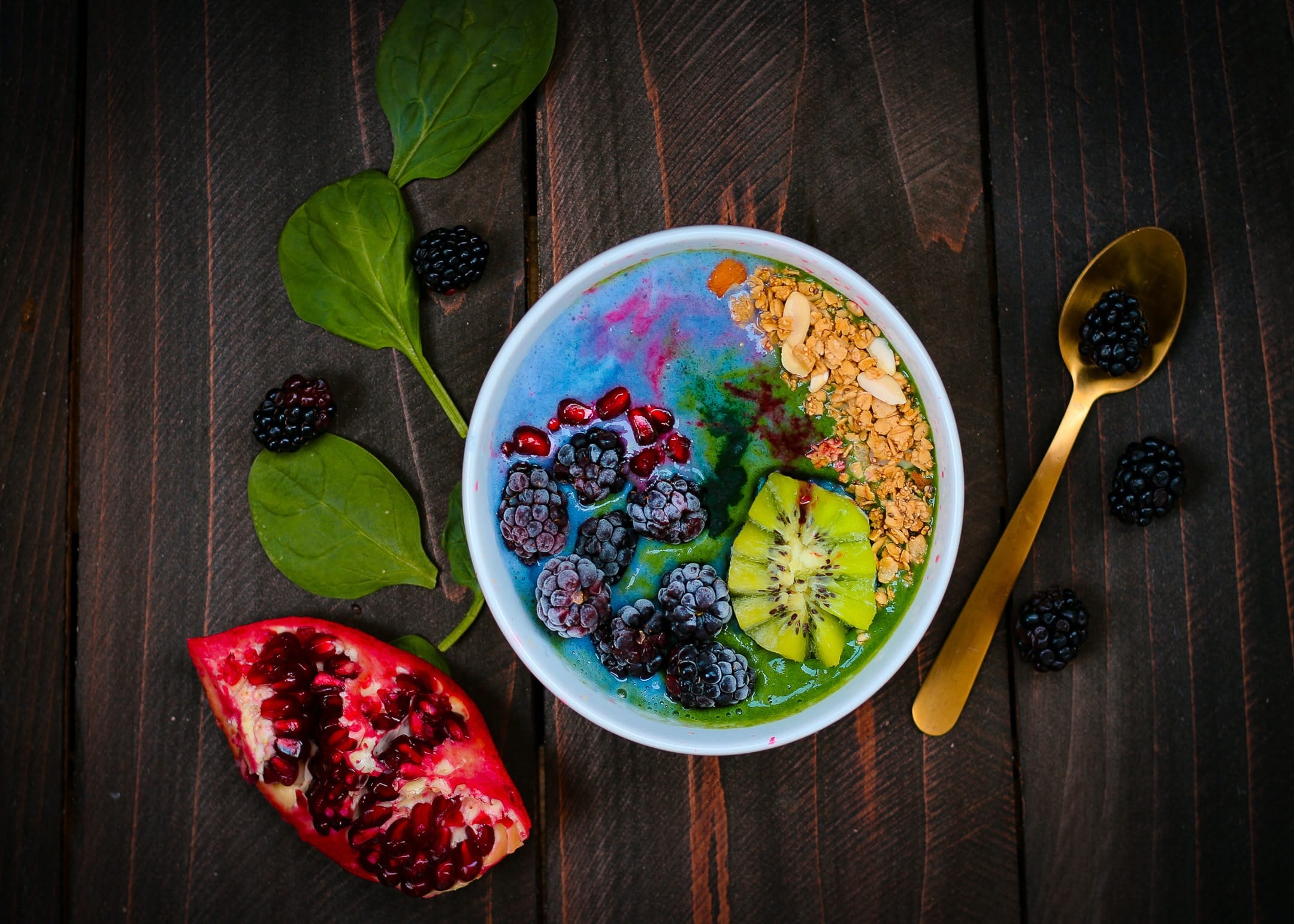
Focus on incorporating fresh fruits and vegetables, whole grains, lean protein sources, and healthy fats into your diet. These foods are not only nutrient-rich but also help keep you satisfied and full for longer, reducing the chances of overeating.
Include Lean Protein Sources
Including lean protein sources in your diet is crucial for postpartum weight loss. Protein helps build and repair tissue, maintain muscle mass, and keep you feeling full. Incorporate foods such as lean meats, poultry, fish, legumes, tofu, and dairy products into your meals.
Incorporate Fiber-Rich Foods
Fiber-rich foods are beneficial for weight loss as they help regulate digestion, promote feelings of fullness, and support overall gut health. Add foods such as whole grains, fruits, vegetables, and legumes to your diet to increase your fiber intake.
Stay Hydrated
Staying hydrated is essential for overall health and weight loss. Drinking water throughout the day helps boost metabolism, curb appetite, and support digestion. Carry a water bottle with you and aim to drink at least 8 glasses of water daily. If breastfeeding, it’s especially important to stay hydrated to support milk production.
Meal Planning and Portion Control
Create a Meal Plan
Meal planning is a helpful strategy for postpartum weight loss. Planning your meals in advance allows you to make healthier choices, manage portion sizes, and avoid impulse eating. Start by creating a weekly meal plan that includes a variety of nutritious and enjoyable meals.
Consider incorporating a mix of lean proteins, whole grains, fruits, vegetables, and healthy fats into your meals. Aim for balanced and well-rounded meals that provide a good source of energy and essential nutrients.
Practice Portion Control
Practicing portion control is crucial for managing your calorie intake and promoting weight loss. It’s common for portion sizes to increase after pregnancy, so being mindful of your serving sizes can make a significant difference.
Use measuring cups, a food scale, or other portion control methods to ensure you are consuming appropriate amounts of food. Pay attention to your body’s hunger and fullness cues, eating until you feel satisfied rather than overly full.
Avoid Skipping Meals
Skipping meals may seem like a quick way to cut calories, but it can backfire when it comes to weight loss. Skipping meals can lead to excessive hunger, overeating later in the day, and a slower metabolism.
Instead of skipping meals, aim to have regular, balanced meals and snacks throughout the day. This will help keep your blood sugar levels stable, maintain energy levels, and prevent overindulging.
Exercise and Physical Activity
Consulting with Your Healthcare Provider
Before starting any exercise routine, it’s important to consult with your healthcare provider. They can evaluate your specific situation, advise you on any limitations or precautions, and ensure that you’re medically cleared for physical activity.
Starting with Gentle Exercises
After receiving clearance, start with gentle exercises to gradually rebuild your strength and stamina. Postpartum exercises can include walking, yoga, low-impact aerobics, or swimming. These activities help improve cardiovascular health, boost energy levels, and support weight loss.
Gradually Increase Intensity
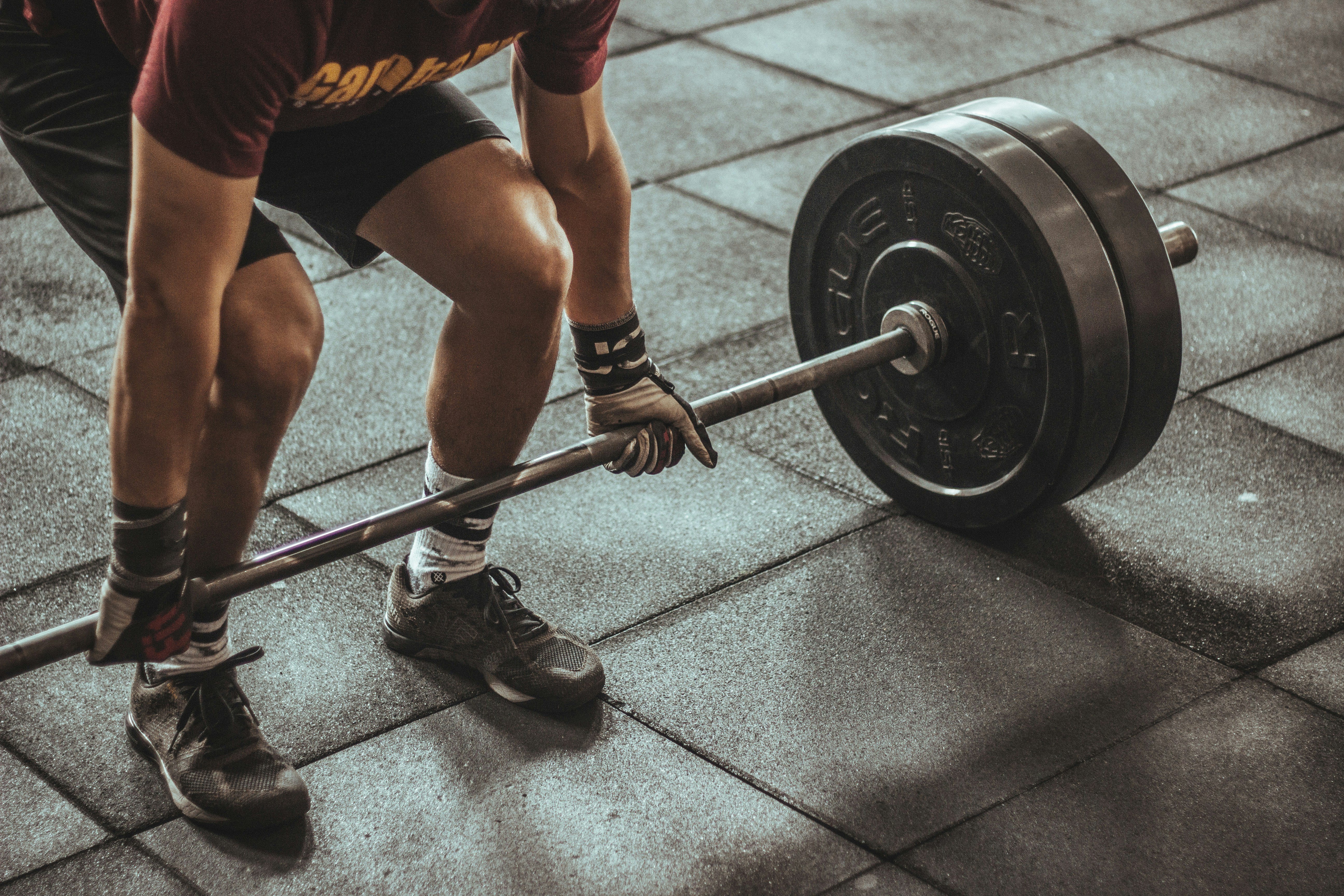
As you regain your strength, gradually increase the intensity and duration of your workouts. Incorporate activities such as jogging, cycling, or strength training to challenge your body and further enhance your weight loss efforts. Remember to listen to your body and progress at a pace that feels comfortable for you.
Incorporate Different Types of Exercise
Including different types of exercise in your routine can prevent boredom and promote overall fitness. Mix cardio, strength training, and flexibility exercises to engage different muscle groups and keep your workouts enjoyable. Consider joining postpartum exercise classes, working out with a friend, or exploring fitness apps or videos for inspiration.
Staying Consistent
Consistency is key when it comes to exercise and weight loss. Aim for at least 150 minutes of moderate-intensity aerobic activity each week, along with strength training exercises on two or more days. Finding activities that you enjoy and scheduling regular workout sessions will help you stay motivated and make exercise a sustainable part of your lifestyle.
Getting Sufficient Sleep and Rest
Importance of Sleep for Weight Loss
Getting sufficient sleep is crucial for successful weight loss. Lack of sleep can disrupt hormone levels, increase cravings for unhealthy foods, and reduce metabolic rate. Aim for seven to nine hours of quality sleep each night to support your weight loss goals.
Prioritizing Rest and Recovery
In addition to sleep, it’s essential to prioritize rest and recovery during the postpartum period. Giving your body time to recover from pregnancy and childbirth is necessary for overall well-being and weight loss. Listen to your body’s cues and take breaks when needed. Incorporate relaxation techniques such as deep breathing, meditation, or gentle stretching into your daily routine.
Managing Stress and Emotional Well-being
Recognize and Address Emotional Eating
Managing stress and emotional well-being is crucial for postpartum weight loss. Increased stress levels can lead to emotional eating, where food is used to cope with negative emotions. Recognize the triggers that lead to emotional eating and find alternative ways to manage your emotions, such as practicing mindfulness, engaging in hobbies, or seeking support from loved ones.
Practice Stress Management Techniques
To manage stress effectively, it’s important to practice stress management techniques. This can include activities such as yoga, meditation, deep breathing exercises, or journaling. Finding healthy outlets for stress can help reduce emotional eating, improve overall well-being, and support your weight loss journey.
Seek Support from Loved Ones or Professionals
During the postpartum period, it’s crucial to seek support from loved ones or professionals if needed. Discussing your challenges, fears, and goals with a supportive network can provide encouragement, guidance, and a sense of community. Consider joining postpartum support groups or seeking help from a therapist who specializes in postpartum care to address any emotional or mental health concerns.
Avoiding Crash Diets and Quick Fixes
Risks of Crash Diets
Crash diets and quick fixes may promise rapid weight loss, but they can often be detrimental to your overall health. These diets typically involve severe calorie restriction, eliminating entire food groups, or relying on supplements or meal replacements. While you may experience initial weight loss, it’s usually not sustainable and can lead to nutrient deficiencies, muscle loss, and a negative impact on your metabolism.
Focus on Long-Term Health and Well-being
Instead of pursuing short-term fixes, focus on long-term health and well-being. Postpartum weight loss should be approached with a mindset of nourishing your body and regaining strength rather than obsessing over the number on the scale. Set realistic goals, make sustainable lifestyle changes, and cultivate a positive relationship with food and exercise.
Avoid Restrictive Eating Patterns
Avoid falling into restrictive eating patterns that can be harmful to both your physical and mental health. Instead of focusing on deprivation, aim for balance and moderation. Incorporate a wide variety of nutrient-dense foods into your diet, listen to your body’s hunger and fullness cues, and practice mindful eating to foster a healthy relationship with food.
Taking Care of Your Mental and Physical Health
Listen to Your Body
Listening to your body’s needs is essential for postpartum weight loss. Pay attention to hunger and fullness cues, provide your body with adequate rest and recovery, and adjust your exercise routine as needed. Trusting your body’s signals and responding accordingly will support your overall well-being and make sustainable weight loss possible.
Be Kind to Yourself
It’s important to be kind to yourself throughout your weight loss journey. Remember that your body has gone through significant changes during pregnancy and childbirth, and it takes time to adjust. Avoid negative self-talk, embrace your progress, and celebrate small victories along the way. Treat yourself with compassion and patience, recognizing that weight loss is a gradual process.
Prioritize Self-Care
Taking care of yourself is essential for successful postpartum weight loss. Prioritize self-care activities that you enjoy, whether it’s taking a relaxing bath, reading a book, going for a walk alone, or spending time with friends. Taking moments for yourself will help reduce stress, improve overall well-being, and support your weight loss efforts.
Creating a Supportive Environment
Engage in Healthy Habits as a Family
Creating a supportive environment for postpartum weight loss involves engaging in healthy habits as a family. Encourage your partner and children to join you in making nutritious food choices, being active together, and prioritizing well-being. This not only fosters a positive environment for weight loss but also promotes a healthy lifestyle for everyone involved.
Seek Support from Partner or Friends
In addition to family support, seek support from your partner or friends. Share your weight loss goals and challenges with them, and ask for their encouragement and understanding. Having a support system that understands your journey can be incredibly beneficial and help keep you motivated.
Join Postpartum Support Groups
Consider joining postpartum support groups to connect with other women who are going through similar experiences. These groups provide a safe space to share your concerns, learn from others, and receive valuable advice and support. Having a community of individuals who can relate to your challenges and successes can make a significant difference in your weight loss journey.